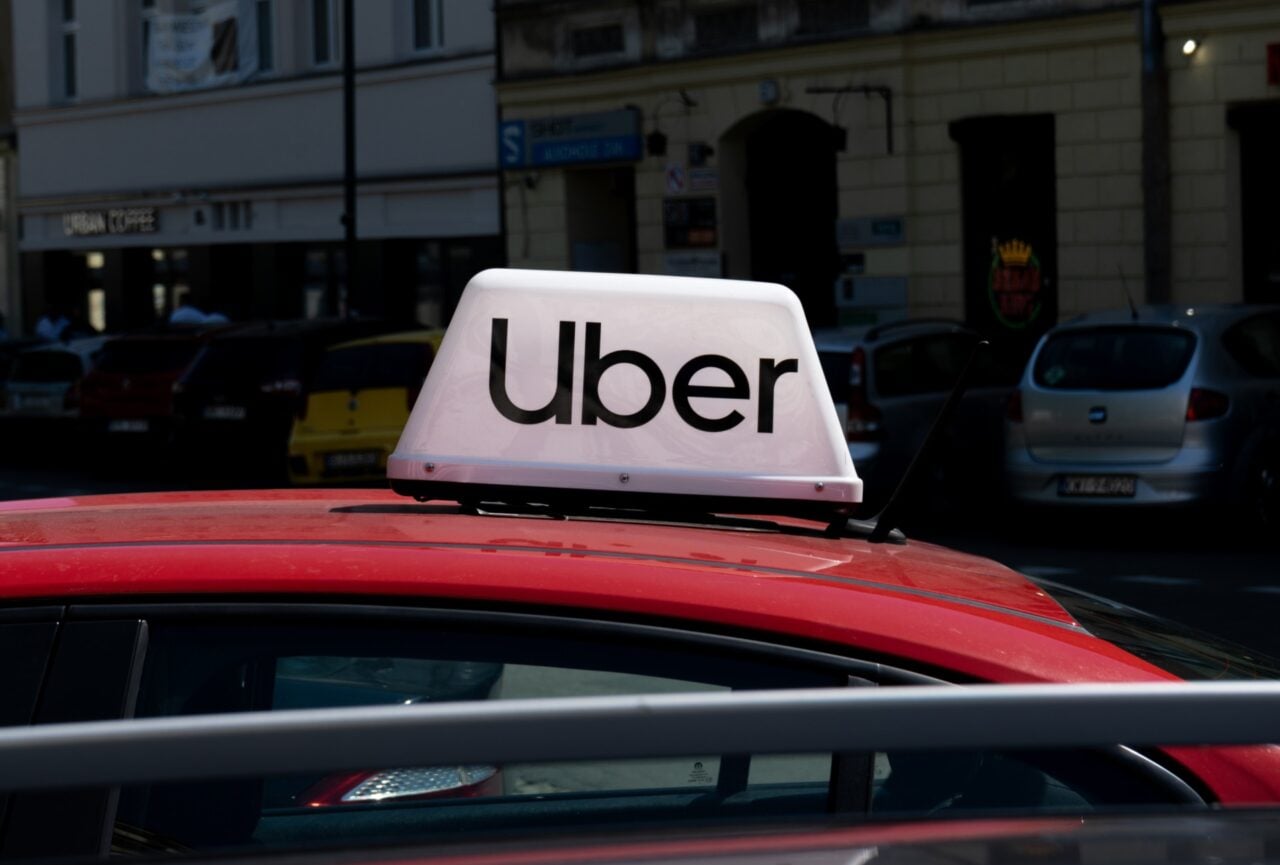
Uber is getting closer to going head-to-head with robotaxi rivals like Waymo and Zoox.
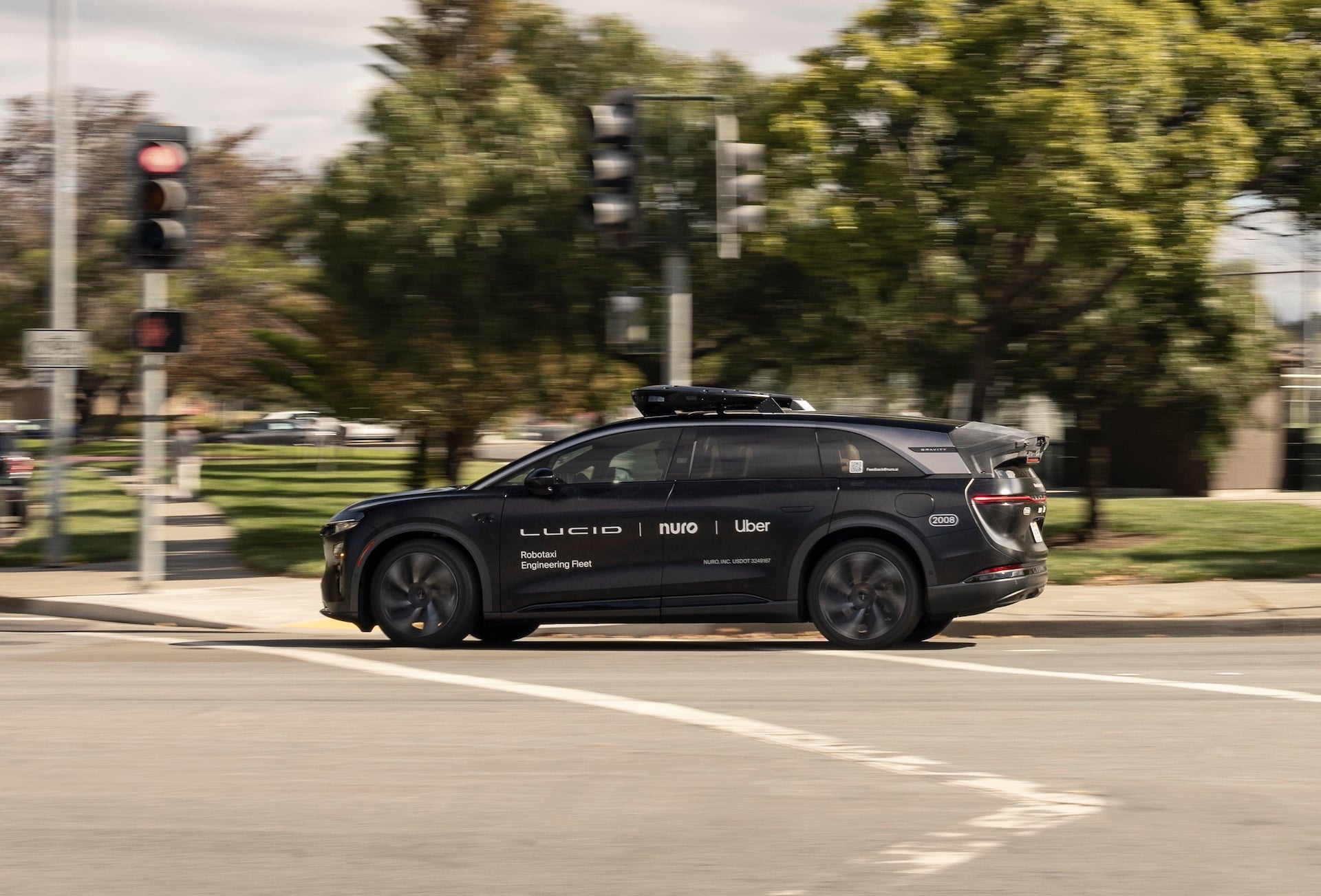
The ride-hailing giant, along with luxury EV maker Lucid and autonomous driving startup Nuro, announced Tuesday that the companies have begun testing their robotaxis without human safety drivers on public roads in the San Francisco Bay Area.
The companies also say that employees will soon be able to take fully driverless rides, with a commercial launch expected in the first quarter of 2027.
Uber first announced its partnership with Lucid and Nuro last summer. Under that original agreement, the company planned to deploy a fleet of at least 20,000 Lucid Gravity SUVs equipped with Nuro’s self-driving technology over the next six years. As part of the deal, Uber said it would invest hundreds of millions of dollars into both Lucid and Nuro.
In April, the companies expanded that partnership. Uber said it would invest another $200 million in Lucid, bringing its total investment in the EV maker to $500 million. The planned fleet also grew to at least 35,000 vehicles. The company said the robotaxi service will use the Lucid Gravity, as well as future Lucid midsize vehicles with Nuro’s Level 4 autonomy platform.
Since December 2025, Nuro has been testing the Lucid Gravity robotaxis on public roads in the Bay Area and Houston with safety drivers behind the wheel. The company also put its self-driving technology to the test at its closed-course facility in Las Vegas to assess its readiness for fully driverless operations.
Now, the robotaxis are hitting the road without human drivers in Palo Alto, Mountain View, Los Altos, and Sunnyvale, with testing set to expand to more Bay Area cities next year.
“Removing the safety operator from behind the wheel is an important milestone in our partnership with Nuro and Lucid, and a testament to all three partners’ focus on executing against our shared roadmap,” Samarth Kejriwal, Uber’s global head of autonomous mobility, said in a press release. “As we prepare for our first driverless passenger rides in the coming months, we’ll be working closely together to refine our operations, infrastructure, and the in-cabin experience to ensure a safer, more comfortable ride.”
The service will initially launch in the San Francisco Bay Area, followed by Houston later in 2027. The companies ultimately plan to expand into dozens of markets around the world.
The deal with Lucid and Nuro is just one of several partnerships Uber has struck as it works to bring more robotaxis onto its platform. In March, for example, Uber announced a deal with electric truck maker Rivian to deploy up to 50,000 robotaxis.
But as Uber ramps up its robotaxi efforts, it’s increasingly finding itself competing with its own partners.
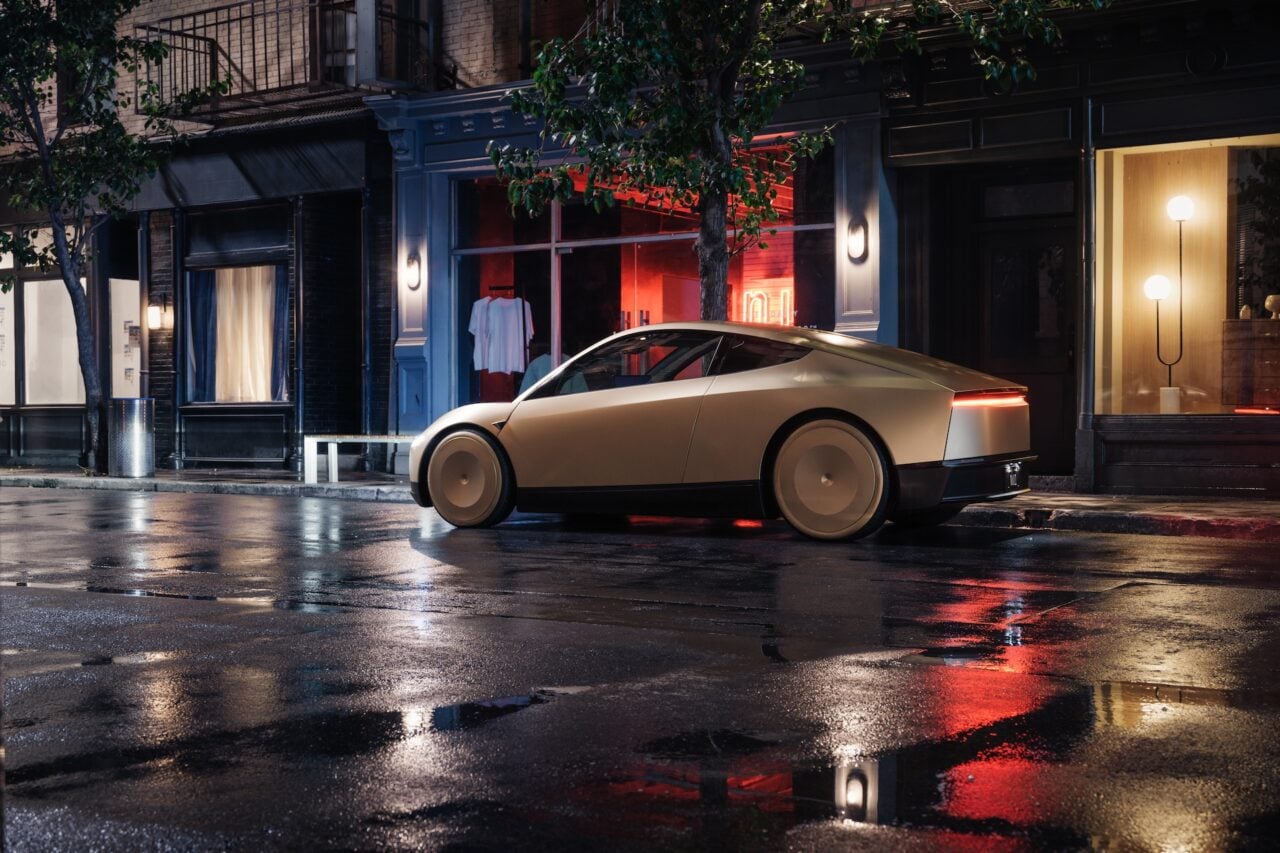
Just last week, Uber began offering rides in Amazon-owned Zoox’s robotaxis in Las Vegas. Zoox also offers rides to select passengers in San Francisco.
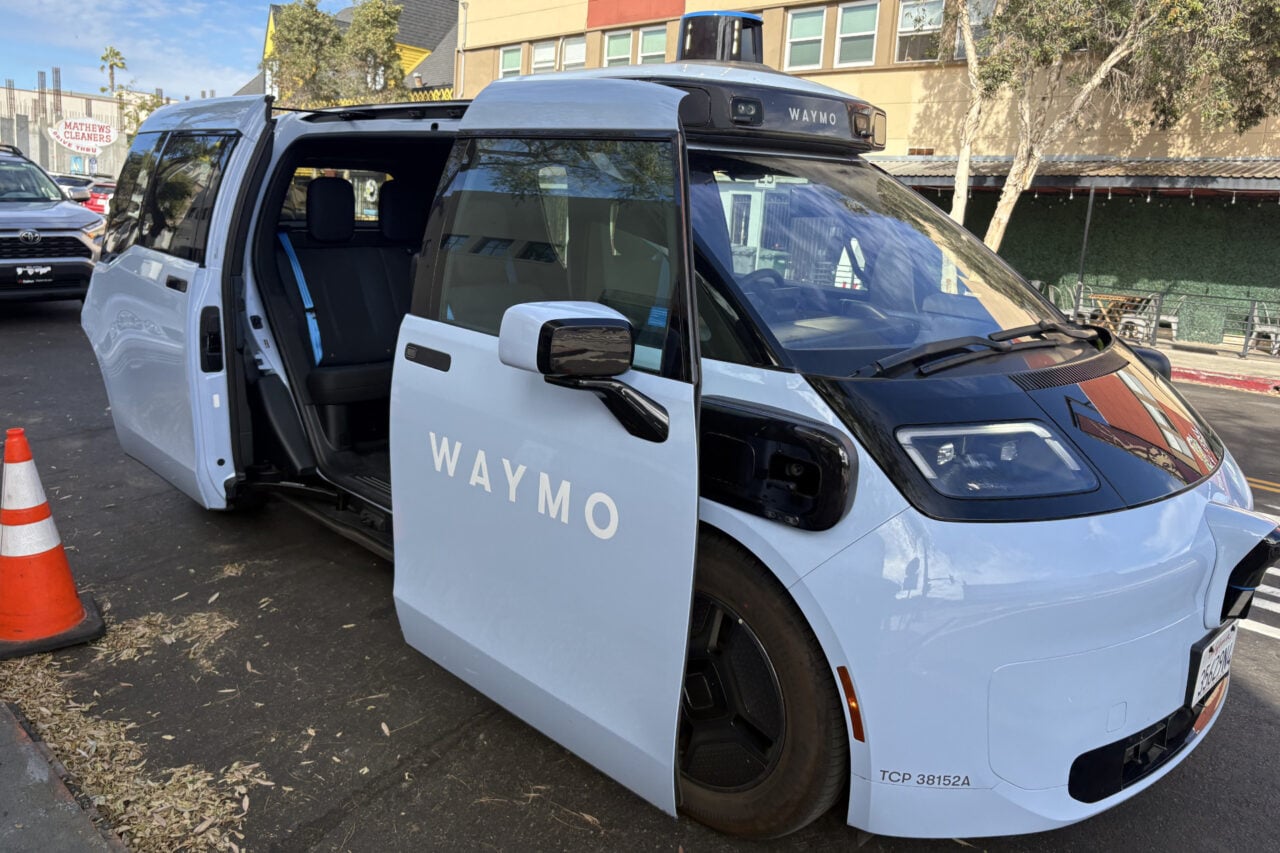
Meanwhile, Uber also offers rides in Waymo’s robotaxis in Austin and Atlanta. Alphabet’s robotaxi service is currently the industry leader, with a fleet of roughly 4,000 vehicles across more than a dozen metro areas.
But the rivalry between the two companies appears to be heating up. In July, news broke that Waymo planned to end its partnership with Uber in Austin and Atlanta. Earlier this month, Waymo confirmed that it plans to start offering rides through its own app in both cities in January 2028.