Sriracha Shortage
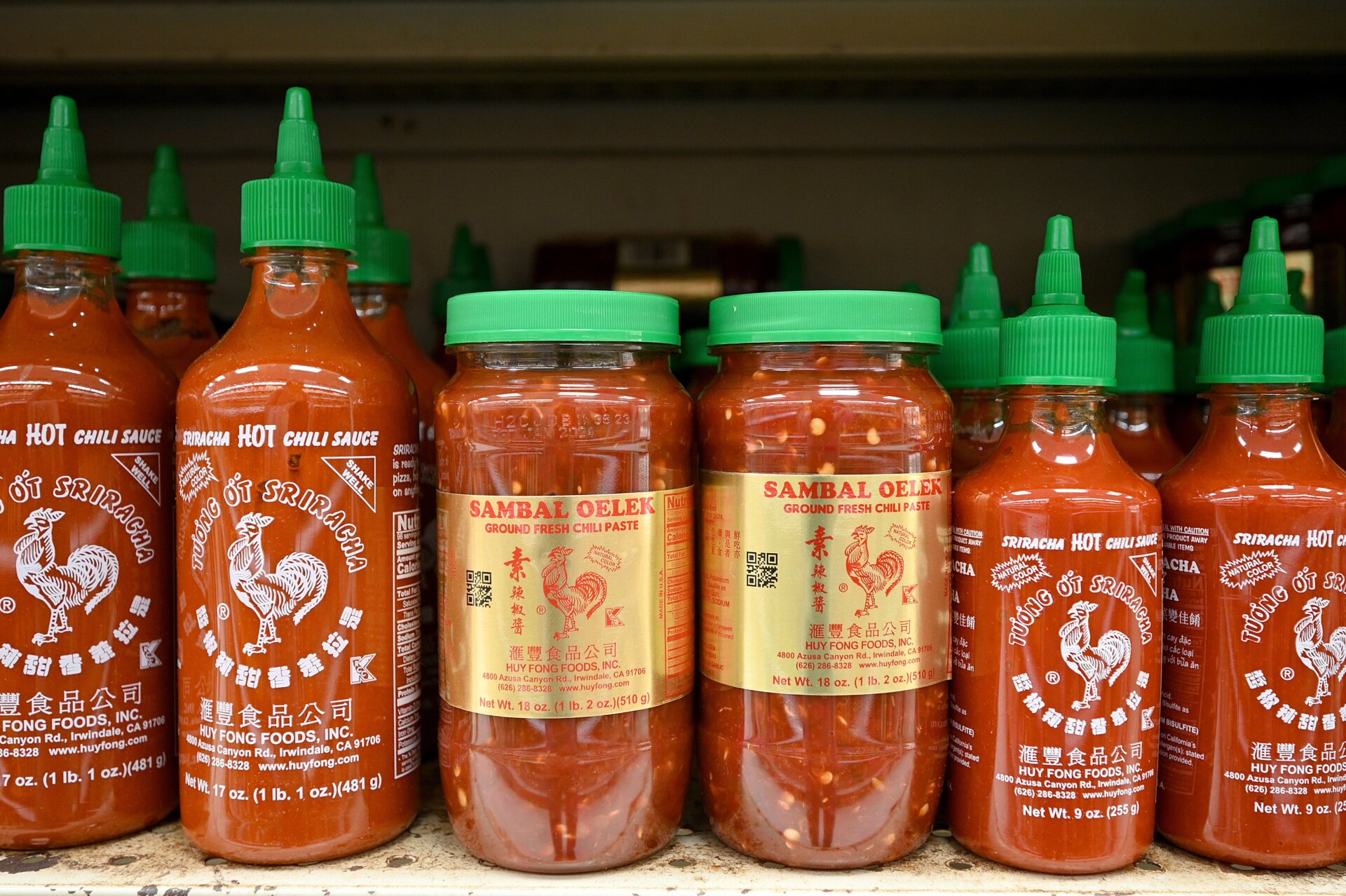
While sriracha is widely regarded as a gift direct from the gods, it’s actually made from plants—plants that are failing amid so little water.
Production of the wildly popular spicy condiment is on hold because of a lack of red jalapeño chili peppers, its main ingredient. In April, Huy Fong Foods sent out an email announcing a pause on new orders until after September.
“Currently, due to weather conditions affecting the quality of chili peppers, we now face a more severe shortage of chili. Unfortunately, this is out of our control and without this essential ingredient we are unable to produce any of our products,” wrote the company.
Drought and climate change are largely to blame for the pepper shortage, reports NPR. (Although, Huy Fong also set itself up for a higher risk of shortages when it narrowed its pepper sourcing in 2017.) The specific type of chili used in Sriracha only grows in the southwest U.S. and northern Mexico, which are both experiencing the same regional megadrought because national borders are irrelevant when it comes to climate.
In Mexico, the consequences of the drought have been even worse than for parts of the U.S.. The country declared a national emergency on Tuesday, and more than 1 million people are under water rationing orders. Understandably, the region’s chili pepper harvest this year was “almost nonexistent,” according to NPR. But, though quirky, that pepper problem pales in comparison with the wider, human implications of northern Mexico’s water crisis.