Everybody wants to recapture the glory days of 80s movies
these days. Everywhere you look, they’re remaking 80s classics or paying homage
to the motifs of the Reagan era. But there’s still something about the 80s that
remains unique and special. Here are 10 things movies were good at in the 80s
that they struggle at today.
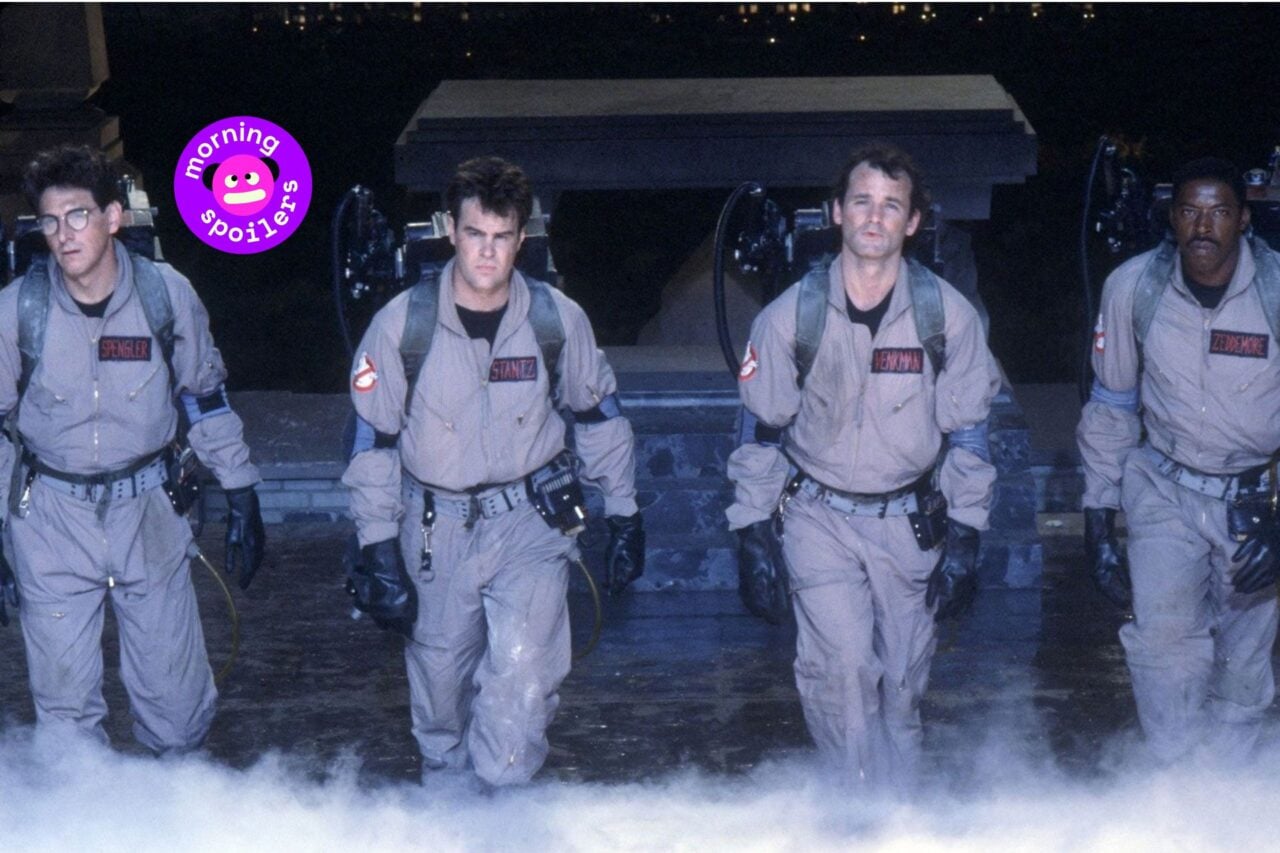
All images from Ghostbusters.
1) Practical Effects
This one is sort of obvious, but worth mentioning. The 80s
had fantastic creature effects, from the body horror of Cronenberg to the slimy
creatures of countless action movies. And sometimes CG creatures are great —
but they often lack the tactile weirdness of creatures made out of silicone and
KY jelly and spit and wire. We miss practical effects, especially creature
effects.
2) Taking Time to
Establish Characters
This is a double-edged sword — movies in the 80s had a much
slower pace, and now when you watch an old-school classic you can’t help
noticing how deliberate the build-up is. You probably couldn’t get away with
that nowadays, given how much faster things move on television and games, and
how much shorter everybody’s attention spans are thanks to text messages and
whatnot. But something amazing happens when you spend a bit more time laying
track before the train roars away from the station: you actually bond with the
characters and care what happens to them.
3) A Sense of Cameraderie
And beyond just taking time to build up the characters,
there’s the sense of real friendship and companionship that you get from a lot
of 80s films. The best 80s adventure movies, from Goonies to the Star Trek films,
leave you with a feeling that you’re watching a group of friends doing stuff
together without having to hate each other or have fake conflict.
4) Kids who feel like
real kids
In the same vein as showing real cameraderie, 80s movies
showed children, and childhood friendships, in a believable and relatable way. There
are some fantastic child actors working today — but you don’t see as many
movies really capturing the darkness and insecurity that mark a lot of our
childhoods. These days, little kids feel like baggage or hostages — but kids
in 80s movies were less perfect and more real. Another thing that 80s movies
did really well with kids was to show their families being involved in their
lives — even if the movie isn’t about the family, it spends a lot of time
dealing with how the protagonist relates to his or her parents and siblings,
just as much as their friends or love interests.
5) More Class Consciousness
80s movies had a gritty realness that didn’t just come from
having people talk tough in a gravelly voice — but also came from an awareness
of social class. This is one thing that makes Blade Runner stand out today — but also lots of teen movies
feature someone from the “wrong side of the tracks,” and that affects
everything they do. And movies like E.T. weren’t
afraid to show dirty kitchens and messy bedrooms and kids calling each other
“penis breath.” In general, there was a sense of realness in the best
80s movies, even beyond acknowledging social class:Poltergeist
showed a couple hanging out and smoking weed instead of having torrid
perfect movie sex. Now when you see someone’s home in a movie, it looks
pristine, and people have perfect sexy sex.
6) Keeping it Small
Shorter is better. No need for three-hour epics! In spite of
the thing we mentioned earlier about taking time to establish characters, it’s
also great that many 80s movies manage to tell a great story in 90 minutes,
including credits, and then release you to go to the restroom. And not every
movie needs to have a massive scope, either. You don’t need to see entire cities destroyed
on screen to get across the point that bad shit is happening. And all the
disaster porn footage in the world won’t make up for a crappy story or crappy
characters.
7) Awesome theme
songs
Kenny Loggins is still out there and ready to go back to
work. But seriously, the 80s just had awesome theme songs, with actual lyrics
and a rockin guitar sound. The Ghostbusters
theme is still stuck in our heads. Somewhere between the first Men in Black in 1997 and the most recent
one a couple years ago, people just stopped having movie theme songs,
especially ones where the title of the movie is sung or rapped. The James Bond
films still carry the torch, but it’s time for other movies to pick it up too.
8) Non-Ironic Scares
Outside of horror movies, you just don’t see enough intense
scares nowadays — and when you do see scary monsters and spine-tingling
suspense, it’s always tempered by irony and winking. Enough. Let’s get back to intense
crazy monster action and big scares of the old days. Also, in the 80s they knew
that movies for kids could be scary and intense, like ET, or even Goonies.
9) More Daring Satire
Outside of a handful of comedians, you’re just not seeing
much satire nowadays — especially over-the-top political satire in non-comedy
films. Movies from Robocop to Aliens featured pretty harsh satire on
corporate culture in the 80s, and we’ve drifted away from that in our desire to
be taken seriously. Plus the 80s were just bursting with absurd slapsticky
satirical comedies, from Spaceballs to
Top Secret, says David Sirota, author
of Back
to Our Future: How the 1980s Explain the World We Live in Now—Our Culture, Our
Politics, Our Everything. Also, Sirota misses the hyphenated-comedy films of the 80s, from
“adventure-comedy” films like Ghostbusters and Back to the
Future, to “mystery-comedy” films like Clue.
10) Better Villains
and Monsters
Barring the occasional great baddie like Heath Ledger’s
Joker, we’re still in our ongoing villain recession.
Especially at the movies. Villains are either purely out for revenge on the
hero, or have ultra-vague goals — but either way, they get a few moments of
ranting and then the mass destruction begins. Where are the great baddies like
Thulsa Doom or Rene Belloq? Villains with charisma, with plans and goals of
their own, and possibly a cool mountain lair. Seriously.
Additional reporting
by Meredith Woerner, Esther Inglis-Arkell, Robert T. Gonzalez, George Dvorsky,
Annalee Newitz, Katharine Trendacosta and Rob Bricken. Thanks to David Sirota,
Cheryl Eddy and Ben Richardson for the help.