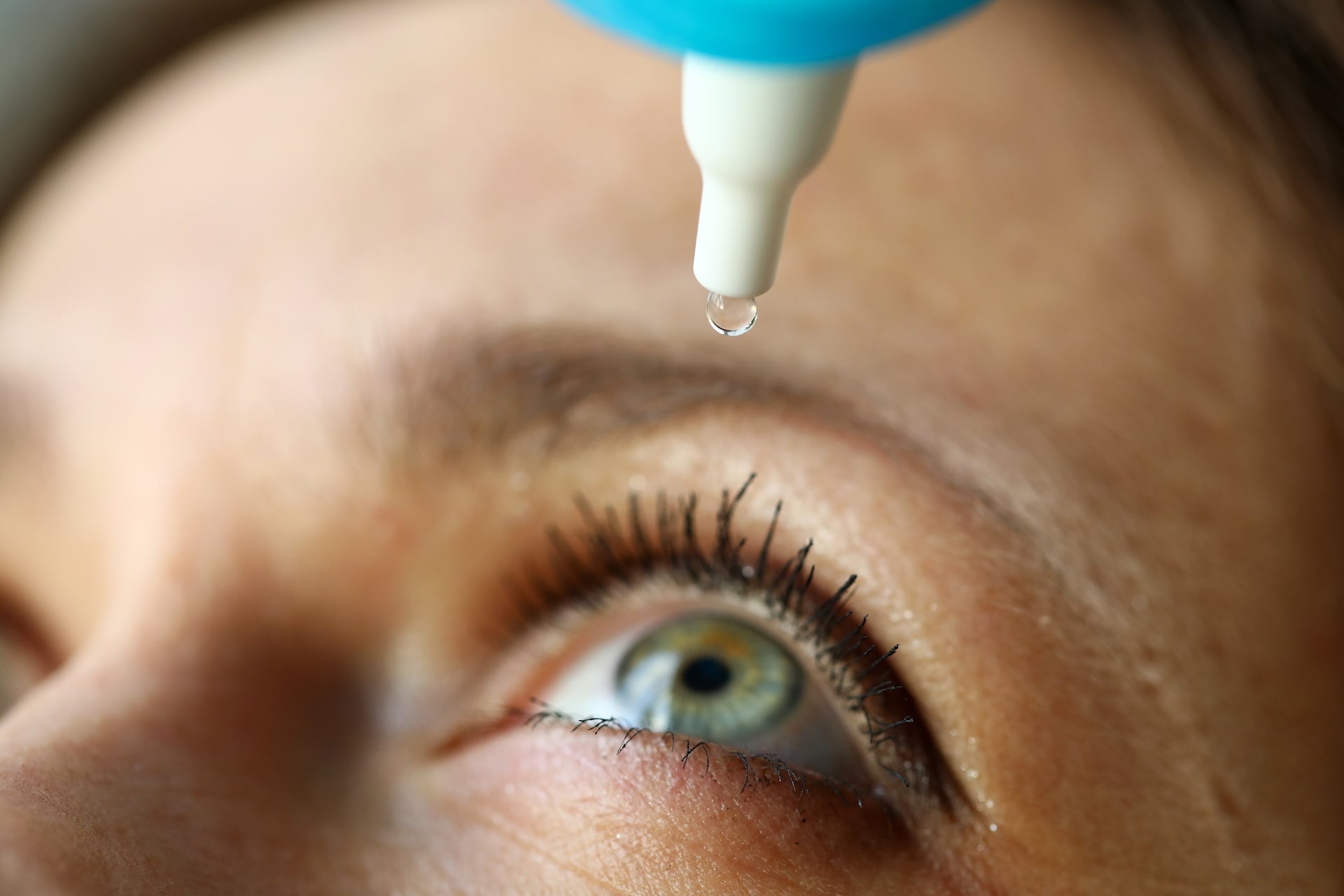
Lupin Pharmaceuticals has recalled over 2.5 million bottles of eye drops in the U.S. over the presence of a foreign substance, according to a recall notice posted to the website of the U.S. Food and Drug Administration.
The prednisolone acetate eye drops were manufactured in India and come in 5 mL, 10 mL, and 15 mL bottles. The bottles have expiration dates ranging from July 31, 2026, to March 31, 2028, according to the FDA’s website.
The eye drops are used to treat eye irritation, redness, and swelling, as well as eye infections. People commonly use prednisolone eye drops for allergies. It’s unclear what “foreign substance” may have contaminated the eye drops and how the substance was discovered.
It’s also unclear whether there have been any reports of injuries. Lupin Pharmaceuticals didn’t immediately respond to questions emailed on Thursday.
The recall was initiated in early June but was recently given a Class II recall status, defined by the FDA as “a situation in which use of or exposure to a violative product may cause temporary or medically reversible adverse health consequences or where the probability of serious adverse health consequences is remote.”
Lupin Pharmaceuticals voluntarily recalled some lots of the blood pressure medication Quinapril in 2022 after chemical impurities were discovered.
Earlier this year, over 3 million bottles of eye drops were recalled over concerns about sterility. The eye drops were manufactured by K.C. Pharmaceuticals in Pomona, California, and sold under a variety of brand names for stores like CVS, Kroger, and Walgreens.
In 2023, thousands of eye drops were recalled by Pharmedica USA over concerns that their eye drops could cause infections that might result in blindness. Tainted eye drops also killed at least 4 people in 2023 and caused over a dozen cases of vision loss, according to UC Davis Health.