Move over, OLED. Micro RGB is the new hotness for TV screen types. Samsung is coming out the gate with the first screens of its kind that are affordable enough you won’t have to sell your liver to buy one. They promise some of the best color available today—excessive, even.
If you need a refresher about this screen type, micro RGB is akin to traditional mini LED technology. Instead of using that traditional local dimming with LED lights, micro RGB relies on thousands of tiny red, green, and blue LEDs. These are supposed to enhance color blending to create a more striking picture.
Normally, it takes years before these screens become affordable. Samsung’s micro RGB TVs first made the rounds as uber-expensive and extra-limited 115-inch TVs sold for $30,000. One year later, micro RGB is back in a far more reasonable size.
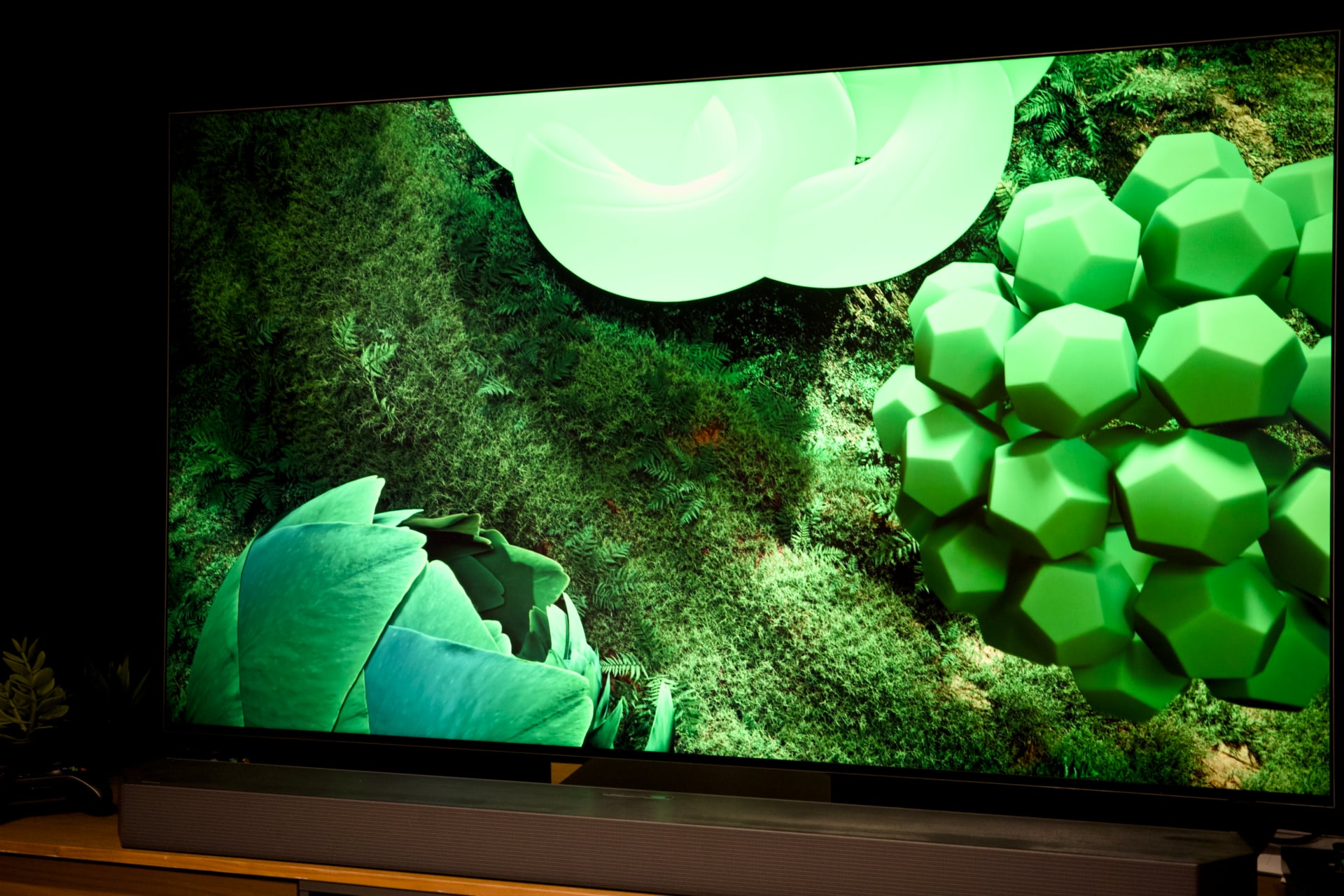
Samsung invited Gizmodo out to its headquarters in Englewood Cliffs, New Jersey, to finally sit in front of its new screen type outside of a hectic convention center. What became clear after finally getting some alone time with the TVs is that they’re built for the type of people who revel in the most excessively colorful content—almost to the point of obscenity.
When is ‘vivid’ too vivid?
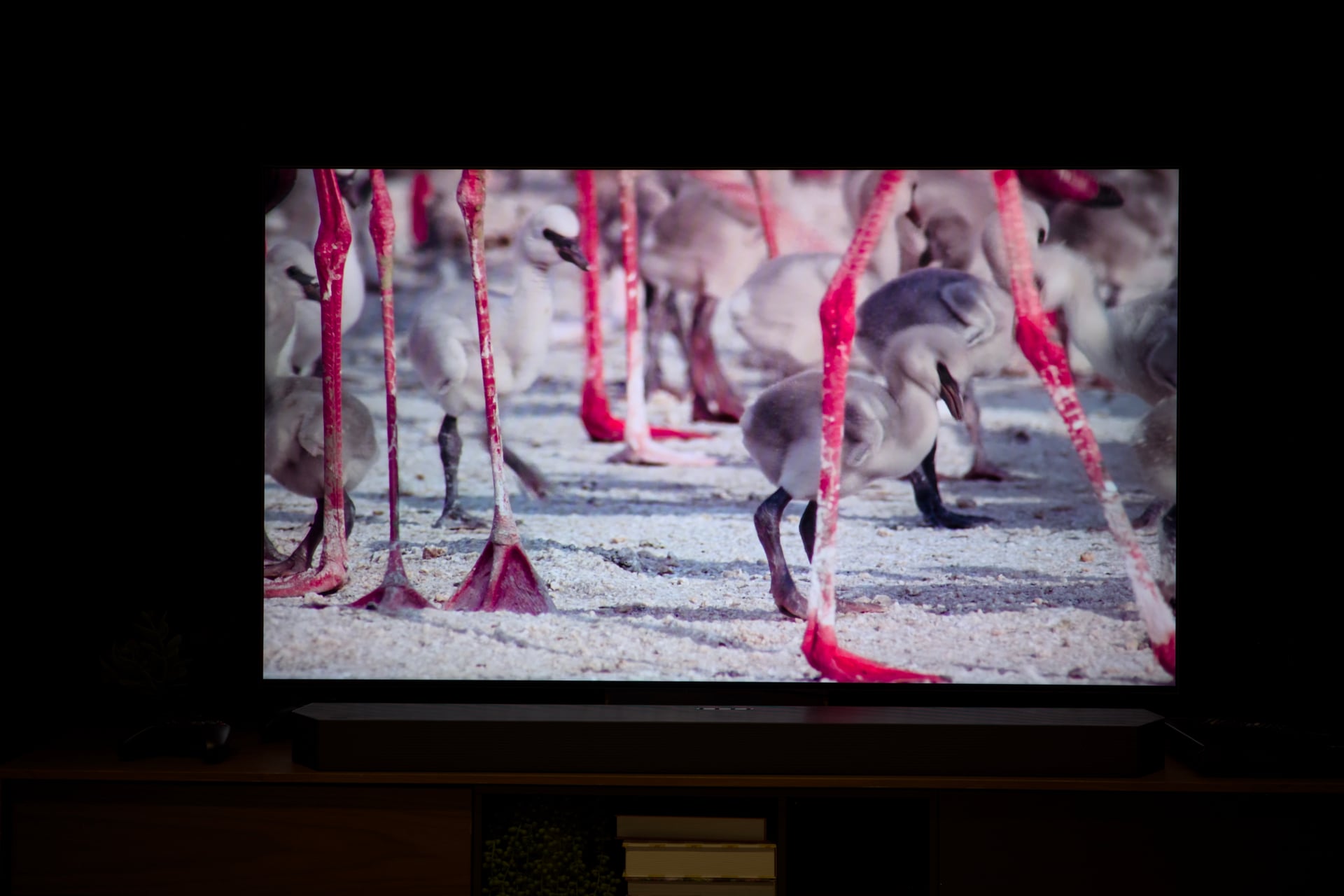
There are two versions of Samsung’s 4K micro RGBs, the R85H and the R95H. The lower-end TV starts at $1,600 and 55 inches and is limited to a 144Hz refresh rate. The R95H, which comes in at a hefty 65 inches for $3,200, goes up to 165Hz. Both support VRR, or variable refresh rate. The more expensive micro RGB TV is built around Samsung’s “Micro-RGB AI Engine Pro.” The Korean tech giant promises the higher-end TV will offer better, “pro”-level colors and HDR, or high dynamic range, for improved contrast.
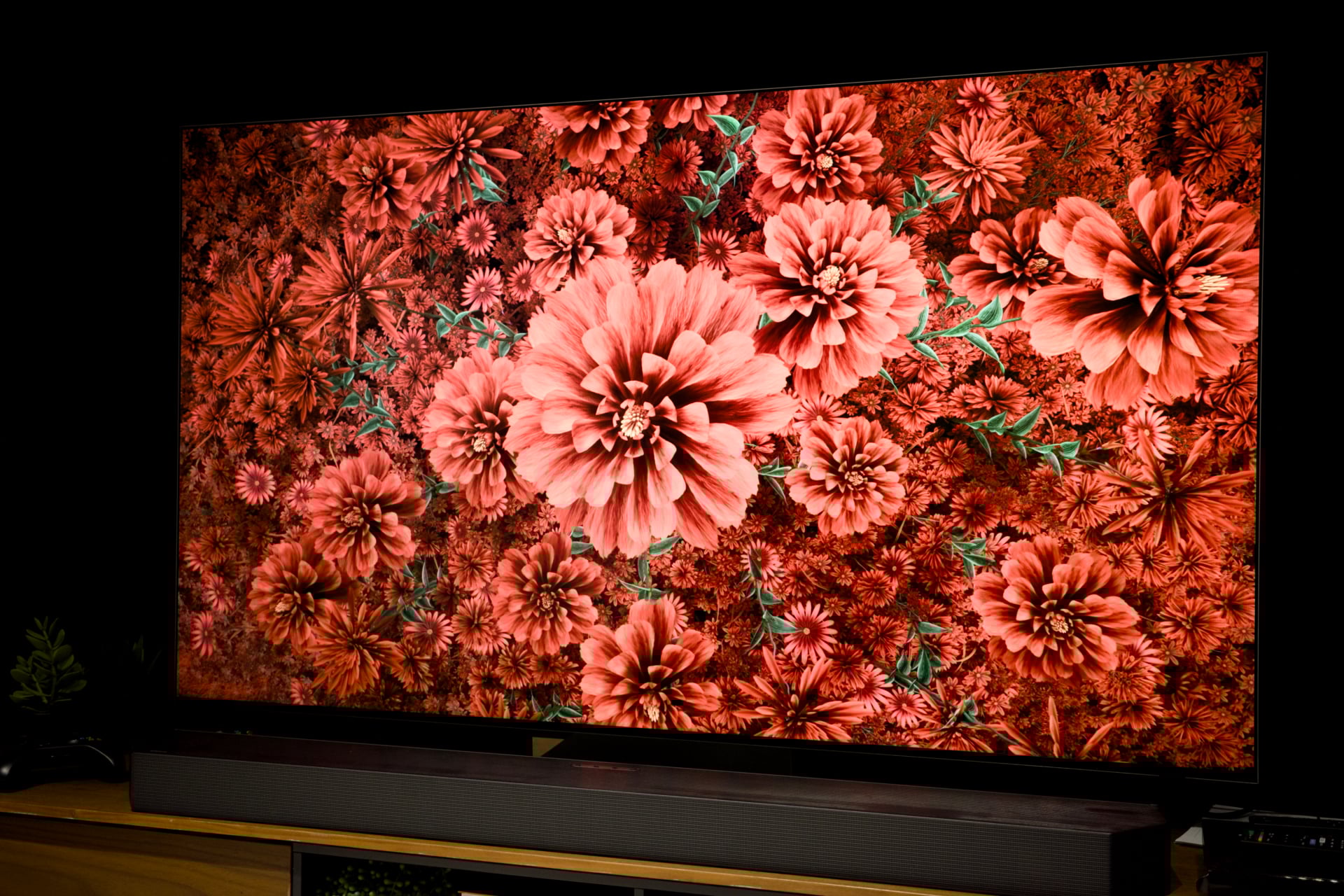
Beyond all that talk of “Pro,” the R95H had all the makings of a high-end TV with ultra-slim bezels and a wide viewing angle that only became distorted once I was practically parallel with the display. What Samsung was also adamant about was how it offered more true-to-life color than other mini LED screens. In a back room, Samsung showed the TV next to a comparable TV from an unnamed brand—likely LG. Showing scenes from a nature documentary, I saw how vivid some of those colors could get on a poison dart frog. The R95H was so vibrant, the colors almost didn’t seem real. That’s not necessarily a good thing.
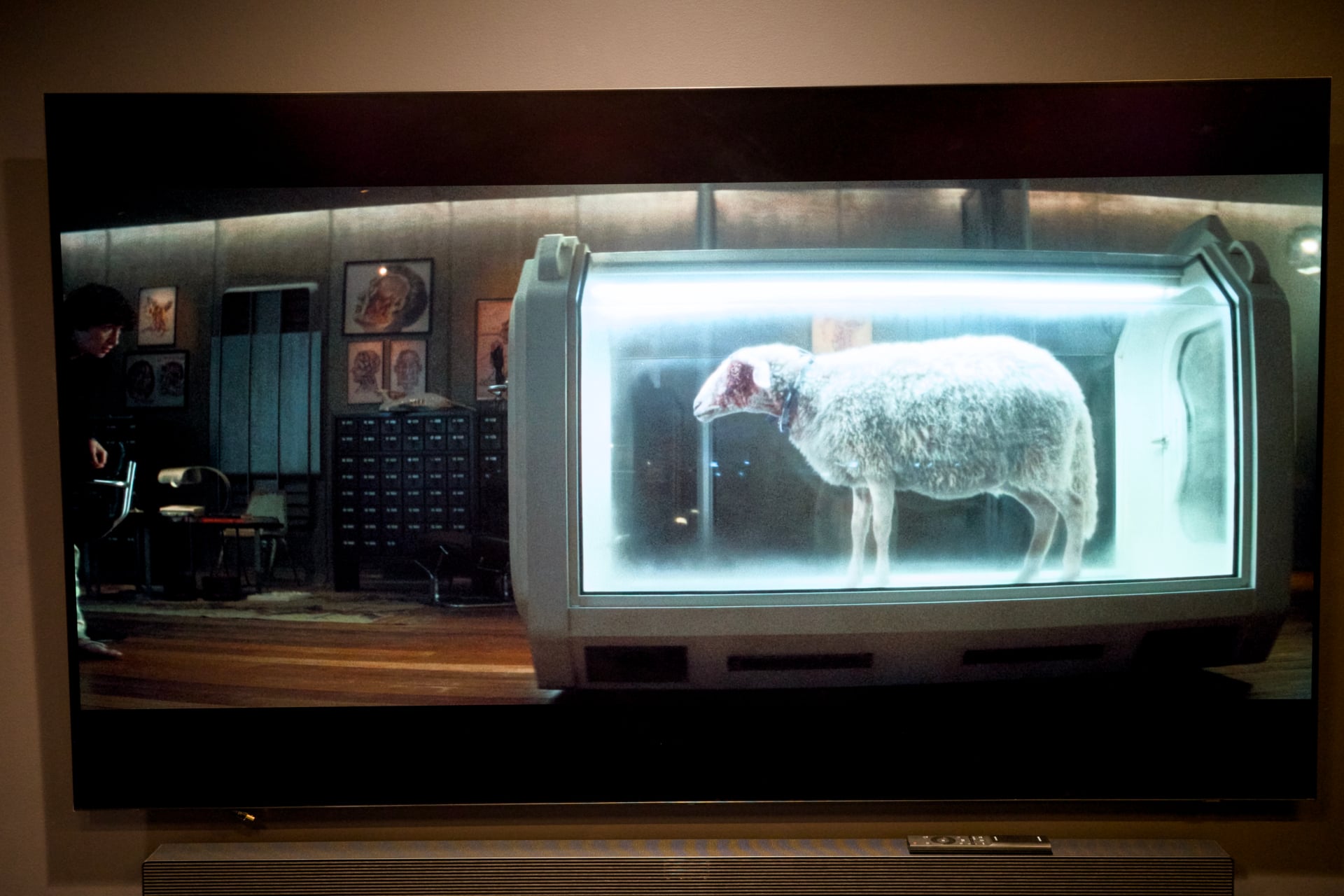
That comparison was on “Vivid” display settings. When the TV was tuned to “filmmaker mode,” which darkens the image, the colors were a bit more comparable between the two screens. Samsung promises the R95H hits the whole of the BT.2020 color gamut and is capable of accurately representing millions of colors. When Samsung displayed a special sports mode that enhanced clarity and colors on a soccer pitch, it made the grass appear like it had sprung up from a candy-coated Willy Wonka chocolate factory. It was bright, almost to the point of neon.
Not much more expensive than Samsung’s best OLED
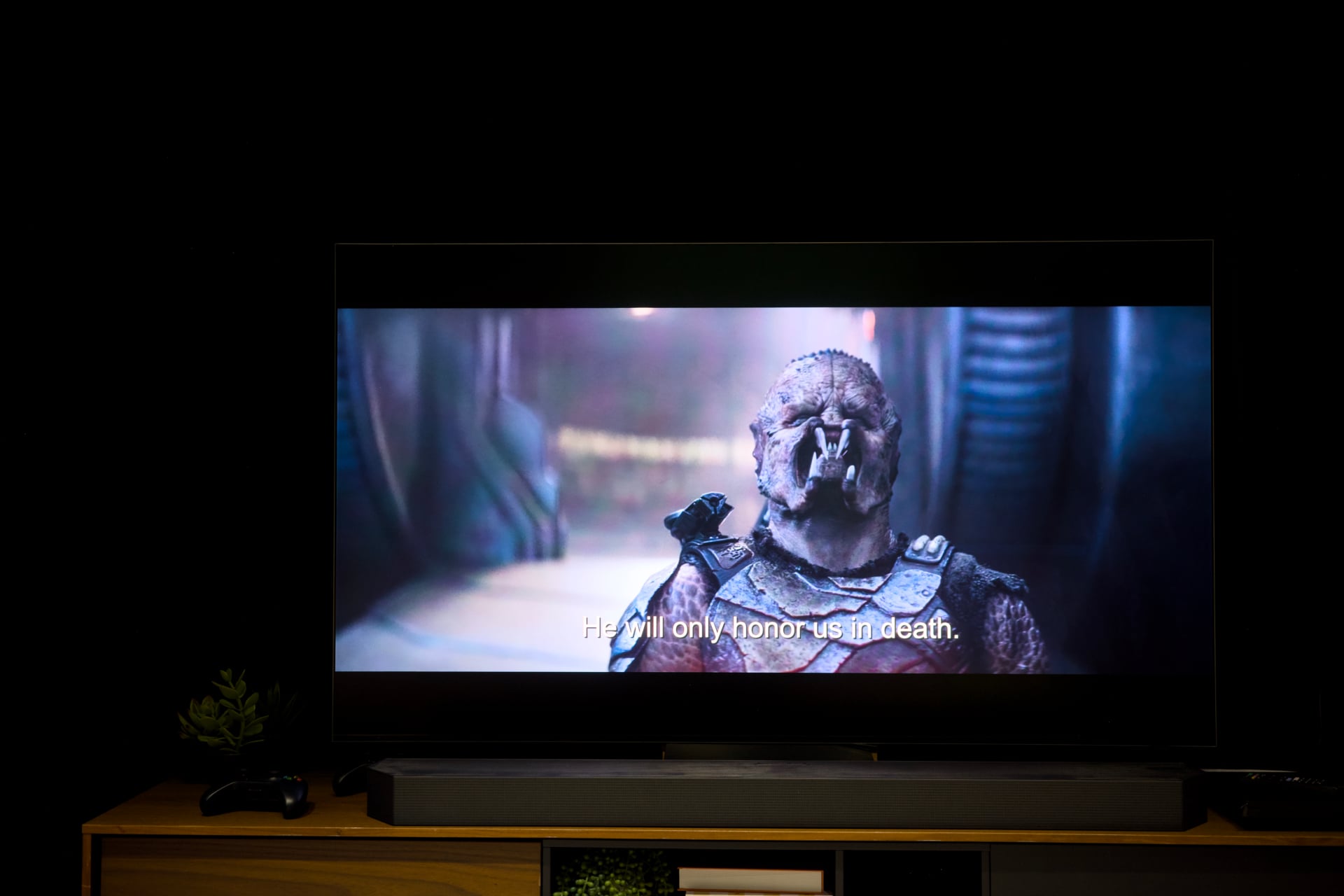
It’s likely just a factor of color grading and one that may be corrected through display settings. The colors on display may benefit some types of content more than others. I watched parts of Predator: Badlands on Samsung’s micro RGB TV and found the clarity and contrast looked fantastic in motion. Even with Vivid settings, the trees on screen didn’t seem excessively colorful. However, I still appreciated the picture quality more when flipping through some of the other display options.
From the lowest end, you can go for a 55-inch R85H for $1,600 up through 85 inches for $4,000. That’s slightly pricier than Samsung’s more consumer-friendly OLED, like its latest S85H, which starts at $1,500 for the same size. As for the R85H, your choices are between 65-inch models for $3,200 and an 85-inch TV for $6,500. You can still buy the $30,000 115-inch version if you demand the most excessive display size with the most excessive colors. A 100-inch model should hit the scene later this year.