Gaming headsets keep getting more premium these days. There’s the $600 SteelSeries Arctis Nova Elite that comes with its own gaming hub that lets you switch between different devices. There’s the $350 Sony Inzone H9 II, which sounds great and has active noise cancellation (ANC), but still costs almost as much as an Xbox Series S. There’s this headset from VZR, the Model One MKII, which costs $360—a sum that I can tell you from experience is not worth the price. And those are just the ones I can name off the top of my head.
Premium is just the way things are going in the gaming headset world right now, which is a bummer for your wallet, though there is a bright side, and it’s that some of the headsets I just mentioned sound fantastic. In that vein is the $200 Sony Inzone H6 Air, and unlike the aforementioned, it also happens to cost just a little bit less, which is a financial reprieve just about everyone needs right now.
Sony Inzone H6 Air
The H6 Air is lightweight, more affordable than the H9 II, and sounds fantastic.
Pros
- They sound great
- Mic quality is also excellent
- Lightweight and breathable
Cons
- Wired only
- Feel a little cheap at times
Lighter on your wallet and your head
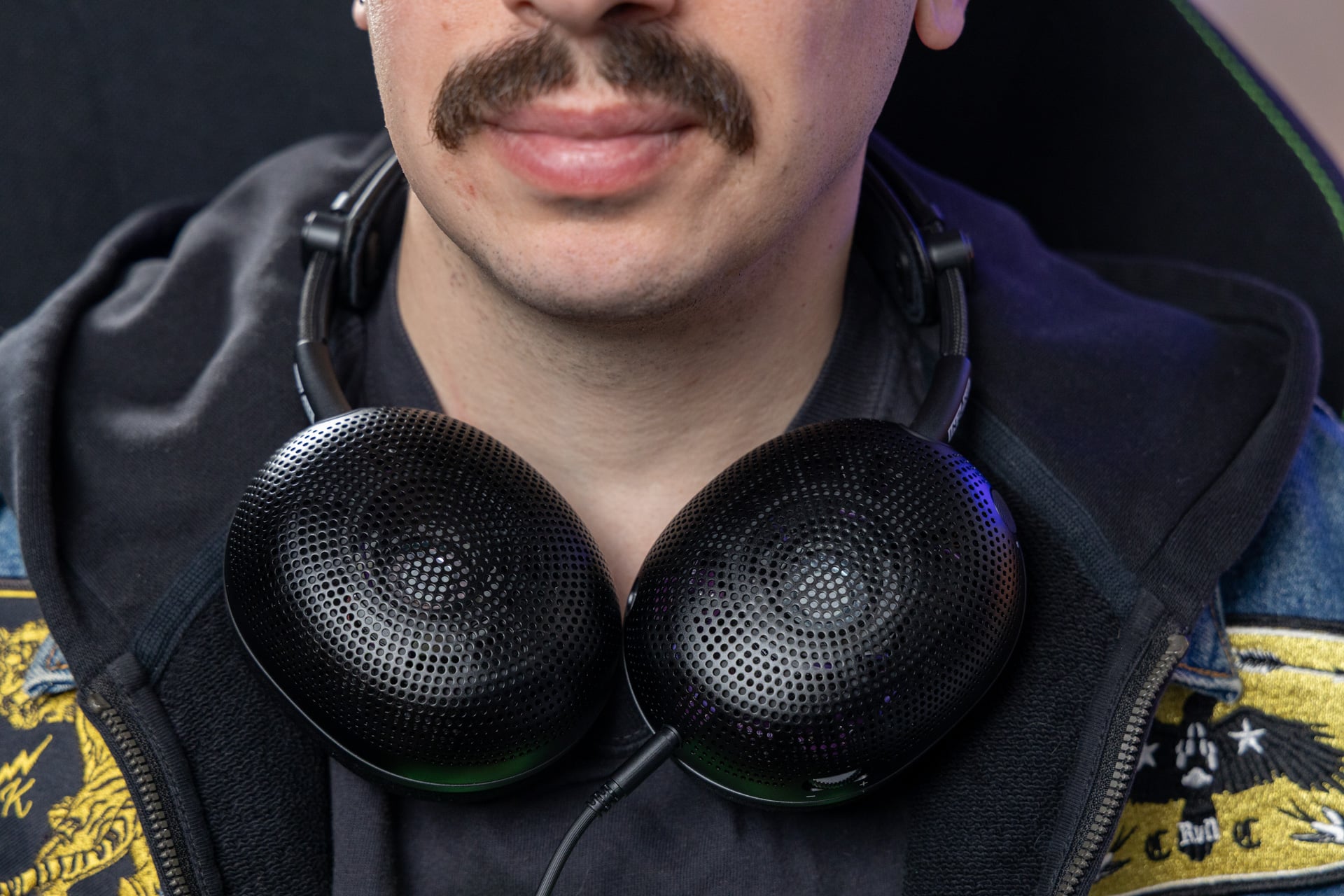
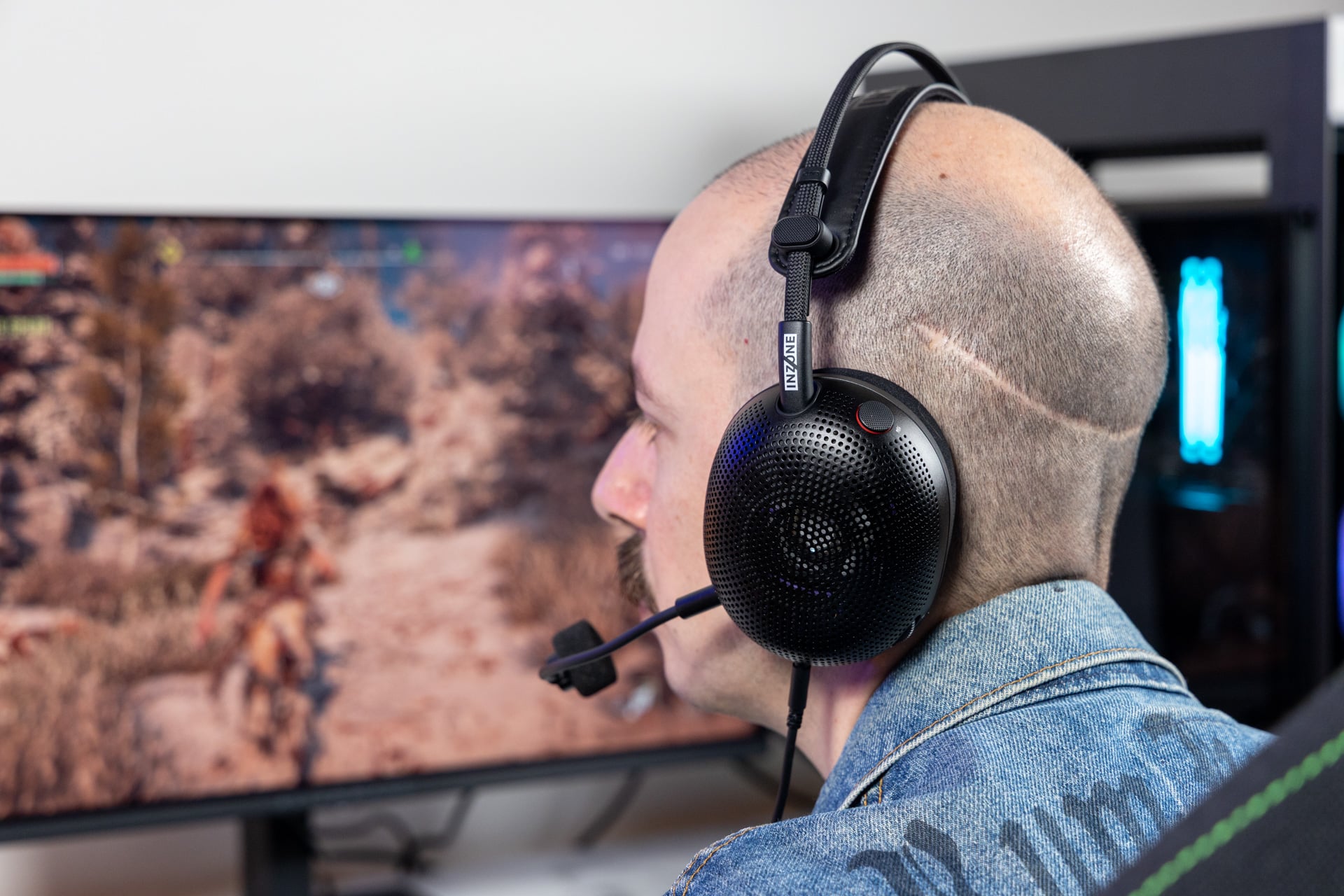
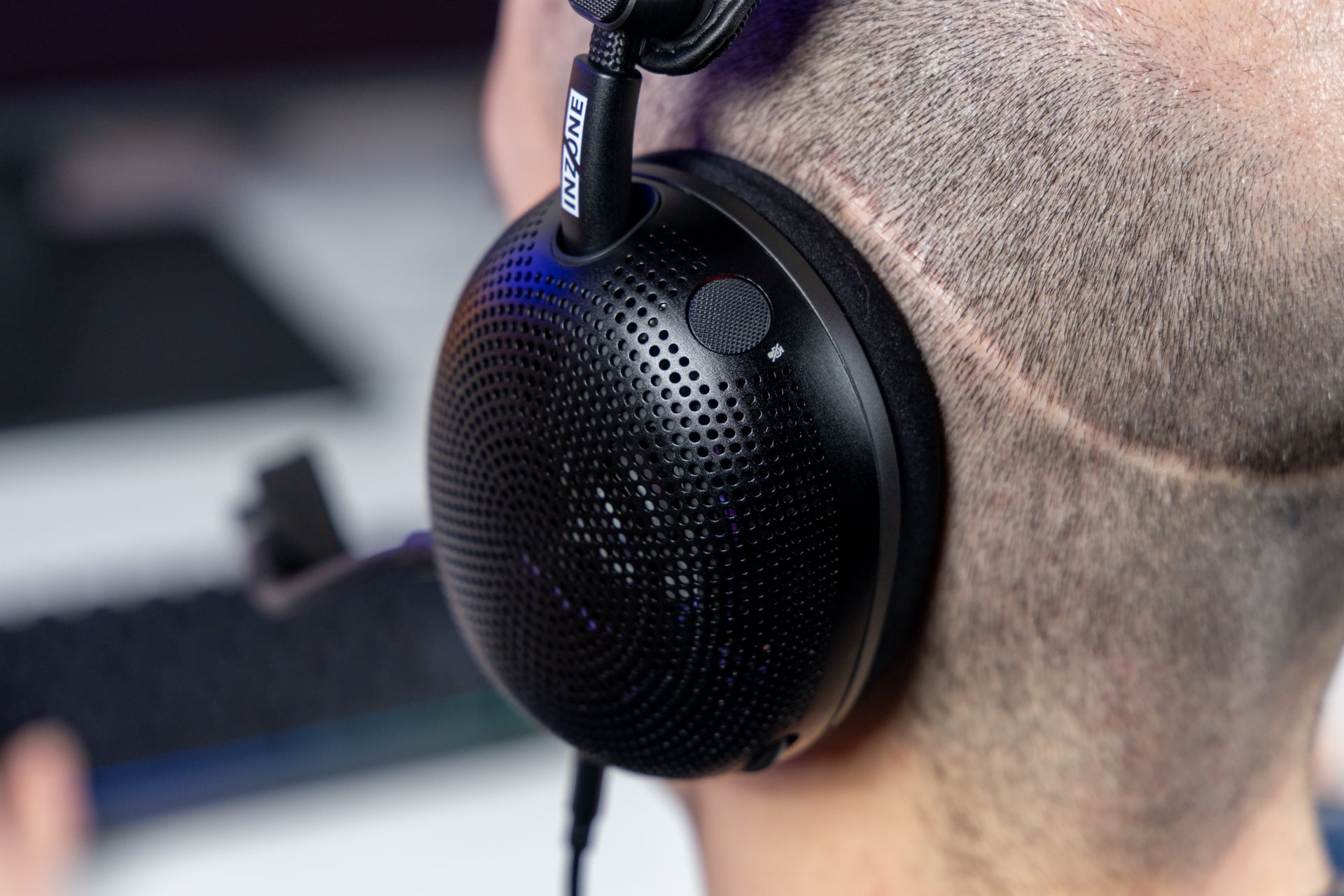
The Inzone H6 Air, Sony’s newest wired gaming headset, has a few things going for it, but the most immediately obvious is its open-back design. Unlike recently released headsets like the wireless Inzone H9 II, the H6 Air has perforated earcups that allow air to pass through. This cuts down on weight drastically, which is great for longer periods of use. I don’t find the H9 II to be particularly heavy, but it’s hard to argue with a headset that’s lighter. Without the microphone attached, the H6 Air is 199g compared to the Inzone H9 II, which is 260g mic-less.
In my experience with using the Inzone H6 Air, that translates to a headset that’s ideal for longer gaming sessions. The “Air” in the H6 Air’s name is earned since it’s easy to forget that you have it on your head. It might not be night and day compared to the Inzone H9 II, but it’s among the lightest headsets I’ve tested, and that’s not the only strength open-back designs bring to the table.
Open-back headsets aren’t just good for keeping down the weight; they’re also great for breathability and staying aware of your surroundings since they, well… let air in. Like open-ear wireless earbuds, the open design of the H6 Air definitely let you have one foot in and one foot out of your gaming audio. Sure, there are occasions where you want ANC to block out disruptive noise, but I found the ability to turn down the volume and still hear stuff to be a major perk. I could still hear my partner talk to me while we were on the couch, and I could even hear my colleagues while I tested the Inzone H6 Air in the office.
Probably the biggest perk for me, though, is that you can hear your voice better, which means talking feels more natural and isn’t muffled like it would be when you’re wearing a headset with a tighter seal over your ears.
When I didn’t want to hear anything, all I had to do was turn up the volume, and I was able to shut the world out. From a form factor perspective, the Inzone H6 Air, in my opinion, is ideal. As much as I love ANC on a pair of wireless headphones that I’m going to be wearing in the subway to block out bullsh*t, I just don’t think it matters as much in a home setting. Whether you find value in ANC from your gaming headset will depend on your specific environment, but I think for the vast majority of people, not having it on a gaming headset is worth the reduced price tag.
What makes the Inzone H6 Air feel even more worth the money, though, is how they actually sound.
Another W from Inzone
While I think the Inzone H9 II still sounds better, the Inzone H6 Air is still easily one of my favorite headsets I’ve tested yet, and it makes sense given Sony’s reputation for making high-quality non-gaming audio products. While the Inzone H9 II was based on Sony’s highly rated WH-1000XM6 headphones, the H6 Air is modeled after the MDR-MV1 open-back reference monitor headphones. I’ve not had a chance to use the MDR-MV1 myself, but if they sound anything like the H6 Air, I get why people like them.
I tested the H6 Air for a few hours, playing a mix of games, including Fortnite, Resident Evil Requiem, and Hades II, and was really happy with the balance. In Fortnite, which I played on an Xbox Series S, by wiring into an Xbox controller, gunfire sounded crisp and clear, and footfalls were nice and audible. Even without using the Inzone Hub app (you don’t get that if you’re using these on an Xbox), there was a nice sense of spatiality. I was able to hear approaching cars better than usual, and my stupid-ass emotes sounded clearer than ever. I don’t take playing Fortnite seriously enough to care whether I play well or not, but I did feel like I had more of a competitive edge while using the H6 Air.
In less competitive games like Resident Evil Requiem, the H6 Air also held it down. This time, I tested the headset out on a PC, wiring in through the included 3.5mm to USB-C dongle, and it sounded great. Environmental sounds like rainfall and thunder were immersive but not overpowering, and dialogue was clear and well-balanced. At one point, the sense of spatiality gave me an accidental jumpscare when Grace’s mom sounded like she was speaking directly into my right ear. That’s to say nothing of the actual jump scares in the game, which were both jumpier and scarier than the unexpected dialogue.
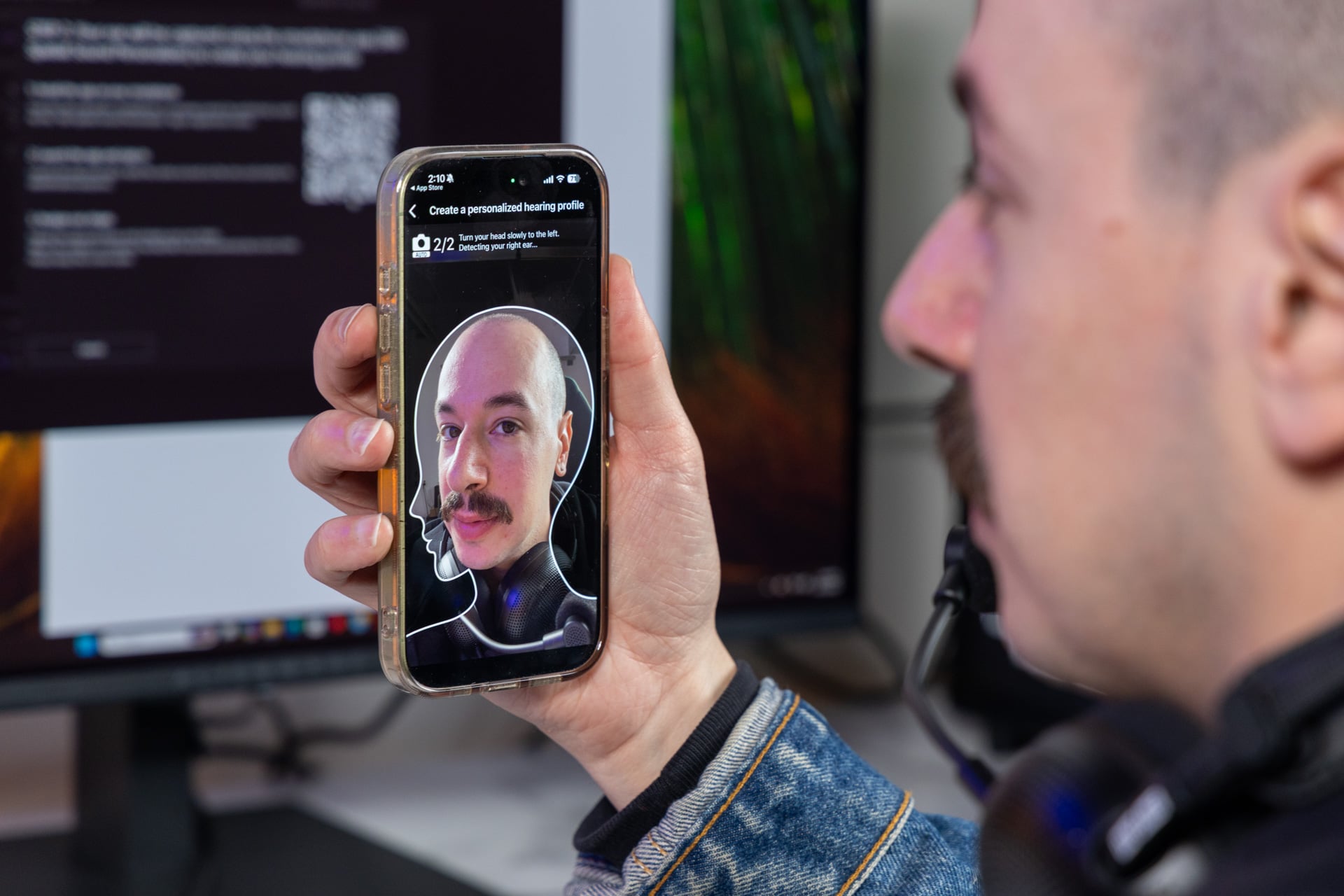
If you really want to up the audio game, you can use the Inzone Hub app (available only on PC) to activate things like spatial sound. I went through the process of personalizing my sound as well—a kind of annoyingly involved process that involves downloading an app and then taking pictures of your ears—and it was worth the extra effort. Once my sound was personalized, I definitely got a little extra out of the experience. I played the same sequence in Resident Evil Requiem back-to-back with and without spatial sound on, and everything sounded just a little more… room-y. Personalized spatial sound isn’t necessary for enjoying the Inzone H6 Air, but if you’re willing to let Sony store pictures of your ears for 30 days (yes, that’s a real thing), it’s worth it.
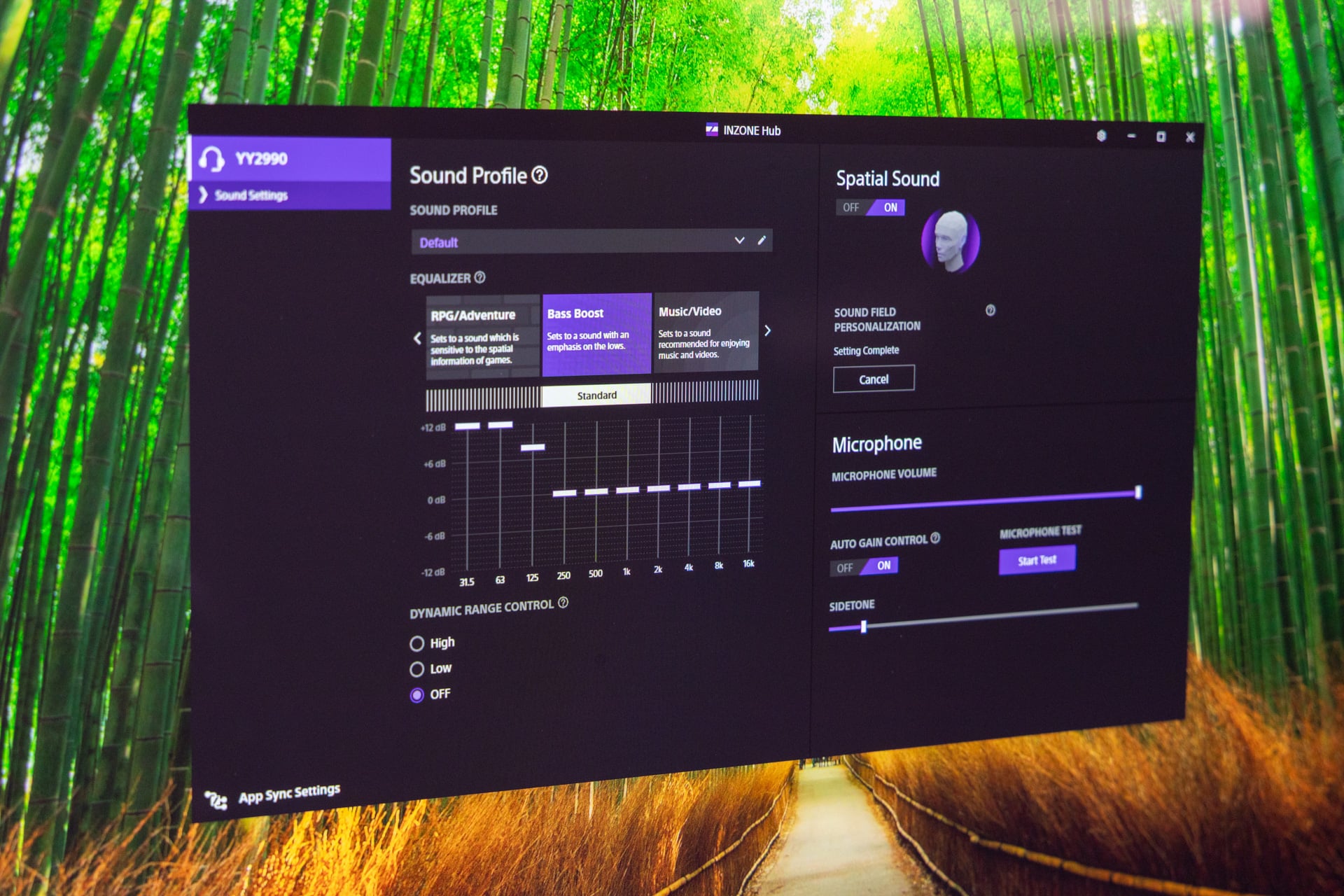
The Inzone Hub app also has some other extras, including preset EQs for first-person shooters, RPGs, bass boost, and more. I played around with the EQs a bit and didn’t notice a huge difference (the bass boost was maybe the most noticeable), but it’s worth having them regardless.
And as good as the sound is, the microphone quality is just as good. While playing Fortnite, my teammate reported that I sounded fantastic. I believe the phrase was “You sound like you’re on a podcast.” As usual, I asked them to rank my audio quality out of 10, and the rating came back perfect—a rare 10/10. If sound is your priority in a headset, either from a mic perspective or the sound in your ears, the Inzone H6 Air should absolutely be a pair you consider, though there is one downside…
Cable management
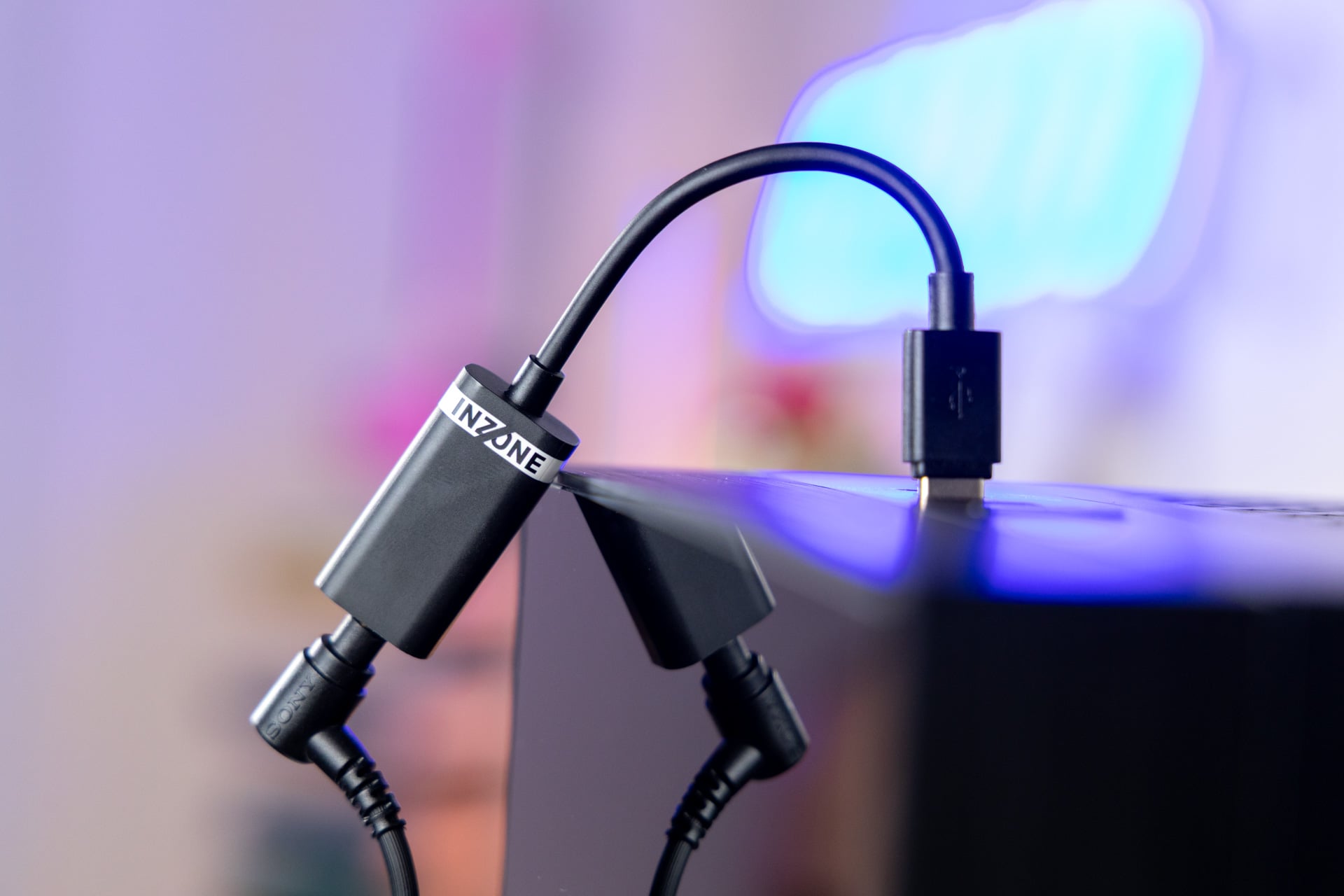
If there’s one thing that the Inzone H6 Air lacks, it’s wireless capabilities. Don’t get me wrong, wired is great for lots of reasons—there’s no latency, and it’s lossless audio if you’re plugging straight into a console or PC—but it’s not quite as convenient as a wireless headset. As far as wires go, Sony does at least include a fairly nice one in the box, though. It’s not your typical cheap plastic, and it’s also seven feet, which should be plenty for most people.
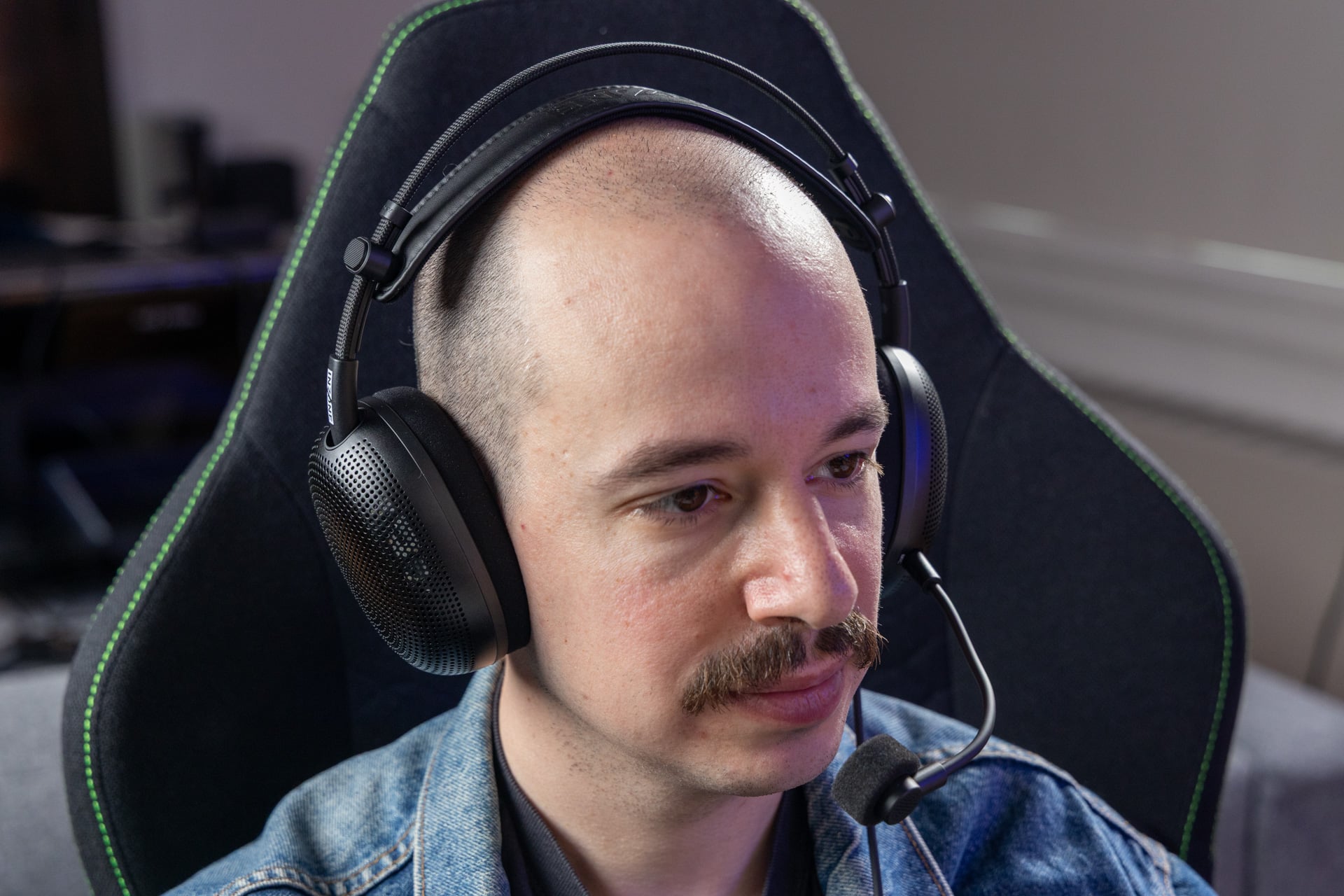
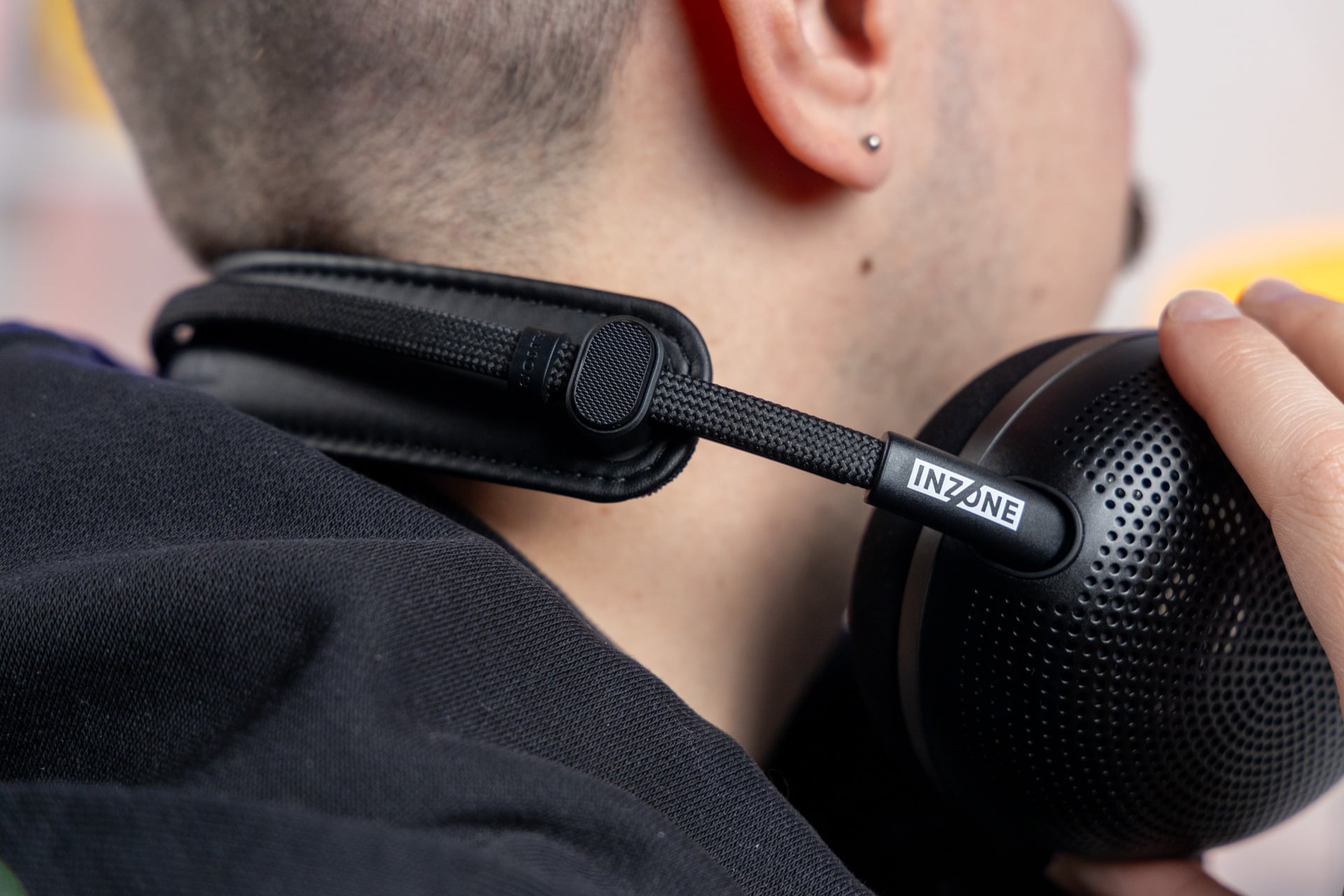
If there’s another small complaint that I have, it’s the head strap. For $200, I would expect maybe a little bit more padding or cushion, and though I don’t think the Inzone H6 Air is uncomfortable, I would have liked to see a little bit more in that department. As long as we’re talking about the head strap, I also find the adjustment a little clunky. To adjust the size, you have to press the button on either side of the head strap, which is good since when you adjust, it stays locked in, but I can’t say I’ve ever had a problem with gaming headsets suddenly getting screwed up while I’m using them. I don’t know, maybe I’m just not animated enough when I play?
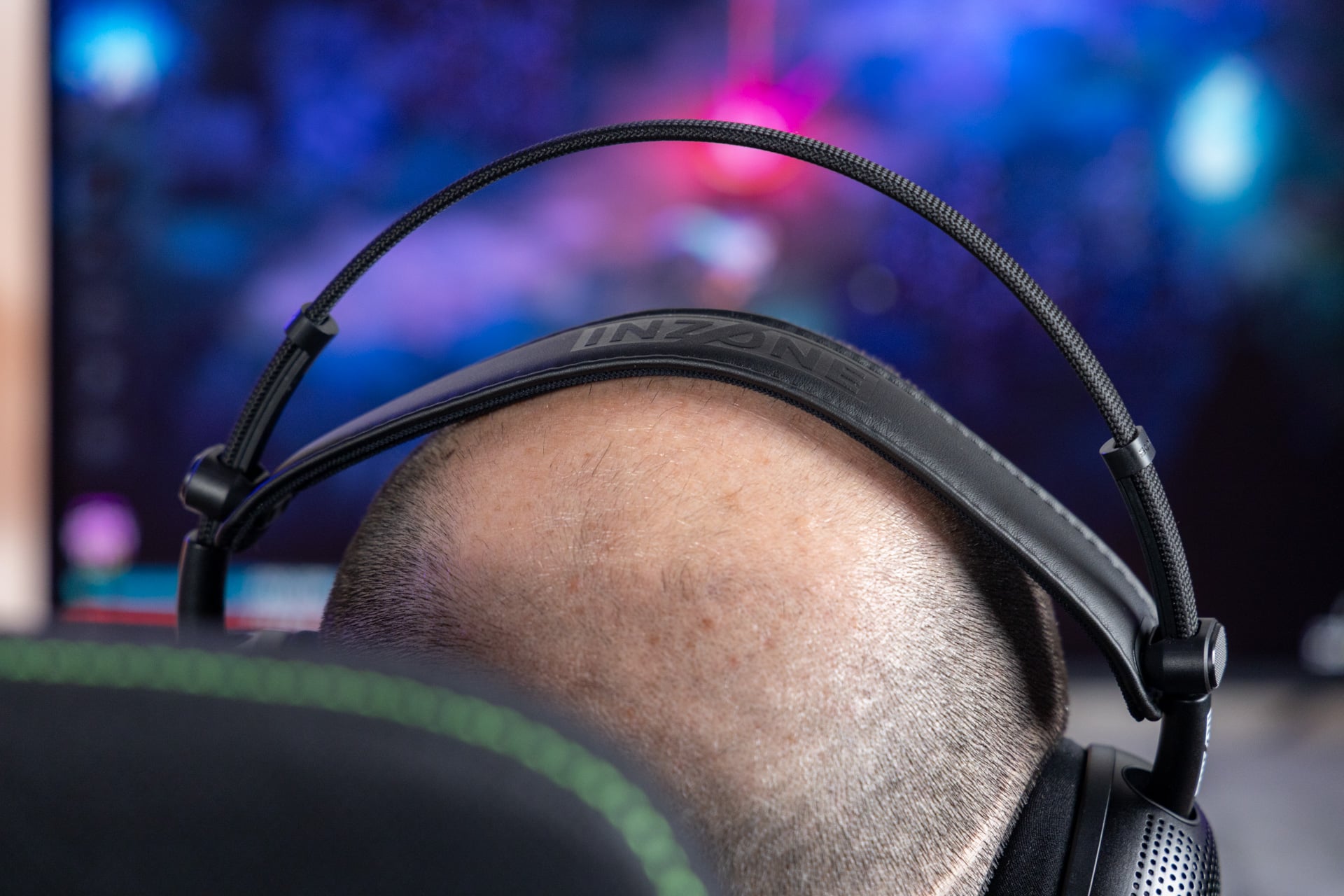
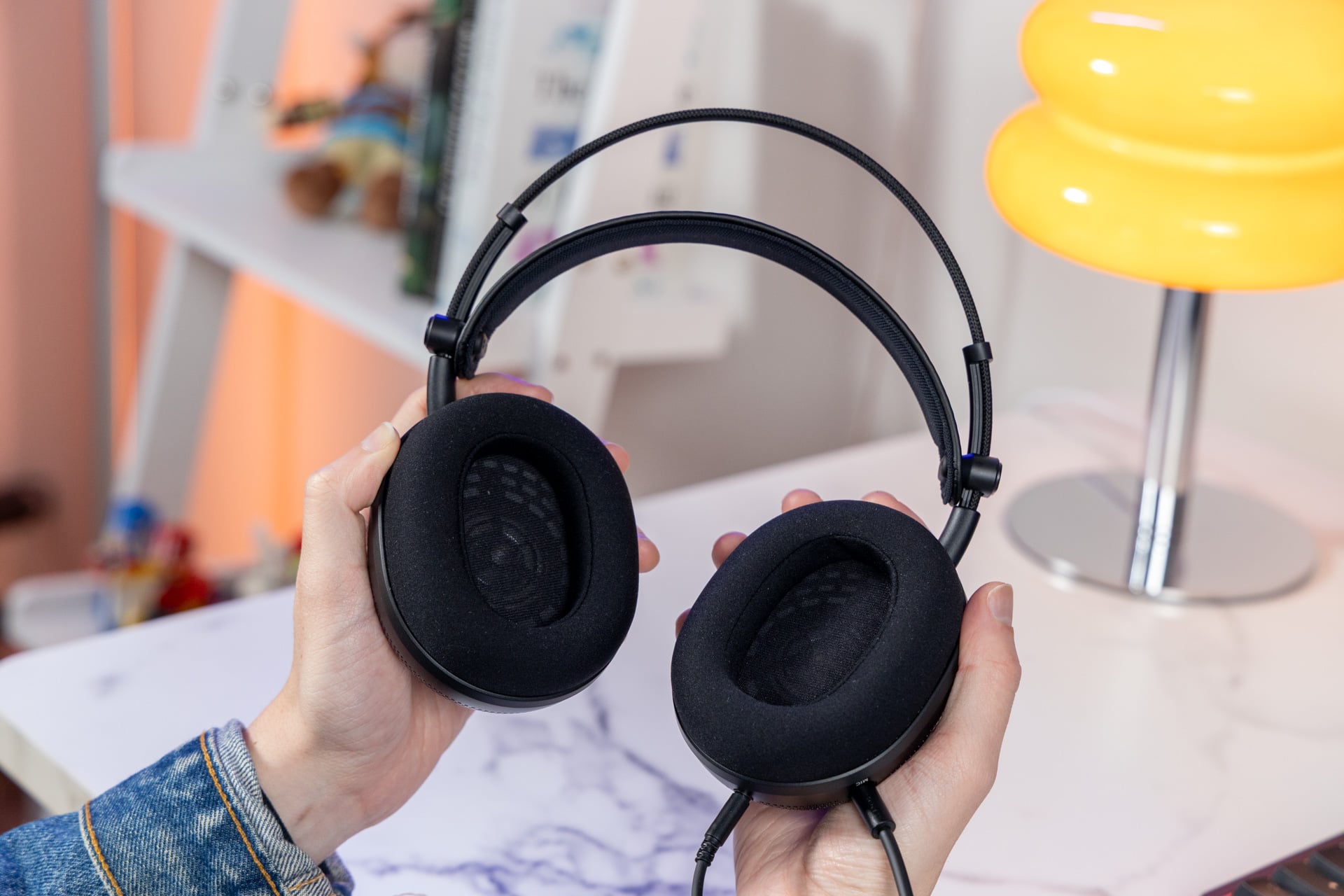
Cushions inside the earcups are also a little bit cheap-feeling, though not enough to make me itch or want to rip them off my head.
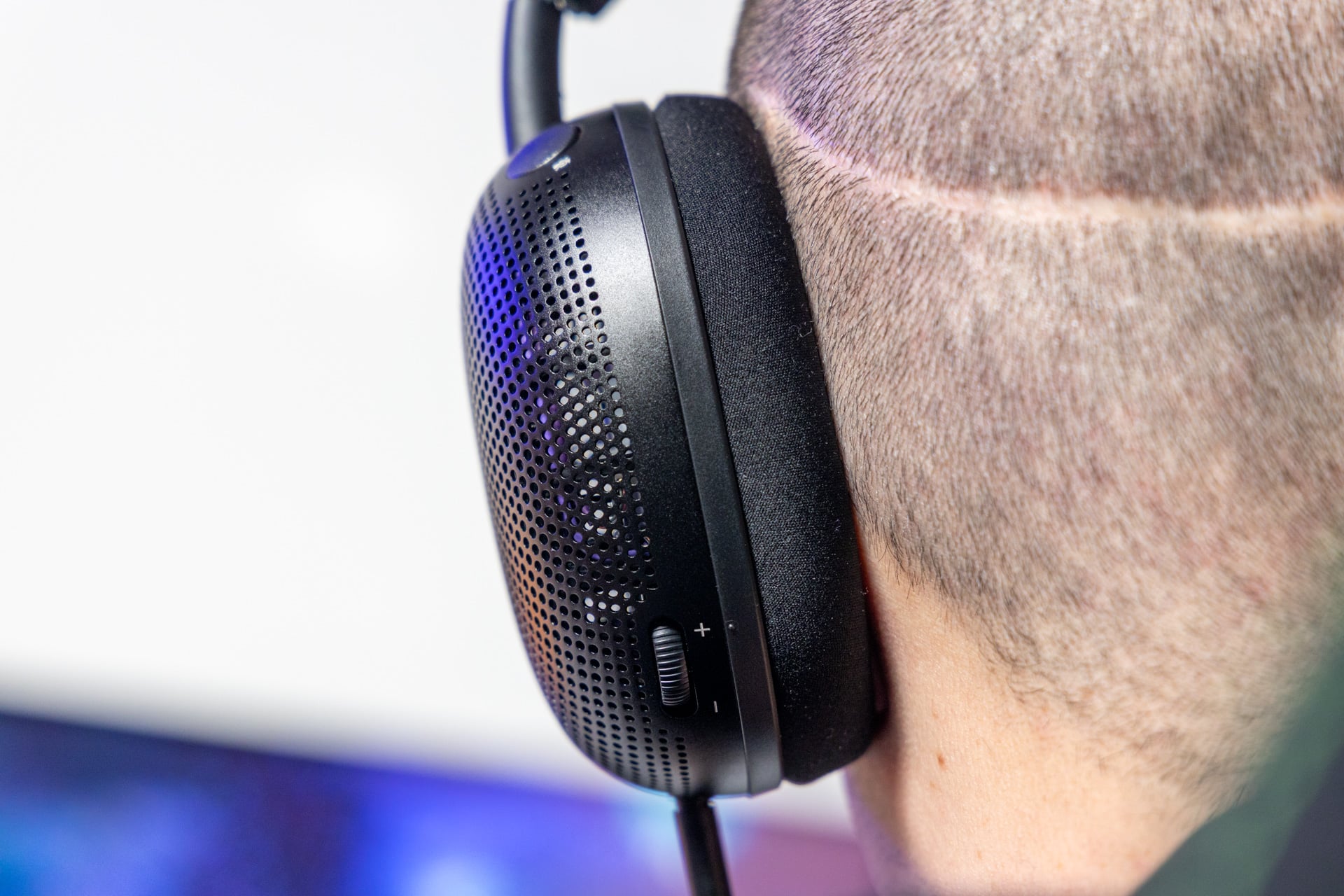
Outside of the open-back design and button-based head strap, Sony keeps things pretty simple design-wise. There’s a volume wheel and a mic mute button on the left earcup, and that’s it. If you really wanted to, I guess you could wear the Inzone H6 Air out as a regular pair of headphones; all you’d have to do is pop off the boom mic, which hooks in via a 3.5mm jack, and then it’d look mostly like any other pair aside from the gamer-y head strap.
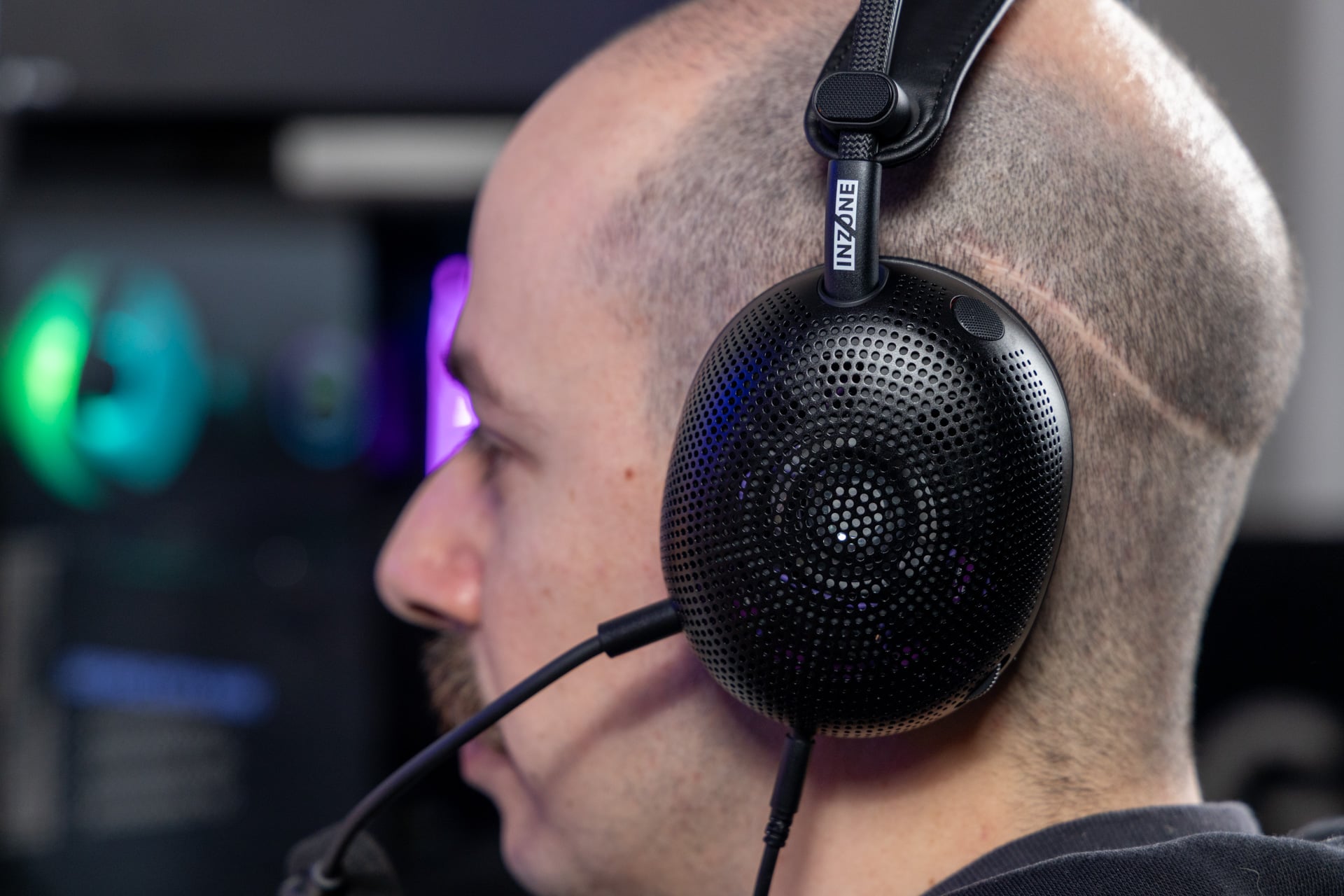
Design and build are probably the least compelling parts of the Inzone H6 Air, but that’s okay since Sony nails the important stuff like sound and mic quality.
A breath of fresh H6 Air
I can’t see any reason to dislike the Inzone H6 Air, really. They sound great, they’re reasonably priced in the scheme of ridiculously expensive headsets, and the mic quality is excellent. Sure, they’re wired-only and maybe not the most plush of any gaming headset I’ve used, but the open-back design has lots of benefits that outweigh those gripes.
If you’re in the market for a gaming headset with ANC, this is obviously not for you, but if you like the idea of breathability and being able to hear your surroundings when you game, then I’d say the Inzone H6 Air is likely to be money well spent.