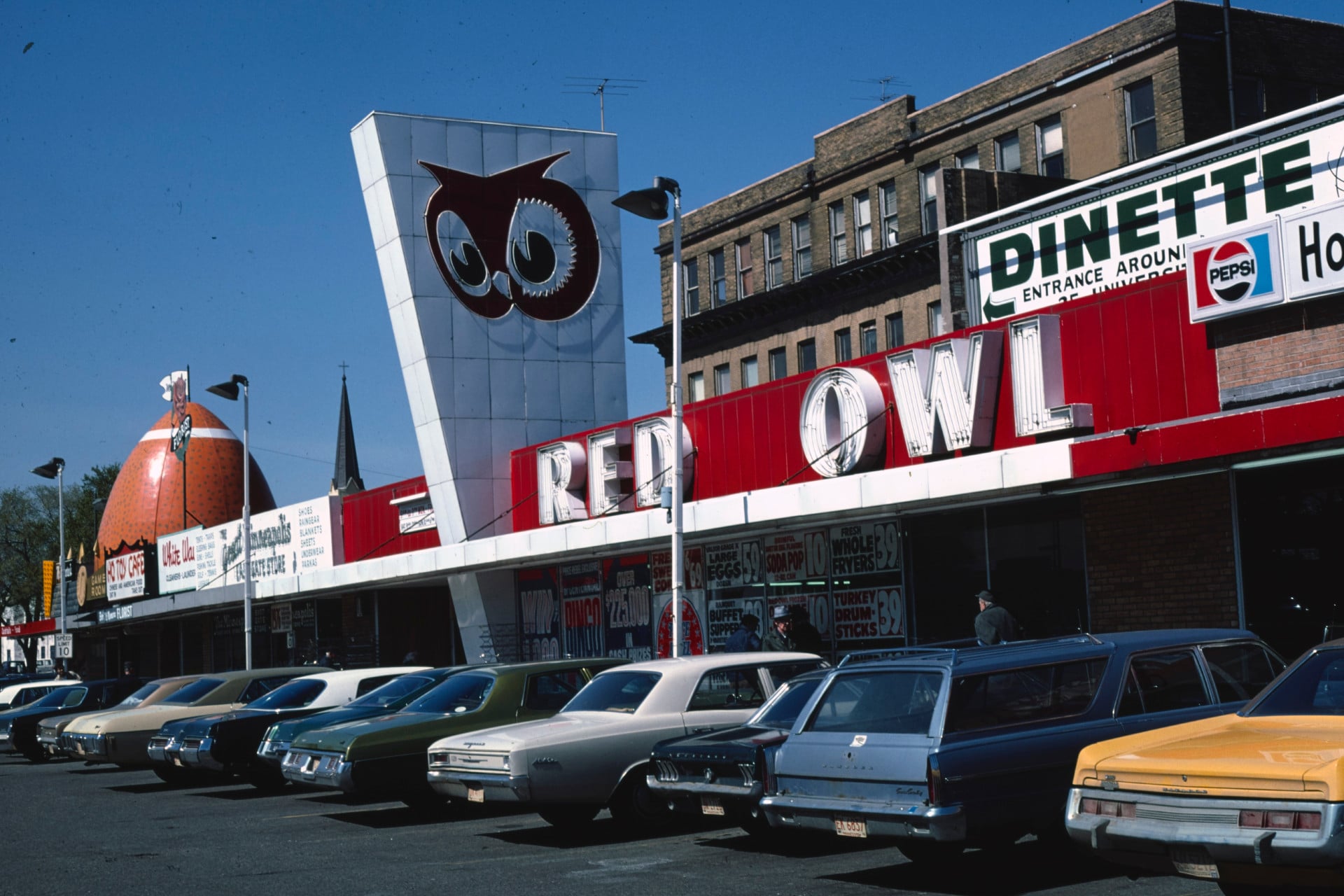
The 1970s were an absolutely brutal decade for inflation. Year-over-year inflation went from 6% at the start of the decade to 15% by the end.
The topic was understandably talked about at length, as regular people struggled. And one newspaper column from 1978 provides a window into the frustrations of the era, especially because it includes predictions for what things would cost in 2026 if inflation trends continued.
The Bristol Herald Courier in Virginia featured an article from Rep. Bill Wampler, the area’s congressman from 1967 to 1983. And he was concerned about what he was seeing:
There is no question that at present, the trend of inflation is up. In January, 1978, the consumer price index (1967=100) reached 187.2 for an annual inflation rate of 11.9 percent. Even if inflation simply continued at what the Administration calls “an underlying rate of 6 percent,” the end result could be disastrous.
Wampler did the math, figuring prices would double in 12 years and quadruple in 24. And then it would get worse by 48 years into the future:
Thirty-six years of six percent inflation would give us a price level eight times that of the starting period In 48 years—by 2026—the price level would be 16 times the starting level.
The congressman then calculated how much things would cost in 2026 compared to their 1978 equivalent.
- $15 pair of shoes? $240
- $700 color TV? $11,200
- $5,000 car? $80,000
A worker earning $10,000 in 1978 would be earning $160,000 a year by 2026, given annual inflation at 6%.
How did things actually work out? Fifteen dollars in 1978 equals $78 adjusted for inflation. That $700 TV would be $3,660, not over $11,000 as predicted with 6% annual inflation.
The median annual salary in 1978 was actually $15,060, according to the U.S. Census Bureau. Adjusted for the actual amount of inflation the U.S. has seen since then, that equals $78,742. The median salary last year was $62,088, according to Fidelity, which might explain why Americans feel like they can’t get ahead. In March 2026, the U.S. saw the slowest wage growth in four years.
However, none of that takes into account the fact that the price of certain goods has come way down, even before you take inflation into account. A color TV wasn’t necessarily a high-tech purchase by the late 1970s. TV stations were making color shows mainstream by the early 1960s with programs like Walt Disney’s Wonderful World of Color and Bonanza. But you can get a perfectly functional TV in 2026 for less than $700. And it’s even going to be very large as well as flat-panelled, things that people in the 1970s could only dream of.
As many people in the 2020s have pointed out, the necessities of life have gotten more expensive when you take a look at categories like housing. But the little luxuries of the 1970s are relatively affordable. Anyone can walk into a big box retailer and snag a high-definition TV for a couple hundred dollars. And boomers may tell you those $5 Starbucks sweet treats are an indulgence that you shouldn’t waste your money on.
But if you cut out those $5 coffees for a month, you’ve got an entire $150. Save that for a year, and you’re taking home $1,800. You can deprive yourself of that small luxury for a year, but that’s still quite a ways away from something like the down payment for a house. In Oct. 2025, the median down payment for a house in the U.S. was $78,831, according to Nerd Wallet. That’s 43 years of Frappuccinos.