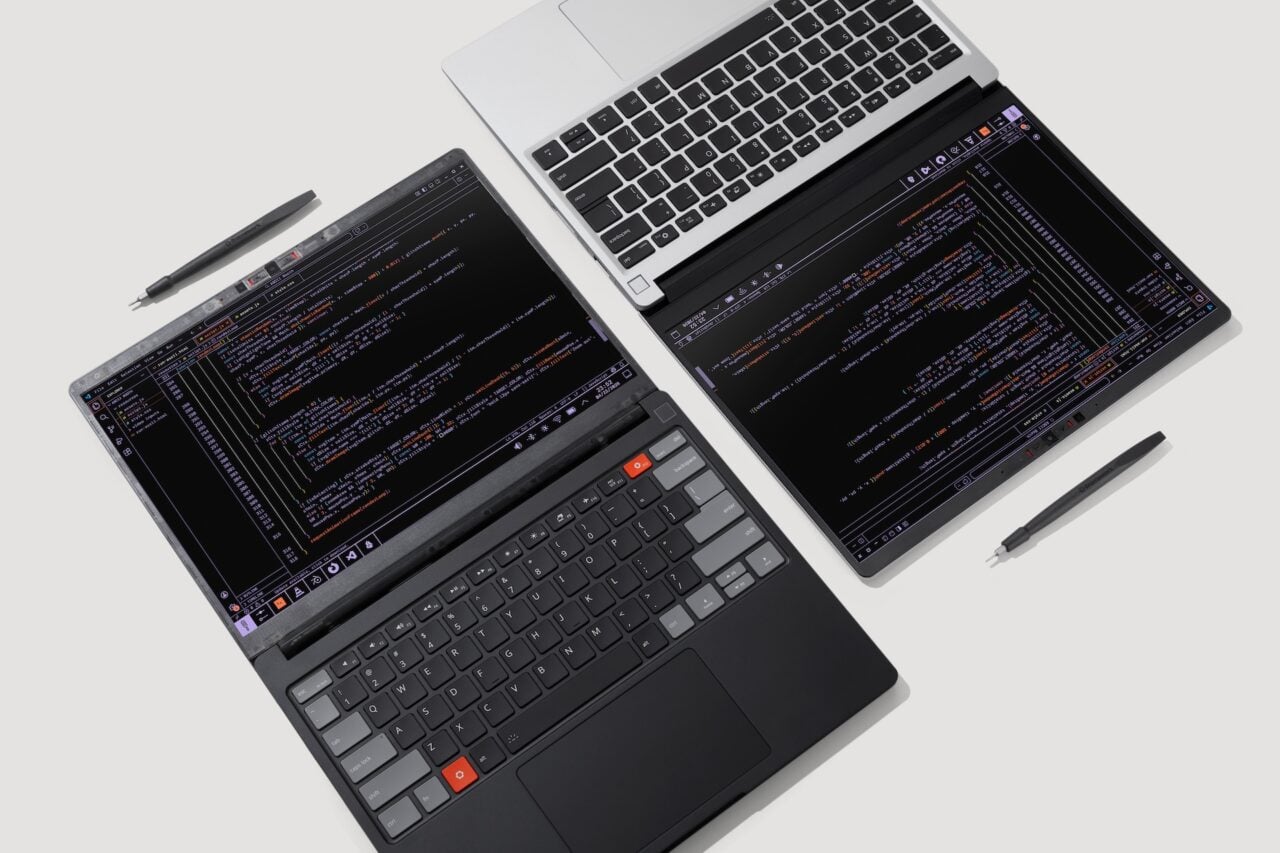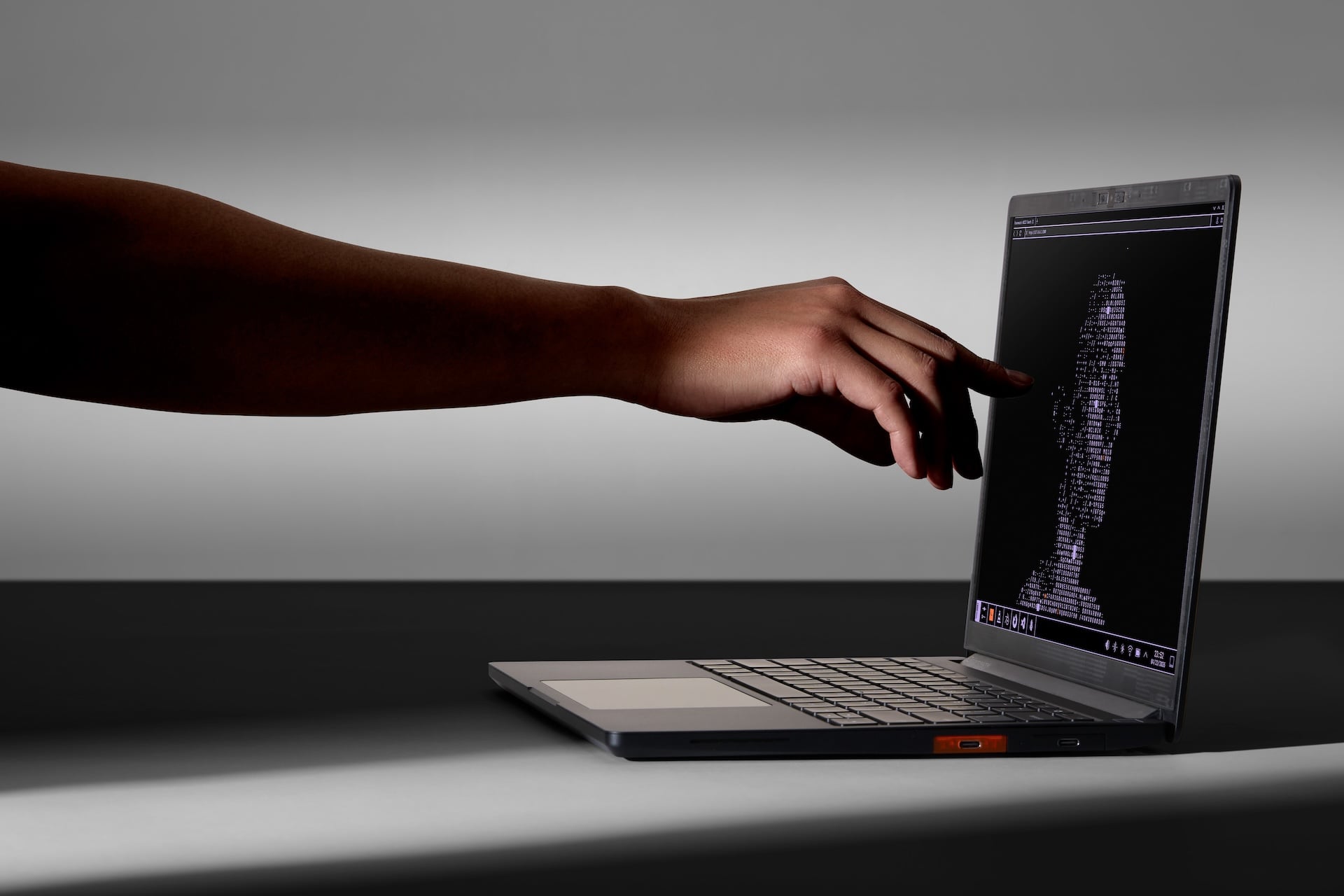
Framework’s ultra-repairable PCs are, by their nature, open platforms. So it seemed strange for the company’s founder and CEO, Nirav Patel, to call its latest “Pro”-level Framework Laptop with its new choice of open-source OS “the MacBook Pro for Linux users.” Instead, you should see Framework as pushing the envelope of what we expect from PCs.
Sure, the Framework Laptop 13 Pro is supposed to offer a better build quality than the company’s past 13-inch laptops with a full CNC aluminum chassis and a new haptic trackpad. Whether it’s up to Apple’s standard is still to be determined. If the comparison is battery life, the Framework Laptop 13 Pro should be able to hit more than 20 hours in battery rundown tests, close to what Apple says you get on the latest M5 MacBook Pro.
The new Pro-level Framework uses the latest Intel Core Ultra Series 3 chips, which offer comparable longevity in laptops. But let’s be clear, the better comparison between Framework and other laptops is with today’s Windows PCs. The new Framework Laptop 13 Pro can come pre-loaded with the open-source Linux distribution Ubuntu instead of Windows 11. It’s a first of its kind outside of small boutique computers. And in that way, the Framework’s Pro model could make the PC landscape even better.
I’ve already heard from other companies who have talked about branching out with Linux-native devices. Steve Long, the head of the intelligent devices group at Lenovo, told Gizmodo earlier this year that he would “love for flavors of Linux to take off.” The problem, even for a company like Lenovo with the largest PC market share in the world, is a fear of taking risks. Patel said the new Framework Laptop 13 Pro won’t have any compatibility issues with Ubuntu. Framework could be the first to prove there’s demand for Linux devices—especially as Windows 11 and its AI integrations have proved so divisive.

Lenovo recently showed off a concept ThinkBook laptop that was immediately reminiscent of Framework, complete with swappable I/O port modules. It also included a separate screen that could adhere to the laptop lid. The concept was an extension of the company’s existing ThinkPad designs like the latest X1 Carbon and T14 Gen 7. The 2026 model boasted strides in repairability with easily swappable keyboard components as well as upgradable RAM and storage. The repair gurus at iFixit, who consulted with Lenovo on its latest laptop design, gave the T14 and T16 Gen 5 perfect 10/10 repairability scores.
It’s not just business laptops that are easier to crack open. Last year, the Asus ROG Strix Scar 18 gaming laptop included toolless access to its battery and memory components. Even commercial devices, such as HP’s EliteBoard G1a keyboard-computer, are now using traditional Phillips-head screws rather than any odd hex key or the Mac’s notorious pentalobe. The Framework Laptop 13 Pro is still one of the only laptops that comes with its own screwdriver for accessing the device’s internals.
MacBooks, with their unified memory, are more restrictive. Only the latest MacBook Neo can make any sort of claims on better repairability. Even if you don’t buy from Framework, it’s pushing the PC industry to look at itself—and that’s a huge win.