People with food allergies have to be careful about the meals and drinks they consume. A case report out today, however, shows that some allergic attacks can be caused by unexpected sources.
Annabelle Rowland, a physician in Atlanta, Georgia, detailed a case of anaphylaxis in a 15-year-old boy brought on by an energy drink. The boy had an unknown allergy to fish collagen—an ingredient in the drink. Thankfully, he made a full recovery, but the incident illustrates the complexities of having a fish allergy, Rowland said.
“This case demonstrates nuances of fish allergy which are important to consider as fish collagen is included in a growing number of products,” Rowland wrote in her case report, which is being presented today at the annual scientific meeting of the American College of Allergy, Asthma and Immunology (ACAAI).
A fishy case
According to the report, the teenage boy had a history of eczema, asthma, hay fever, and a rare immune-related lung condition called idiopathic pulmonary hemosiderosis.
He had never tried that energy drink before. Within minutes, he started experiencing hives all over his body, wheezing, and difficulty breathing—signs of a severe, potentially life-threatening allergic reaction, or anaphylaxis. He received care at an emergency allergy clinic, which included two shots of epinephrine and other anti-allergy medications, and his symptoms eased.
Afterward, Rowland tried to figure out what caused the attack. The patient felt normal prior to the episode and denied having exercised or used NSAIDs (nonsteroidal anti-inflammatory drugs) that day, both of which are potential, if rare, triggers for anaphylaxis. So the energy drink was the most likely culprit. He did report past episodes of an itchy throat and mild lip swelling after eating canned tuna fish. And an examination of the drink’s ingredients revealed the presence of fish collagen derived from cod (five grams’ worth).
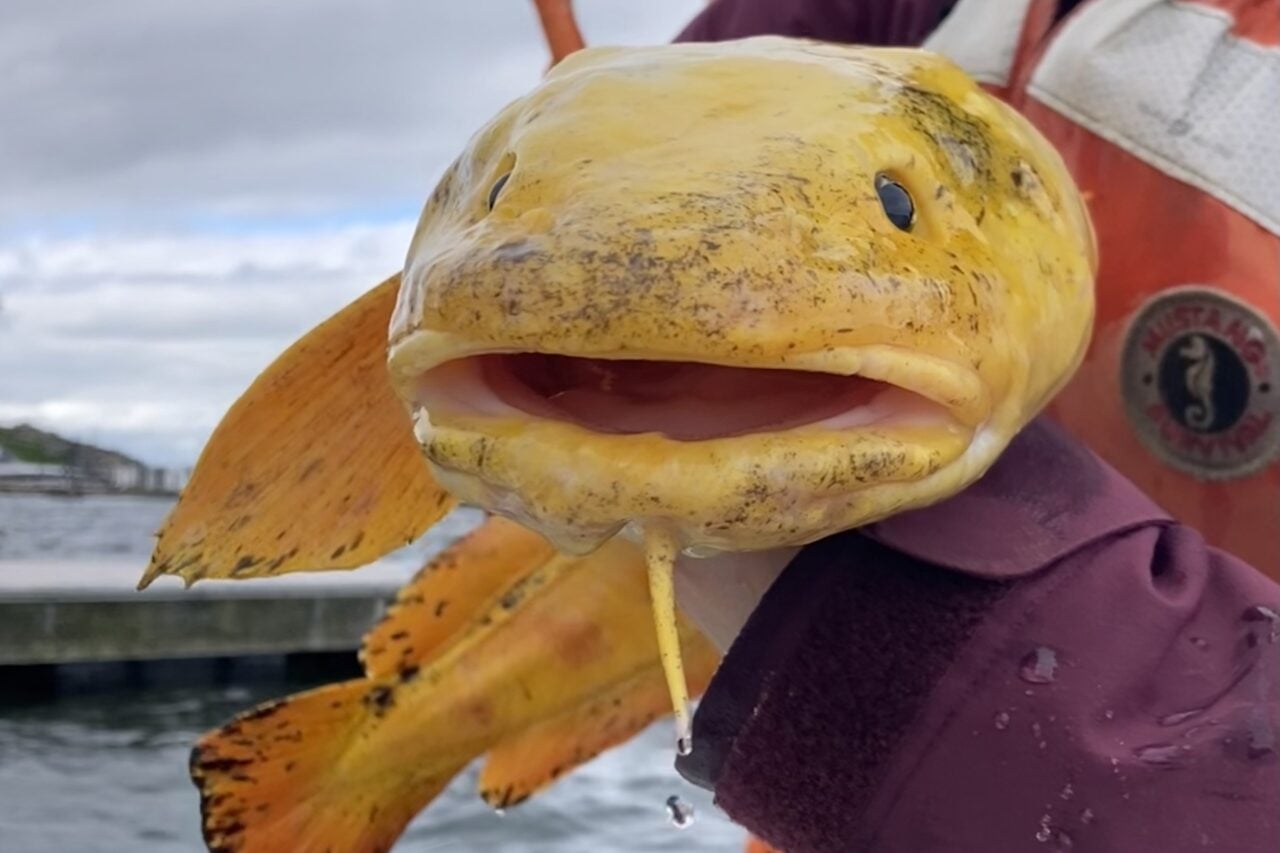
The boy’s fish allergy was even weirder than expected, however. For starters, he’s been able to eat salmon in the past without any issues. And when Rowland performed a skin prick test for tuna, cod, and flounder on the boy, it came back negative. The patient’s family was asked to bring fresh cod in for further testing, but right now the working hypothesis is that the boy specifically has an allergy to the collagen protein found in cod and possibly other fish.
“This case shows how tricky fish allergy can be,” said Rowland, an ACAAI member and a a physician at Emory University’s School of Medicine, in a statement from the ACAAI.
Roughly 95% of fish allergy cases are caused by an entirely different protein called parvalbumin. Rare as a fish collagen allergy might be, though, it’s something that’s becoming harder to avoid for those who have it, Rowland said. And doctors should be careful about not missing such cases.
“Collagen from fish is showing up in a growing number of products, from drinks to supplements. Standard fish allergy tests mostly look for a different fish protein and contain very little collagen, so a person can test negative and still react,” she said.