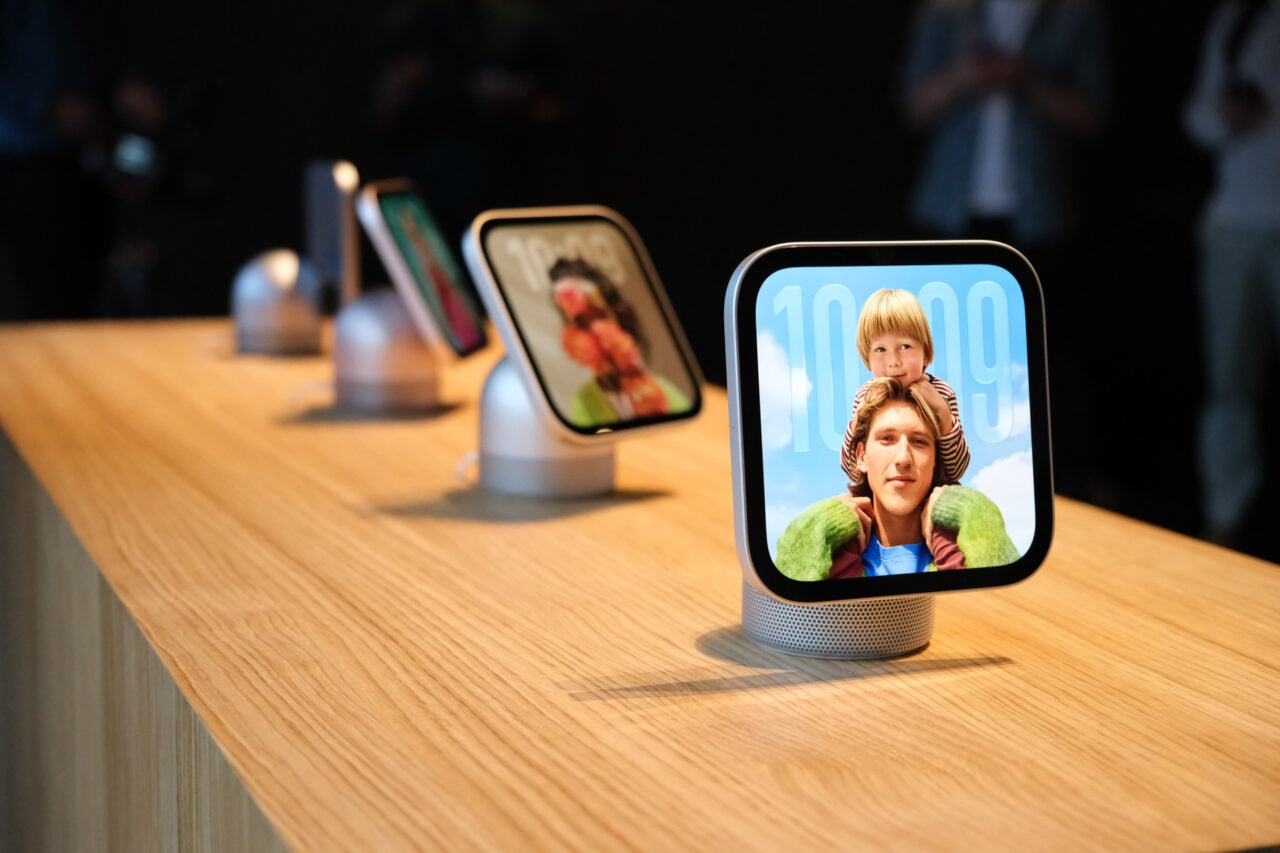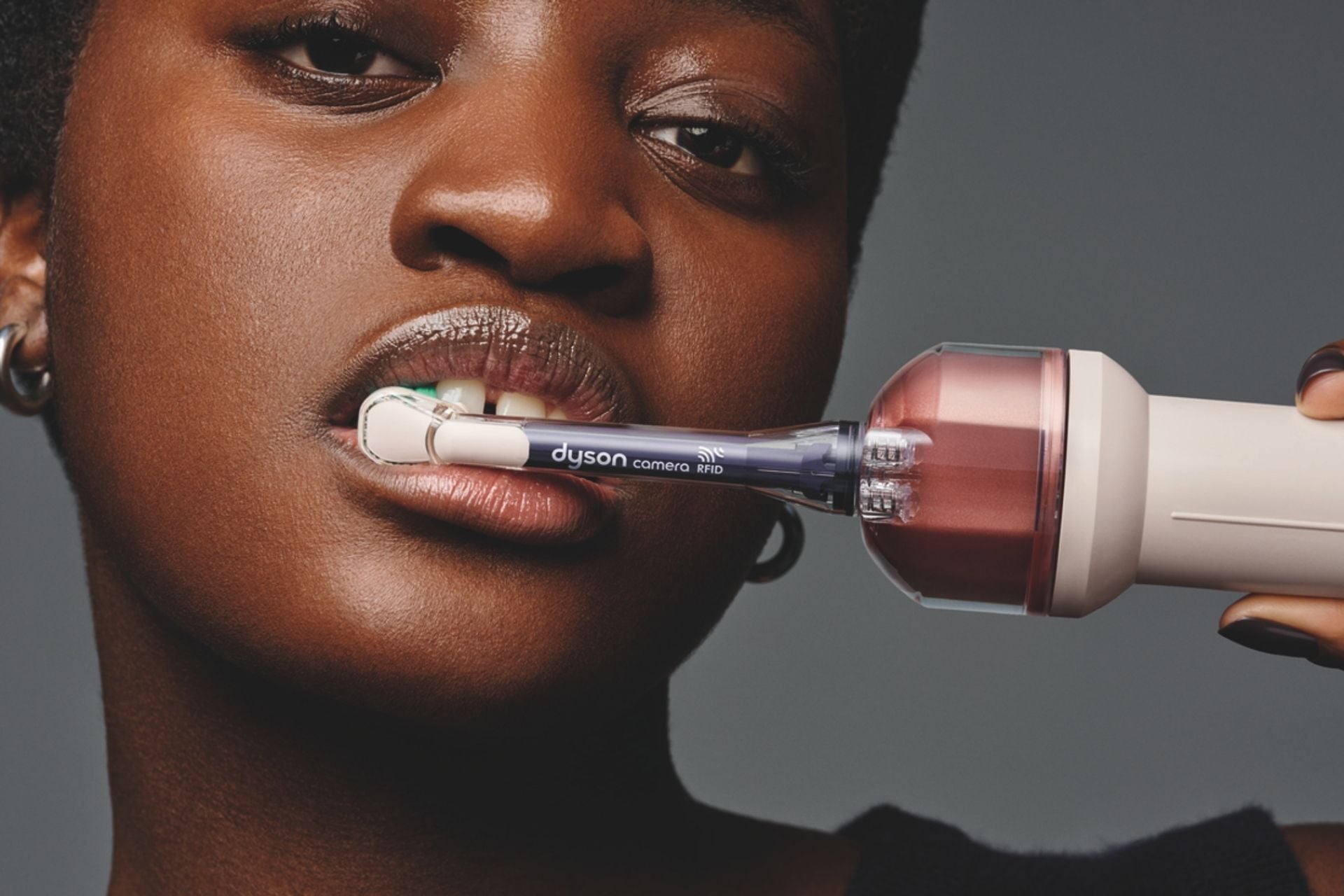
When Dyson announced an AI-powered smart toothbrush at IFA 2026 earlier this month, I let out the deepest of sighs. Not because it seemed like something out of a headline from The Onion, but because it was entirely too believable. We’re putting AI in literally everything else; of course it’s come for our dental hygiene, too.
The CameraJet is a combination toothbrush-waterpik, allowing users to essentially floss their teeth while brushing them. There’s a camera packed into the toothbrush head that allows the CameraJet to judge the spaces between your teeth and shoot water in there at the most opportune moments. It’s also got Wi-Fi connectivity and an app—and just in case you’re worried about hackers getting their hands on photos of your grimy teeth, Dyson made sure in its announcement to tell prospective customers that no images would be stored on the product or in the cloud.
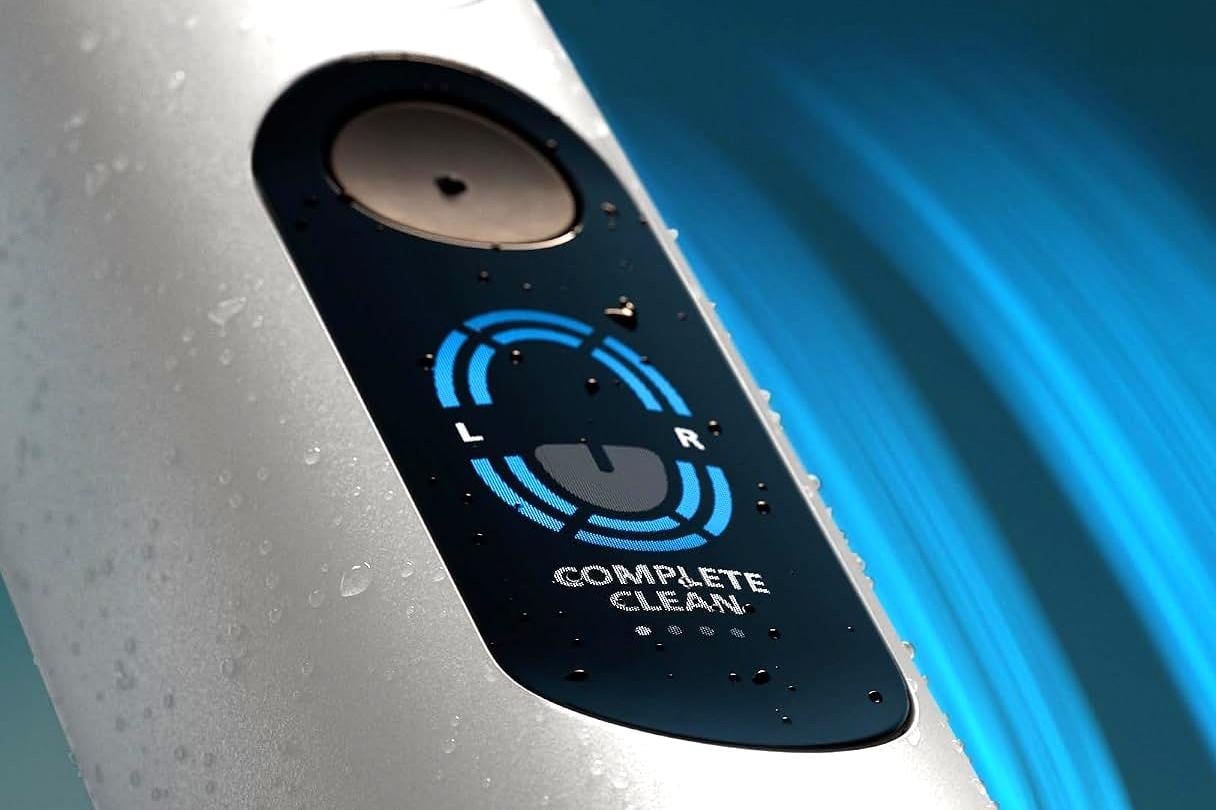
This week, Philips—one of the most popular electric toothbrush makers out there—updated its own smart toothbrush line to include AI, too. The Next-Generation DiamondClean 9900 Prestige doesn’t include a camera (or a waterpik, for that matter), but it does apparently use AI models to automatically switch between brush modes depending on your brushing style and tooth sensitivity. It also creates a map of your mouth in 12 segments to show you exactly where you’ve done a poor job brushing. Did I mention the toothbrush has a screen?
See Philips Sonicare Next-Gen DiamondClean 9900 at Amazon
A cursory Google search turns up plenty of other AI-powered toothbrushes from startups and smaller companies, too. This isn’t just a pattern; it’s a full new market.
As someone who’s dealt with crazy plaque buildup his entire life, I know firsthand the importance of good brushing and flossing habits. I can understand, too, the urge to find shortcuts via technology to better your physical health. But are people actually out here clamoring for AI toothbrushes?
Here’s the thing (and you might not want to hear it): even regular old electric toothbrushes aren’t significantly better at cleaning your mouth than manual toothbrushes. Dentists love to hawk them as a quick and easy fix for dental woes, but studies show they’re not doing all that much more than the one you buy for five bucks at CVS. They can be useful in helping us brush with the correct amount of pressure, but they’re not some modern miracle. The way humans have been brushing their teeth for eons is perfectly fine.
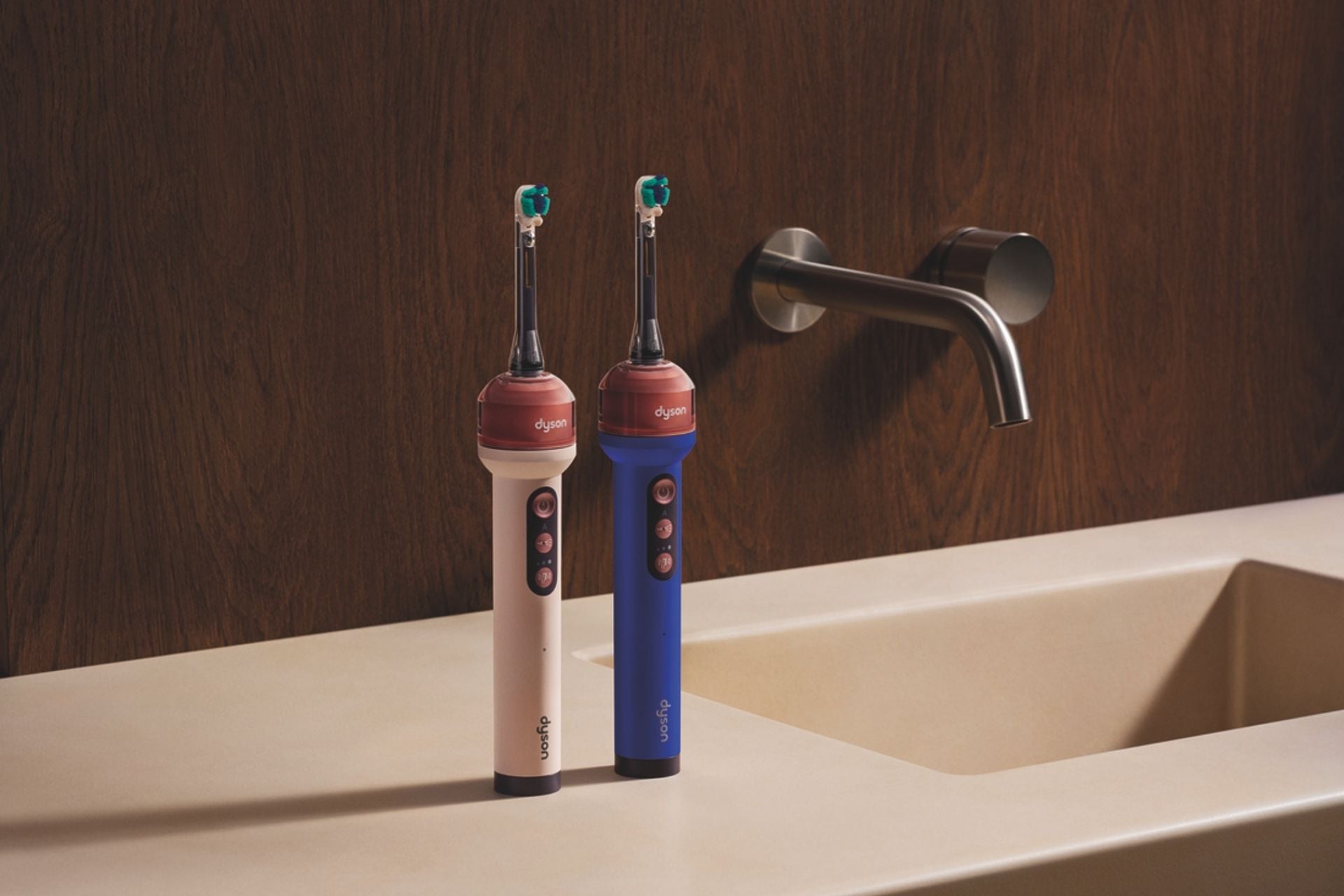
The same week Dyson’s CameraJet launched, customers began having issues with the product. For some, the toothbrush stopped working entirely, while others had issues with water getting into the battery compartment. This is all during the AI toothbrush’s first week out in the world. Dyson told Wired it had “identified a single component issue affecting a small number of early batches” and that those customers were receiving support for their products. Notably, Dyson did not comment on what, exactly, this component issue was.
The identity of the questionable component is less important than the larger issue at hand here, which is that creating more complicated devices inherently opens them up to more complicated performance issues. Pretty much every gadget we use today is more difficult to troubleshoot and repair than its earlier iterations. Figuring out what’s bugging out in a smart fridge’s computer components (and replacing those components) is going to be trickier and more expensive than simple dirty condenser coils.
If an electronic toothbrush isn’t much better than a manual one, there’s a slim to zero chance adding AI in the mix is going to be actually helpful for dental health. It’s a gimmick, plain and simple, and one that’s already leading to overengineering problems. If you want advice on how to better brush your teeth, an appointment with your dentist is a great place to get started. And a less expensive one, at that.