You would think every major chipmaker would be foaming at the mouth and tripping over each other to craft the first “high-end MacBook Pro of PCs.” Only recently has AMD indicated that it’s trying to compete against Nvidia’s upcoming RTX Spark graphically powerful and AI-capable laptops. We still barely know anything more than that.
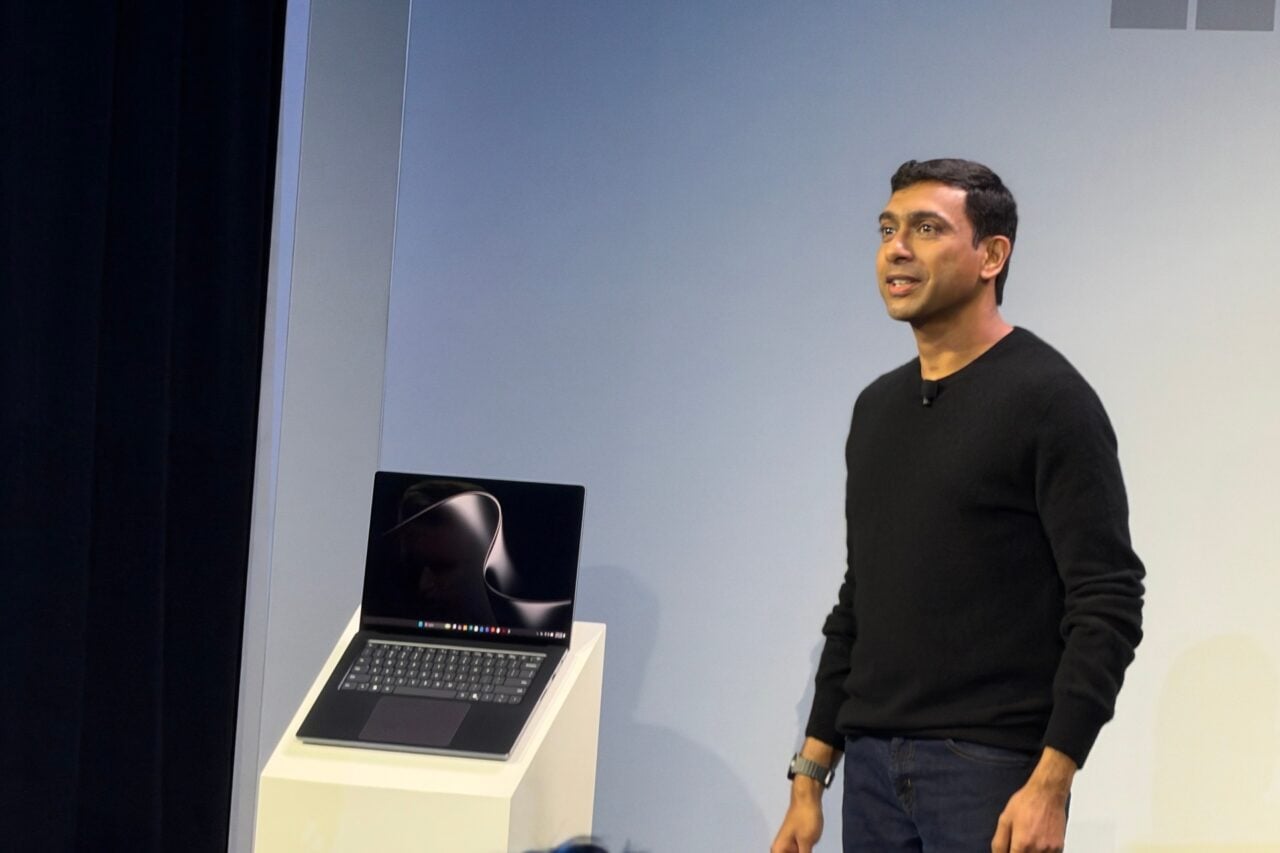
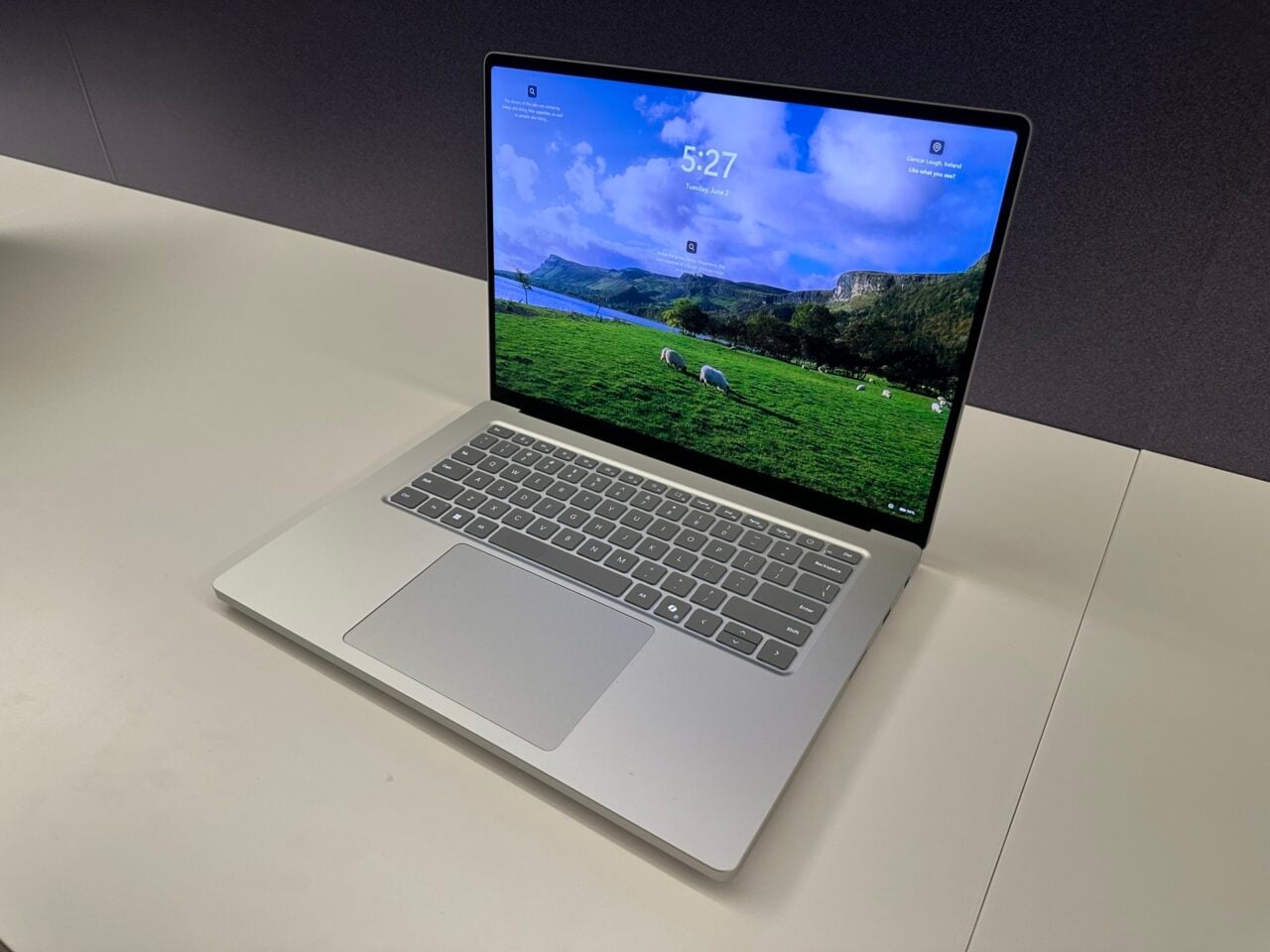
AMD’s senior VP of computing, Jack Huynh, got up on stage at IFA 2026 and finally gave us the barest hint of how the company plans to keep its coveted x86 microarchitecutre in the game of powerful and light PCs. The early models he showed on stage are HP ZBooks, codenamed “Sundae,” running a Ryzen AI Max 400-series chip, aka Gorgon Halo. What’s more, they promise to host up to 190GB of unified memory.
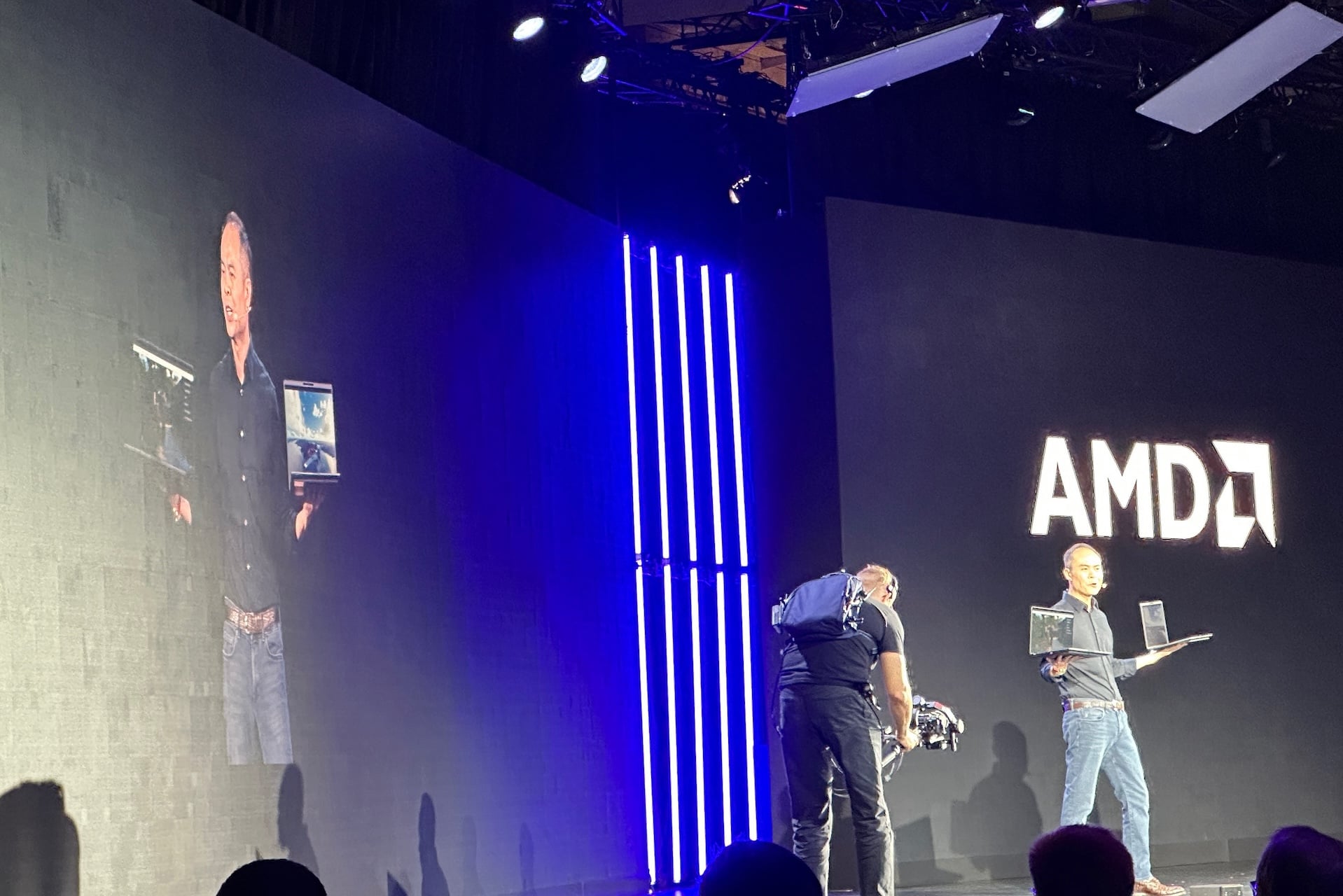
AMD first trotted out Sundae at its Advancing AI conference back in July, and we’re only seeing them again now. Huynh claimed the chips will have the performance necessary for onboard AI and some gaming. He showed the PC running Microsoft Flight Simulator, which is apparently the AMD VP’s “favorite game.” It’s not much to go on, to be sure. We’ve yet to see any newfangled PC running a Gorgon Halo chip to see how it compares with the previous-gen AMD Ryzen AI 300 series. It’s clear that this project is still too early for a full debut.
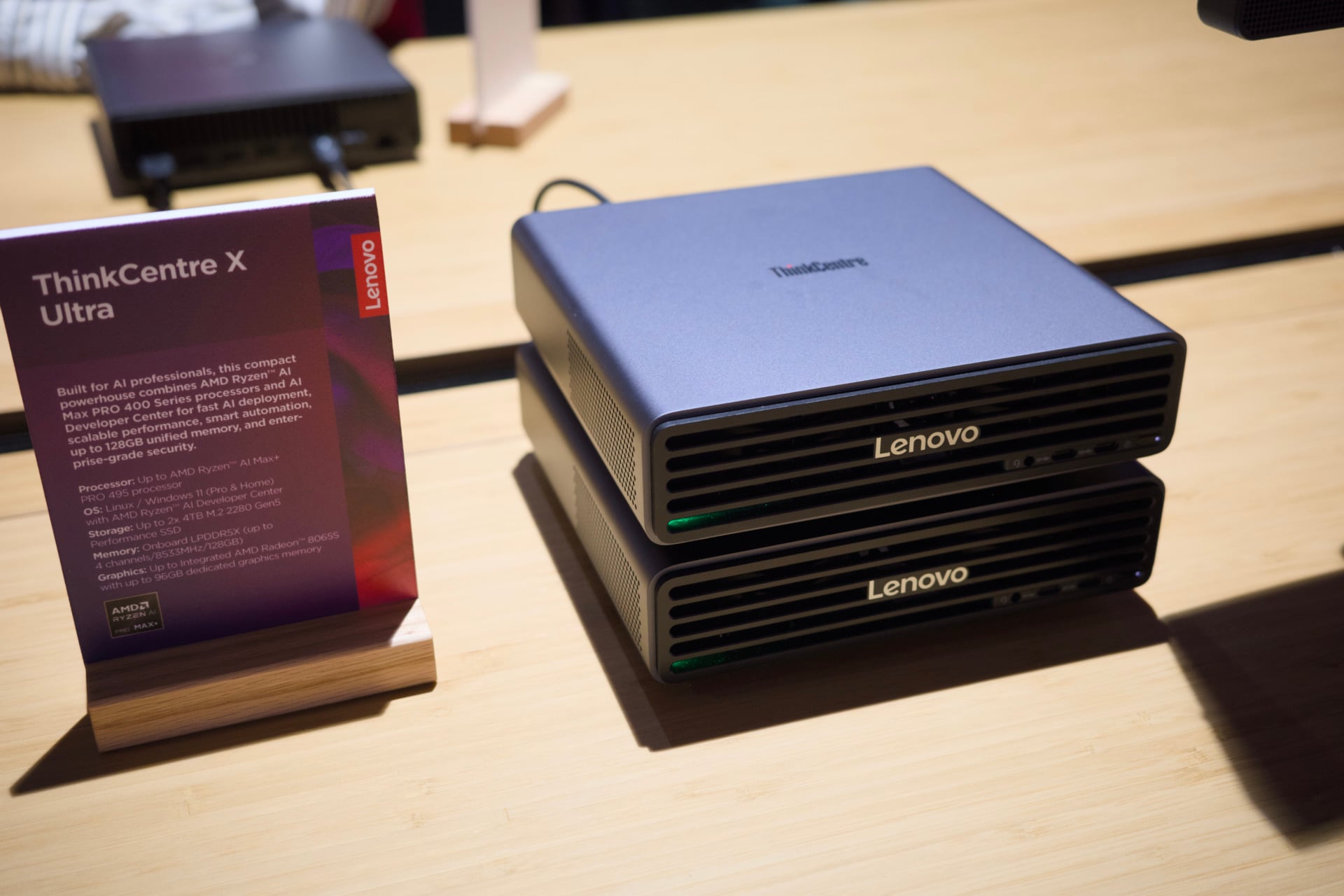
AMD is also giving props to Acer for its Aspire G AGB110 mini-PC and Aspire G 3D 16 laptop alongside Lenovo ThinkCentre X Ultra, each with Ryzen AI Max 400 series. These limited number of business-end PCs aren’t exactly grabbing as many headlines, and AMD seems to know it.
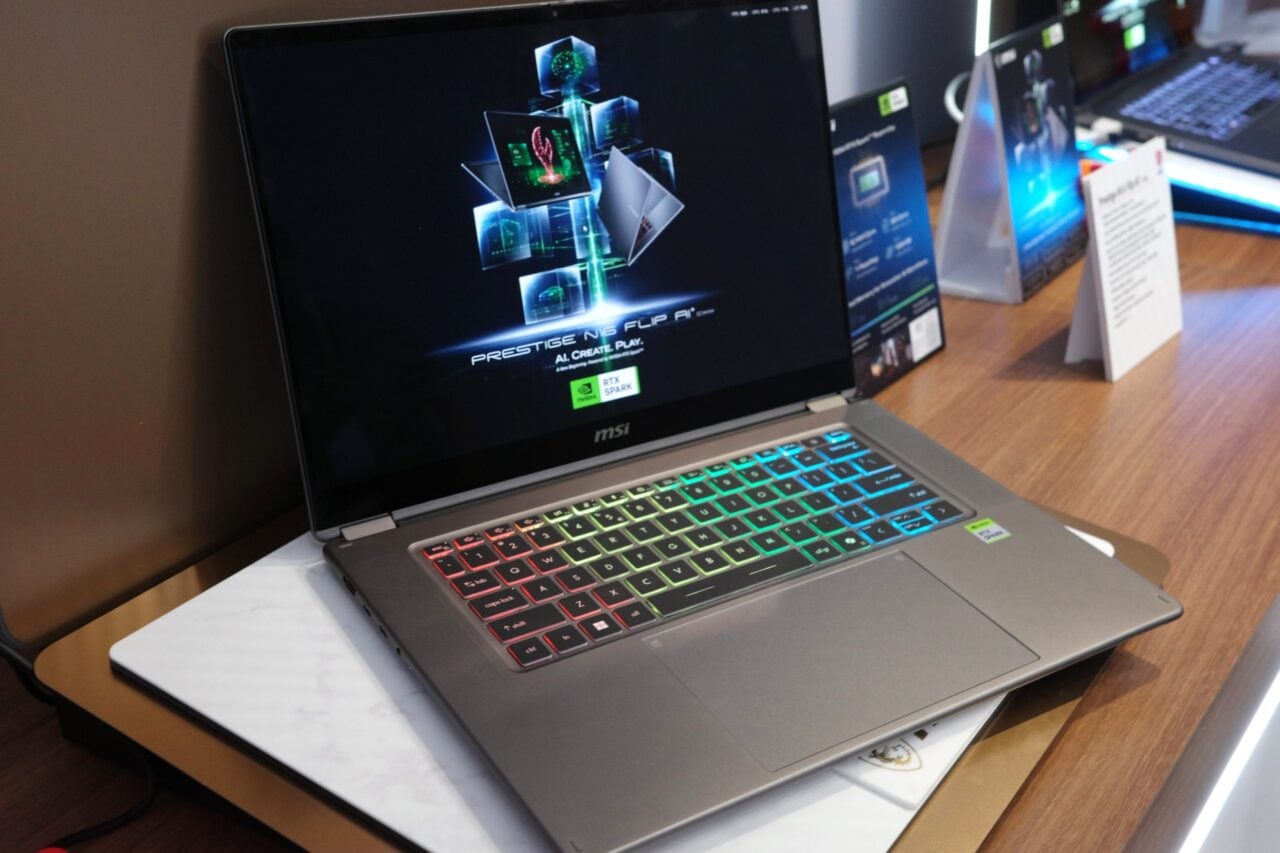
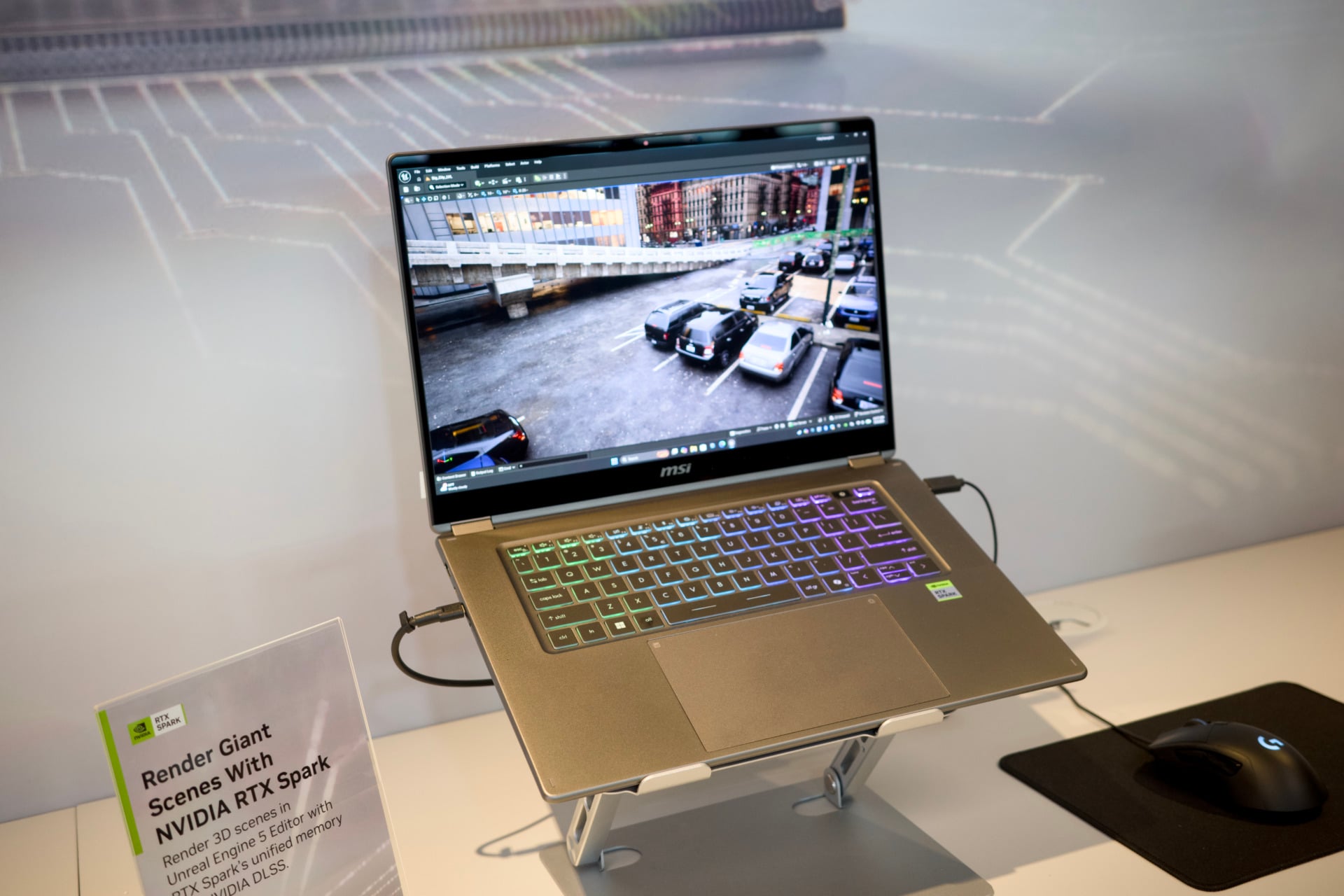
Meanwhile, Nvidia told Gizmodo that it plans to launch its ARM-based RTX Spark PCs this October. Team Green hasn’t offered us much or any real indication about specific performance benchmarks. The only thing we know is that there are two versions of their chip, an N1X with a 20-core CPU and GPU sporting 6,144 CUDA cores. There’s another 18-core CPU variant with 5,120 CUDA GPU cores. All we know is that it can run some AI models on-device and that it is also gaming capable—even more so thanks to support for DLSS upscaling tech.
Meanwhile, Gorgon Halo is running on the same Radeon 8065S GPU as the last-gen Strix Halo. The top-end Ryzen AI Max 495 chip is relying on the latest Zen 5 CPU architecture, promising 16 cores and 32 threads. The Radeon 8065S on the Ryzen AI Max 400 series may perform better than its older sibling, but that remains to be seen.
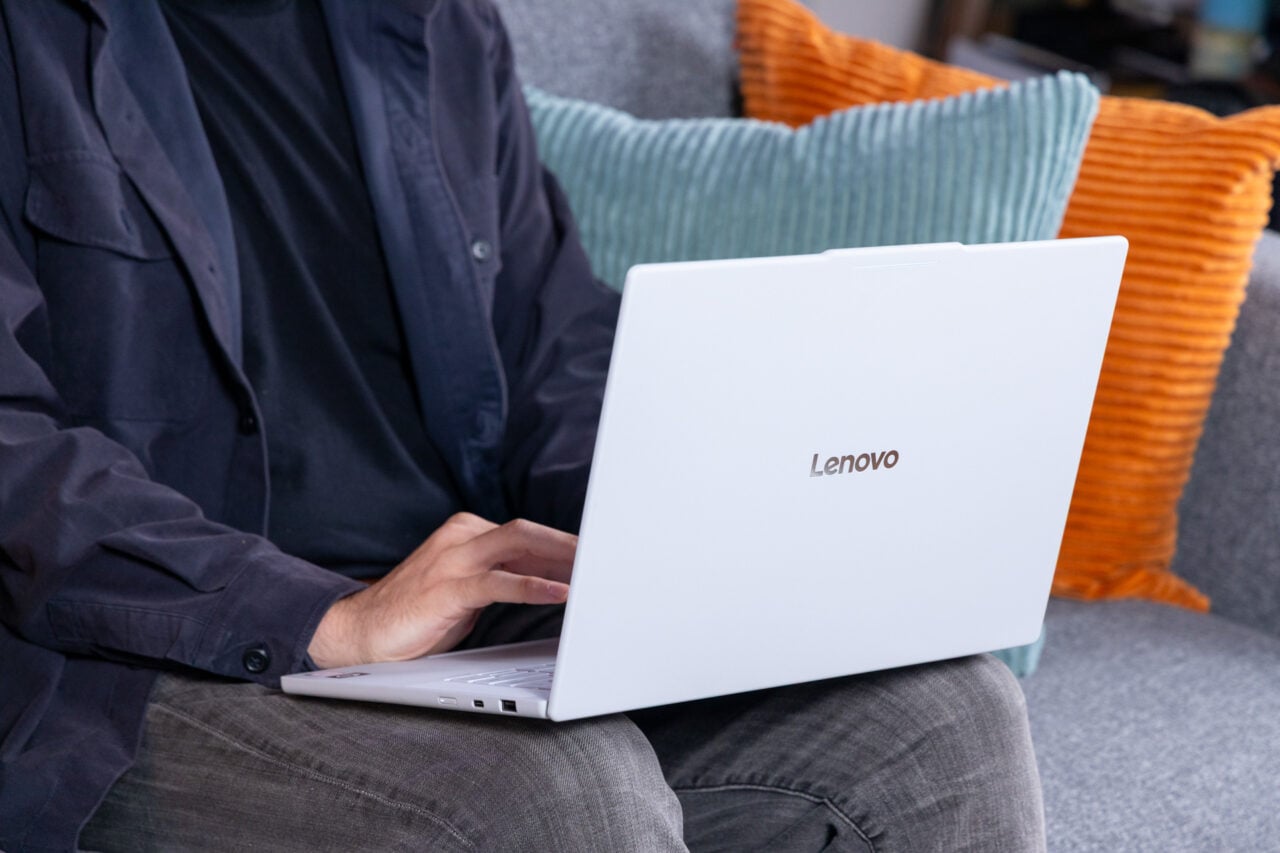
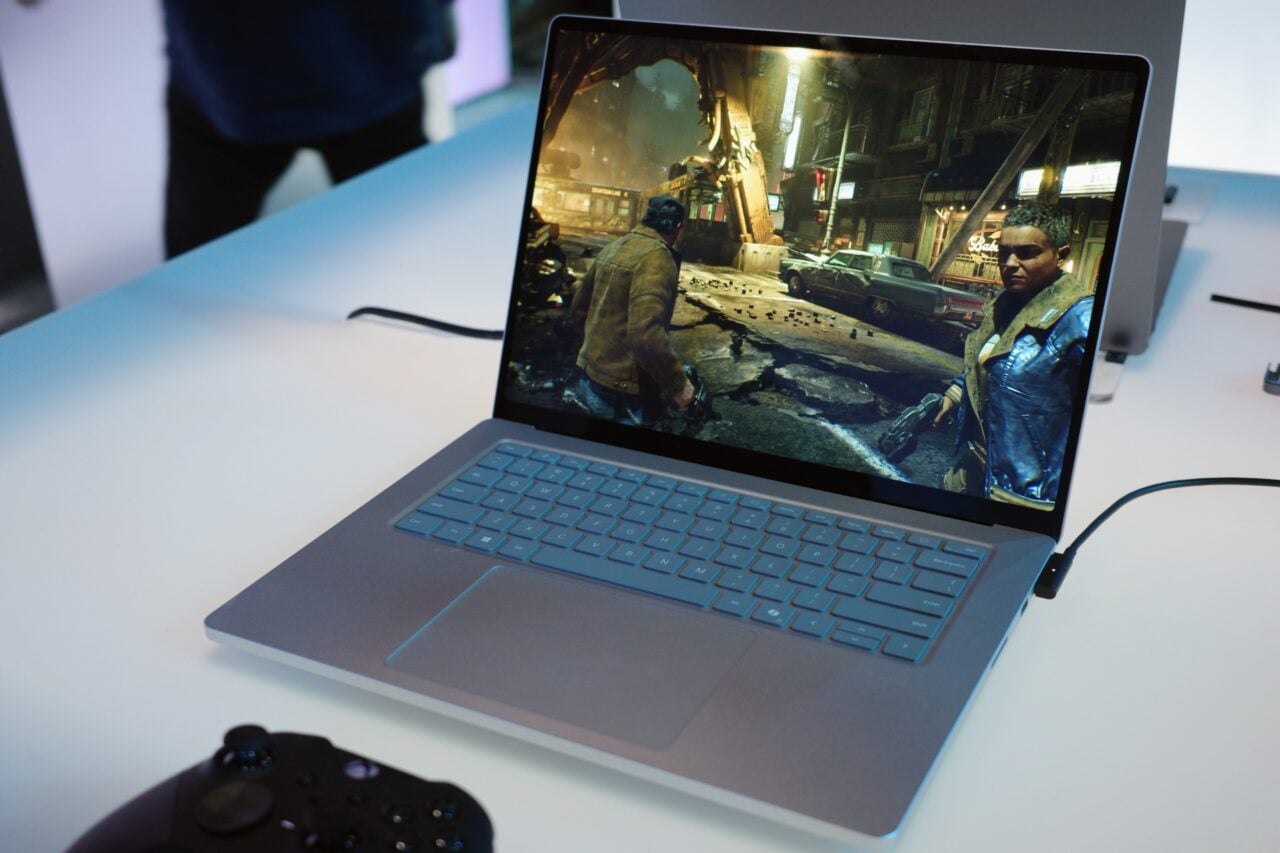
Really, what’s limiting AMD is the ultimate lack of options. Sundae may prove a good choice, but Nvidia is partnering with HP as well, along with Dell, Asus, Lenovo, Acer, MSI, and Microsoft themselves on a new Surface Ultra. Lenovo just showcased its Yoga 9n 2-in-1 RTX creative-minded Spark PC with even more interesting stylus support. There are more than one device with different screen sizes meant to hit various price points.
AMD is also working on another concept, a Halo Threadripper Station that’s built explicitly for running local AI up to 9 billion parameters. It’s also running up to 2TB of system memory with a special liquid cooling solution made by Corsair, so it’s obviously not built for your Joe Schmoe PC enthusiast.