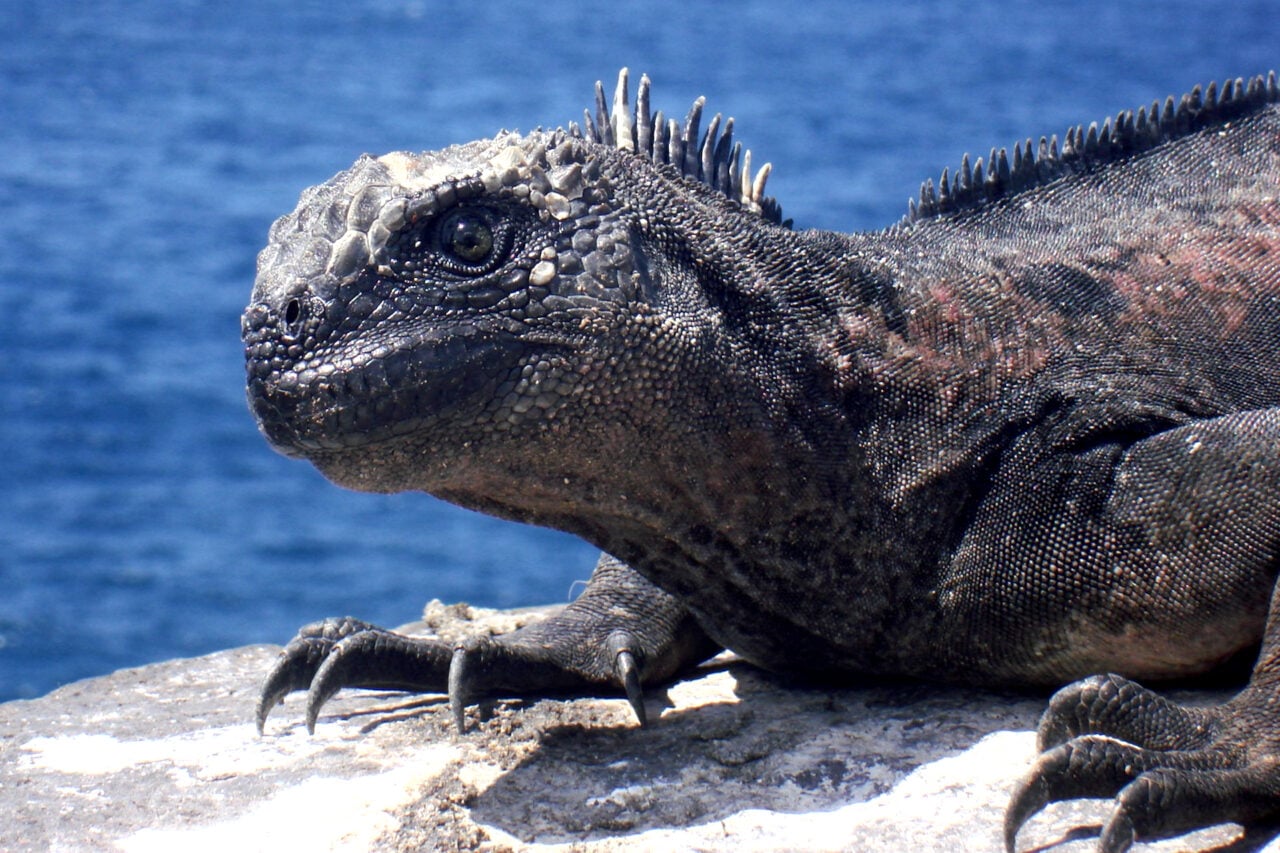
America currently protects 1,662 domestic and 638 foreign species under the 1973 Endangered Species Act. But—despite a sterling reputation for rescuing national icons like the bald eagle, the grizzly, and (my friend) the American alligator—this work has ironically been stunted by a 300% increase in species added to the list since 1985. Federal funding hasn’t kept pace, diluting the resources needed to protect each of these species roughly by half.
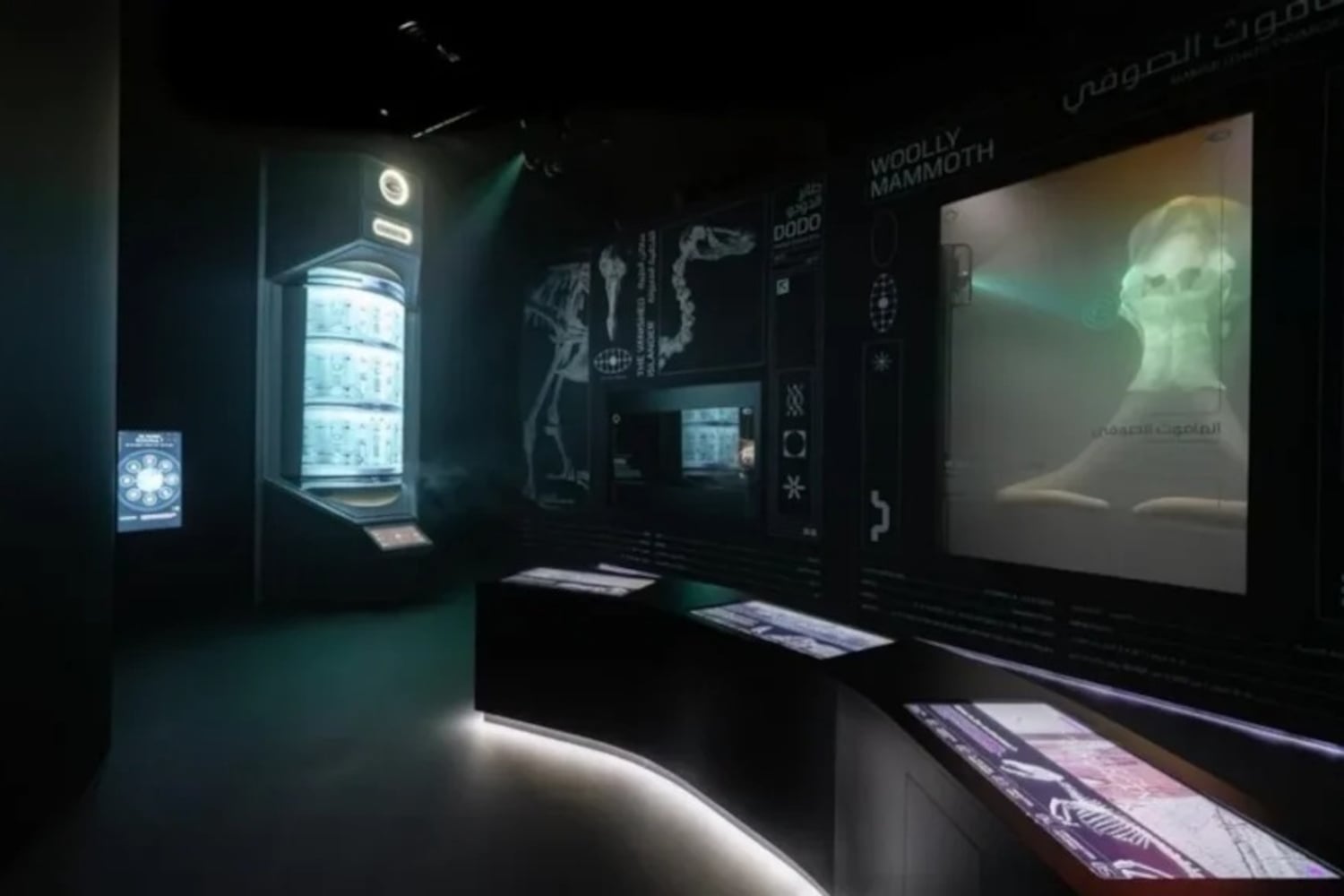
But a new public-private partnership between the U.S. Fish and Wildlife Service (FWS) and self-described “de-extinction” startup Colossal Biosciences promises to fill that gap. Colossal, through its recently erected nonprofit the Colossal Foundation, has pledged to collaborate with federal researchers on a sprawling project to collect, sequence, and preserve the genetic material of over 2,300 threatened and endangered plant and animal species. The project, which will be housed across Colossal’s distributed BioVault network, intends to store both cryopreserved DNA, tissues, and reproductive cells for future use—as well as detailed, digitized “reference genomes” for each at-risk member of America’s biosphere.
“This collaboration will help advance our understanding of how biobanking and genomics can complement existing conservation tools and contribute to the recovery and long-term resilience of imperiled species,” U.S. FWS director Brian Nesvik said in a statement.
But Colossal’s chief animal officer Matt James offered a more ambitious assessment: “This initiative will redefine conservation in the United States,” James said in the announcement. “For the first time, we’re creating a permanent genetic record of America’s most vulnerable species before they’re lost.”
BioVault data for all
The Colossal Foundation, bankrolled by $100 million in donations since its incorporation in late 2024, hopes to make its library of conservation genomics data a public resource—not just for federal wildlife managers, but also for the scientific community and conservationists worldwide. The organization said Thursday that it will make all the genomic data generated through its partnership with the U.S. FWS available via “open-access repositories” where it will be “provided at no cost.”
“Future conservationists won’t just inherit field notes and photographs—they’ll inherit the genomic tools needed to understand, protect, and restore biodiversity at an unprecedented scale,” James said.
“This is the conservation equivalent of building the national parks system for the genomic age,” according to James, who now serves double duty as the executive director for Colossal’s foundation.
A “library of evolutionary innovation”
Colossal first announced its global plans for ten BioVault facilities this past February, part of a reportedly nine-figure initiative with the United Arab Emirates in which the Middle Eastern nation invested at least $60 million in the firm. Colossal’s CEO, Ben Lamm, likened the company’s BioVault plan to “a modern-day Noah’s Ark,” as well as to the Norwegian government’s crop diversity backup site in the Arctic Svalbard archipelago.
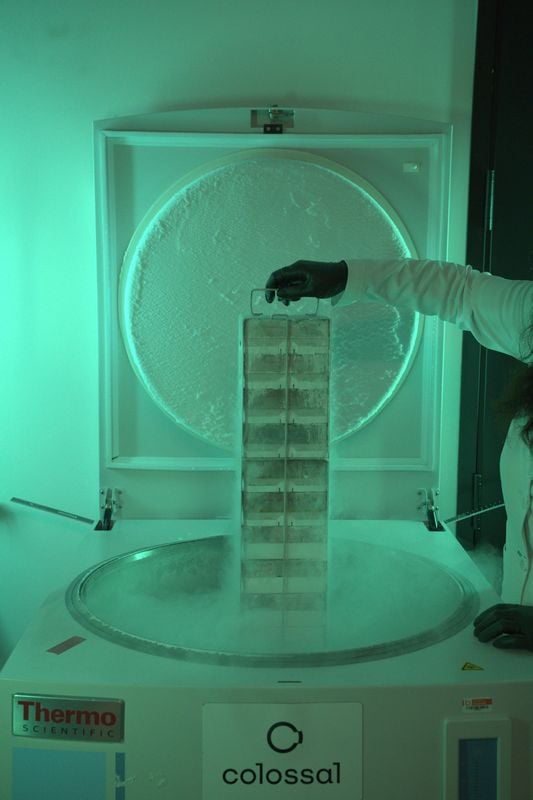
“Just as the Svalbard Global Seed Vault was created to preserve the genetic diversity of our food supply, this partnership aims to preserve the genetic diversity of life itself,” Lamm said in a statement. “This partnership is about ensuring that future generations inherit not just records of the natural world, but the opportunity to protect, study, and restore it.”
While Colossal does plan to make the fruits of its wildlife genomic sequencing available to the public, it has not yet provided details on how it may or may not seek to monetize the vault’s tandem archive of cryopreserved germlines and other genetic material from these species.
In recent years, the firm has commercialized its genetic and bioengineering technologies, in part, via spin-off companies derived from its tech: Breaking, founded in 2024, which plans to engineer microbes capable of biodegrading plastics; and Form Bio, founded in 2022, which licenses the use of proprietary genetic analysis software.
Market synergies aside, Lamm described conservation work like Colossal’s efforts as potentially “one of the most important responsibilities of our generation.”
“Every species is a library of evolutionary innovation millions of years in the making,” Lamm said. “Once lost, that knowledge disappears forever.”