An 8-year-old’s recent summer lake swim has led to a heartbreaking tragedy.
Last week, the Louisiana Department of Health reported that a resident, subsequently identified as Lillian Smart by her family, had contracted a rare infection of Naegleria fowleri, an amoeba that attacks the brains of those infected. Sadly, on Sunday, the family reported that Smart had succumbed to the highly fatal illness over the weekend. It’s only the fourth case of N. fowleri ever documented in the state, according to health officials.
“The injuries to her brain were too severe for her little body to recover from. Everyone did everything they could to keep her here,” her family wrote in a Facebook post to a group started to provide updates on her condition.
The brain-eating amoeba
N. fowleri is a shapeshifting amoeba that lives in soil and warm freshwater. It typically only eats bacteria and isn’t dangerous to people when it’s swallowed from drinking water containing the amoeba. However, when the amoeba enters the body through the nose, it can sometimes migrate to the brain. From there, it will attack and kill brain cells, triggering a massive bout of inflammation. This infection is formally called primary amoebic meningoencephalitis, or PAM.
According to the Louisiana Department of Health, symptoms of PAM typically start with “severe headache, fever, nausea and vomiting and progress to stiff neck, seizures, and coma that can lead to death.” People usually feel sick about five days after exposure, but it can take up to 12 days. And though doctors can try to treat PAM with an aggressive cocktail of drugs and other interventions, the infection remains nearly always fatal.
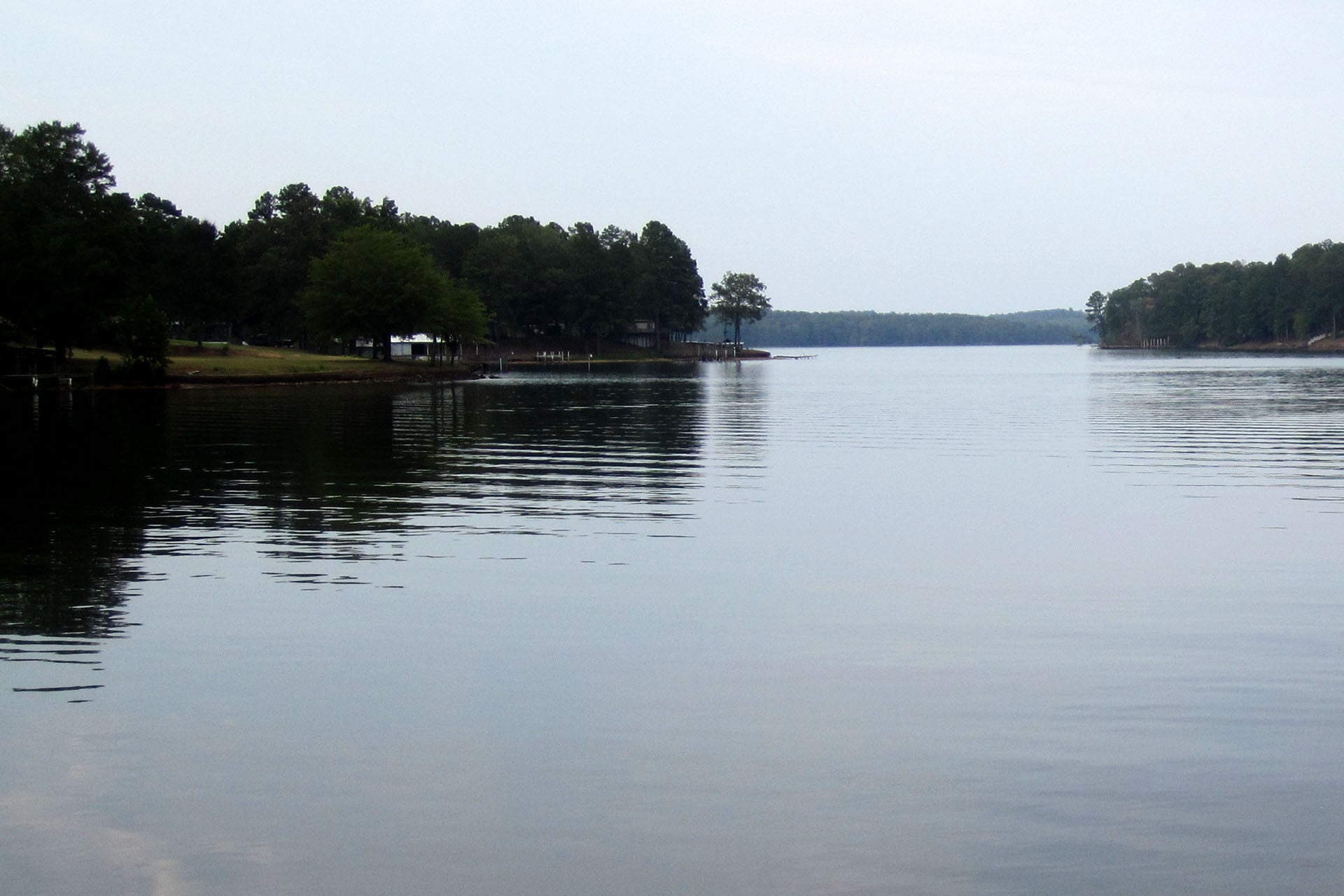
People often catch PAM from swimming in warm freshwater sources, such as lakes during the summertime, and that appears to be what happened to Smart in this case. Health officials say she likely acquired the infection while swimming in Lake Claiborne, located in northern Louisiana.
A rare but rising threat
Thankfully, N. fowleri infections are incredibly rare. There have been only around 180 cases recorded in the U.S. between 1937 through 2025, according to the Louisiana Department of Health, with three cases prior to Smart reported in the state itself.
However, research has suggested that the global incidence of this infection is increasing in warmer parts of the world. And at least some scientists argue that climate change is and will continue to make N. fowleri a bigger problem over time. A study earlier this year revealed that the amoeba was commonly found in many recreational hot water springs across the western half of the country.
Louisiana officials have issued an advisory to health care providers in the area about the case. And though the odds of catching N. fowleri are low, the department adds that people swimming in warm freshwater sources should always assume there is a risk and take steps to further lower it. Namely, you should try to limit any water that goes up the nose while swimming, such as by pinching your nose shut or wearing nose clips when jumping in. People should also always use distilled, sterilized, or boiled and cooled tap water for nasal irrigation, since that’s another potential route of infection.