Suunto appears to be working on a screenless wearable, based on regulatory filings spotted by the5Krunner. Little is known about the device’s name, features, or how it will be worn, but it does appear to monitor heart rate, opening up a host of potential workout and recovery use cases.
The average Suunto customer is more niche than the audience for the Apple Watch Series 12. The company sells everything from compasses to open-ear headphones, but Suunto is best known for a flavor of hardcore, activity-focused smartwatches. Devices like the Suunto Core 2 come with a specific set of features designed for backpacking, trail running, and diving, rather than the casual fitness tracking of something like a Fitbit. And yet, like Garmin, Fitbit, and others, the upsides of selling a fitness tracker without a screen could be too good for Suunto to ignore.
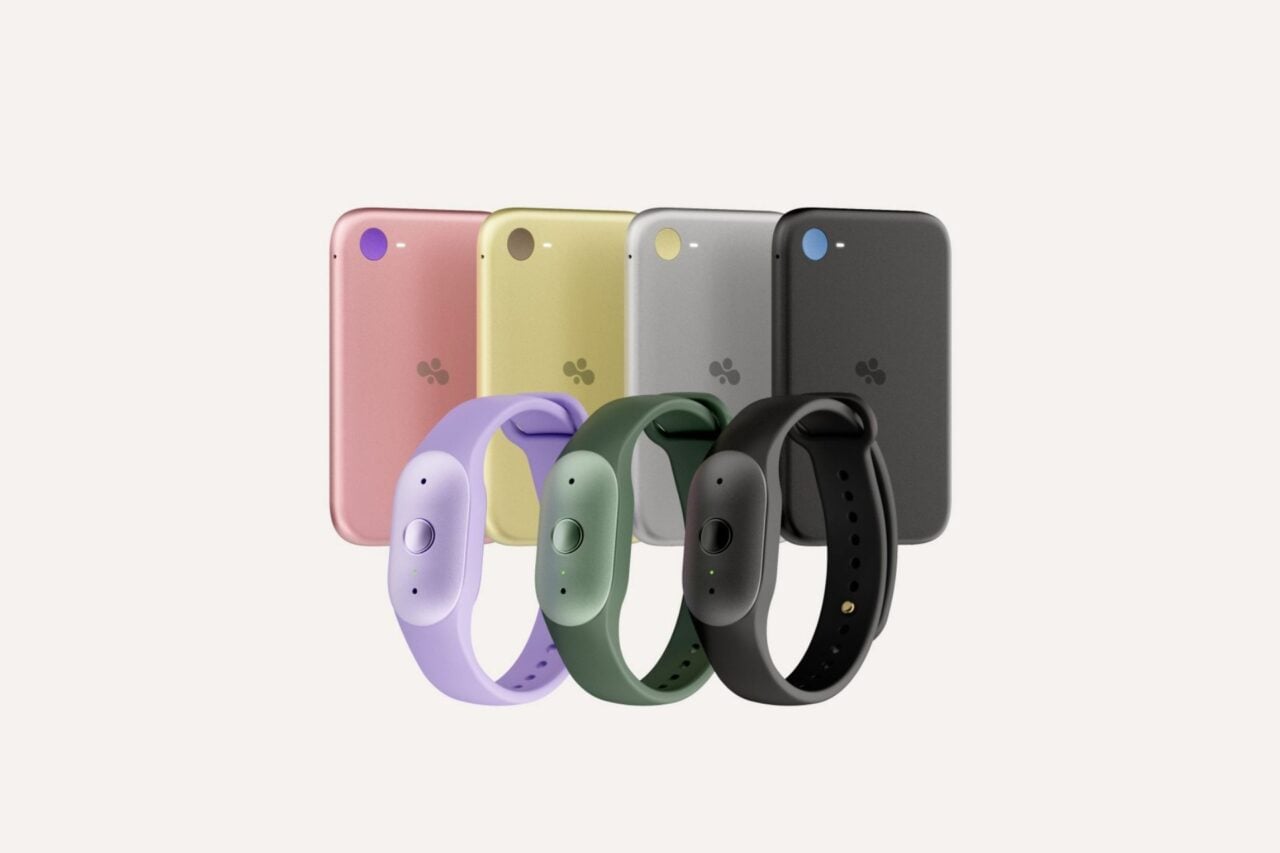
The filings the5Krunner found made their way through the United Arab Emirates’ Telecommunications and Digital Government Regulatory Authority on Oct. 12, and similar regulatory bodies in South Korea in early October and Singapore at the end of September. Images associated with the filings depict a small, rectangular sensor puck with loops on either end. The back of the puck features what looks like an optical heart rate sensor, and the loops look like they could hold wrist straps, a setup that’s similar to the Whoop 5.0.
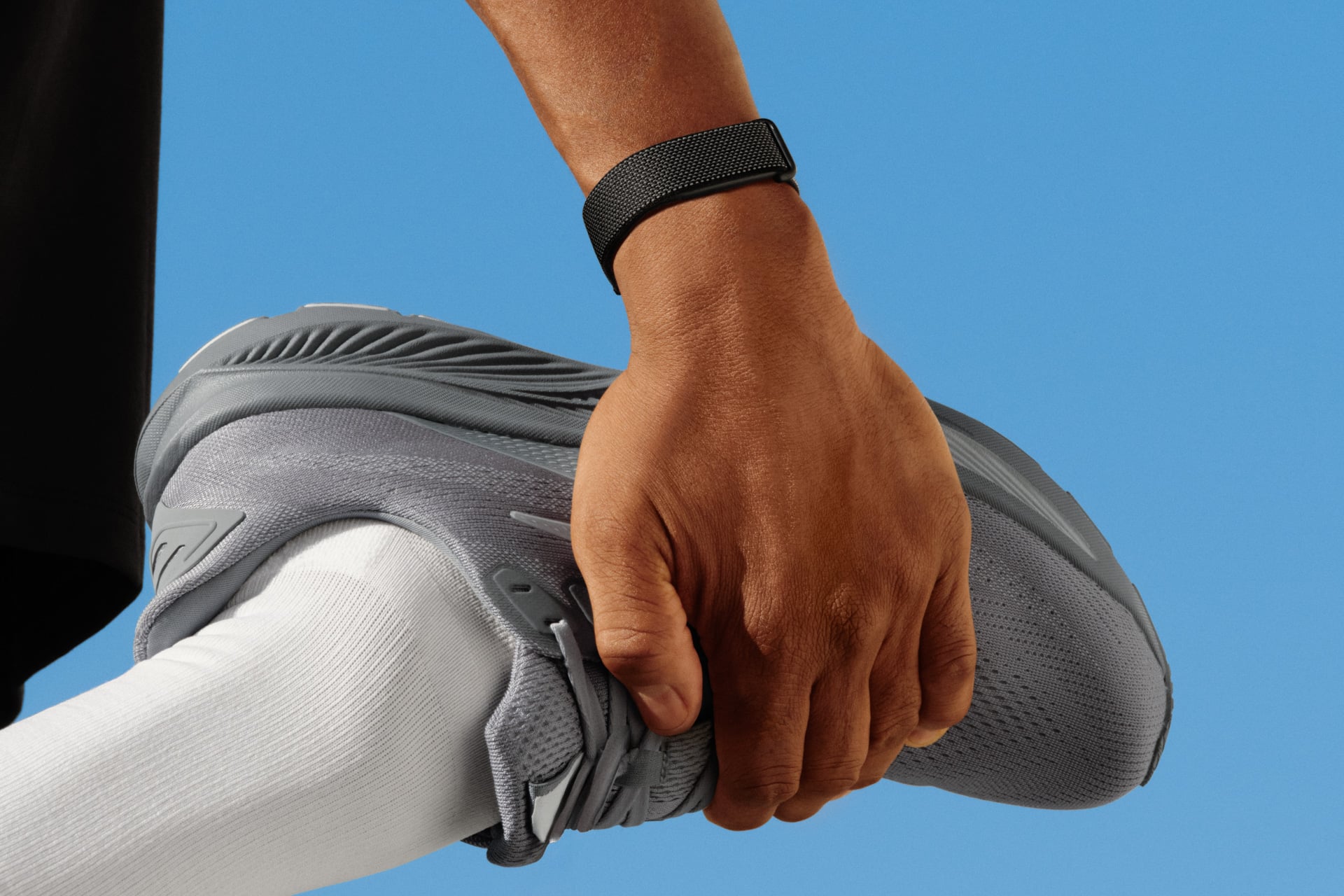
It seems likely that, unlike a Whoop, this screenless wearable will be offered without a mandatory subscription. The company sells an AI Coach subscription that unlocks a chatbot that can answer questions about training and other health metrics in its app, but so far it’s entirely optional. A screenless wearable could be one way to draw in new users and get them to pay for the AI feature in one fell swoop, not unlike what Google is trying with the Fitbit Air. That wearable works without any extra fees but is designed to be used with the AI features you get as part of a Google Health Premium subscription.
That business opportunity is one of the many reasons a growing number of companies are adding screenless wearables to their lineups. The form factor takes advantage of sensor technology that’s already compact, strips out displays to save on battery life, and is generally more comfortable to wear, both because of its size and lack of distractions. A screenless wearable is also a product you can sell to existing customers. The Garmin Cirqa can draw in new users based on its $200 price, which is on the more affordable end of Garmin’s lineup, but it’s just as appealing for someone who owns a Fenix 9 Pro but doesn’t want to wear it on their day off. Both Polar and Amazfit offer similar devices. Even Apple is reportedly interested in what an Apple Watch sans-screen might look like.
All these developments point to screenless wearables becoming the norm and, likely, the default entry-level option for anyone interested in tracking their health. Suunto would be foolish not to try and get a piece of that pie.