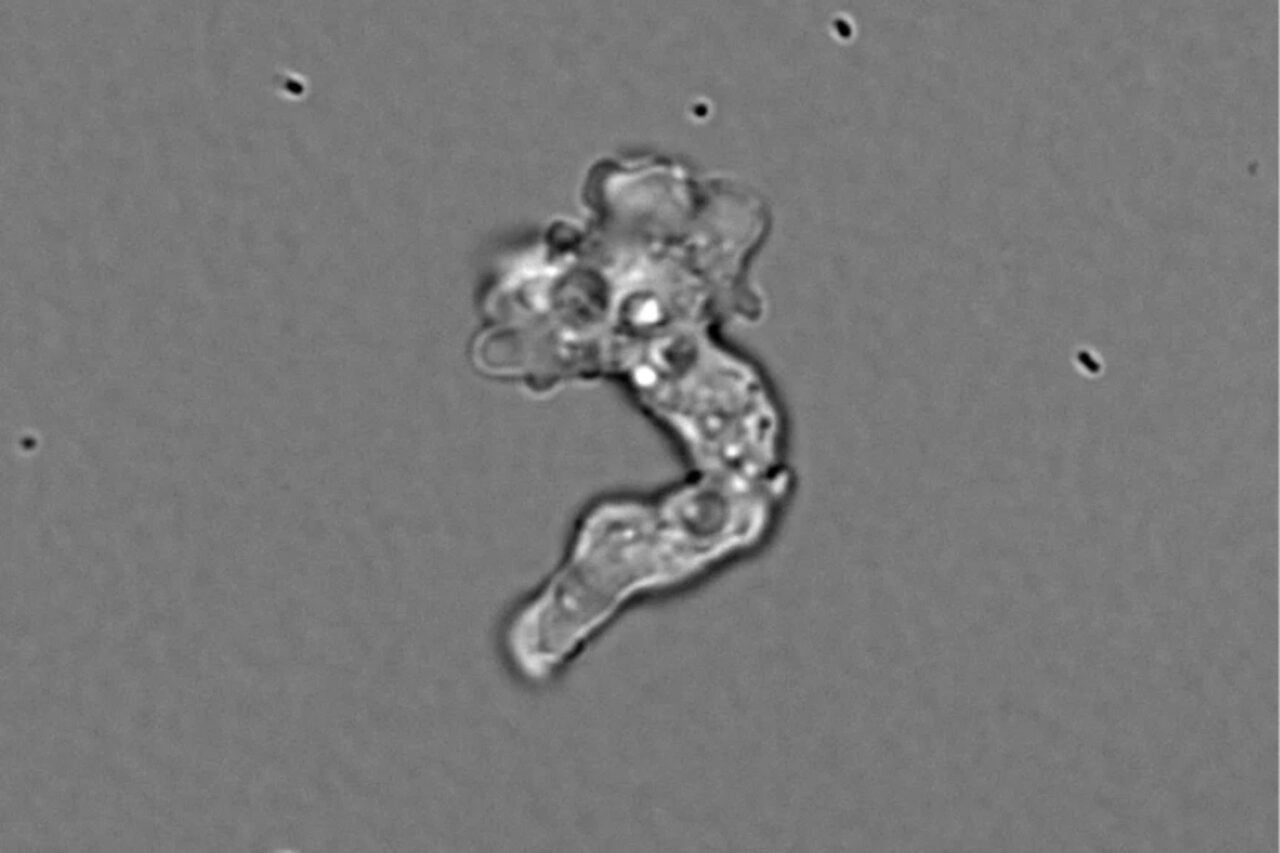
Naegleria fowleri, a.k.a. the brain-eating amoeba, can cause a rare, but nearly always fatal infection when it inadvertently enters people’s brains. Scientists at the University of California, San Diego, may have just found a new weapon that can stop the amoeba before it turns deadly.
In a study published earlier this week, UC San Diego researchers detailed their discovery of a compound isolated from marine bacteria that seems to be especially effective against N. fowleri. In lab tests so far, the compound appeared capable of killing various strains of the amoeba within hours while mostly sparing human cells. More work is needed to confirm its effectiveness and safety, the researchers say.
“Our findings identified a potent marine-derived compound and its potential target in N. fowleri,” they wrote in their paper, published Monday in the journal Marine Drugs.
Stopping a killer in its tracks
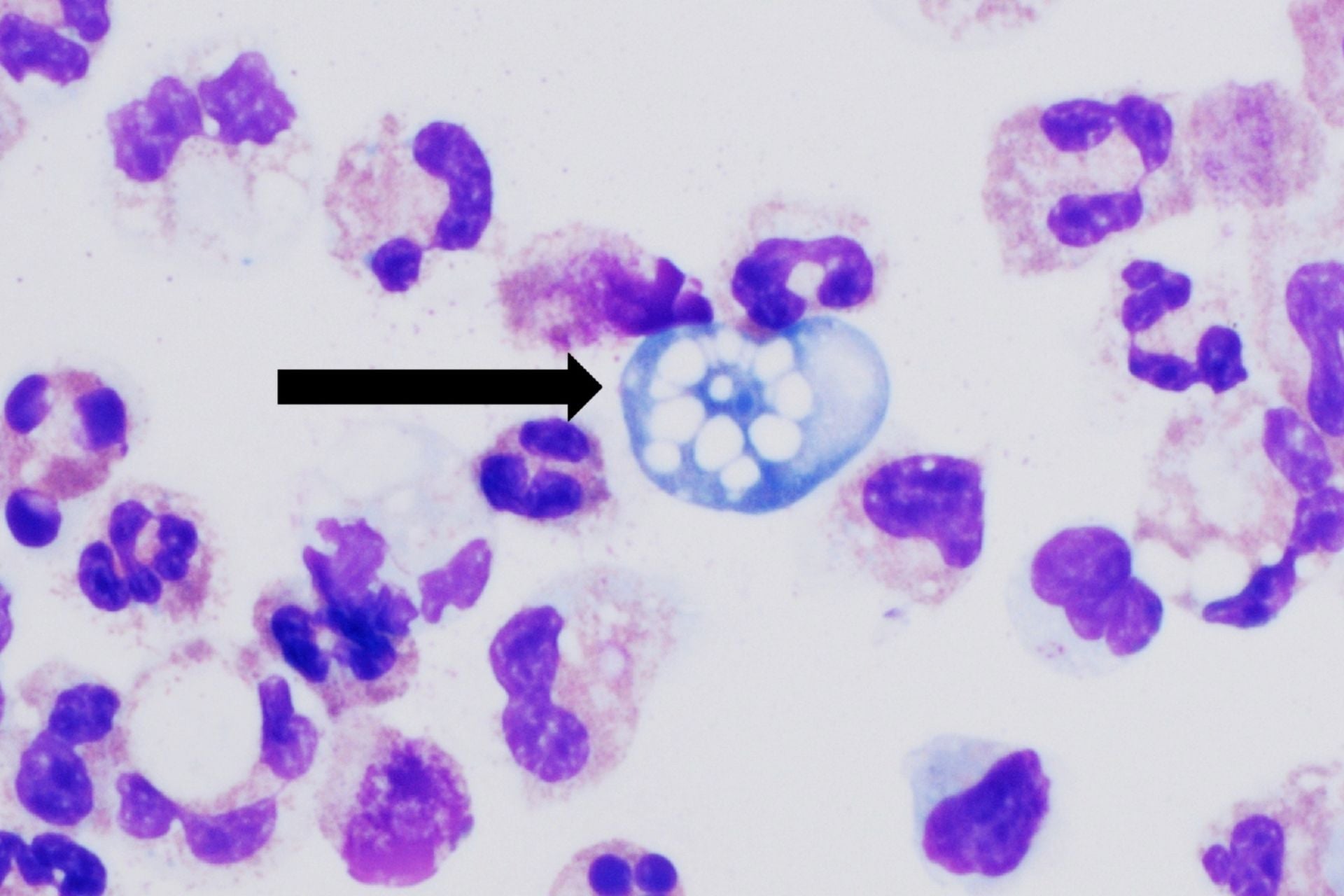
N. fowleri is a shapeshifting amoeba that lives in soil and warm freshwater. It typically feeds on bacteria and isn’t dangerous to us when it’s simply ingested in water. When the amoeba enters our body through the nose, however, it can migrate to the brain. And once there, it can literally eat brain cells and spark massive inflammation, causing a severe infection called primary amebic meningoencephalitis, or PAM.
PAM is incredibly rare, with only around 150 cases ever reported in the U.S. That said, global cases have been increasing, while the distribution of cases in the U.S. has gradually moved north. Studies have also shown that the amoeba is readily found in certain environments commonly visited by people, such as natural hot water springs at national parks.
Brain-eating aside, N. fowleri is scary because once an infection takes hold, it almost always ends badly. Even with treatment, more than 97% of people diagnosed with PAM die from it, often within days. Today’s treatments can take relatively long to reach their full potency and/or require heavy doses that are toxic to humans and amoeba alike, which hamper their effectiveness. So scientists have been on the lookout for undiscovered compounds that can possibly overcome these hurdles.
The UC San Diego team isolated such a potential compound from marine bacteria, which they named rutamycin B. The compound works by inhibiting an enzyme vital to the amoeba’s production of energy. In this new study, they tested rutamycin B against five different strains of the amoeba.
Even low doses of rutamycin B were capable of neutralizing N. fowleri, the researchers found. Importantly, it also only took about four hours for rutamycin B to reach full strength—roughly a quarter of the time that it takes for amphotericin B, the current primary treatment for PAM, to do the same. At these low doses, rutamycin B was between 200 and 300 times more toxic to the amoeba than it was to human cells. And when combined with amphotericin B, it took substantially less of the compound (between 3% and 10%) to work as effectively as it did when used alone.
“By identifying a compound that is both faster and more selective, we are moving closer to a treatment that can stop the infection before it causes irreversible damage, which could fundamentally change the prognosis for people who contract this parasite,” said study author Anjan Debnath, co-director of UC San Diego’s Center for Discovery and Innovation in Parasitic Diseases, in a statement from the university.
What comes next?
These findings are only the first step in showing that rutamycin B could be useful against N. fowleri and PAM. It will take more studies, including in animal models, before scientists will even be able to test the drug in humans. Important unanswered questions also remain, such as how well the compound can cross the blood-brain barrier, given that PAM affects the central nervous system.
The researchers certainly plan to keep digging deeper into rutamycin B. But if nothing else, their discovery illustrates how marine environments are a rich and still largely untapped resource for novel medicines and other useful chemicals, they say.
“The ocean contains a diverse library of chemicals, and we’ve only just scratched its surface,” said co-author William Fenical, a distinguished professor emeritus at UC San Diego’s Scripps Institution of Oceanography, in a statement. “These results are a powerful reminder that the solutions to some of our most challenging medical problems may be hiding in unexpected places.”