A new era of cancer treatment seems to have begun in earnest. Merck and Moderna’s personalized therapeutic vaccine for high risk melanoma is working as intended and keeping people cancer-free years later, trial data released this week has shown.
On Thursday, the pharmaceutical companies released the full promising Phase III results of their mRNA-based vaccine, named intismeran autogene. People given intismeran in combination with a standard immunotherapy drug were substantially less likely to have their cancer return two years later and are possibly living longer than those only given the drug, researchers found. Though longer-term data is still being collected, intismeran appears set to become the first next-generation cancer vaccine to garner regulatory approval in the near future.
These results will be published in the New England Journal of Medicine, meaning they will undergo the typical peer-review process, and will be presented over the weekend at a cancer conference. However, the companies reportedly decided to release their findings ahead of schedule after a third party seemingly broke the embargo and leaked the data early.
The era of cancer vaccines
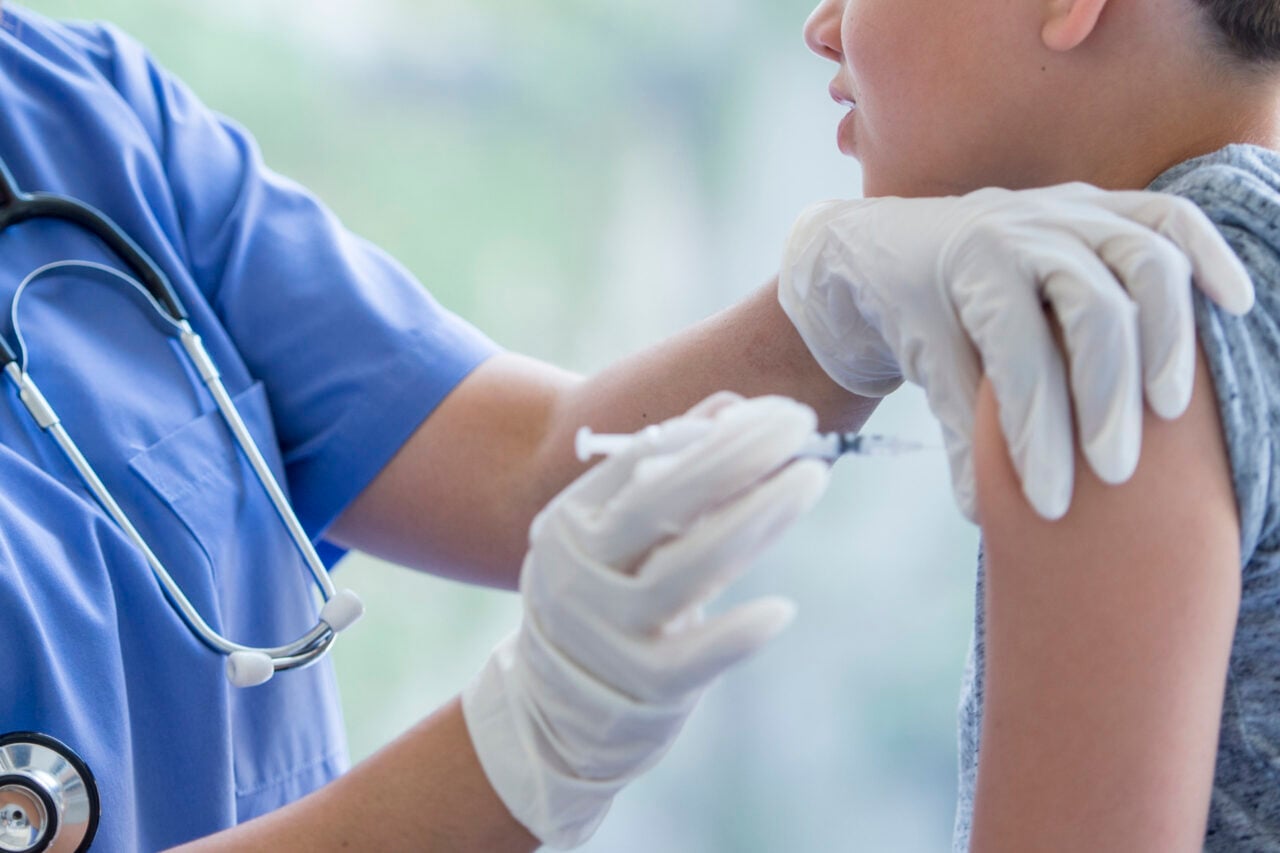
Vaccines are usually preventative—helping the body recognize threats like viruses before they arrive. Cancer vaccines, on the other hand, are typically therapeutic, meaning they’re intended to prevent future recurrences of a previously treated cancer. These vaccines, like intismeran, are often personalized to someone’s specific tumors.
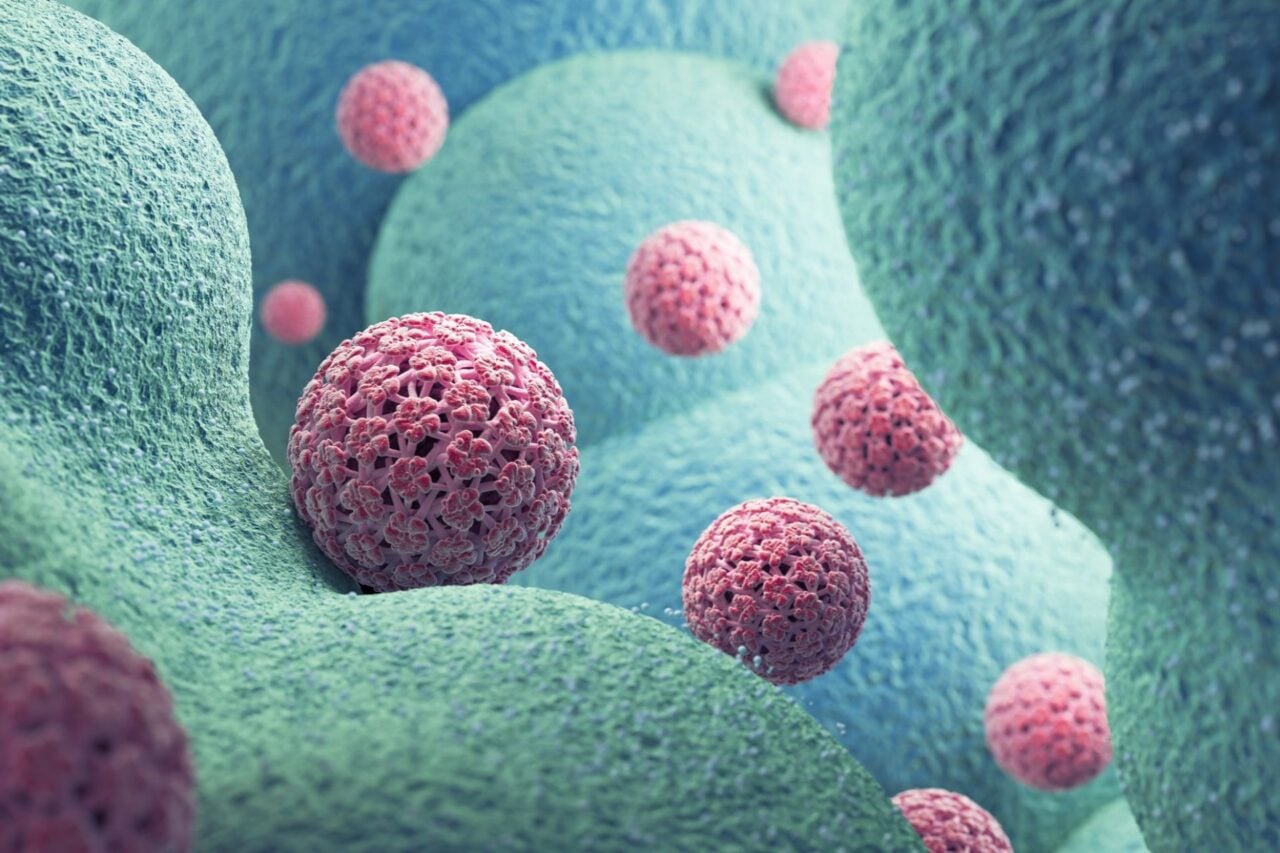
Intismeran is specifically designed to train the body’s immune system to recognize up to 34 different neoantigens, the distinct proteins that cancer cells produce as they mutate. This newest double-blinded and randomized trial, codenamed INTerpath-001, involved 1,137 patients with high-risk melanomas (stages 2B to 4) that were likely to recur. The patients first underwent surgery to remove any visible traces of their melanoma, then were randomized into two groups: People who were given Merck’s immunotherapy drug Keytruda (pembrolizumab) and people who were given Keytruda plus up to nine doses of intismeran, repeated every three weeks.
In August, the companies disclosed that intismeran met the primary goals of the trial. This week, they finally revealed the detailed primary findings of the trial.
Compared to Keytruda-only, the vaccine-drug combo reduced people’s risk of melanoma recurrence or death by 42% by the two-year mark. In absolute terms, 82.2% of vaccinated people were still cancer-free after two years, compared to 70% of Keytruda-only patients. The combination also reduced people’s risk of distant metastasis (cancer reappearing far away from the original site, which is more concerning) or death by 38%. And though it may take years to know for sure, the companies stated there is early evidence suggesting that people on intismeran will live longer overall.
The treatment also appeared to be relatively safe and in line with earlier results, with no new safety signals seen in the trial. Most adverse events related to the treatment are likely to stem from Keytruda, which is known to commonly cause side effects like fatigue and muscle pain; it can also potentially cause severe complications like liver or lung inflammation.
The INTerpath-001 trial involved multiple research sites, including the Memorial Sloan Kettering Cancer Center in New York. On Friday, the Center held a press conference discussing the findings, which included testimony from Beth Ryzyk, a trial participant who was diagnosed with stage 3C melanoma in 2023.
“I feel great… Sometimes I even forget about [the cancer], which is the best outcome you can have. Because it’s always in the back of your mind, that recurrence and [that] it could come back,” Ryzyk said at one point.
Importantly, both Ryzyk and her doctors are still blinded, meaning they’re not sure which treatment group Ryzyk belongs to for the time being. That said, two-thirds of the participants in the trial were given the vaccine-drug combination.
The future of intismeran
The companies’ announcement Thursday drew a muted response from the financial sector, with their stock prices initially falling. On the science end of things, however, this seems very promising.
Though there are some existing cancer vaccines available today, they’re generally modest in effectiveness. Personalized and other next-generation versions of these vaccines, like intismeran, are expected to significantly improve the field of cancer treatment moving forward. Merck and Moderna are already working on other late-stage trials testing intismeran plus immunotherapy for other types of tumors, including non-small cell lung cancer.
“Since this is not a specific melanoma therapeutic, our hope is that this principle would be expanded to other types of cancers, particularly those with a lower tumor mutation burden,” said Michael Postow, one of the study researchers and Chief of the Melanoma Service at Memorial Sloan Kettering Cancer Center, during the press conference.
Intismeran’s approval would also bolster the reputation of mRNA vaccine technology, which has been under fire lately. Many supporters of the antivaccination movement, including the current secretary of the U.S. Department of Health and Human Services, Robert F. Kennedy Jr., are especially hostile to mRNA vaccines.
This article has been updated with comments from one of the trial’s researchers and a trial participant.