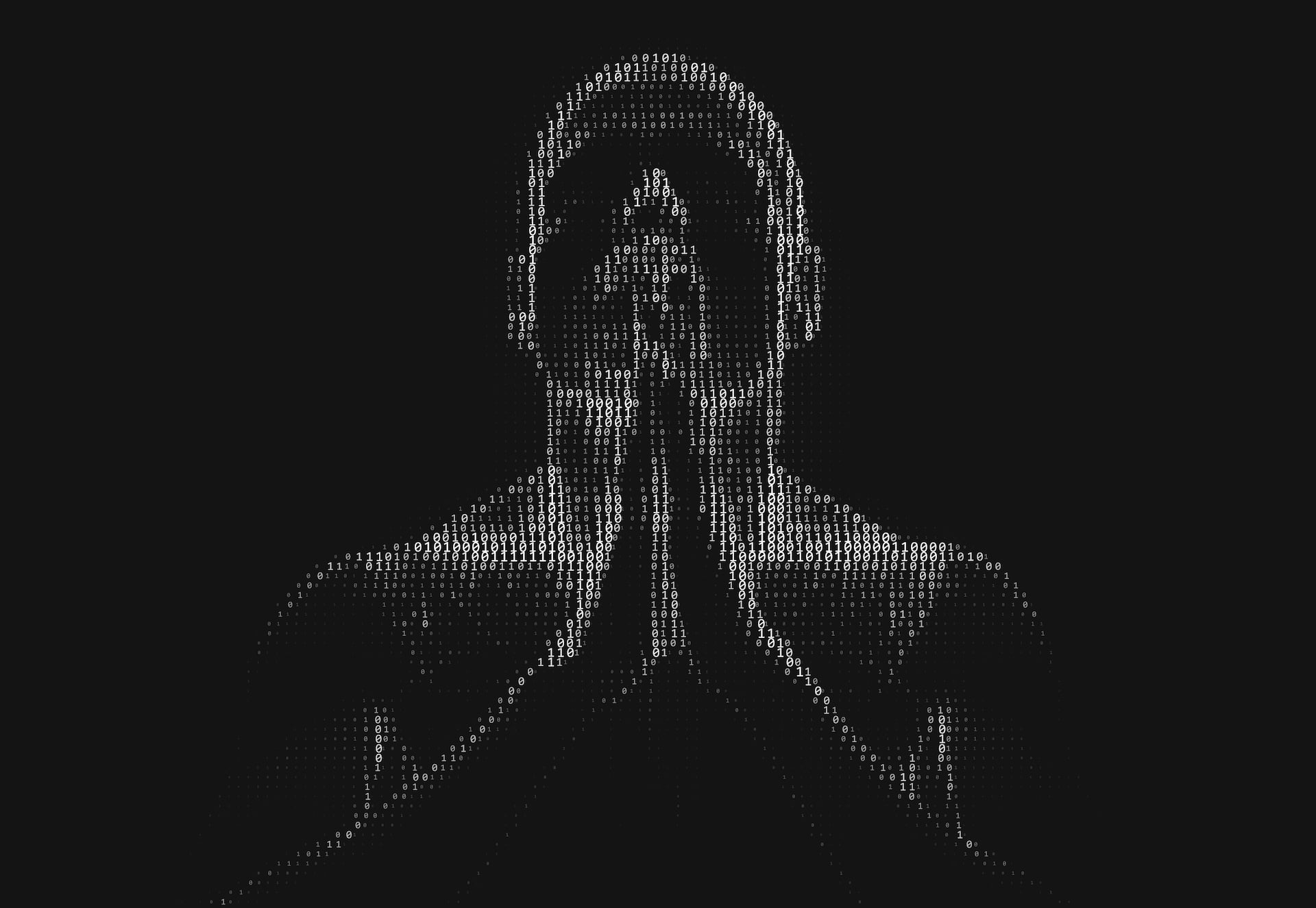
The original mysterious black box wasn’t an AI model at all, but the Kaaba, the black cube at the center of the Sacred Mosque of Mecca. Prior to Muhammad’s conquest of Mecca, the Kaaba was a sort of all-purpose repository of 360 sacred symbols from around the region. If you were, say, a busy merchant on his way to Medina, whatever the great spiritual truths of the universe may be, they were in there somewhere, so a prayer to the Kaaba had you covered in the god department and you were good to go.
Anthropic seems to be doing something along these lines with Claude.
Last week, representatives from Anthropic—along with OpenAI—attended an event in New York called the “Faith-AI Covenant” roundtable. The New York Board of Rabbis, the Hindu Temple Society of North America, the Church of Jesus Christ of Latter-day Saints, the U.S.-based Sikh Coalition, and the Greek Orthodox Archdiocese of America were all in attendance.
Last month, I wrote about a series of meetings and dinners Anthropic organized with a collection of 15 Christian leaders. Anthropic was looking for advice from the Christians, and guidance on the supposed “spiritual development” of its Claude AI model. At the time Anthropic said it was working on arranging meetings with moral thinkers who represented other groups.
It’s not clear from a fresh Associated Press piece about the Faith-AI Covenant meeting whether these latest conversations with religious leaders and the earlier meetings with Christians were part of a single coherent program at Anthropic, and whether the staff members who participated in the Christian summit participated in this one as well. Gizmodo asked Anthropic for clarity about this on Saturday, but Anthropic did not return our request as of this writing.
The Associated Press also says OpenAI and Anthropic “initiated outreach,” but also that a Swiss NGO called the Interfaith Alliance for Safer Communities organized it, and has plans for future events along similar lines in China, Kenya and the United Arab Emirates. Also mentioned as a “key partner” was Baroness Joanna Shields, a member of the British House of Lords.
There’s not a single clear takeaway in the AP story—no religious instructions laid out by all these spiritual leaders. But what Anthropic calls Claude’s constitution includes a dissection of the philosophically fraught moral work Anthropic is at least trying to do by injecting morals into a machine: getting it to make the decision of a person with perfect values when there’s no way to write a rule for a situation that arises, and the consequences of making the wrong decision could be dire. This, Anthropic writes, is “centrally because we worry that our efforts to give Claude good enough ethical values will fail.”
To this end, the Associated Press story extracts some quietly devastating commentary from Rumman Chowdhury, CEO of a nonprofit called Humane Intelligence: “I think a very naive take that Silicon Valley has had for a couple of years related to generative AI was that we could arrive at some sort of universal principles of ethics,” Chowdhury told the AP, adding, “They have very quickly realized that that’s just not true. That’s not real. So now they’re looking at maybe religion as a way of dealing with the ambiguity of ethically gray situations.”
They are indeed looking at maybe religion. But it’s hard to picture Anthropic coming away from these meetings converted, and inserting one set of specific religious doctrines into Claude. They’re just trying to glean high order ethical truths, and demonstrating to the world that they’ve—ostensibly—left no stone unturned in searching for them.
Your mileage will vary on whether you think a machine charged with making decisions or giving important advice would, when the chips are down, be able to synthesize ideal morals thanks to meetings its creators held with administrators from some of humanity’s premier religions. It probably can’t hurt, sorta like nodding at the pre-Islamic Kaaba. But then again, only God knows for sure.