To put it mildly, the sheep-herding, pre-Roman tribes of southeastern Italy, sometimes known as the Iapygians, did not always get along with the ancient Greeks then establishing colonies alongside them at the heel of Italy’s boot-shaped peninsula. These Indo-European peoples, for example, managed to kill Archidamus III, the king of Sparta, in 338 BCE—after the ruler touched ground with a fleet and mercenary army hellbent on defending the ancient Greek colony of Tarentum.
But archaeologists have now discovered a tomb in what was once the ancient city of Manduria, home to the Iapygian tribe known as the Messapians, that very much complicates these centuries of hostility between the Greeks and Italy’s more established residents. Researchers with the region’s superintendent of archaeology, fine arts, and landscape announced that they have uncovered a tomb within the ruins of Manduria that apparently belonged to a local priestess who worshipped Demeter (“Demetra” in Italian), an ancient Greek goddess of the harvest.
Someone, in other words, was worshiping an Olympian deity—one with cultural ties to health, agriculture, and the underworld—around the same time and in the same city where Archidamus III was ultimately defeated and killed.
“The first epigraphical and iconographic interpretations suggest that the burial may have belonged to a female figure holding important priestly functions related to the cult of Demetra,” according to an official announcement posted by the superintendent and translated via Facebook.
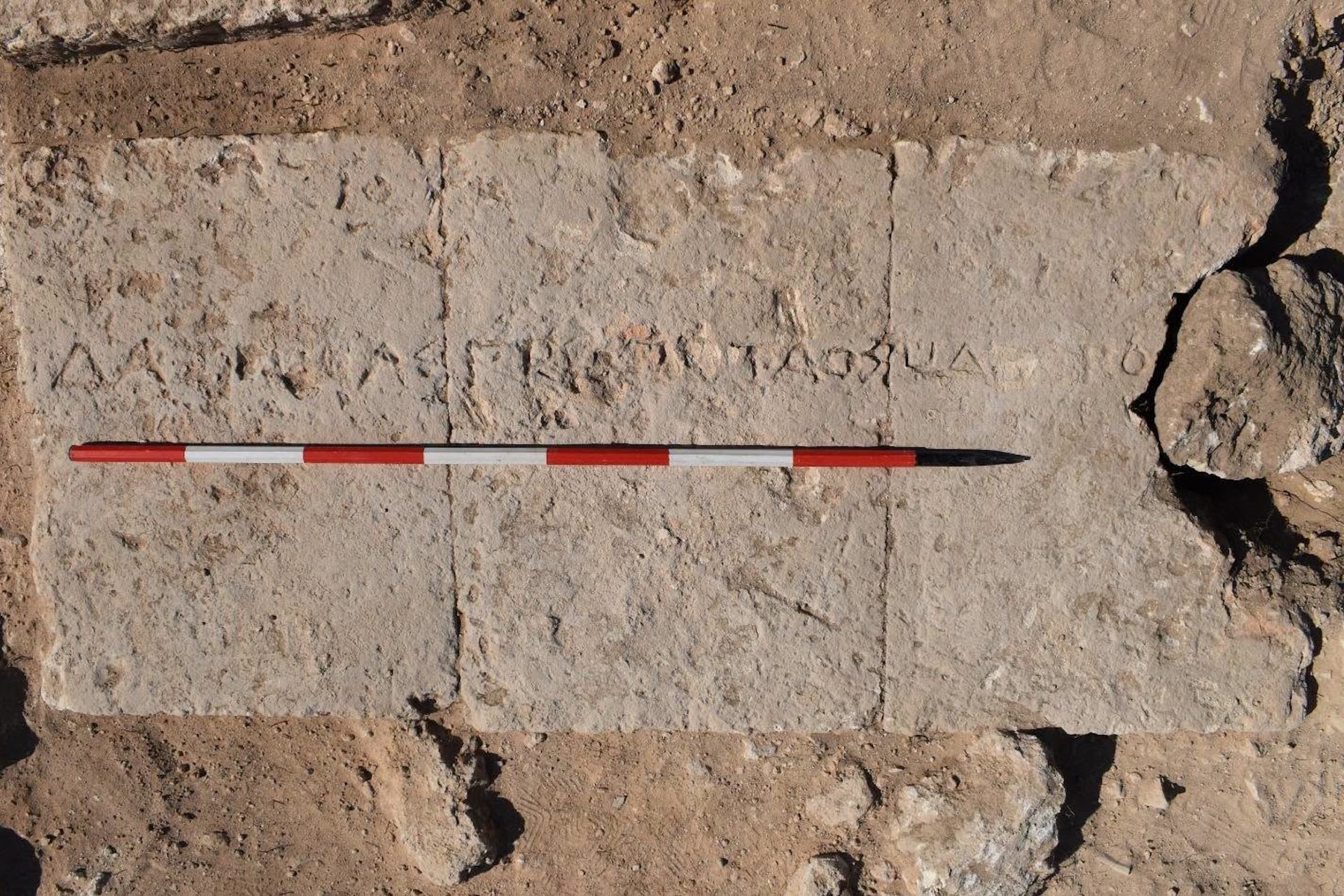
Dated to sometime between the 4th and 3rd centuries BCE, the tomb was identified, in part, via two inscriptions in the local tribe’s ancient Messapian language, as well as “extraordinary pictorial decorations,” the officials said.
Tomb 17 of Manduria
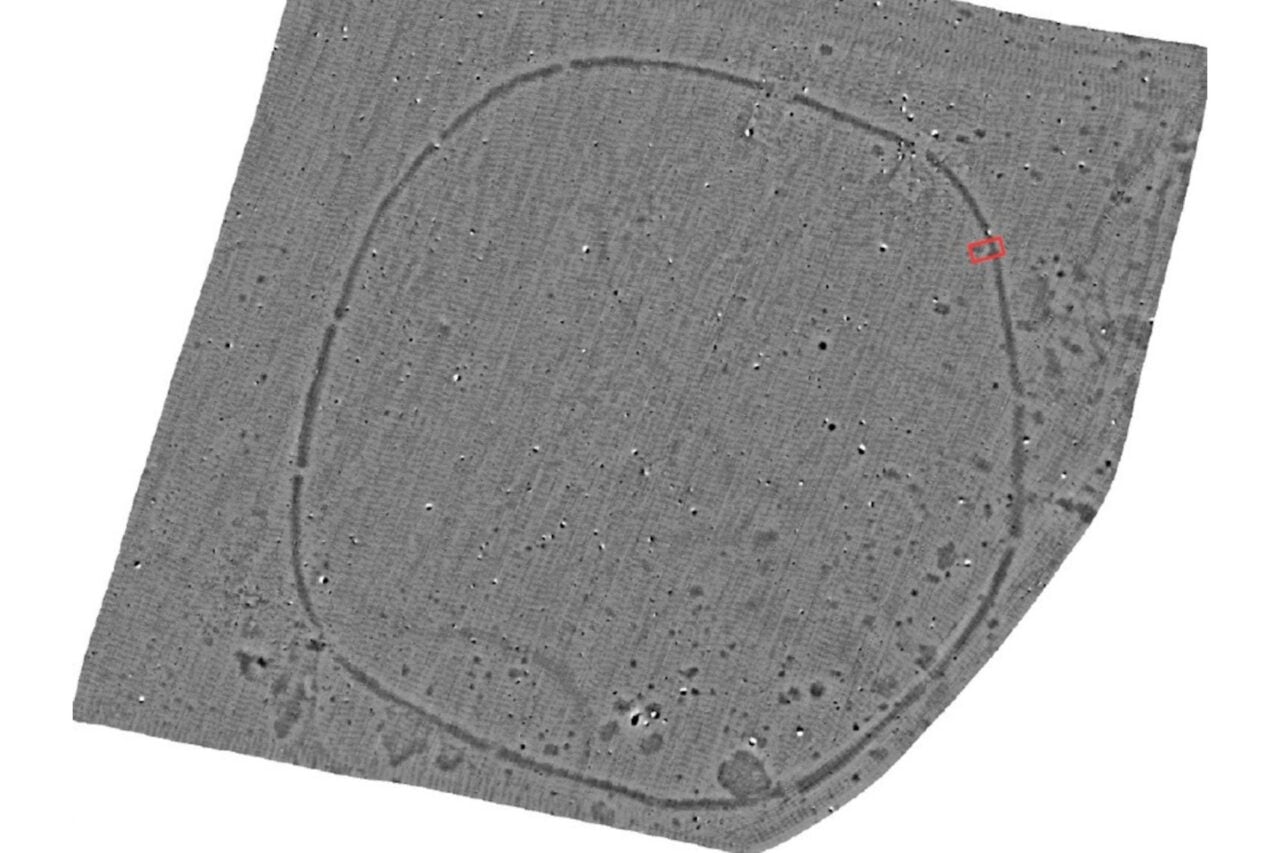
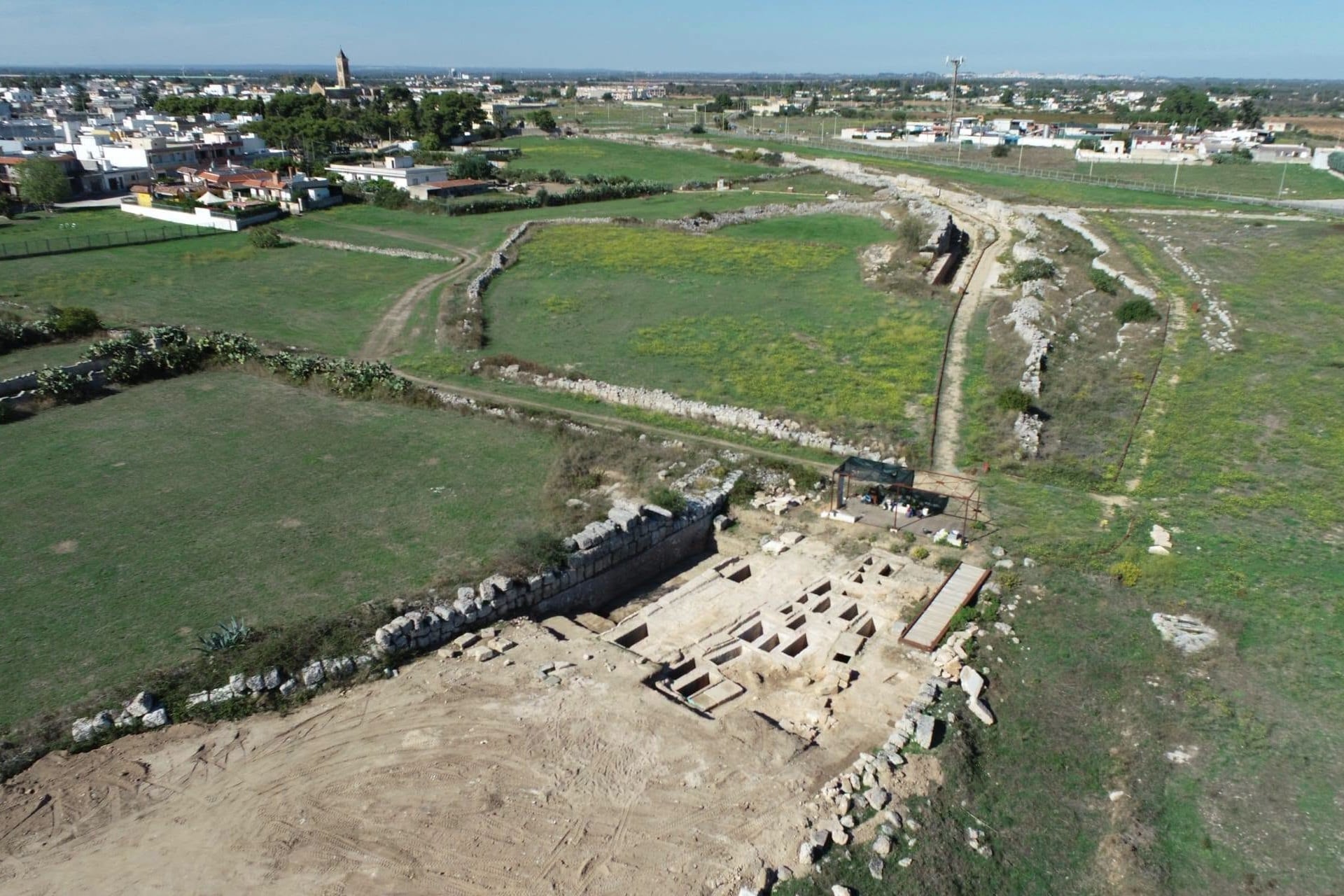
Stefania Montanaro, an archaeologist with the Italian Ministry of Culture’s in-house corporation Ales S.p.A., and her colleagues found the apparent tomb of this local Demeter cult priestess, labelled “Tomb 17,” along with a total of 23 other nearby graves dated to the same time period. The tombs were located in the southern sector of the Messapian Walls Archaeological Park and the ancient city’s eastern gate, sites that have provided “a deeper understanding of the defensive system and urban organization” of ancient Manduria, according to the announcement.
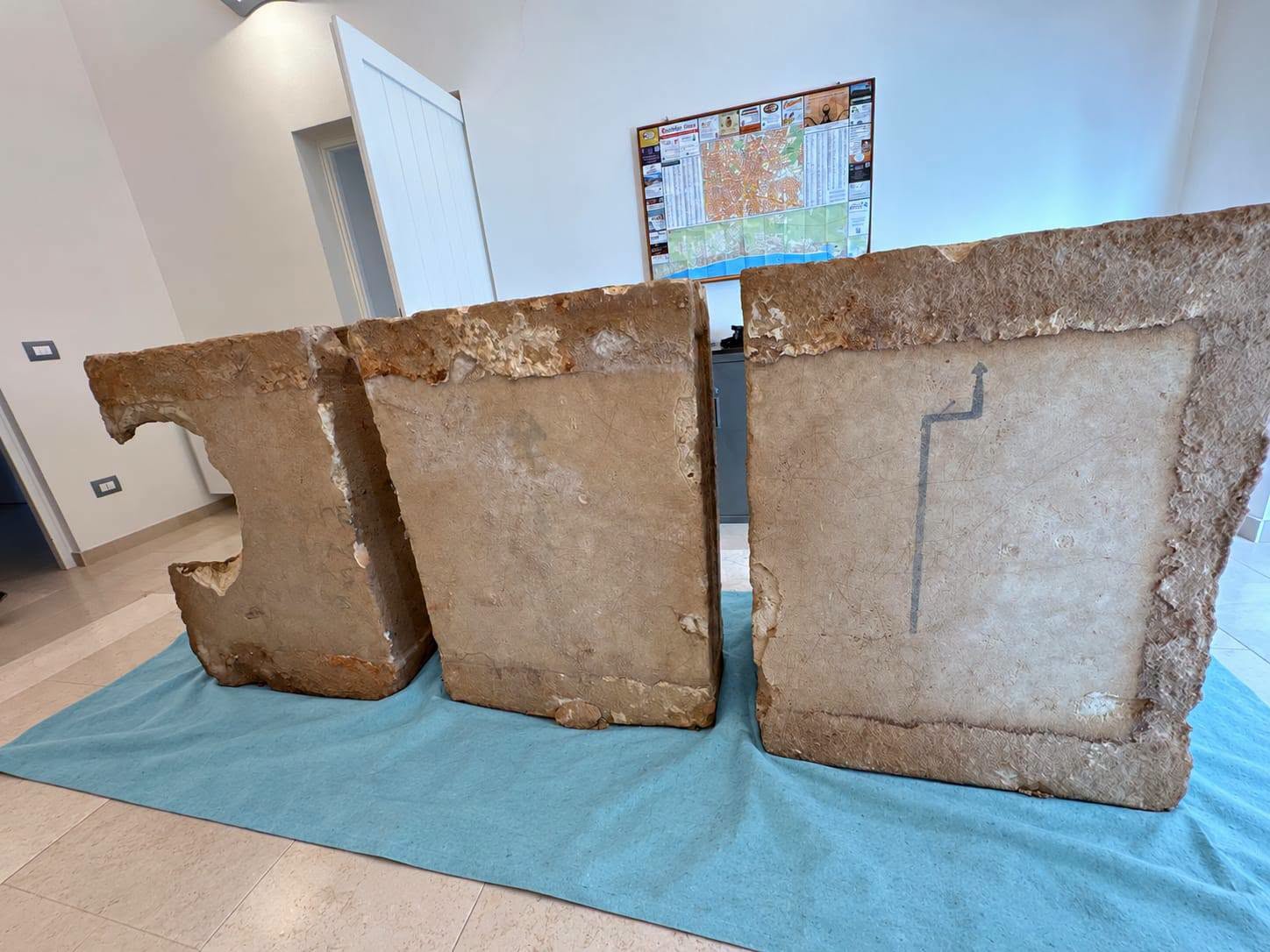
Repeating “meandros” decorations in the classic Greek style adorn Tomb 17, which had originally been found encased by three large stone slabs bearing Messapian inscriptions. The tomb also bears images believed to be a key to the sanctuary and evidence of ritual incense burning via a Greek thymiaterion.
According to the Superintendent of Archaeology, Fine Arts, and Landscape for the Italian provinces of Brindisi, Lecce, and Taranto, the find “opens new perspectives on the funeral and religious practices of ancient Manduria.” Incidentally, that latter province’s titular city of Taranto—located about 22 miles (35 kilometers) west of Manduria’s ruins—sits where the ancient Greek colony of Tarentum once stood.
The tomb’s future
Montanaro, along with the archaeologist in charge of the Manduria excavation sites, Vincenzo Ria, and the collaborating local officials, noted that further “conservation and enhancement” efforts will hopefully place the tomb finds on a path toward exhibition at the Archaeological Museum of Manduria.
“The investigations will continue through specialized studies, restoration activities, and scientific in-depth studies,” according to the superintendent’s post covering the October 29, 2026, press conference.
“The new discoveries confirm the extraordinary value of the archaeological heritage of Manduria and the importance of scientific research as the foundation of conservation, preservation, and enhancement activities,” the announcement concluded.