As of June 15, over a million acres of the state had already been scorched, the earliest the state hit that benchmark in decades.
The ongoing megadrought is affecting crop quality and crop yield all over the U.S.
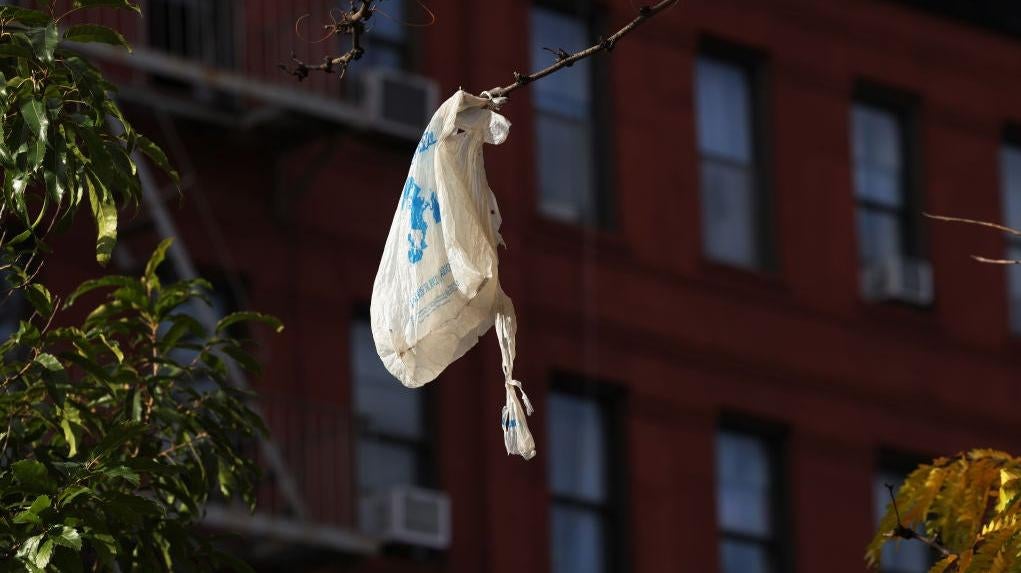
If this happens, L.A. would become the largest city in the U.S. to enact such a ban.
The reservoir on the Arizona-Nevada border is at its lowest level since the 1930s.
The blood-like speckles in the snow are created by algae, which can fuel snowmelt.
The Po river has not had any rain in over 110 days, revealing a barge that sank eight decades ago.
The findings are exciting, but many questions remain about this population.
The weather pattern also affects the Atlantic hurricane season.
Geoengineering is fun to think about—but lowering current emissions should be the most important goal.
As extreme heat cooks the U.S. this week, Phoenix, Arizona is setting some dangerous records.
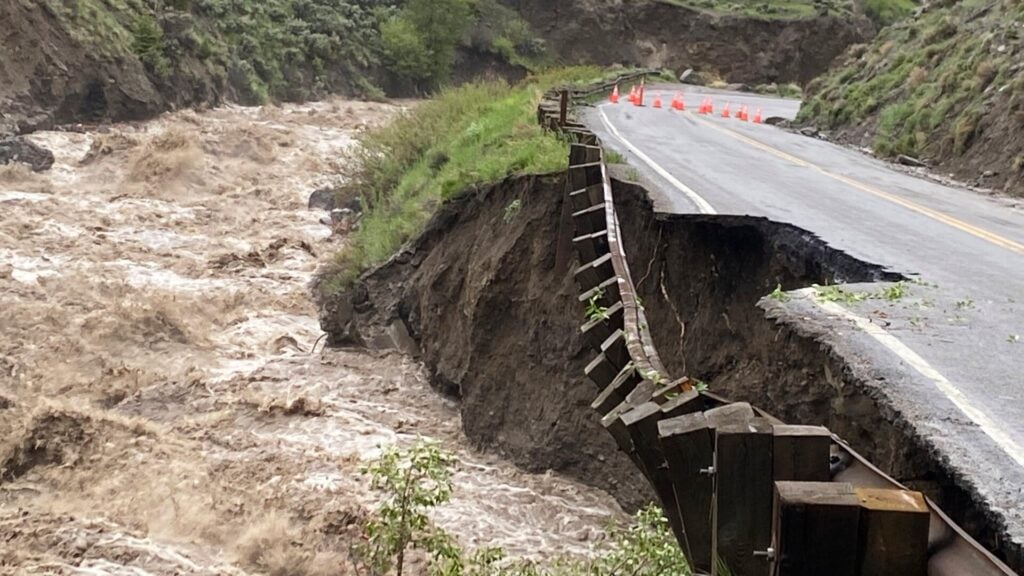
The park has shut down for the first time in more than 30 years.
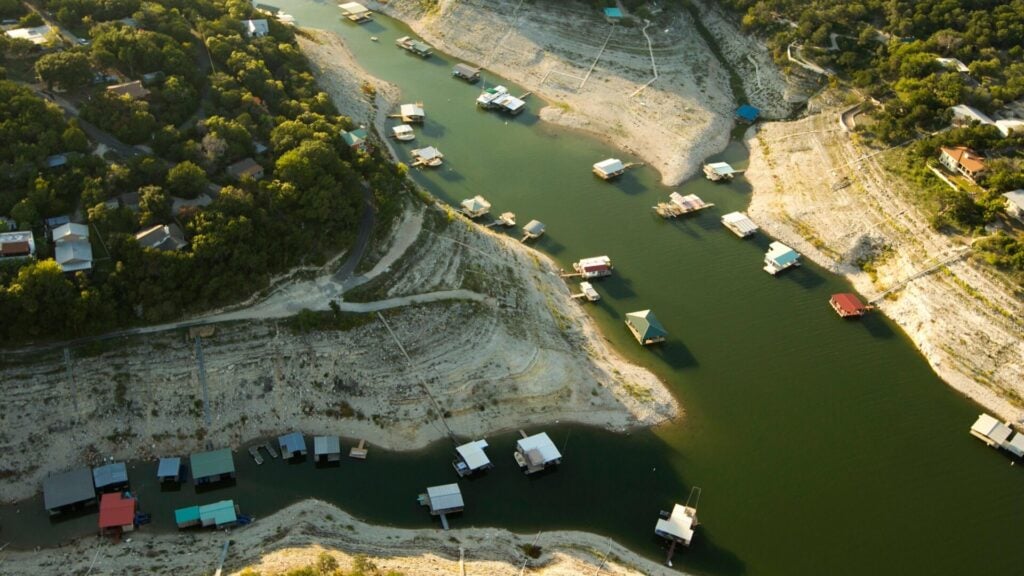
One reservoir is now barely more than a swimming pool, while another lake is totally gone. Access to drinking water is a major concern in the country.
Plaintiffs say that the agency has been a roadblock to reaching net zero.
The phase-out of plastic is supposed to be complete by 2032, because what's the rush?
We're breathing in some seriously nasty particles.
People who violate the water restrictions face $500 fines.
Last Beach Cleanup alleges that two businesses have misled customers and violated California law.
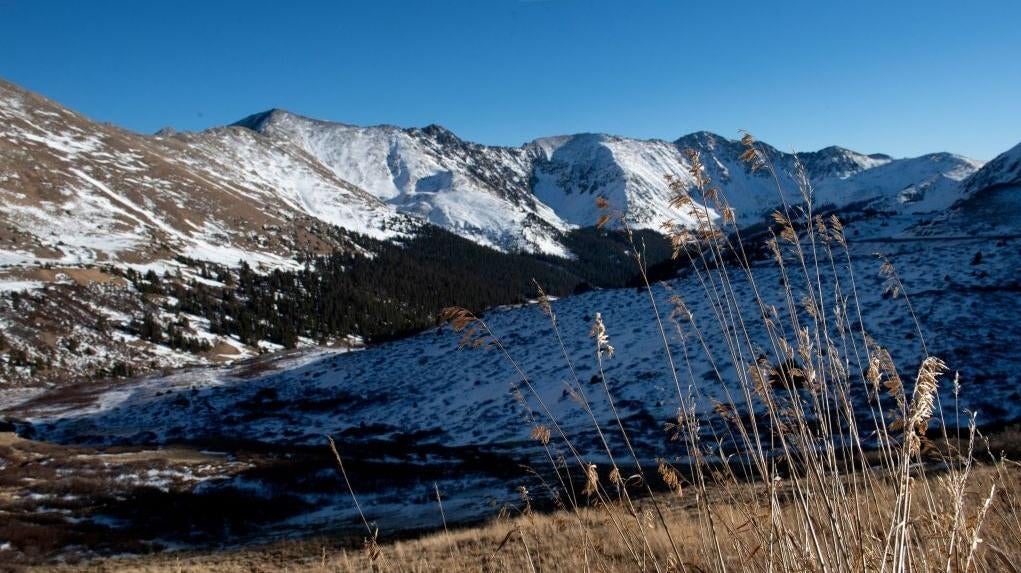
Colorado could lose most of its snow in a few decades, a new study finds.
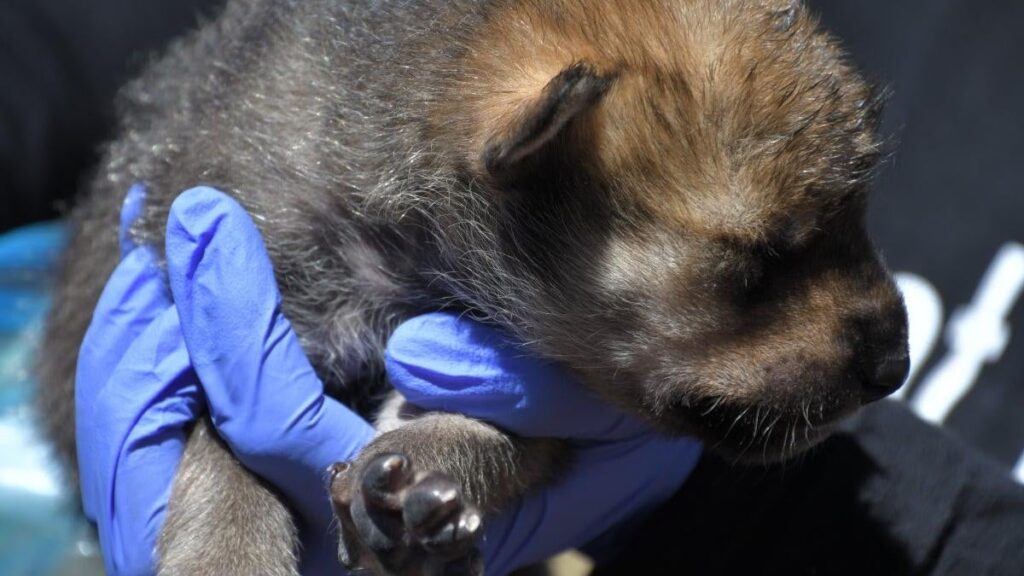
If they thrive in the wild, there’s hope for regrowing the dwindling wolf population of the U.S. Southwest.
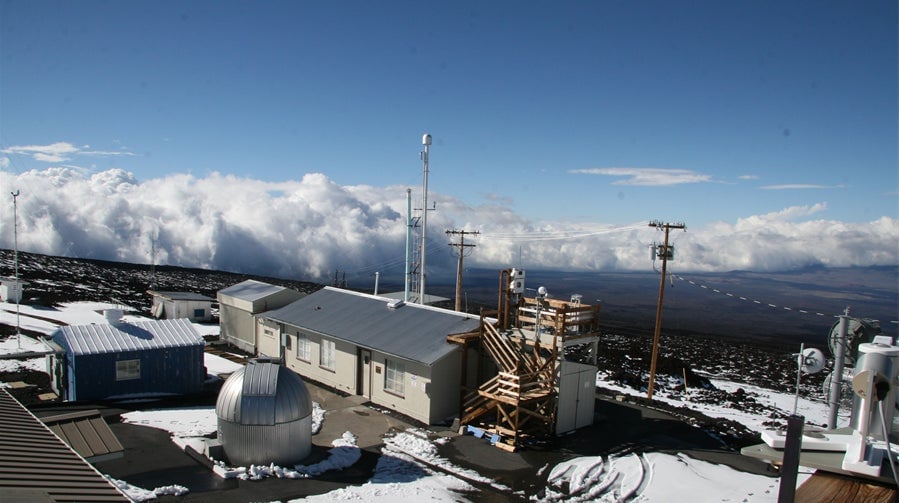
The atmosphere now contains more carbon dioxide than at any point in human history.