Cancer researchers have been calling the chemotherapy drug paclitaxel, better known as Taxol, their “holy grail” for years—in no small measure due to its effectiveness and natural origin in the bark of the Pacific yew tree (Taxus brevifolia). But due to the tree’s slow and steady growth, Taxol now ranks high among the world’s most expensive active pharmaceutical ingredients, costing (as of 2025) over $9,000 USD per pound ($20,000 USD per kilogram).
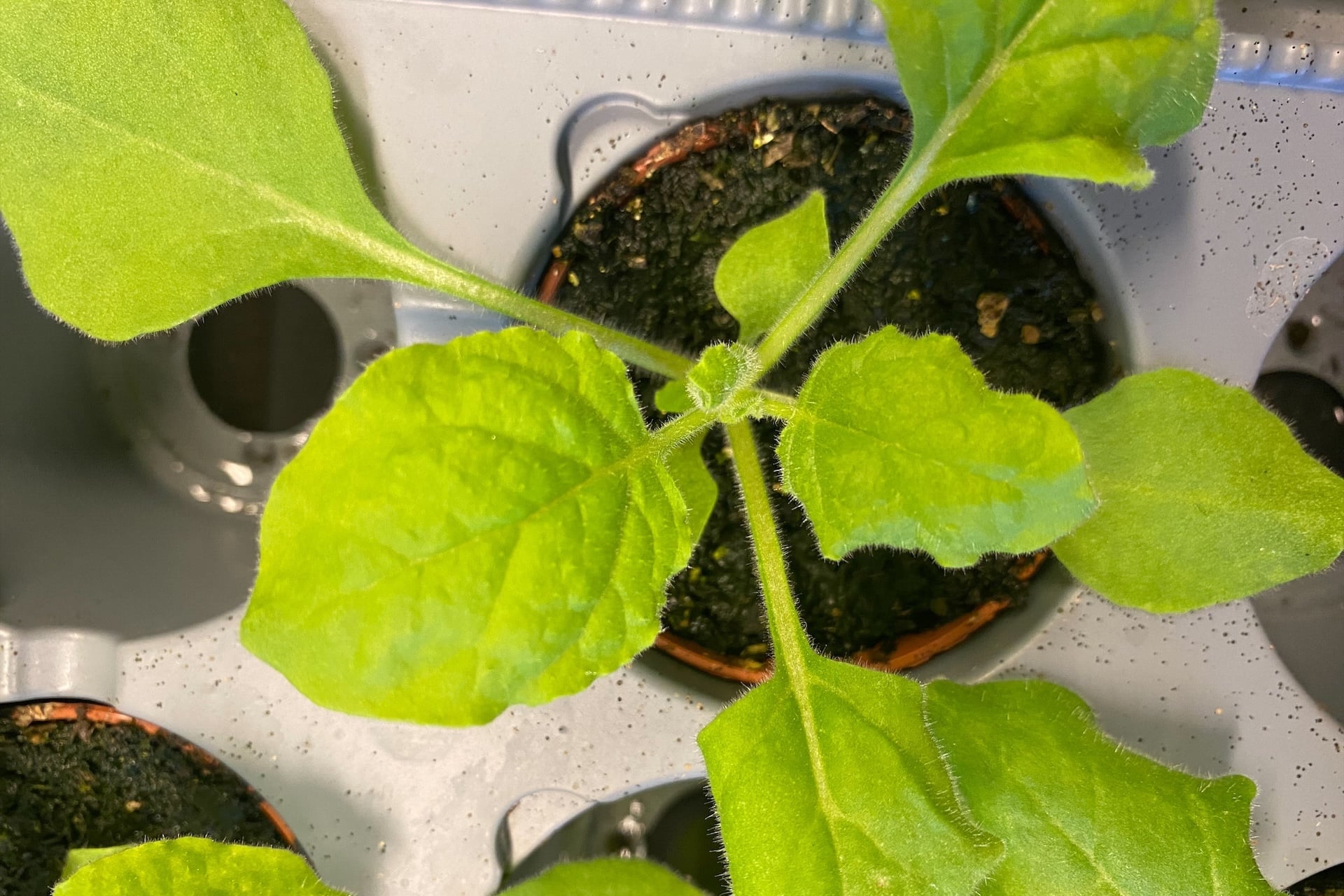
If you can believe it, that sticker price is actually a steep discount from the drug’s $272,160 per pound ($600,000-per-kg) cost over a decade ago, thanks to new biochemical synthesis pathways developed to work around the fact that yew trees take about 70 to 100 years to mature. But biochemical engineers at the University of Copenhagen now report that they have isolated the genes responsible for Taxol’s production, introducing them into perhaps the most unlikely plant species ever to be associated with a life-saving cancer medication: the tobacco plant Nicotiana benthamiana.
“We introduced more than 20 of the yew tree genes into tobacco plants to demonstrate the entire biological process of Taxol production step by step,” as Zhen Fan, a postdoctoral researcher at the university’s Department of Plant and Environmental Sciences, explained in a statement.
Fan’s coauthor Sotirios Kampranis, leader of his department’s plant-based biochemical engineering group, added that this particular species of tobacco offers real advantages for manufacturing the medication, which is used to treat breast cancer, ovarian cancer, and (yes) lung cancer.
“The tobacco plant is an effective platform for growing Taxol because it provides the same cellular environment as the yew tree but is a lot faster to grow and easier to engineer,” according to Kampranis. So—metaphorically speaking—you put that in your pipe and smoke it.
Taxol preparers
Originally, it would take all the bark from two whole yew trees to make just one treatment of Taxol, according to Kampranis and his colleagues. It’s a key reason why current methods have pivoted to harvesting the yew’s needles for the cheaper, but more complicated, synthetic biochemical process.
The Copenhagen team’s use of Nicotiana benthamiana (which actually sees quite a bit of lab use given how fast it grows) helped them map out both the missing set of enzymes and the overall sequence of biochemical steps that the yew tree performs to make Taxol. But, Kampranis noted, the tobacco plant could also easily wind up serving as the genetically engineered endpoint that allows pharmaceutical companies to scale up a cheaper production model for Taxol as well.
“We have tested numerous hypotheses to uncover the complete biological pathway for producing Taxol from start to finish,” Kampranis said. “We now have a blueprint, essentially a recipe, that can be used to produce Taxol in plants, yeast or other systems.”
According to the team’s new study, published Monday in the journal Nature Chemical Biology, the modified tobacco plant can now produce Taxol at a dry weight of 61.05 parts per million (or 61.05 micrograms per gram), “comparable to levels in Taxus bark.”
Taxol spenders
A critical hurdle remains, however, before humanity could one day bear witness to the dramatic twist of acres of tobacco harvest helping treat cancer. Kampranis, Fan, and their colleagues performed faster, less permanent genetic tweaks to their N. benthamiana plants, inducing temporary expressions of the yew tree’s genes via the injection of modified AGL1 and GV3101 strains of agrobacterium that are common to this kind of genetic research.
“Large-scale production, for example in greenhouses, requires stable plants that permanently contain the yew genes, so that we do not have to introduce them every time,” Kampranis noted. “That is the next major challenge.”