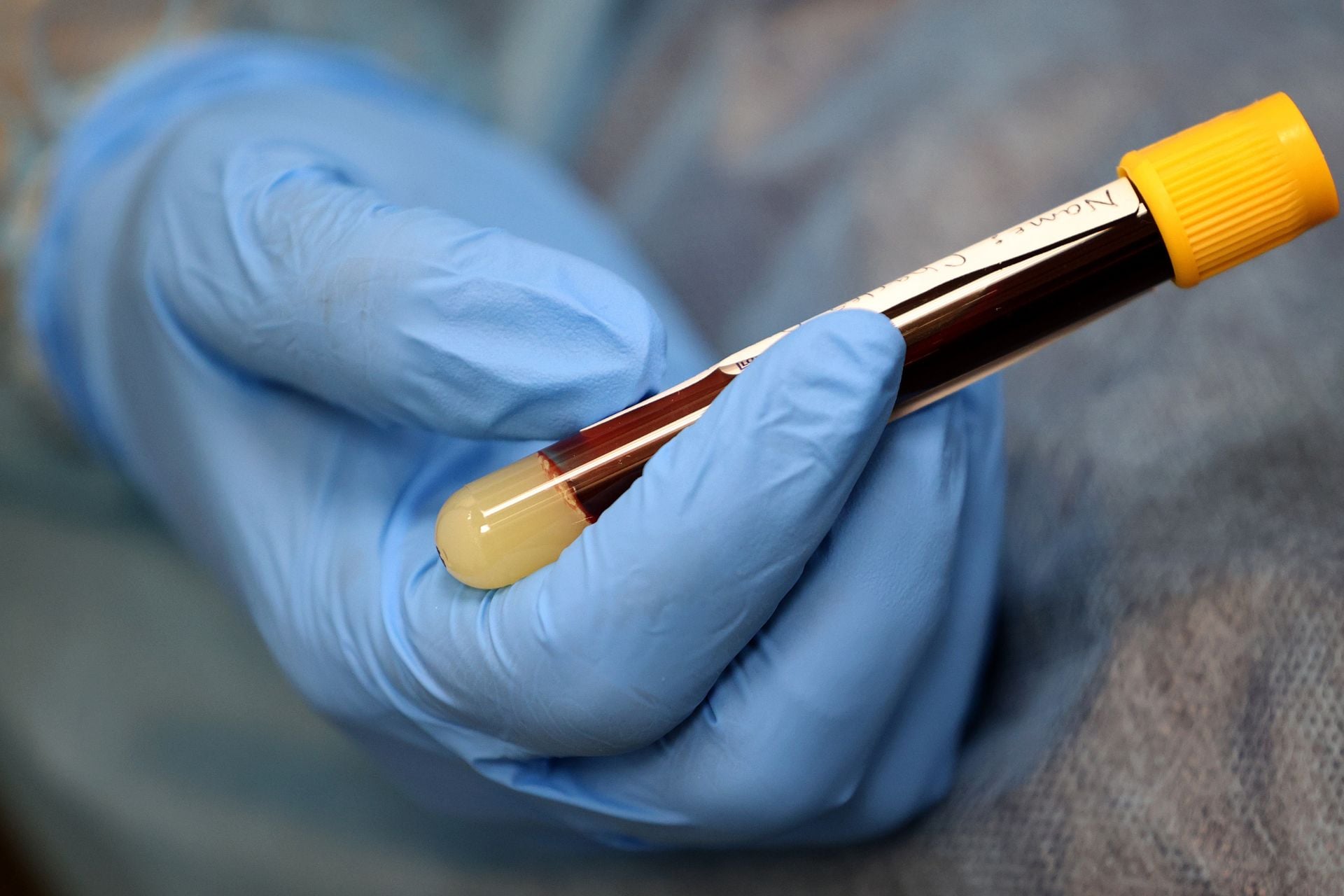
If you’re a man reaching middle age, the American Cancer Society (ACS) has an important message for you: It’s probably time to keep a watchful eye on your prostate.
This week, the ACS released its updated guidelines for prostate cancer screening. Rather than leaving it up to individual preference, the organization now strongly recommends that most men 50 and older should take a prostate-specific antigen (PSA) blood test every two years until age 70, while higher risk men should start as early as age 45. The changes reflect a better appreciation of how valuable PSA testing can be, the ACS said.
“Since the ACS last issued a prostate cancer screening guideline, accumulating evidence has confirmed that screening reduces prostate cancer mortality and distant-stage disease,” wrote the expert advisors who developed the guidelines in a report published Thursday in CA: A Cancer Journal for Clinicians, the flagship journal of ACS.
A well supported change
The ACS’s prior guidelines on prostate cancer screening were published in 2010. Back then, the organization recommended that men at an average risk start considering PSA testing at age 50, but only after an informed discussion with their health care provider. Men with a higher risk were asked to have this talk as early as age 40.
A high level of PSA can indicate prostate cancer but doesn’t necessarily mean that a man has it. In these earlier guidelines, the ACS cited mixed studies on the effectiveness of PSA testing. Studies since the 2010 guidelines—including the long-term follow-up of earlier trials—have largely found a consistent benefit, however.
Prostate cancer screening has also shifted in important ways. There are now secondary tests that can better distinguish whether a person’s suspected prostate cancer will turn aggressive, for instance. So people with slow-growing cancers are often only monitored closely, rather than having to undergo more intrusive care. This also means that having a positive PSA test is less likely to cause serious harm like unnecessary treatment.
The new guidelines
For men with an average risk of prostate cancer, such as having no family history, PSA testing should start at age 50 and continue every two years until age 70, the ACS now recommends.
Black men in general and men with a family history have a higher risk of prostate cancer. So Black men should get screened annually starting at age 45 until 70, the ACS said. Men who have at least two immediate relatives with prostate cancer (a brother, father, or son) or one diagnosed before age 65 should also get yearly screening when they turn 45; men with only one immediate relative diagnosed at age 65 or older should get screened every two years starting at age 45.
Prostate cancer is the second leading cause of cancer death among American men, with roughly 36,000 deaths annually. However, it often takes many years to grow, and many men who develop it in their senior years will die long before it becomes a serious health concern. As such, the ACS recommends that men between 70 and 74 think carefully about continued PSA screening, and it actively discourages screening for men 75 and older. Men in their 70s who are exceptionally healthy may still consider testing, the ACS said. Men who are generally unlikely to live longer than 10 years are also discouraged from PSA screening.
“Think of prostate cancer screening as an early warning system for your health,” said Shanthi Sivendran, interim chief patient officer for the ACS, in a statement from the organization. “By catching aggressive cancers with a simple PSA blood test, you open the door to highly effective treatments that protect your future. Meanwhile, lower-risk findings can be safely managed through careful, active surveillance.”