Peptides are quickly becoming a popular wellness hack for people looking to boost their immunity, longevity, or general health. Unfortunately, these largely unvetted products aren’t without their potential dangers, as a recent case report illustrates.
Doctors in Illinois and Michigan detailed a 46-year-old man with a previous history of skin cancer who bought the peptide Melanotan-II to help with his tanning. Five weeks after he started using the drug, he developed a new melanoma lesion, they reported. Though the cancer appeared to be localized and was removed successfully, this case isn’t the first to suggest that Melanotan-II and other peptides bought without a prescription can cause serious complications, the doctors say.
“The unregulated procurement and use of synthetic analogues pose significant public health risks, particularly given the ease with which misinformation spreads on social media,” they wrote in their paper, published late last month in JAAD Case Reports.
Synthetic but not necessarily safe
Melanotan-II is the synthetic version of a naturally produced peptide called alpha-melanocyte-stimulating hormone (a-MSH). This and similar hormones are named melanocortins for their role in stimulating melanin production, which helps control skin pigmentation. But these hormones actually have many different functions, from regulating our hunger to promoting sexual arousal.
A refined and more selective version of Melanotan-II, called bremelanotide, is currently approved to treat low sexual desire in women. Melanotan-II, however, remains unlicensed for any indication. That hasn’t stopped people from using unregulated sources of the peptide, usually to induce sunless tanning, lose weight, or improve their sex drive. As such, the peptide has been nicknamed the “Barbie drug.”
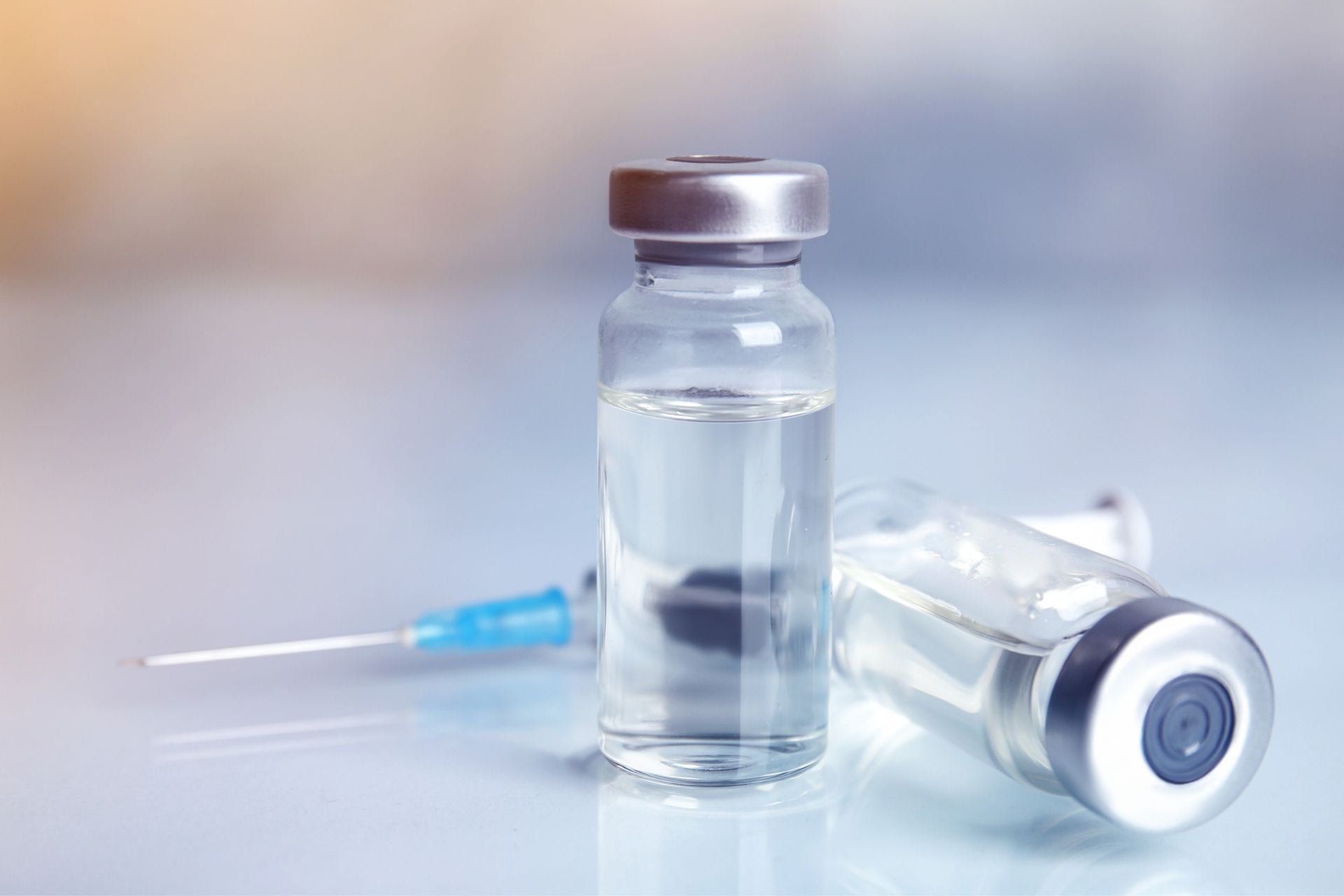
According to the case report, the man was inspired to start using Melanotan-II after learning about it on social media and discussing it with bodybuilders (the drug is popular in the community for its tanning properties). He reportedly obtained a supply from his local gym and began taking daily injections of it in July 2024. The man had a family and personal history of malignant melanoma, however, and his previous lesions had been removed a decade earlier. He therefore regularly checked his skin for any new or changing moles and other marks.
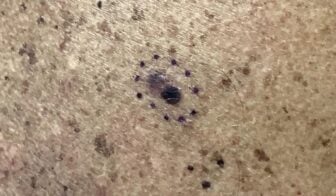
The man experienced common side effects of Melanotan-II, including nausea, loss of appetite, headache, and flushing in his face and neck. He also noticed several of his moles changing in size, shape, and color, prompting him to stop the therapy about five weeks after starting it, around September. About a month later, he saw his doctors, who removed a particularly suspicious lesion from his back. A biopsy confirmed it was an early-stage melanoma.
The dangers of peptide use
The doctors are careful to note they can’t completely rule out the possibility that the man’s melanoma had nothing to do with his Melanotan-II use. Aside from his prior cancer, he also regularly reported using tanning beds (two to three visits a week) over a year before he started the drug, and he also had a past history of taking oral anabolic steroids, which might be a possible risk factor for melanoma.
Still, other case reports have pointed to a causative link between Melanotan-II and melanoma, not to mention other serious side effects. As a result, dermatologists and skin health organizations have strongly urged people in search of a guilt-free tan to avoid taking the peptide.
The fact that someone with a known history of skin cancer could so easily obtain Melanotan-II is also plenty concerning on its own, the researchers say. “The direct-to-consumer digital pipeline bypasses traditional medical oversight, providing easy access to unverified peptide concentrations that lack safety testing, purity controls, or medical warning labels,” they wrote.
And the rising popularity of this peptide is only one example of the rampant misinformation on social media about skin health, according to the authors. The common myth that sunscreen causes cancer, for instance, is probably one reason why more people are switching to tanning beds as an alternative to Sun exposure, they argue.
Though things might have turned out well for this particular man, the risks of peptide misuse could grow in the U.S., where Health Secretary Robert F. Kennedy Jr. has pledged to roll back the Food and Drug Administration’s regulation of many unapproved peptides. Earlier this July, an advisory panel for the FDA cleared the way for six previously restricted peptides to be produced by compounding pharmacies. For the time being, Melanotan-II is still on that ban list, but the panel is scheduled to discuss its status early next year.