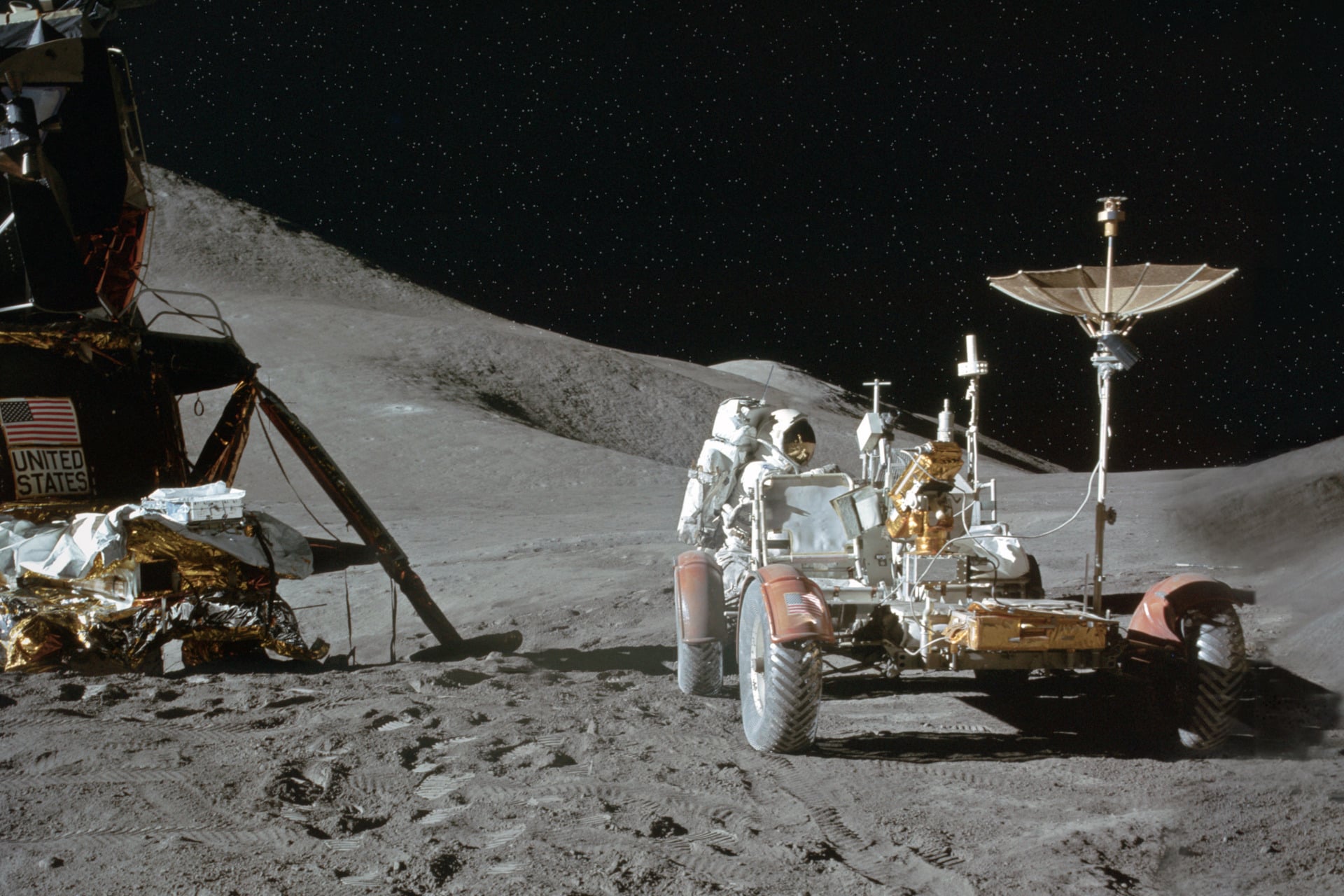
International concerns over Earth possibly contaminating distant worlds with microbes—or our spacecraft potentially bringing a deadly alien pathogen back home—predate the founding of NASA by nearly two years. The fear was real and grounded in enough science that Apollo 11’s first men on the Moon spent 21 days after splashdown locked up in quarantine.
Now, with a new space race pitting multiple nations and private companies against one another, one former Pentagon strategist has partnered with an invasive species biologist to push NASA for the construction of a “biocontainment facility” on the Moon. No current or prospective facility on Earth, these scientists contend, could ensure humanity’s safety in the face of a dangerous, infectious alien life form at Biosafety Level 4 (BSL-4), the highest risk level for pathogens as defined by the U.S. Centers for Disease Control and Prevention (CDC).
“Humanity is entering a new era of space exploration, but our planetary protection strategies have not kept pace with the risks associated with returning extraterrestrial samples to Earth,” microbiologist Frederick Moxley, a former senior advisor to the Pentagon, said in a statement.
“The proposed facility would essentially act as a firewall between Earth and any potentially hazardous live organisms that could accompany returning future space missions,” Moxley said.
Hard to kill
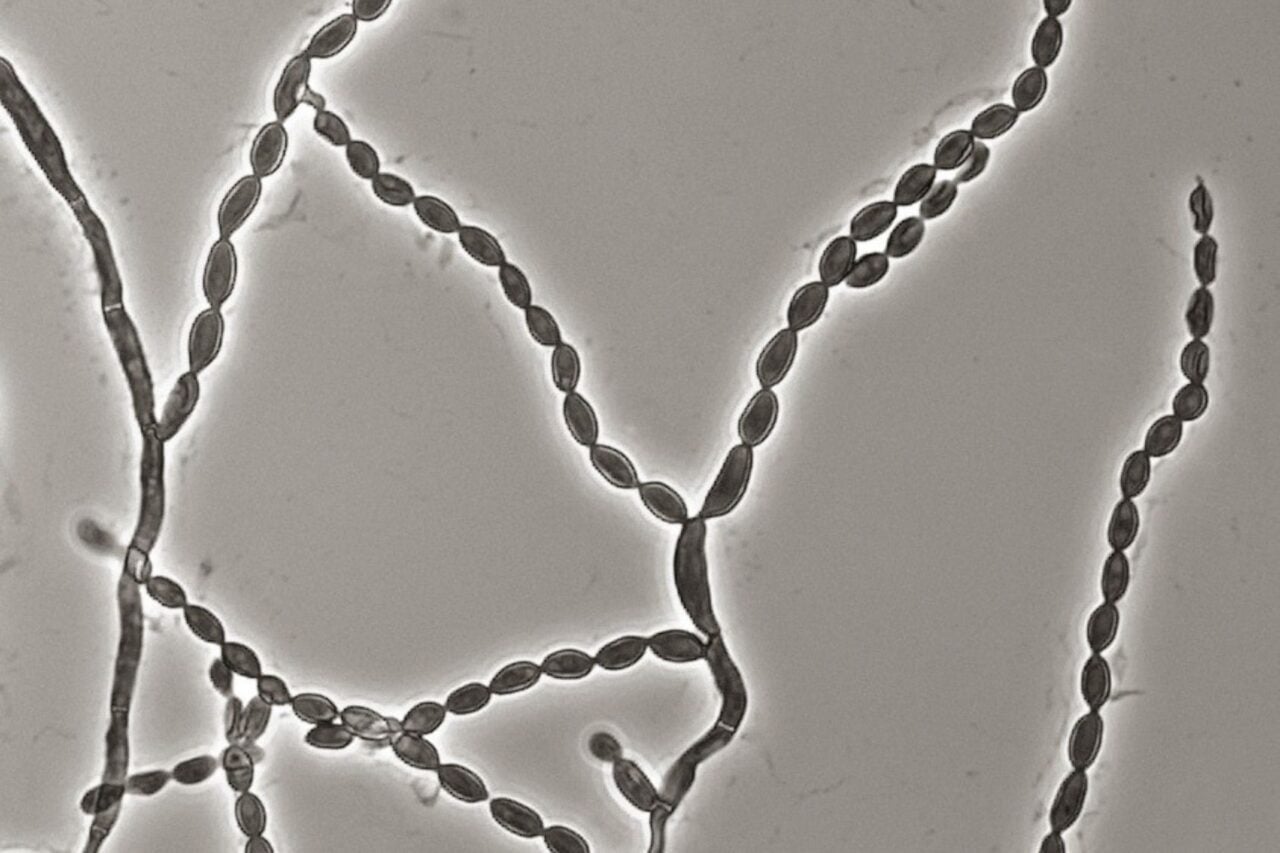
Moxley and his coauthor Anthony Ricciardi, who specializes in invasive species and aquatic ecosystems at McGill University in Montreal, highlighted an unusual episode from the recent history of the International Space Station to help make their case. As first reported in the journal BMC Microbiology in 2018, Enterobacter bugandensis—a species of bacteria known to cause septic shock in infants—mutated into several “multi-drug resistant” strains while onboard the space station.
Researchers at the time speculated that the new orbital strains of this already highly pathogenic organism had been aided in its evolution by the fact that bacteria’s “ability to acquire foreign genetic material increases in microgravity.” The lesson, Moxley and Ricciardi argue, is that it’s not just the hypothetical (and allegedly unlikely) extraterrestrial bacteria that we need to watch out for. Astronauts traveling to Mars or elsewhere in our solar system could easily bring back new and potent extremophile versions of once terrestrial diseases that had previously been a lot easier to kill.
“By gaining new traits, these altered organisms could pose a novel invasion threat to Earth, if introduced through the transfer and insecure containment of contaminated samples,” Moxley and Ricciardi wrote in their new paper, published this May in the journal Ambio.
Out of reach
Both researchers appreciate that the dangers they are sounding the alarm over might seem improbable. But the true statistical likelihood of such a devastating extraterrestrial pandemic, they warn, is “largely unknowable,” justifying strict monitoring efforts for the “prevention of interplanetary biological exchange.”
The duo primarily advocates for the construction of self-contained “biosafety laboratories for eXtremophile (BSL-X) units,” adding a new tier to the CDC system. These units, Moxley and Ricciardi said, should be fully automated to avoid any risk of human exposure, with specimens handled, processed, and sterilized robotically as needed. (“Only when microbial inactivity and complete sterilization has been confirmed would material of any kind be considered for transfer elsewhere,” they wrote.)
Moxley’s past government work involved military data networks before pivoting to biodefense. But Ricciardi, the director of the Bieler School of Environment at McGill, has been a long-time advocate for greater biosecurity protocols around space exploration based on his career-long expertise in biological invasions.
“Decades of research on invasive species have demonstrated how an organism introduced to the wrong place at the wrong time can spread uncontrollably with potentially devastating and irreversible long-term impacts on ecosystems,” Ricciardi said in a statement.
“This research justifies a strong precautionary approach against introductions of extraterrestrial origin,” he said.
If NASA was willing to lock Buzz Aldrin and Neil Armstrong up for three weeks, the agency should at least be willing to consider this too.