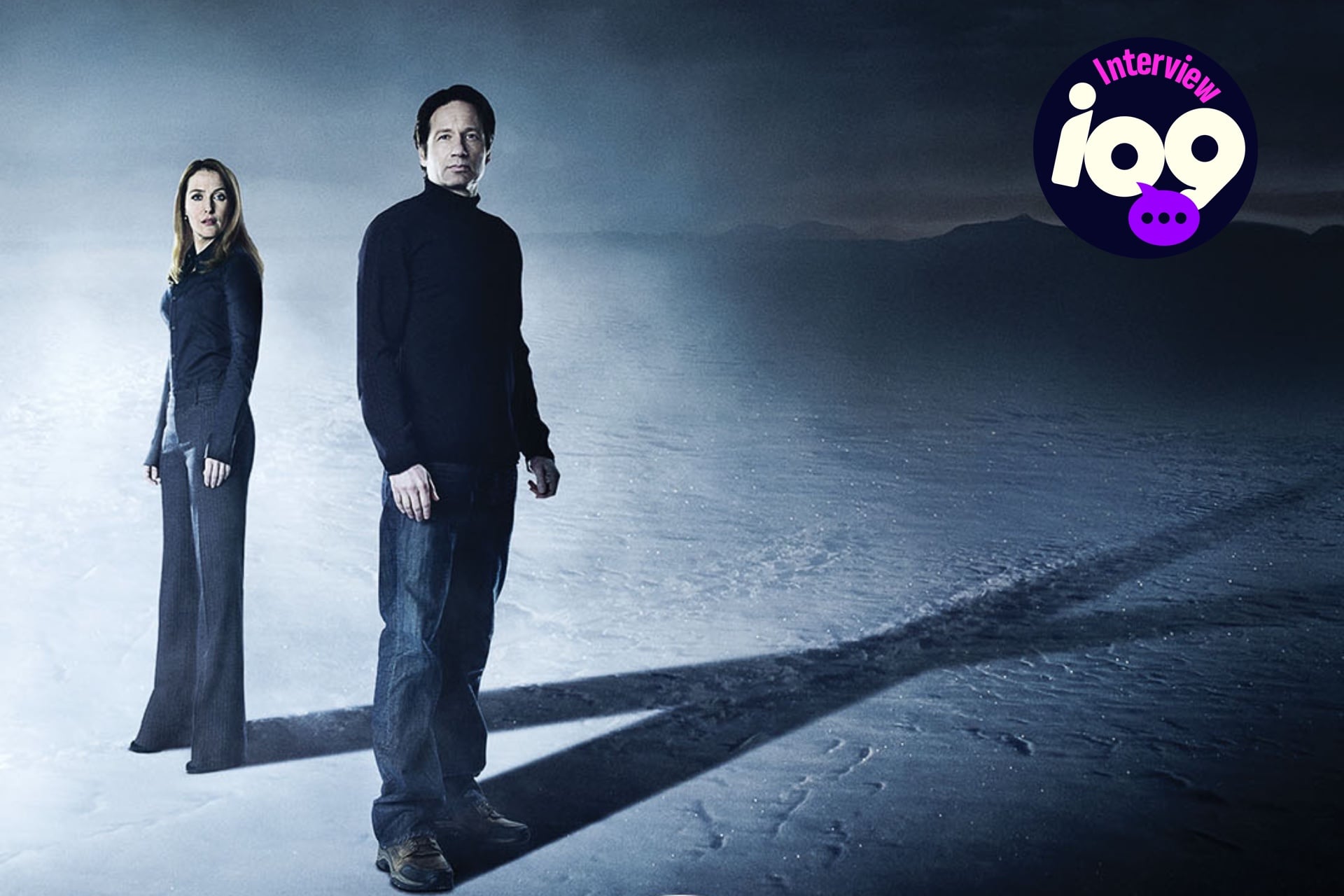
X-Files fever is among us, with intense anticipation for Ryan Coogler’s prospective reboot and series creator Chris Carter’s R-rated director’s cut of the 2008 X-Files feature film, which arrived a decade after the franchise’s first movie and six years after the show’s original run had ended. Coogler’s project is not yet a sure thing (fingers crossed!), but Carter’s is coming to Hulu and Disney+ on August 14. Ahead of its release, io9 talked to Carter about The X-Files: I Want to Believe – Vrach Frankenshteyn, as well as his take on the eerily prescient series’ place in sci-fi history.
Cheryl Eddy, io9: The director’s cut is billed as being more horror-oriented than the original. But other things have also changed—the movie’s a few minutes shorter, some scenes are re-edited, and there are some musical swaps too. What was the process like as you decided what to change?
Chris Carter: There were things I wanted to put back in to make it the scary movie I always imagined it [would be], but there are also things I wanted to take out. And I can speak to those things first. Between 2008, when the movie was released, and now, the audience—the hardcore fans, who are always first and foremost in your mind—has gotten a lot of the Mulder-Scully relationship story. And I felt that the movie was very heavy on that relationship story, and it felt a little bit like we were revisiting something we had just witnessed. So I cut back on the romance; I cut back on the relationship aspects of the movie in favor of the horror elements of the movie.
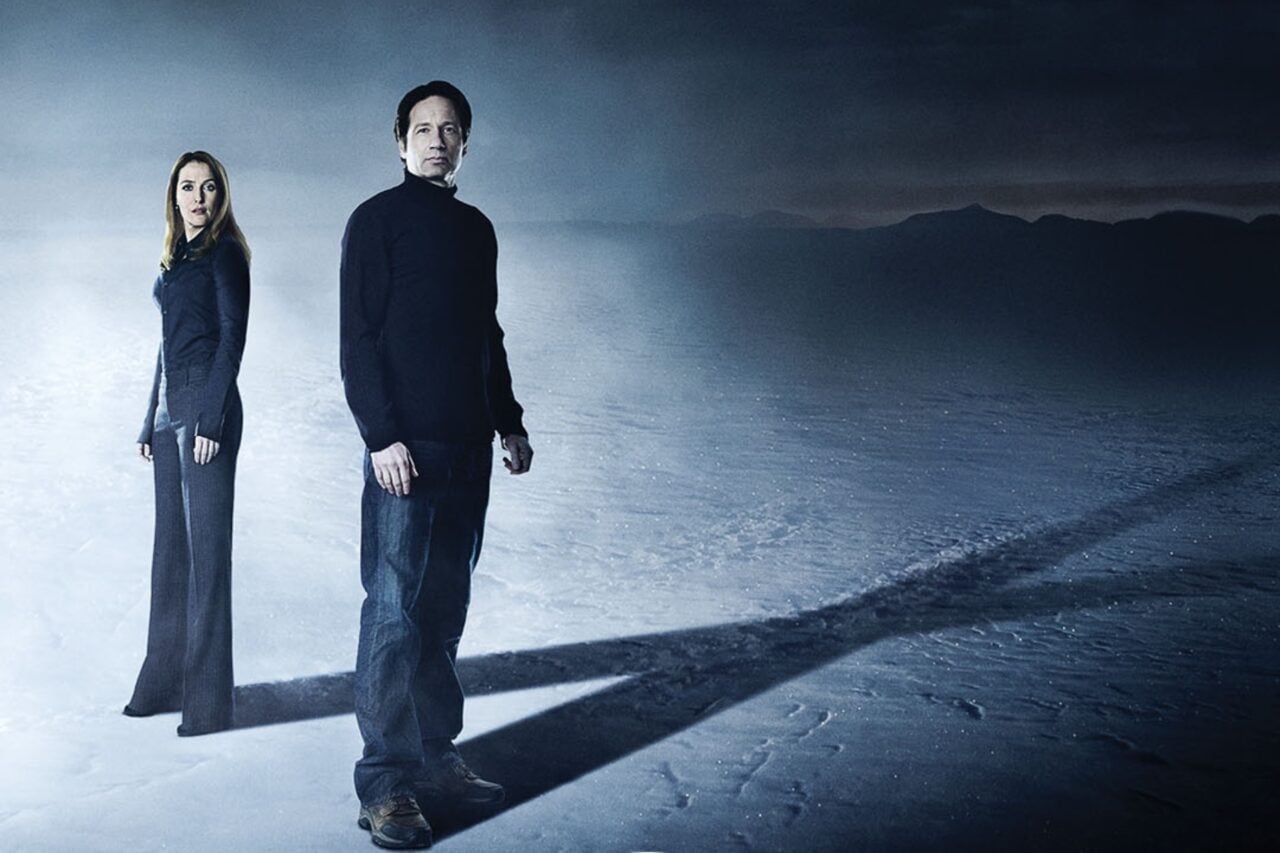
And when I talk about horror elements, I’m realizing I keep talking about this as a horror movie. It’s really an X-Files horror movie. The original idea came to me when I read a story about a doctor in Cleveland, Ohio, who had transplanted the head of a monkey onto another monkey, and he did it successfully. I thought that’s X-Files territory right there. So I went and sought this guy out, and he explained to me how he had done it and the process … so [I Want to Believe co-writer] Frank Spotnitz and I set about trying to tell an X-Files story about this very thing
What I think was unappreciated when the movie came out was the Frankenstein element, which is only kind of alluded to at the end of the movie when Mulder’s putting a newspaper clipping on the wall. So I added “Vrach Frankenshteyn” to the beginning so that when—if you recall, the search party is following Father Joe out onto the ice and snow and he finds that arm, it suggests a Frankenstein story rather than a kind of a weird and disconnected clue. And it draws the audience into the Frankenstein story.
io9: A much-loved season five X-Files episode that you co-wrote and directed, “The Post-Modern Prometheus,” also tells a Frankenstein-inspired story. What made you want to create another story in that vein for I Want to Believe?
Carter: It’s a timeless story, the reanimation of someone or something or some creature, and I found it fascinating that that person has a life like no other person does. The world is brand new to them. I just find that fascinating. If I had someone’s head transplanted onto my body, would I think like that person? Or would I still be me? I love that idea of bringing new life into the world; plus, it’s just a great, scary story, and that’s really what we had set out to do.
I’ll tell you the reason to do this director’s cut. It came out of an experience that I had when I showed I Want to Believe to the executives. They watched it. The lights went up and they were angry. They said, “This is not the PG-13 movie you promised you’d make for us. This is torture porn,” they called it, which is a term often used to reference movies like the Saw movies. But, you know, this wasn’t a Saw movie. This was an X-Files movie. But we had to cut it back to satisfy them. And, you know, we cut it back, and it was much less the X-Files story than we originally intended, Frank Spotnitz and I. And so then we satisfied the studio, but then we showed it to the movie ratings people. And they said, “This isn’t a PG-13 movie; you’ve got to cut this back.”
So the impetus for this director’s cut was the original studio cuts that were made to satisfy people who really, I felt, didn’t know The X-Files. Ironically, the television sensors were more permissive than the movie censors. I could have done a good, scary story on TV that would not have satisfied the movie censor.
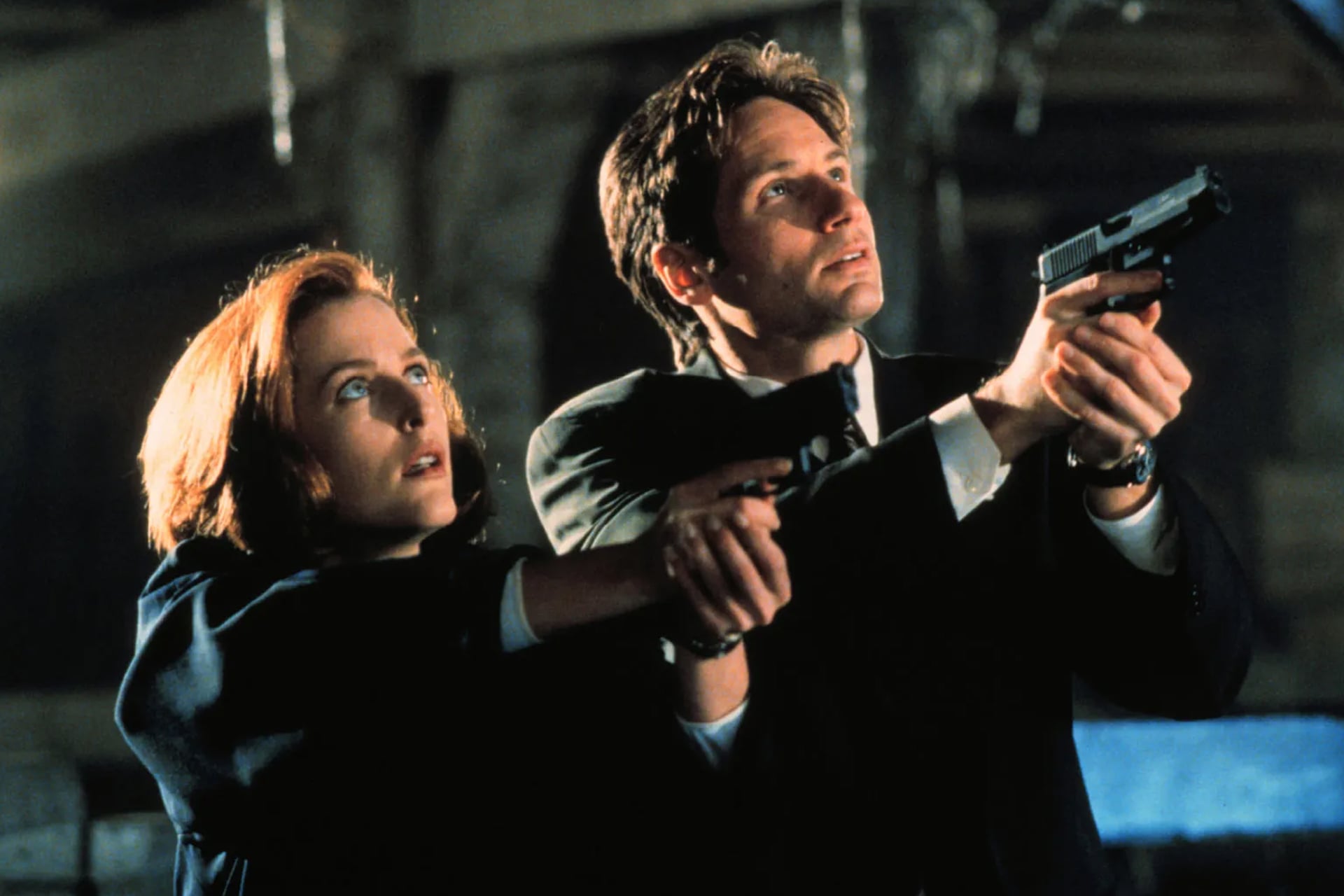
io9: The little moment poking fun at George W. Bush, the president in 2008, is no longer in the film. What was the thinking behind taking that out?
Carter: It dates it. It dates the movie. You know, The X-Files can be and is often funny, and we have two very funny actors to bring that humor to light and to life. But this was the case where I felt it slowed the movie down. It dated the movie and was unnecessary to tell a good scary X-Files.
io9: In 2008, you made this movie for the big screen. This director’s cut is getting a release on Hulu. Did you have the context of streaming and the smaller screen in mind while you were shaping the director’s cut?
Carter: No, you know, in 2008, 2007, when we made the movie, streaming was—it’s funny; I had predicted it long ago or long before that, but it wasn’t in anyone’s mind. The DVD was our idea of a future release. We made the movie for the big screen; I think the production values are big-screen values. Also, what dates this movie is that we shot it with film cameras, not digital video cameras. So it’s old school in that sense, and I think the values are filmic.
I’m digressing here, but we shot it in one of the harshest environments. When you watch the movie, I hope that you can appreciate that for 50 days on the shoot, everyone was as cold as the snow and ice and forbidding environment that you’re witnessing. It was a labor of love in that way
io9: What’s your relationship like with The X-Files these days, looking back 33 years after the series premiered?
Carter: Every day I’m reading the paper, and something will strike me as a good X-Files story. It’s funny so many of the things that were science fiction in the show have now become science fact. For example, clones: we first wrote about clones in the series as science fiction. Shortly after that, Dolly the sheep was created, and now people are cloning their dogs, which I’ve actually checked into myself; I love my dog so much.
Anyway, my relationship with the show is ongoing, and my relationship with the actors is ongoing. I just wished them both happy birthday in the last four or five days. I see David [Duchovny] regularly; I see Gillian [Anderson] when I can. She lives abroad. So my relationship [with them] is strong. It’s in my heart. That relationship of Mulder and Scully is still my idealized relationship for a man and a woman, of mutual respect, of agreeing to disagree [on] faith and science, and of the intersection of those two things. That they can be something that you agree to disagree on and still maintain your relationship. I wish people could agree to disagree more in life because we have more disagreement than we have agreement in our lives and certainly our political lives right now.
io9: Very true. I love when they joke around, another element of their relationship.
Carter: Yeah, and you’ve just struck on something that is all-important. I mean, from the pilot episode, Mulder and Scully have always been comedic actors: it’s light humor in the pilot, but it’s there. It sets up the characters. But then you get episodes like Darin Morgan’s episodes, which for me are some of the funniest stories that I’ve ever seen, and they’re completely idiosyncratic. While he is funny, he makes perfect fun of the show and of the characters. And that you could go from those episodes right into a mythology episode says a lot about not just the show but also the fans of the show; they were willing to go wherever we went with the storytelling.
The X-Files: I Want to Believe – Vrach Frankenshteyn arrives on Disney+ and Hulu August 14; you can also stream the original version at both places then too.
Want more io9 news? Check out the best movies and TV shows to stream this month and all the upcoming sci-fi, fantasy, and horror books that should be on your radar.