Jason, Daniela, and Charlie Dessen were setting out to find a Chicago where they could live in peace as Dark Matter season one ended. But can anyone actually relax when, at any moment, a version of yourself from another dimension might come knocking with the intention of stealing your life?
Season two of the Apple TV series based on the book by Blake Crouch, starring Joel Edgerton, Jennifer Connelly, and Oakes Fegley as the Dessen family, will dig into that question. It will also explore what impact the Box—a device that, when used in conjunction with a certain drug compound, allows a person to visit alternate worlds—might be making now that many more people know of its existence.
For a crash course in all things Dark Matter up to this point, read io9’s refresher on what happened in the first season. To get a glimpse of what lies ahead, keep reading for our interview with Crouch, who created the show and is also its showrunner, as well as one of its writers and executive producers.
Cheryl Eddy, io9: There were a couple of months between the end of season one and the renewal announcement. When you were creating season one, did you have a season two in mind at all?
Blake Crouch: We knew it was a possibility, and we had been writing these characters and their journeys. And so, yeah, we were imagining this as something that could possibly continue. I mean, we didn’t plan out the whole season by any stretch, but we left our characters in a place where if we got a season two, we had good jumping off points for them.
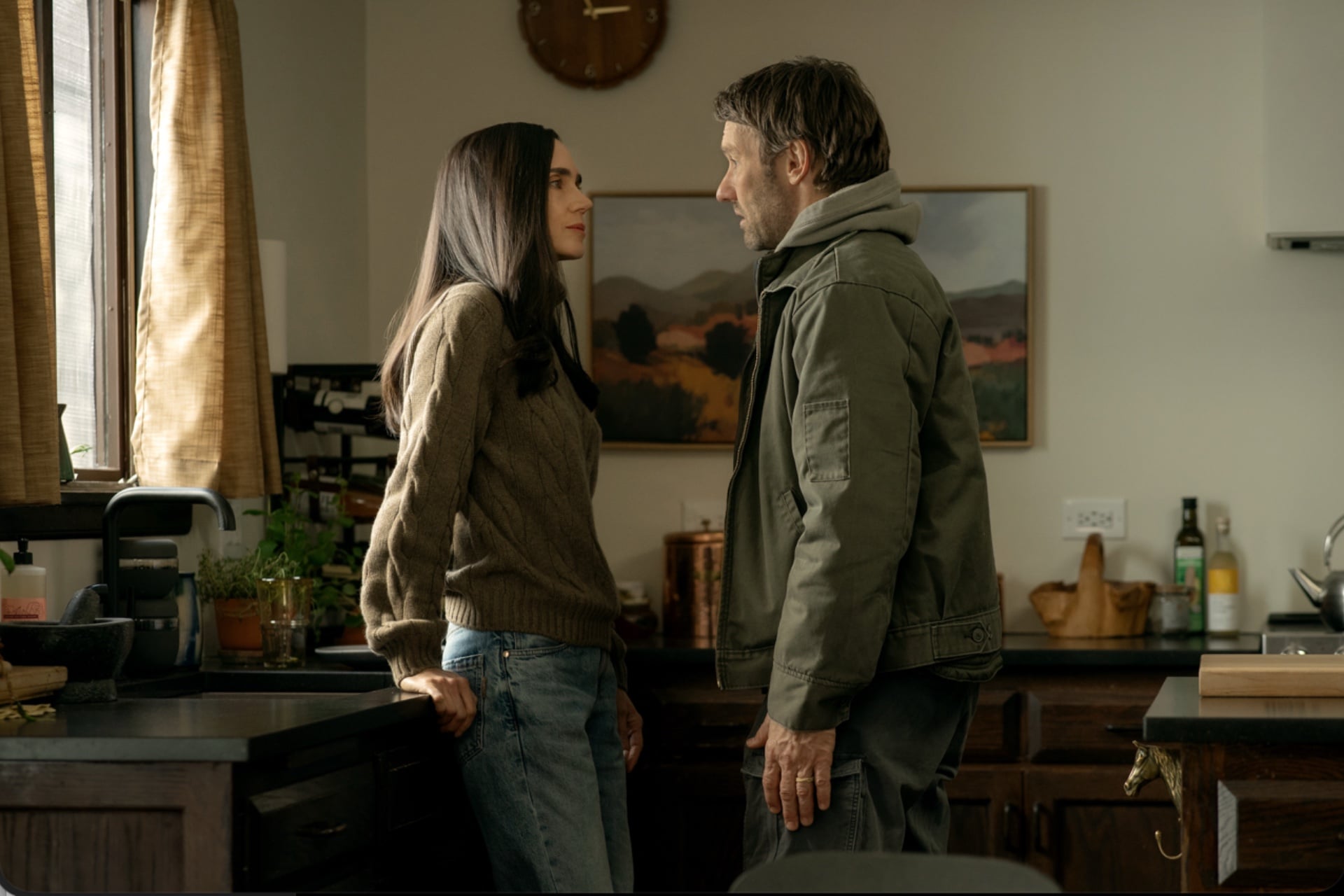
io9: Season one follows the book pretty closely. What was it like starting on season two and knowing there wasn’t that same kind of solid source material to refer to? Was it liberating or scary or both?
Crouch: It was both. At first, it was really scary. I usually am adapting something from my own source material. So the bones of the plot structure are there. The character journeys are there. This was just like a totally blank page. But once we got into the writing, I started to realize how freeing it was. And then we could take these characters anywhere. It turned out to just be a wonderful experience writing.
io9: Season one is very focused on how the Box affects Jason and his family. In season two we see expansion on that, exploring how the Box has affected the world/worlds at large, including the future of the human race. What was it like getting to dig into those issues?
Crouch: It seems like the natural next progression as we started thinking about season two. Season one is a very kind of personal examination of how the Box impacts one man, one family. Obviously, other people are drawn into it, like [Alice Braga’s character] Amanda, and we get a brief glimpse into [Amanda Brugel’s character] Blair being stuck in that awful Velocity Labs in episode five. But the idea that we could take that technology and play with the ramifications for the world at large, particularly the way of drawing parallels into things like the discovery of the New World and trade and how that drives economies and can also bring about sickness and disease and a lot of bad things—it was a kind of a parallel that we really wanted to explore.
io9: Season one was heavy on the multiple Jasons; in this season we get to see multiples of other characters too. We still have that snapping sound to let us know, “Hey, we’ve changed settings.” But what sorts of production challenges did this new season pose in terms of making sure the different realities/character versions were distinctive enough so viewers didn’t get confused or lost?
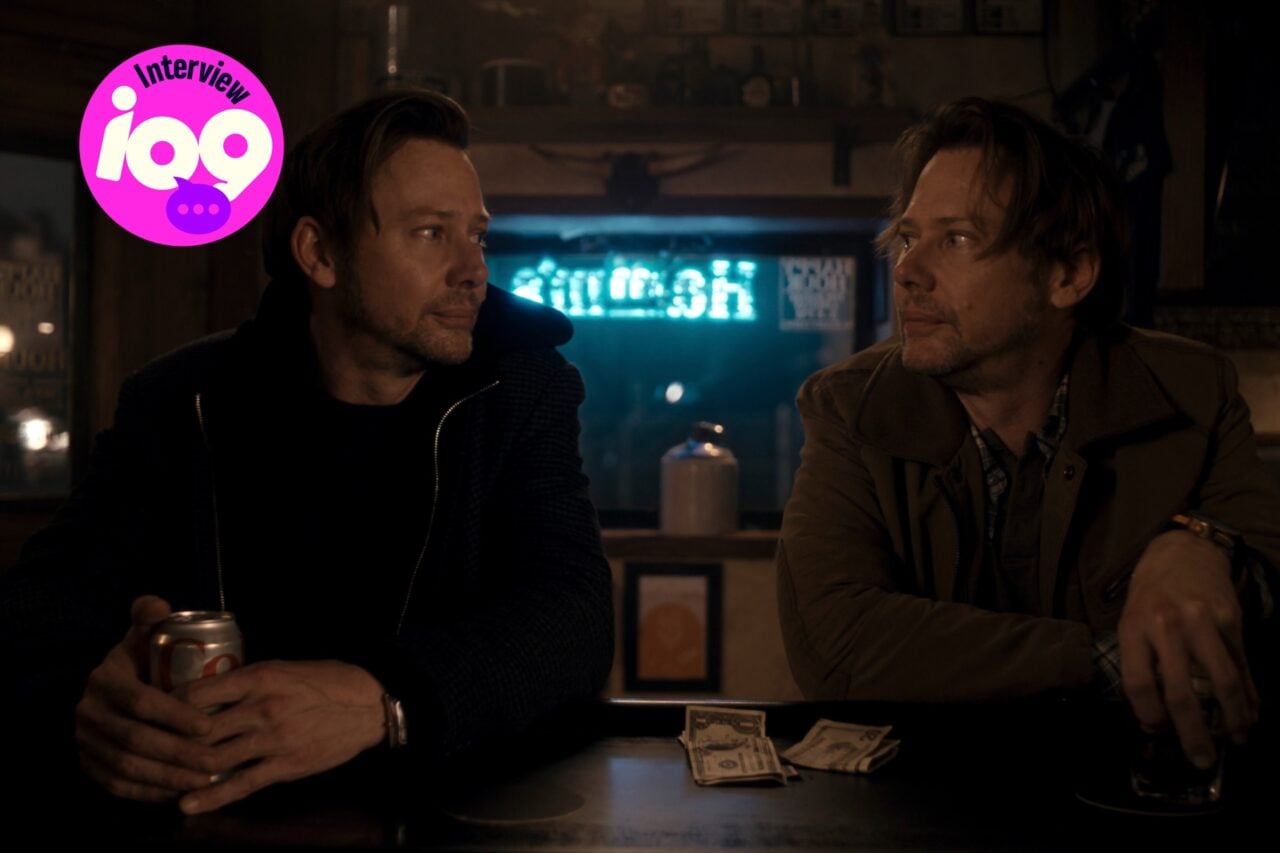
Crouch: We took some of the principles from season one into season two, and they’re little tricks that we do, like the world snap. We don’t make the different versions of our characters look dramatically different, but we try to make them look different enough. And our actors do some really smart things, like the way Jimmi Simpson alters how Ryan #3 speaks because he doesn’t have the full education that Ryan #1 has. Honestly, we knew that going into season two, with having experienced nine episodes [in season one] with all of our cast, everyone was so strong. And then really, we were just excited to give our entire cast basically the opportunity to play other versions of themselves and to act against each other.
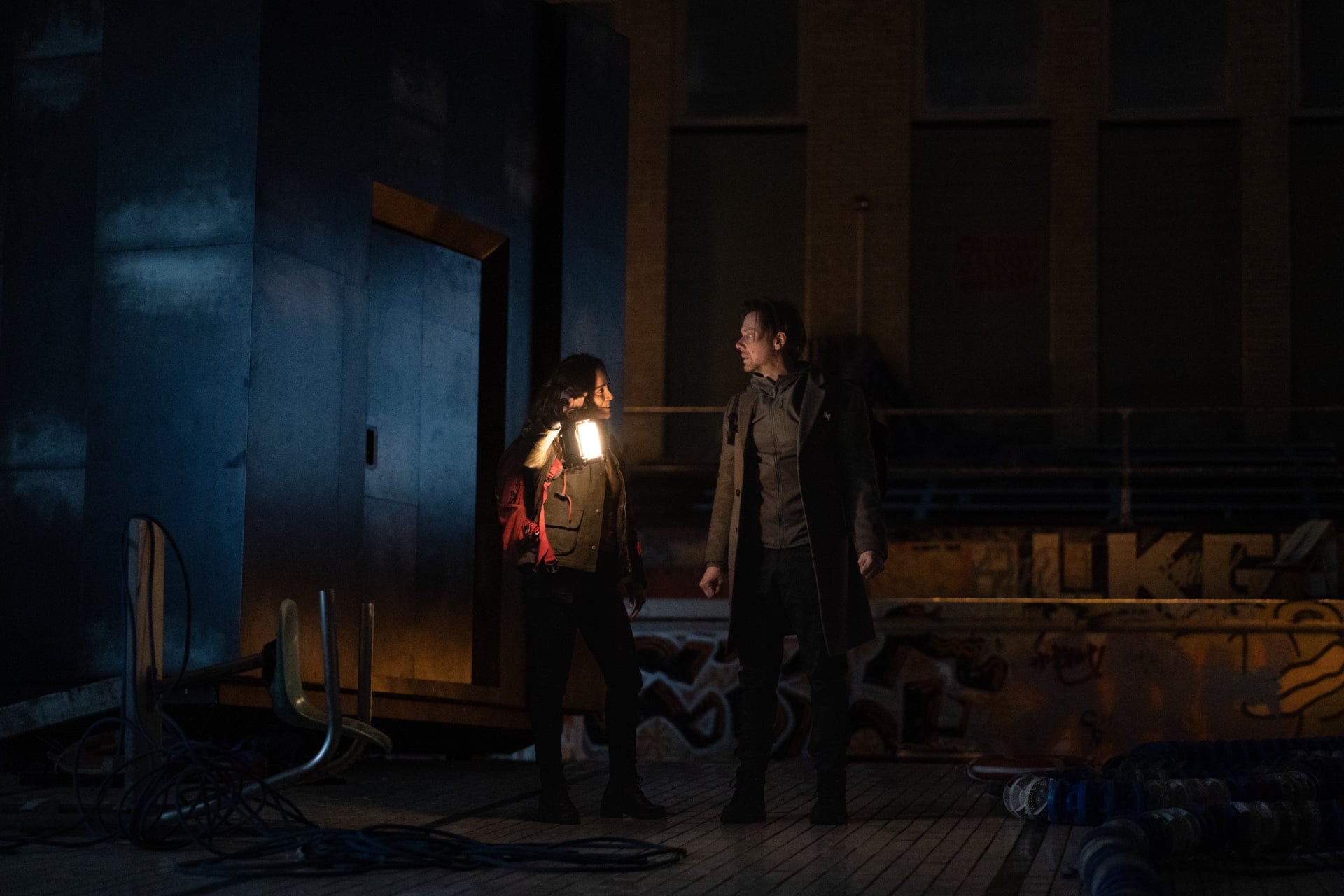
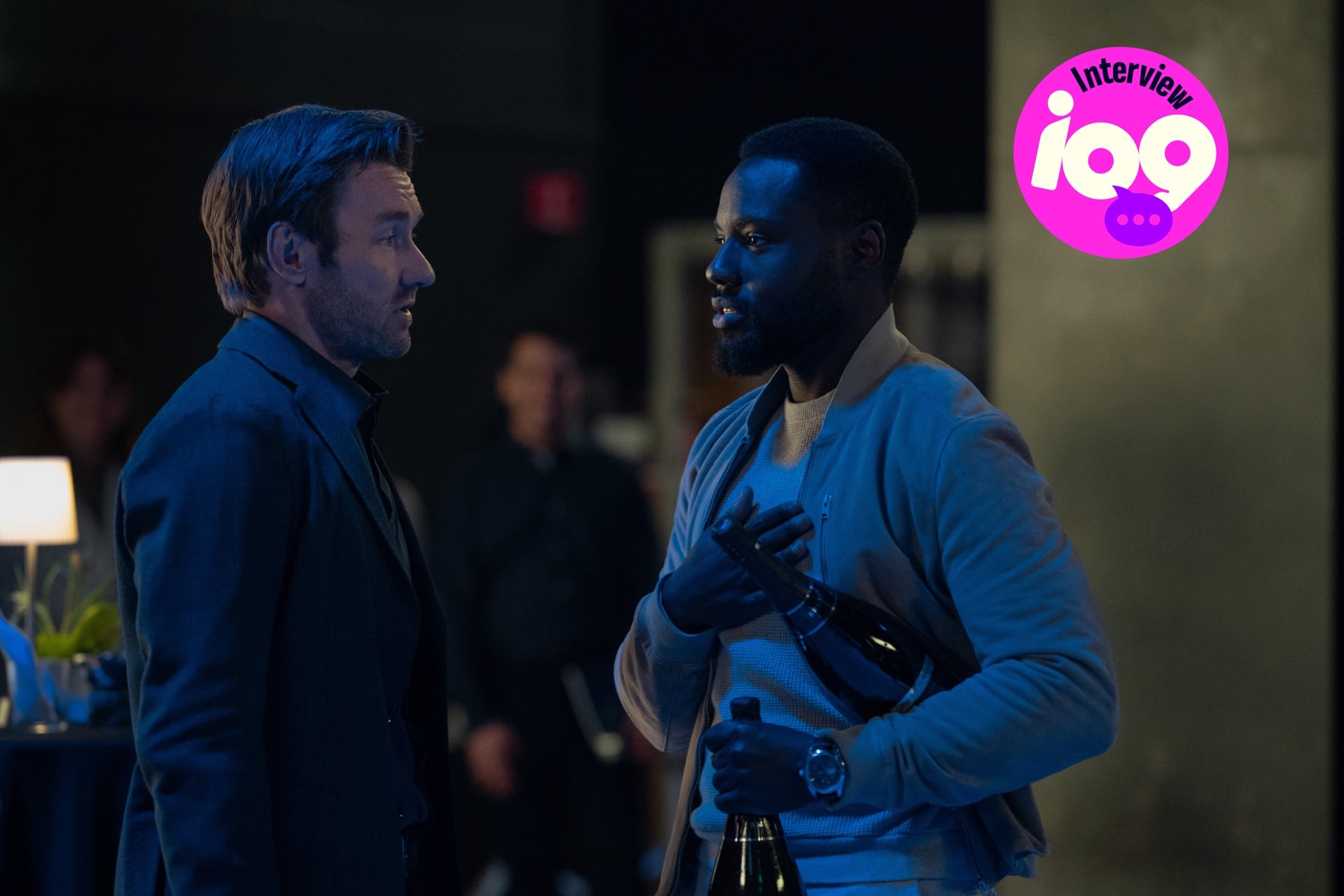
io9: Leighton, played by Dayo Okeniyi, gets a lot more fleshed out in season two. Why was he a character you wanted to expand on in particular?
Crouch: He just had such an interesting presence in the first season even though it was kind of limited. I think by the end of season one we got a sense of why Jason #2 built the Box and what he was after. That he wanted to know if it could be done and that he sort of had this one-dimensional life. [Season one explored] the idea of building out what the initial impulse and intentions were with the Box—that maybe there was some good intention behind it, which was really important.
There’s a moment in the third episode of season one when Leighton is trying to get information out of Jason #1, thinking he’s Jason #2, and trying to understand why he’s here and what’s happening. He gives this little speech about how the Box could be used for good, and we kind of went back and watched all the episodes before we started writing, and we came across that. We just thought that would be a really fascinating thing to explore. Like, what if Leighton picks up his initial intention for the Box? And we see what happens with that in season two.
io9: In season one, we were seeing the characters (everyone except Jason #2, basically) learn about the Box and react to its effects. In season two, we start to see the long-term effects and the PTSD of its disruptions. Why was that important to include that?
Crouch: One of the things that I think makes our show special is its grounded approach to science fiction. And we try to make it as realistic as possible, considering what most of our characters endured in season one. As we started writing—honestly, as we were filming the last two episodes of season one—one of the things that [Jacquelyn Ben-Zekry], who is my writing partner, and I came away with is the idea that, man, these people are going to be broken after this experience.
I mean, what is it like to see all these versions of yourself, all these versions of your husband, of your father, to have been literally lost in the backstage of the multiverse? We didn’t want to shy away from looking at the real emotional collateral damage and psychological impact that would have on all of our characters.
io9: As we see in the show, using the Box means you have to poke your head into some very scary worlds before finding a decent landing place. Did you come up with a big list of potential worlds and narrow down the ones you wanted to use? Were there any you can share that didn’t make the cut?
Crouch: That didn’t make the cut? Not off the top of my head. No, in fact, some of the worlds that you see in season two were worlds that did not make the cuts in the original book world I had brainstormed and written about in my writing journals.
One of the things I discovered in writing the book is that if you spend too long having characters pop from world to world, the story [felt] episodic and is kind of starting to drag a little bit. So I had pared down all the worlds, and I really, really wanted to use in particular two of them, and we got to do that [in season two].
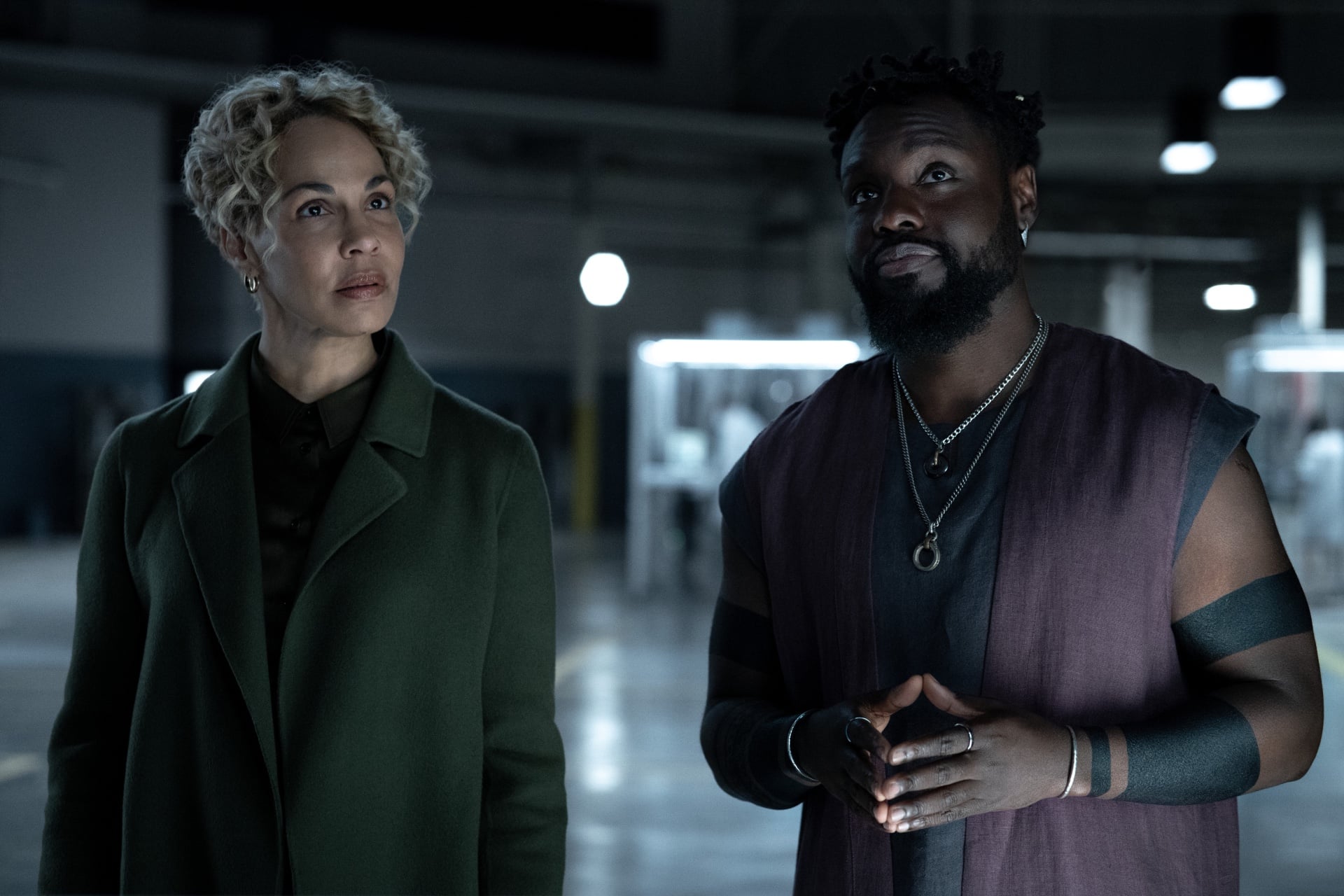
io9: You wrote the novel Dark Matter is based on, and you’re also the showrunner, a writer on most of the episodes, and one of the executive producers. It feels like a best-case scenario for an author adapting their own work, at least in terms of creative control. Have you found that to be true?
Crouch: It’s been an amazing experience on this show. It’s like a dream, honestly. Because I feel like I get to—there were things that I was just talking about that I didn’t do in the book that I get to do in this show, and there are characters that are only briefly mentioned or that don’t even exist in the books that we get to create and explore. So it’s been a really—I understand it’s a very odd thing for a writer of a novel to be this involved in the adaptation. It’s just been this kind of beautiful experience.
io9: There is a moment in season two where one of the characters suggests that if a human can imagine something, it will eventually become reality. Interdimensional travel is a touchstone of sci-fi in different forms. We have Rick and Morty doing something similar…
Crouch: Rick and Morty‘s done everything. Any idea that I think is so cool, I’m like, “Oh, well, Rick and Morty did it. And they did it in a 30-minute episode and explored every possible facet of the idea.” [Laughs]
io9: I’m a big fan of that show too! But I was going to ask, do you think there are people right now who are actually trying to make interdimensional travel actually happen?
Crouch: I think there’s someone out there doing it. I don’t think it will happen yet. I don’t think we have, like, enough energy. I mean, energy is what’s lacking in turning most sci-fi ideas from fiction to reality. It’s just like, “Why don’t we have super intelligence yet?” Well, because we don’t have enough raw computing power. “Why can’t we wield CRISPR, the gene editing technology, like the magic that it is?” Well, because we don’t have the computing capacity to break down whole DNA and understand what genes turn on what things. So I do think there are people out there trying to figure it out, but I don’t think we have the power, the pure raw power yet, to pull it off.
io9: What are you most excited for fans to take away from season two? And do you have a longer run in mind beyond just these episodes?
Crouch: I am excited for fans to get the closest thing that will ever be to a true sequel to Dark Matter. I do think of season two as a sequel. It’s just in another medium. I really hope that they are excited to get on a ride where the world of Dark Matter opens up substantially. We get to do some really fun things and take some risks. We have a couple of standalone episodes, which I’m really excited for people to see. Those were probably the most pure fun to write and produce.
And in terms of beyond season two, at the very early stages of trying to break this as a show, I always thought of it as a three-season arc. I think three is the perfect number. And I think it’s a perfect number for Dark Matter. We’ll have to see what happens, but if we’re fortunate enough to get the chance, that’s what we’ll do.
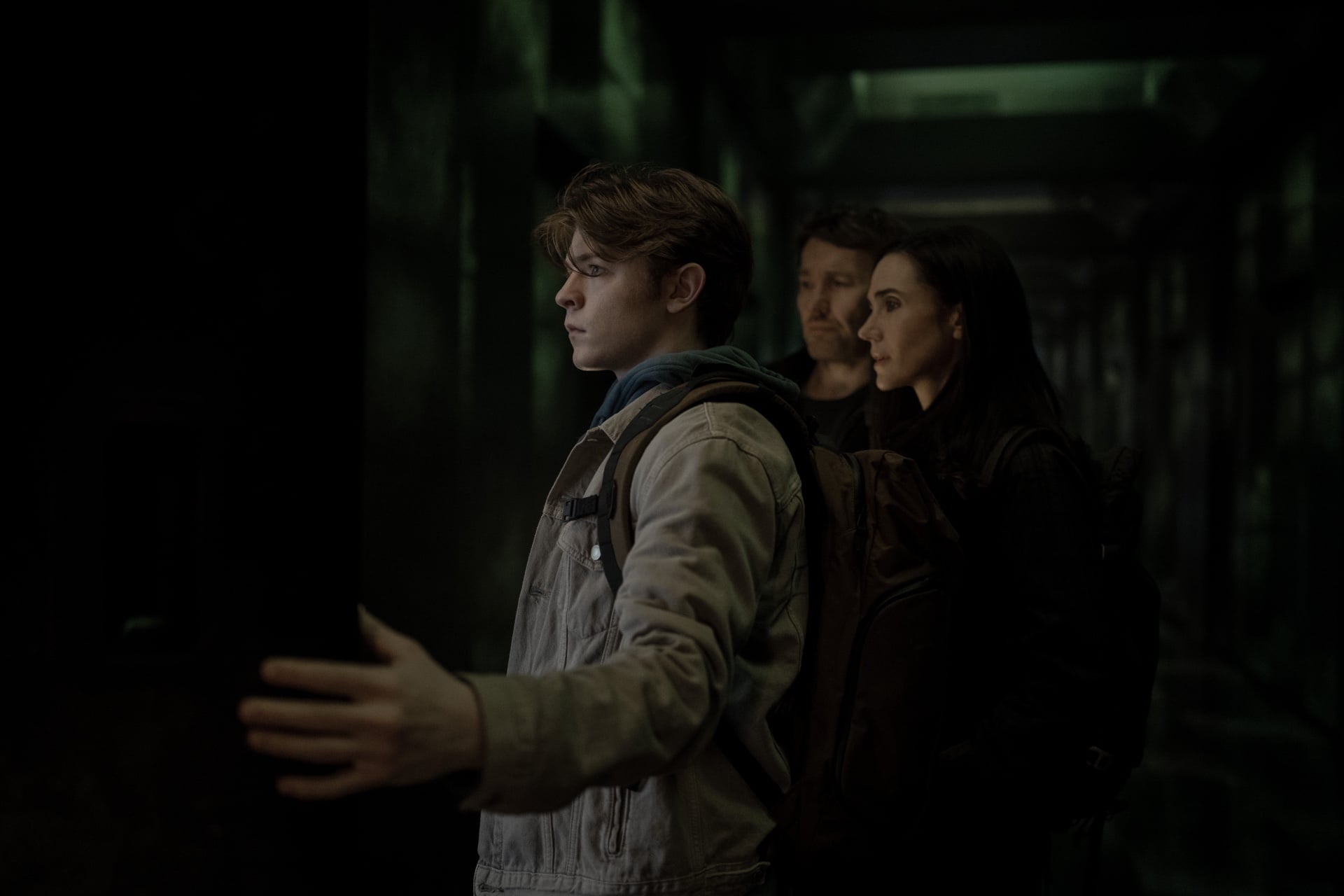
Dark Matter season two kicks off August 28 on Apple TV, with a weekly rollout over its 10-episode season.
Want more io9 news? Check out the best movies and TV shows to stream this month and all the upcoming sci-fi, fantasy, and horror books that should be on your radar.