






The magnum opus of particle physics is far from complete, requiring physicists to devise many alternatives—some weirder than others.
Dark matter, science is really counting on you.
The science here gets really dark.
There is a lot we have yet to understand about the center of the Milky Way—could it be due to a mass of invisible dark matter?
This new map is not only the most detailed view of the universe’s invisible scaffolding to date, it also allows astronomers to look deeper into cosmic history.
To answer odd questions, physicists have odd ideas.
A researcher identified gamma ray emissions that appear to have originated from dark matter, but other physicists still aren’t convinced.
A mathematical investigation of galactic data suggests elusive dark matter is confined to the rules of gravity.
For decades, astronomers have been vying to identify a source for a mysterious gamma-ray excess at the center of the Milky Way. Could dark matter be the answer?
The object was detected by observing how its gravity distorts light behind it.
“Well, that’s not supposed to happen.”
Ganymede, the biggest moon in our solar system, could hold clues to dark matter, according to a new proposal.
Researchers may have found our galaxy's missing companions, further bolstering science's most widely accepted cosmological model.
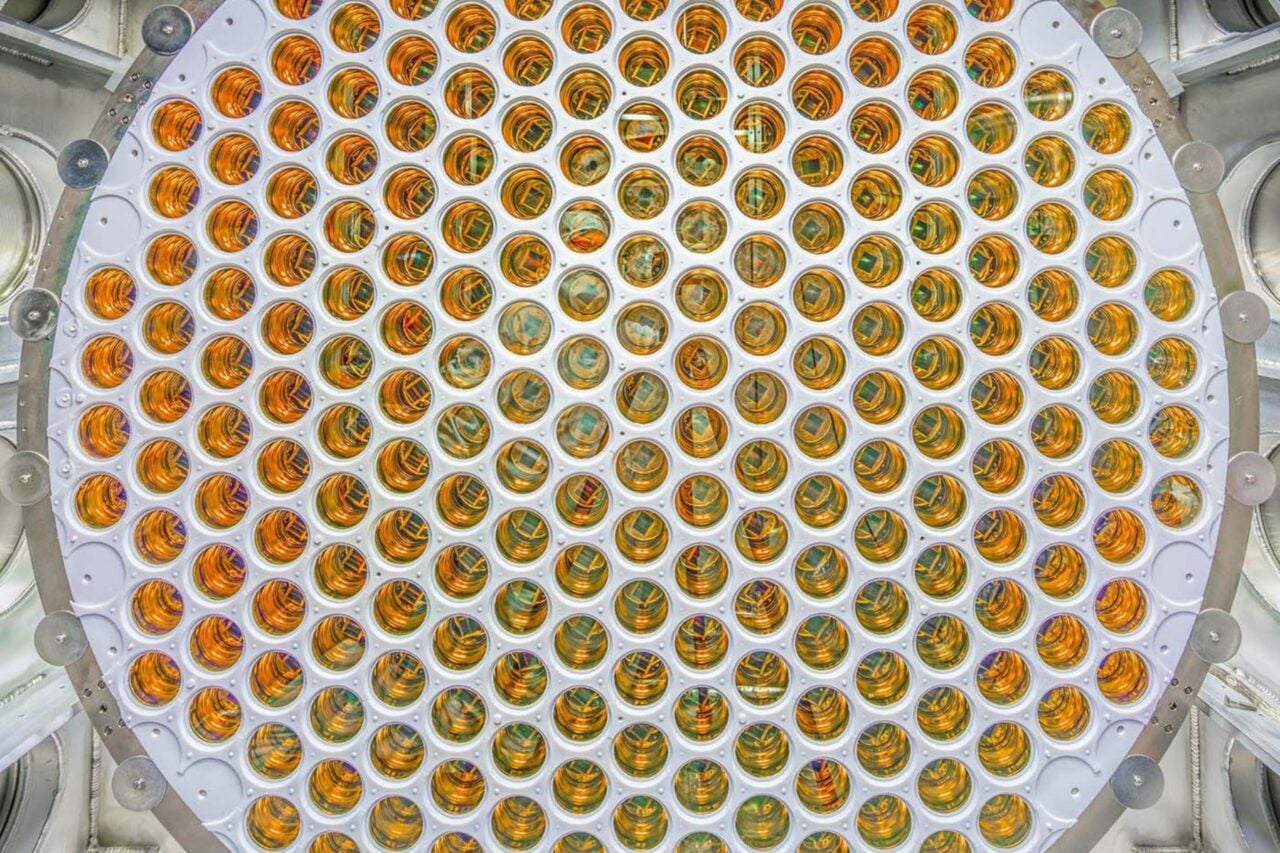
LUX-ZEPLIN’s latest result sets the most stringent limit on WIMPs' interaction strength to date.
Hopefully it won't be another long gap between seasons for the Apple TV+ series, but you're definitely going to have some time to fill.
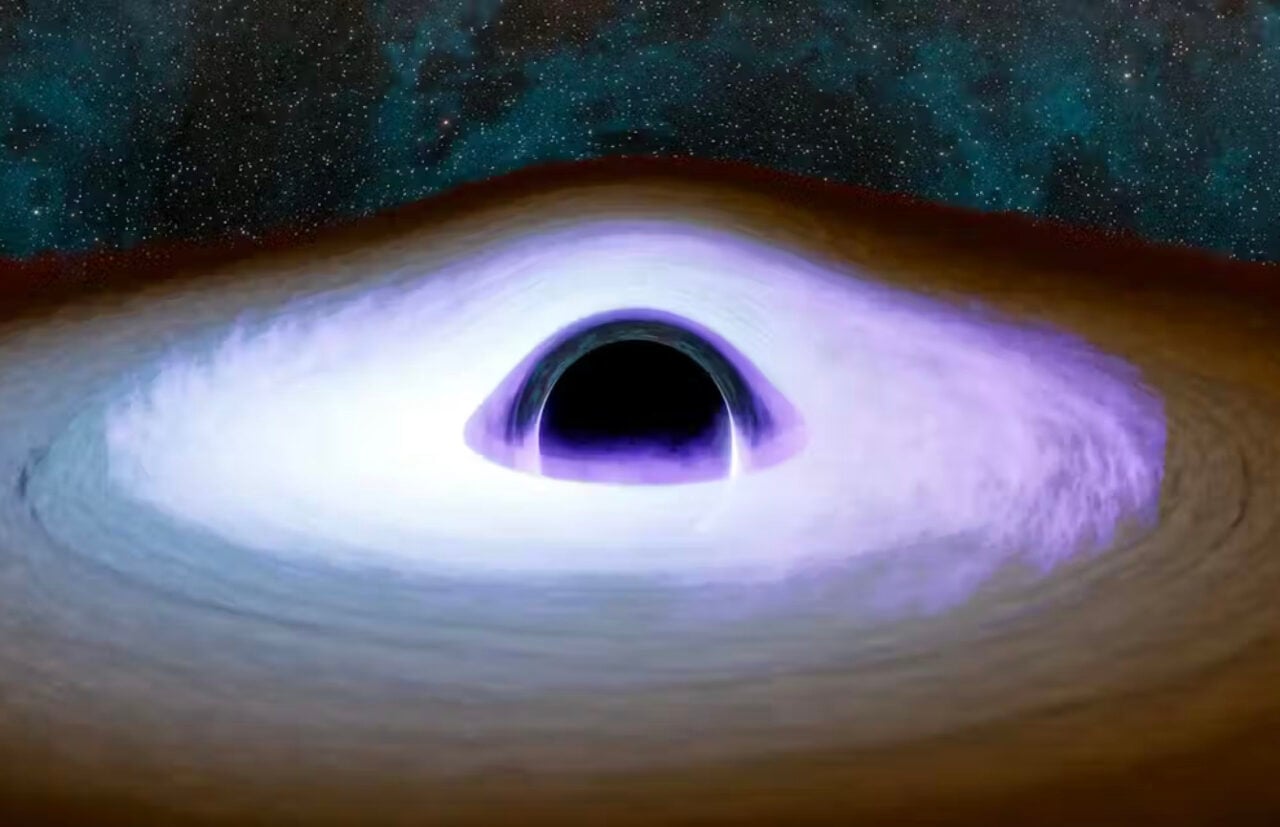
New data reveals a 3-million-light-year filament connecting two galaxies, each of which hosts a supermassive black hole.
The Frontier supercomputer's calculations provide a new foundation for simulating the universe's conventional physics, but also the enigmatic behaviors and properties of dark matter.
Axions—a popular dark matter candidate—may be floating around dense stellar remnants in a haze, and even be detectable to some telescopes.
260 observations showcase data from ESA's dark matter telescope, which will eventually be used to create the largest-ever 3D map of the cosmos.
Two new studies highlight the enigmatic nature of antimatter, revealing its potential role in both understanding the universe's origins and unlocking the secrets of particle physics.