Update: On Monday, TechRadar reported that the Federal Communications Commission told the outlet that it had removed the HoverAir Versa not-a-drone from the database, saying it had been added “erroneously.” The agency further said that it is “considering further action against HoverAir for apparently willfully violating the FCC’s Covered List rules.”
“The Versa camera alone is a prohibited UAS critical component produced in a foreign country, and when the Flight Kit is included, the device falls under the ban on UAS produced in a foreign country,” the FCC statement said in part.
Gizmodo has contacted Zero Zero Robotics for comment, but we did not immediately hear back. The U.S. is obviously miffed that any company would try to skirt around its foreign drone ban. The FCC claimed it’s informing all its contracting Telecommunications Certification Bodies, which handle these FCC approvals, to block any gadgets on its Covered List. Meanwhile, most U.S. citizens are too busy dodging Flock cameras on their way to pick up a pizza to care about the supposed security risk of some guy flying the equivalent of a vlogging camera in their vicinity.
Original story:
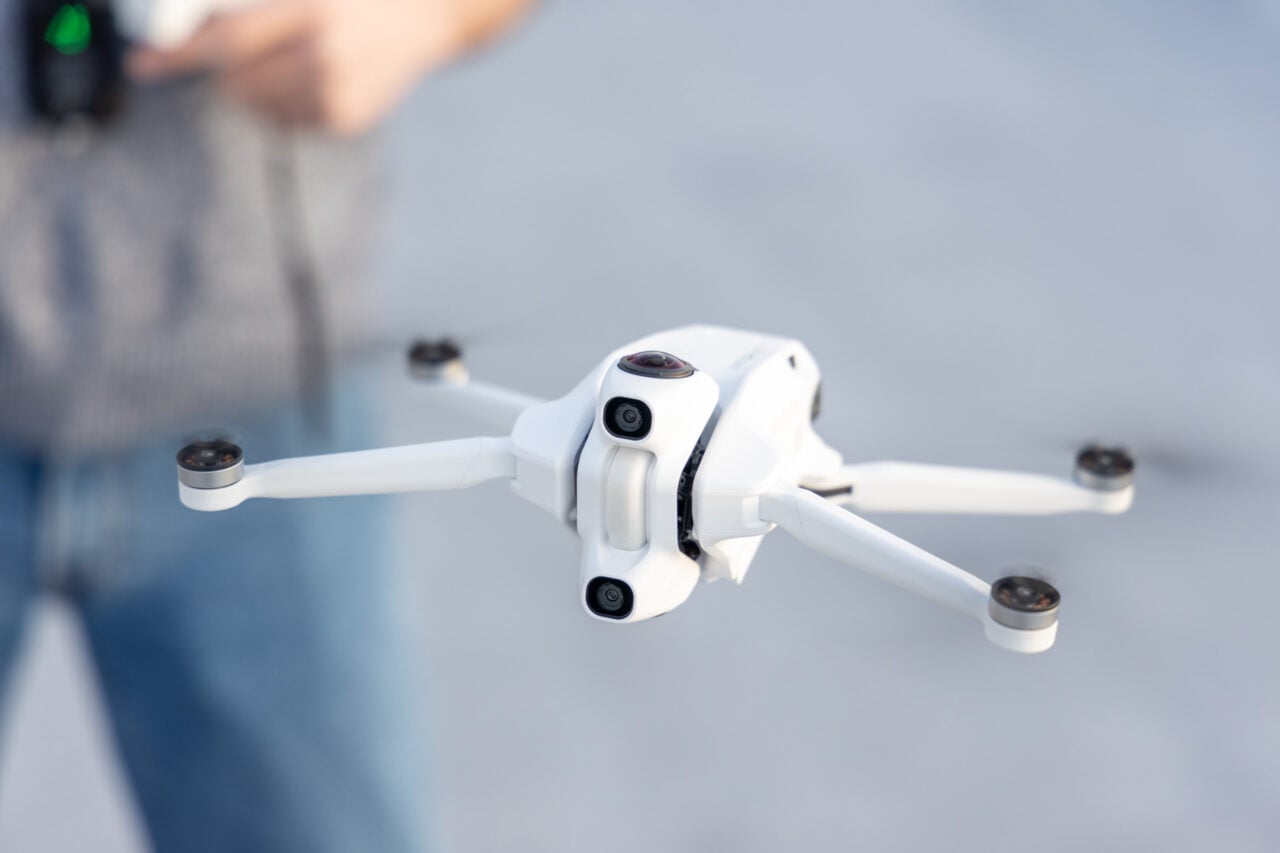
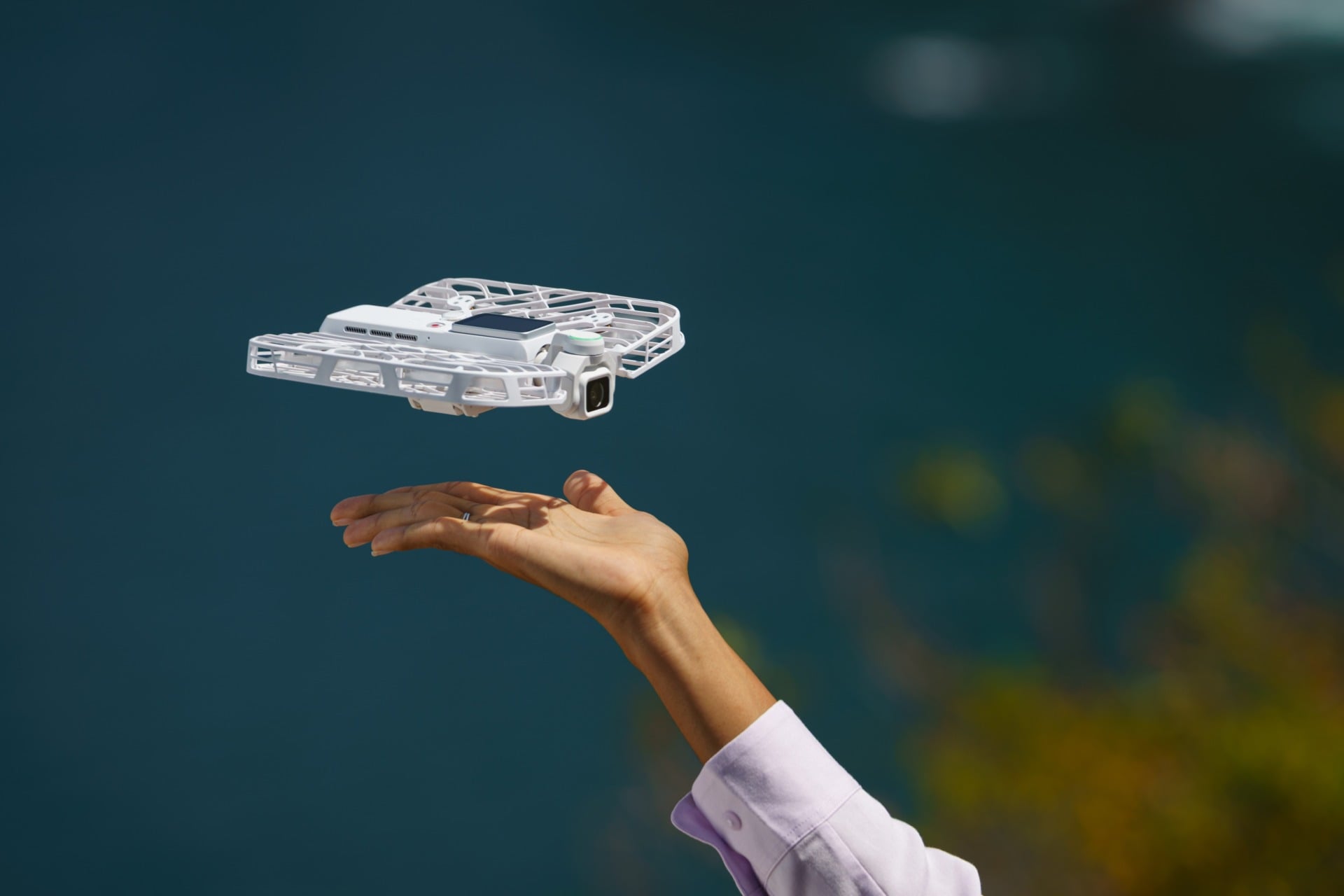
From this point onward, I will not refer to the new HoverAir Versa as a drone. Zero Zero Robotics, a company known for making all manner of UAS (unmanned aerial systems), is trying to sell you on a device it promises you can buy inside the U.S. despite the current ban on foreign-made drones. The company claims that, because the Versa is not a drone, it’s an “Intelligent Self-Flying Camera.”
When Zero Zero Robotics first debuted its new Versa, a gimbal vlogging camera with attachable propellers, it claimed in an email to Gizmodo that it has “received the required FCC [Federal Communications Commission] certification for sale in the [U.S].” That’s important to note, because last year the Trump White House banned all these unmanned aircraft from “covered foreign entities.” The dronemaker wasn’t able to bring last year’s water-launching HoverAir Aqua stateside, but this time it’s treating the propeller cages necessary for flight as a mere accessory.
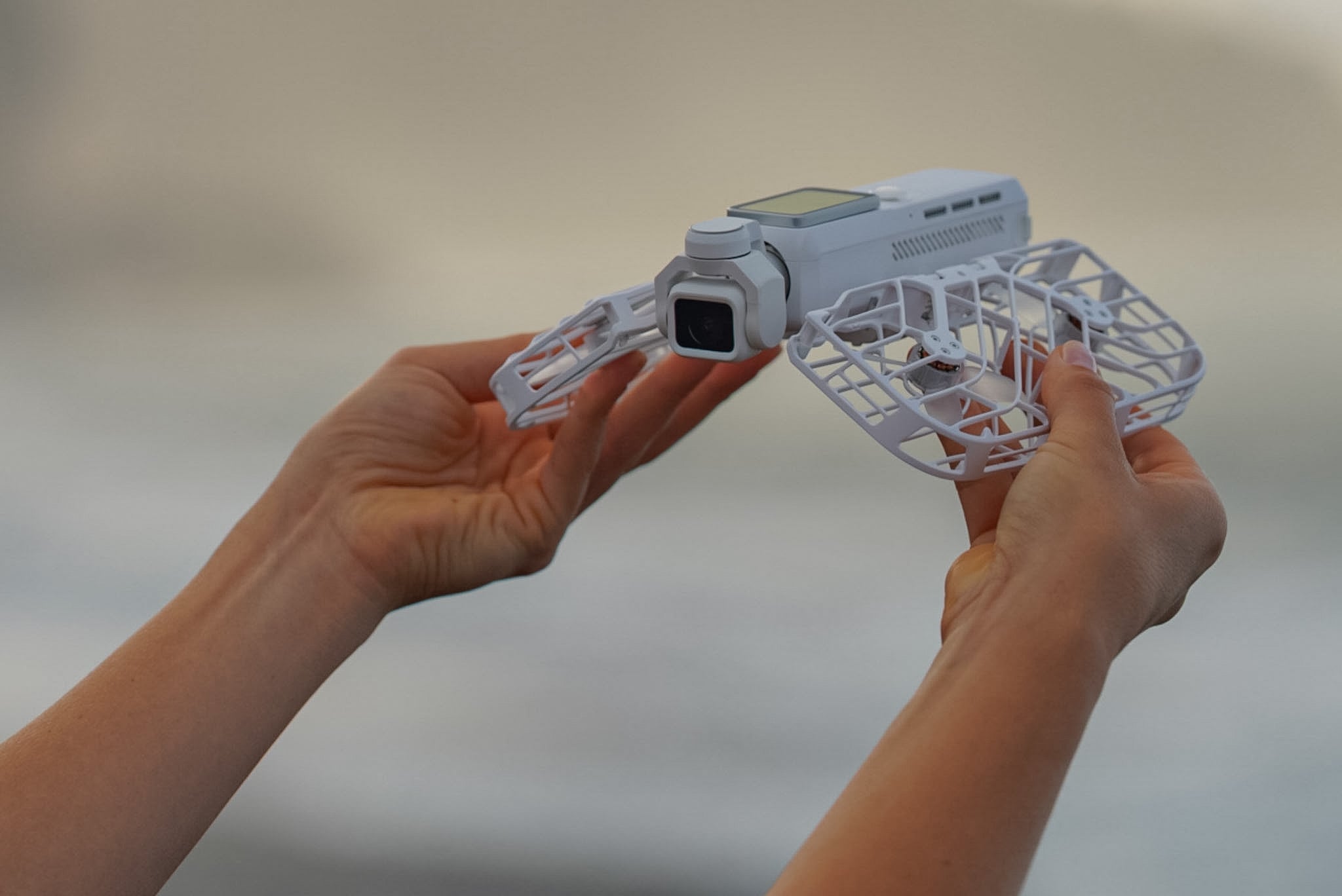
In any of its marketing materials, Zero Zero Robotics never uses the word “drone” or “UAS.” Still, when stating the camera’s specs for its HoverAir Versa, the company lists the product as a “2-in-1 Handheld Gimbal Camera + Intelligent Self-Flying Camera.”
In a statement to The Verge, the company’s marketing director, Anita Facundo, said that the not-a-drone “is in full compliance with the applicable regulatory requirements for the full product configuration offered to U.S. customers.” The camera did indeed receive authorization from the FCC. The Verge identified that Zero Zero Robotics only sought certification for its camera system, saying it had been banned from bringing its non-drone products to the U.S.
In its official register barring any new UAS from import to the U.S., the government defines drones as “unmanned aircraft and associated elements (including communication links and the components that control the unmanned aircraft) that are required for the operator to operate safely and efficiently in the national airspace system.” Those other components could be considered a part of the Versa, including the attachment points for the propeller cages or the systems it uses to intelligently follow users.
To ever hope to see this not-a-drone, you’ll have to go through an Indiegogo campaign. As a rule, Gizmodo normally avoids reporting on crowdfunding campaigns because there’s no guarantee backers will receive what you pay for. That goes doubly so for a drone that may receive a post-facto ban if the FCC wises up and realizes Zero Zero Robotics is exploiting a loophole. Then again, Zero Zero Robotics may also try to skirt newly enacted tariffs imposed on all small-sized drones.
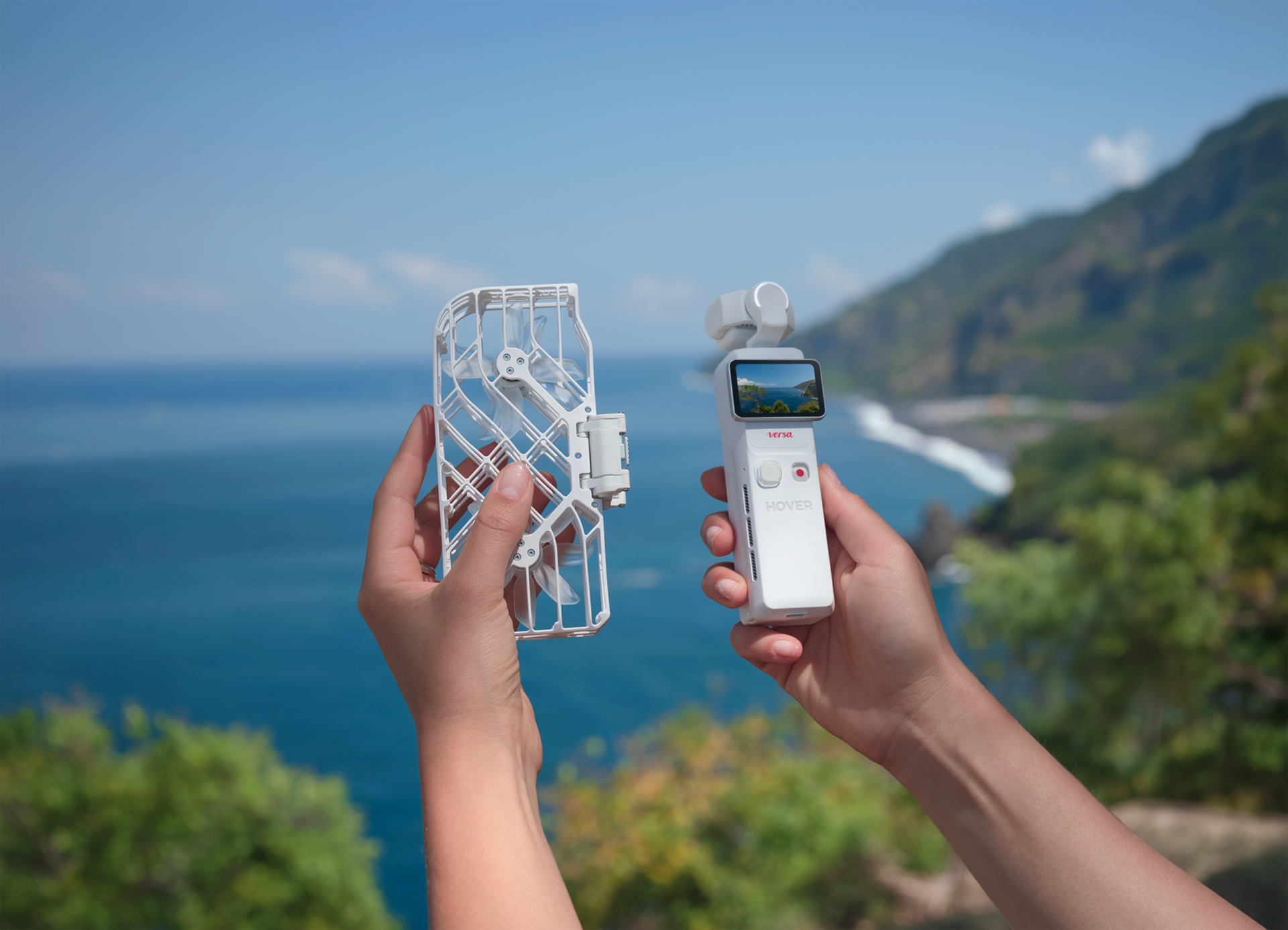
However, what’s significant about the Versa rollout is that Zero Zero Robotics is treating the drone parts like a true accessory. The gimbal camera by itself costs $450 through the crowdfunding campaign. The “FlyMore Combo” pack with the propeller cage attachments comes out to $630.
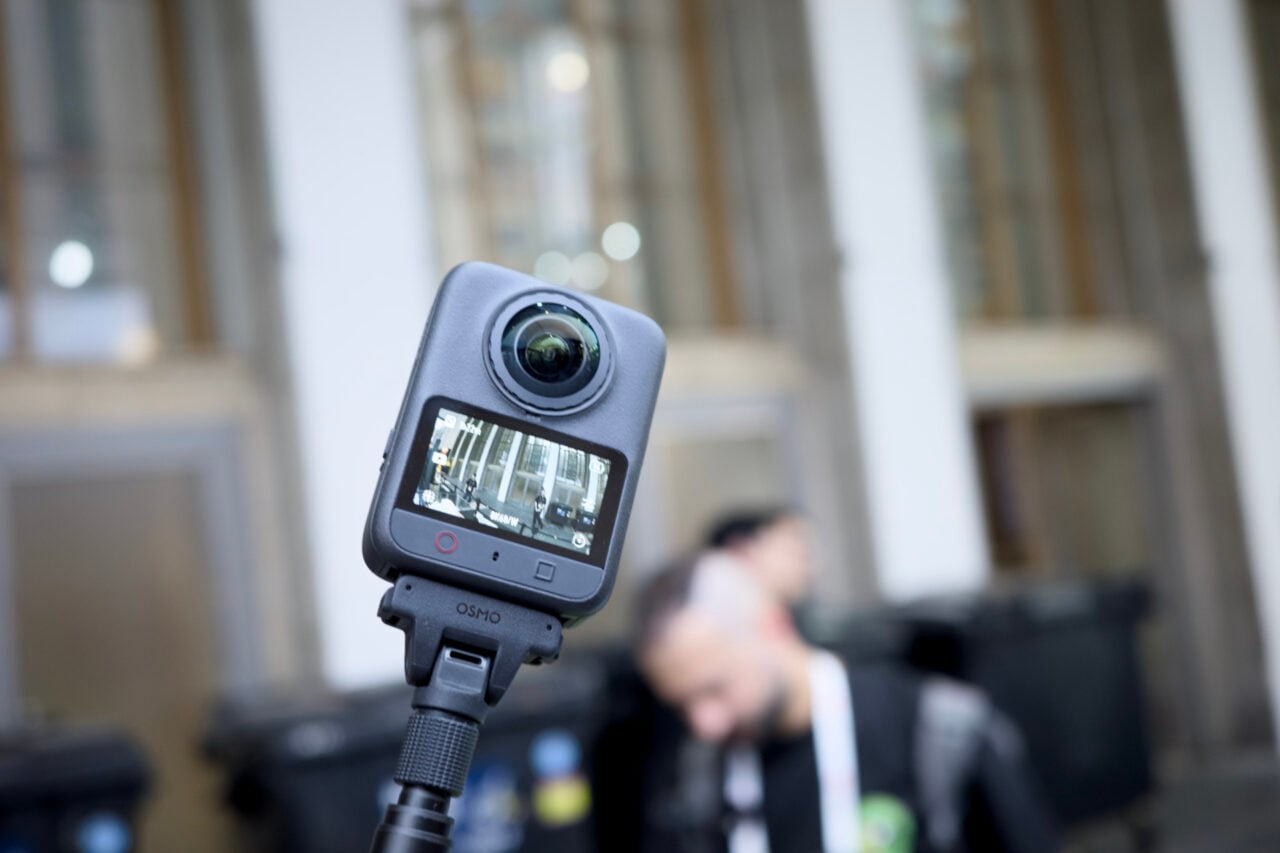
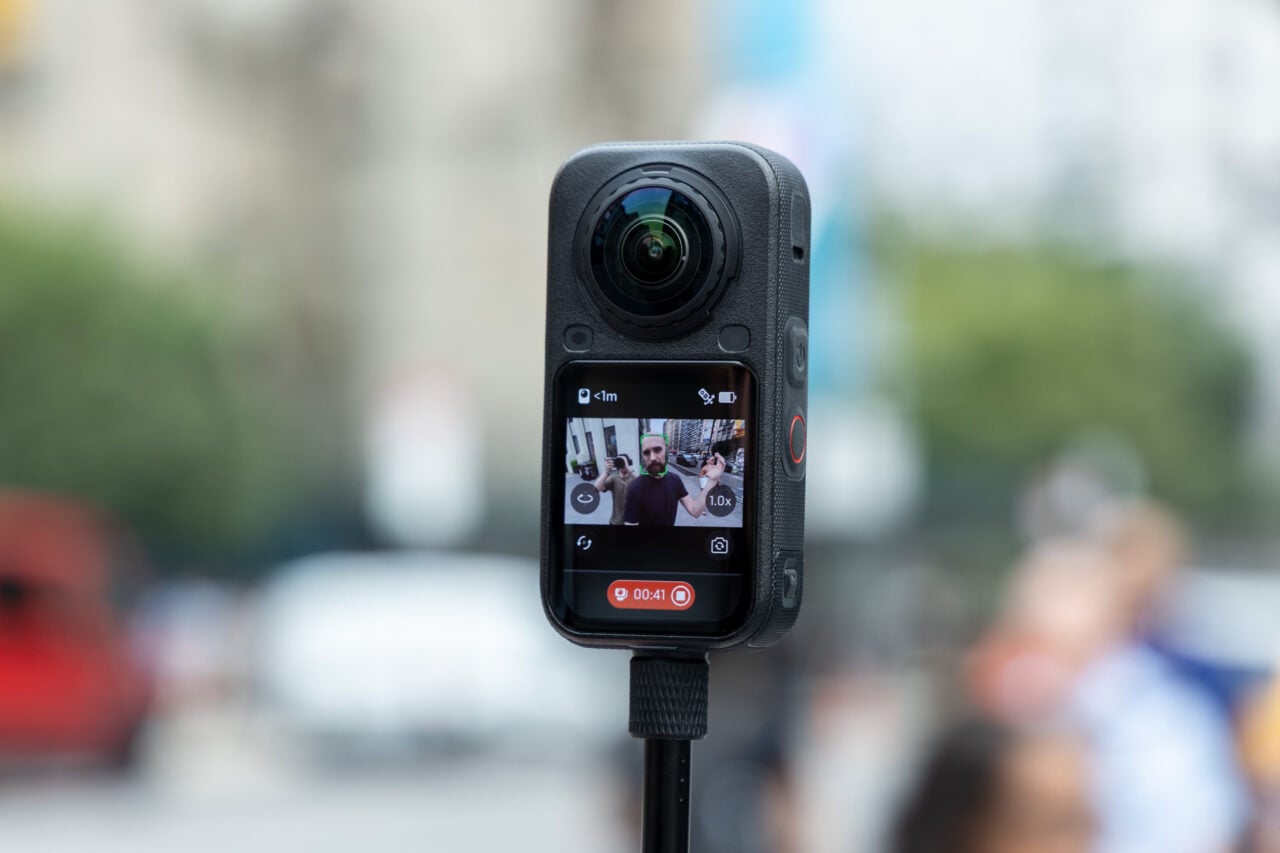
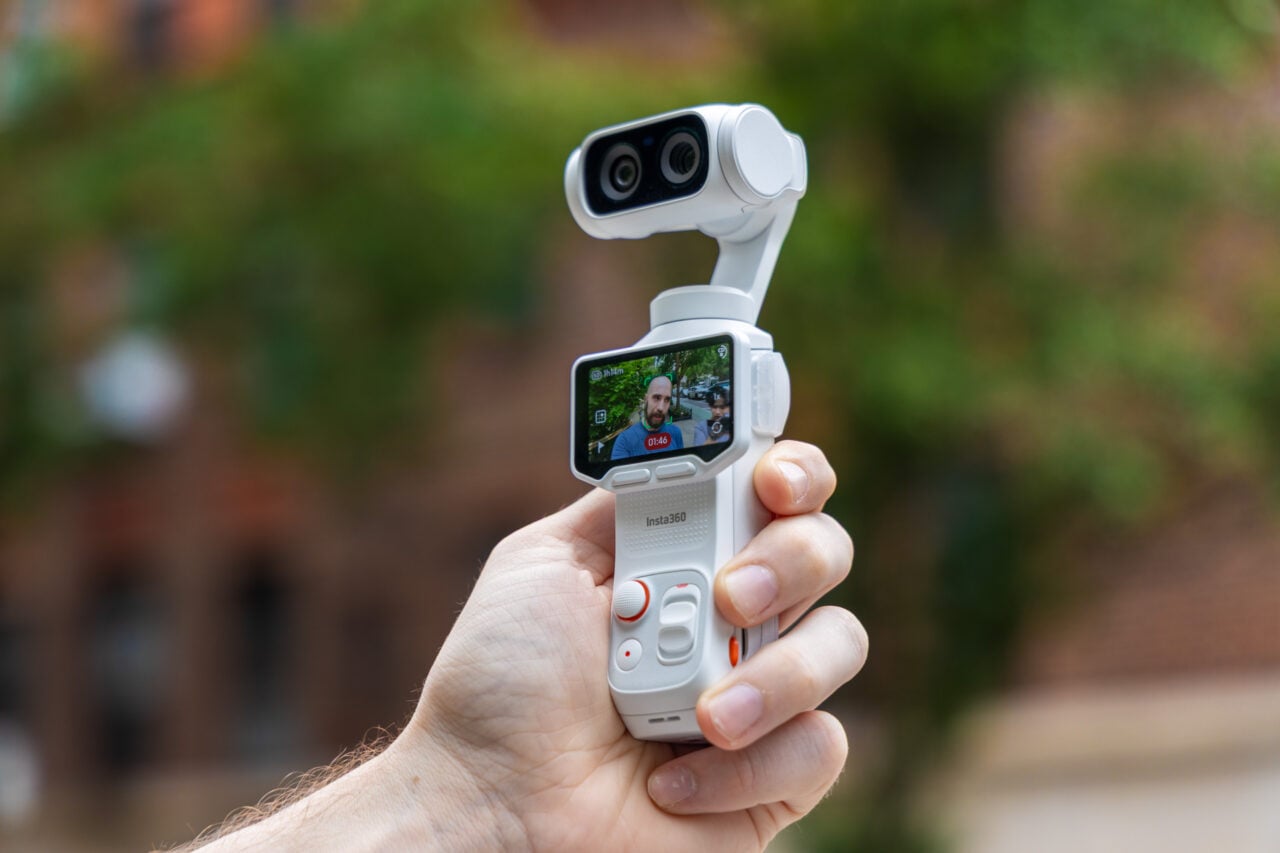
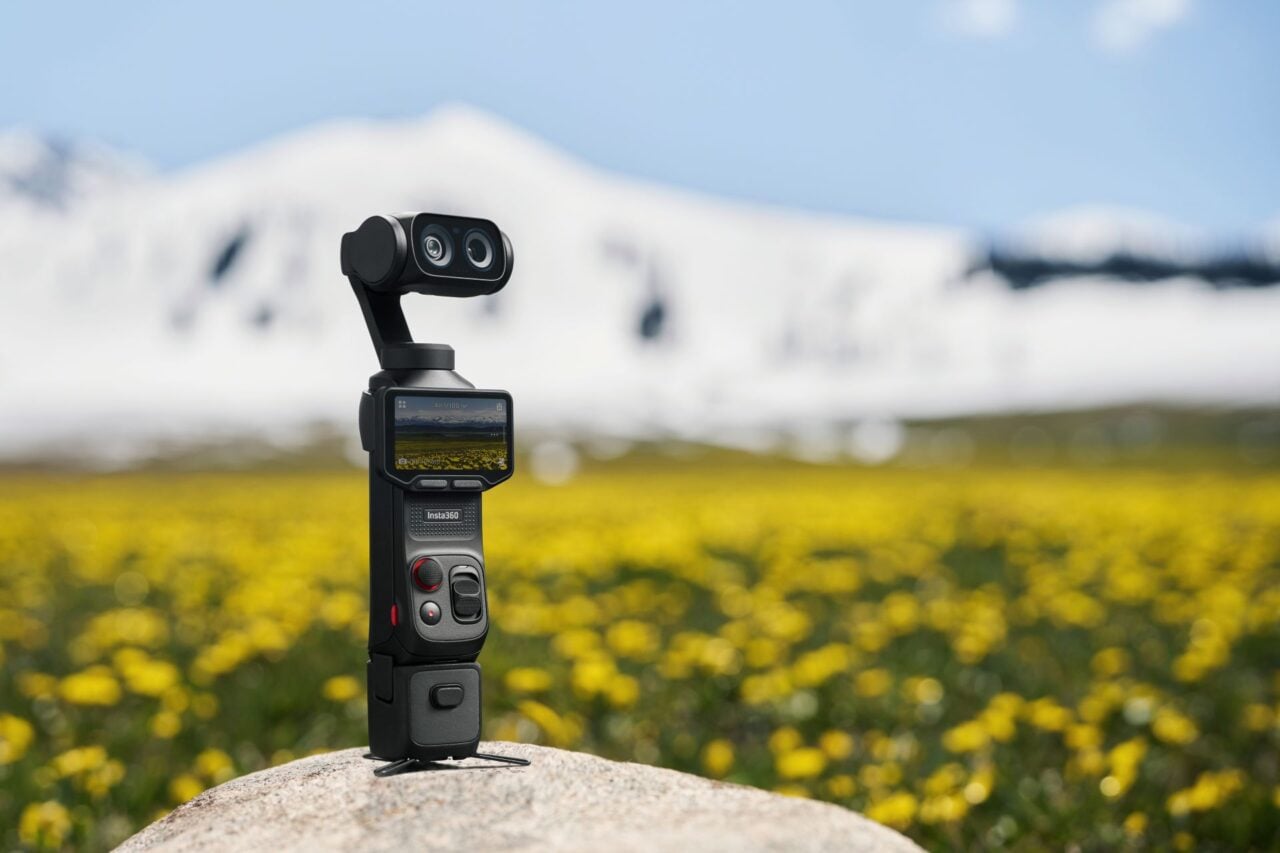
You may be wondering at this point whether the Versa is still worth considering, even if it’s not technically a drone. The 1/1.3-inch CMOS camera lens is mounted on a three-axis gimbal setup. It can shoot video at a max of 4K and 60 fps or 4K and 30 fps in HDR. An Osmo Pocket 4 vlogging camera packs a larger 1-inch sensor, while a more expensive Insta360 Luna Ultra makes use of two. The camera with the wing attachments weighs in at 230g and includes palm takeoff features like the DJI Neo 2 160g drone. The HoverAir drone can reach a max speed of 36km/h, or 22mph, while the Neo can max out at 43km/h, or 26mph.
The HoverAir Versa certainly has more utility thanks to its detachable wings. It simply may not be the best of both worlds. The issue is, even if you wanted DJI’s products, you can’t easily buy them in the U.S (we still recommend checking Amazon, which still seems to have some new DJI products in stock). The federal government has effectively banned any and all DJI imports for new products. There are no U.S. drone makers that can possibly compare to the consumer-first flying cameras made by these foreign brands.
This post has been updated to include a response from the FCC on the HoverAir Versa drone.