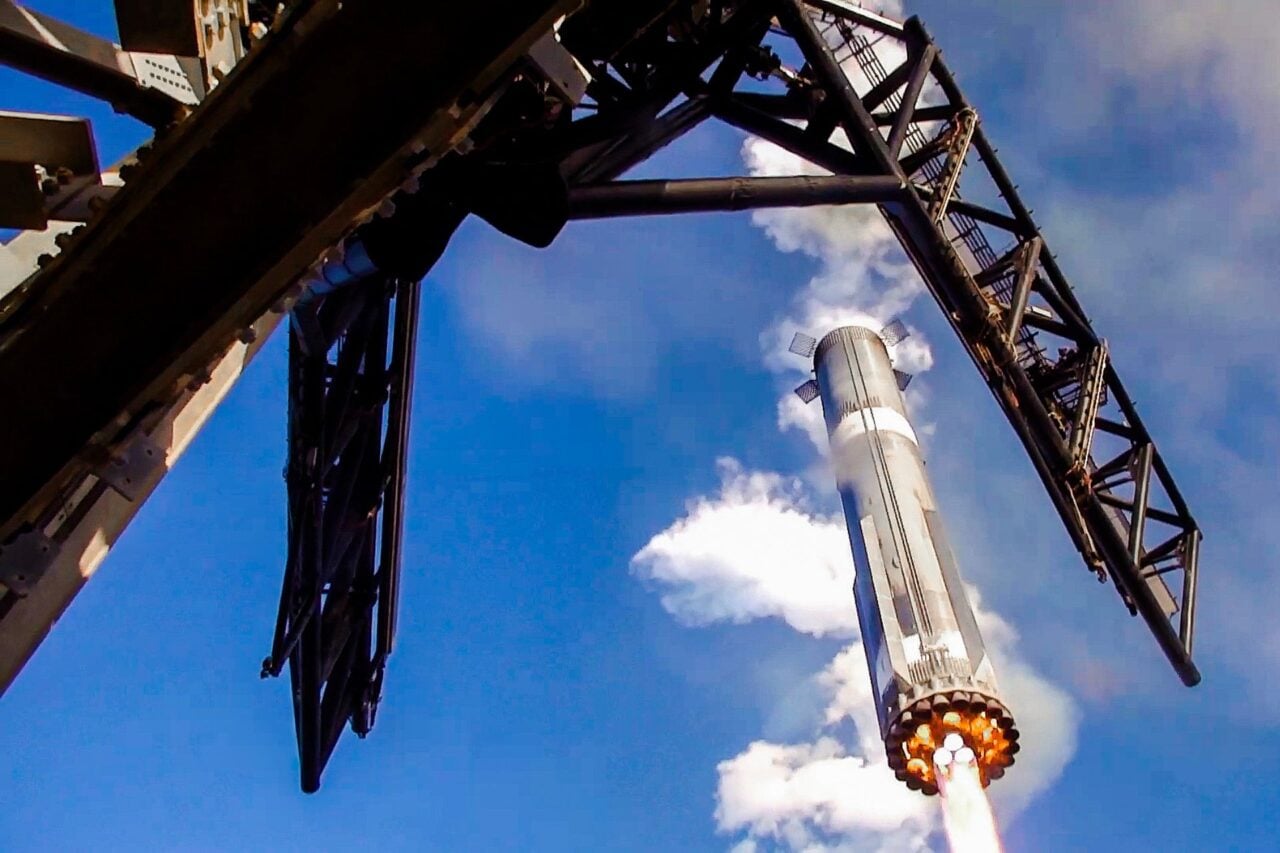
SpaceX is once again counting down to launching the Deep Space Climate Observatory, but this time with a twist: rough seas in the Atlantic mean the company will not be attempting to soft land the Falcon 9 rocket on a barge. If the launch is scrubbed again, moon will block further launch attempts until February 20th.
https://gizmodo.com/will-spacex-launch-and-make-its-historic-barge-landing-1685040189
Top image: After days of delays, SpaceX successfully launched the DSCOVR satellite at sunset on Wednesday. Credit: SpaceX
Clear skies and calm winds in the launch zone look good, but 7-meter seas in the landing zone are a bit more problematic. Image credit: NASA
You can watch the launch live here:
https://www.ustream.tv/embed/recorded/6540154?v=3&wmode=direct
(Missed it? Here’s the launch replay!)
Although everything is (currently!) looking great for a launch this afternoon, major waves in the landing zones have forced SpaceX to back off from their second attempt at soft-landing the first-stage rocket on an autonomous drone ship in the Atlantic Ocean.
Mega storm preventing droneship from remaining on station, so rocket will try to land on water. Survival probability <1%.
— Elon Musk (@elonmusk) February 11, 2015
In a statement released today, SpaceX explains:
SpaceX is still tracking towards a 6:03pm ET liftoff of DSCOVR, but unfortunately we will not be able to attempt to recover the first stage of the Falcon 9. The drone ship was designed to operate in all but the most extreme weather. We are experiencing just such weather in the Atlantic with waves reaching up to three stories in height crashing over the decks. Also, only three of the drone ship’s four engines are functioning, making station-keeping in the face of such wave action extremely difficult. The rocket will still attempt a soft landing in the water through the storm (producing valuable landing data), but survival is highly unlikely.
The wave heights in the landing zone have been in excess of 7 meters height since Tuesday evening, but the weather in the launch zone is currently 90% go for this evening.
A NOAA buoy near the suspected @SpaceX ASDS location has been reporting wave heights > 25 feet since Tue. evening. pic.twitter.com/FpI74Za8FQ
— TWC Space Weather (@twcspacewx) February 11, 2015
Even without the secondary mission, this is still an exciting launch for SpaceX. By sending the DSCOVR satellite to the L1 Lagrange point, the company will complete its first deep space mission. The satellite will monitor solar storms and space weather in order to improve predictions of geomagnetic storms.
Will SpaceX finally launch the DSCOVR satellite today? Image credit: NASA
The launch was originally scheduled for Sunday evening, but was scrubbed due to a technical problem with Air Force tracking equipment. The launch attempt on Monday was cancelled due to foreboding weather, and Tuesday attempt cancelled due to extremely strong upper atmosphere winds. Weather is currently looking good with 90% probability of permitting a launch today at 6:03pm EST. If the launch is scrubbed again, the next window will be Friday, February 20 at 5:43:44 p.m. EST due to a “Moon Blackout.” The blackout is because the moon’s position would force the satellite to make fuel-intensive corrections to get on the right trajectory for its deep-space destination.
#DSCOVR: Just past T-18 minutes and counting. pic.twitter.com/bypeS2JgcH
— NOAA Satellites (@NOAASatellites) February 11, 2015
Update 6:00pm EST: With just minutes in the countdown, all weather is green and good to go, no issues are currently being worked, and the final poll is unanimously in favour of a launch. Let’s do this!
Mission Control is ready to go; are we actually going to launch this time? Image credit: NASA
Update 6:06pm EST: Finally! The Falcon 9 rocket has lifted, and the launch looks good so far to put DSCOVR in the perfect position for its deep-space mission.
We have liftoff! #DSCOVR has launched! @NOAA @NASA pic.twitter.com/KwBikFKY8G
— NOAA Satellites (@NOAASatellites) February 11, 2015
It will take roughly 110 days for the satellite to reach position after separating from the rocket, so we can’t declare SpaceX’s first deep-space mission a success quite yet. Still, I’m down with starting the celebratory dance party to rock out while basking in the on-rocket video feeds.
Update 7:50 pm EST: The DSCOVR spacecraft is in good health, with solar panels deployed and solid communication with the ground. The SpaceX Falcon 9 rocket soft-landed on the Atlantic within 10 meters of its intended target before toppling into the ocean, boding well for the next barge-landing attempt when a launch coincides with half-decent sea conditions.
#DSCOVR: Here's a beautiful picture of DSCOVR taking its ride into space after the 6:03pm EST on-time launch. pic.twitter.com/GegGxMSNy2
— NOAA Satellites (@NOAASatellites) February 11, 2015
Ummmm we saw this from the plane window a few hours ago @BadAstronomer pic.twitter.com/lU1UBraWN8
— EARTHEATER (@trinityvigorsky) February 12, 2015
Re-entry burn with deployed grid fin during today’s #DSCOVR launch seen from top of #Falcon9 first stage. pic.twitter.com/fpkuwLILKa
— SpaceX (@SpaceX) February 12, 2015