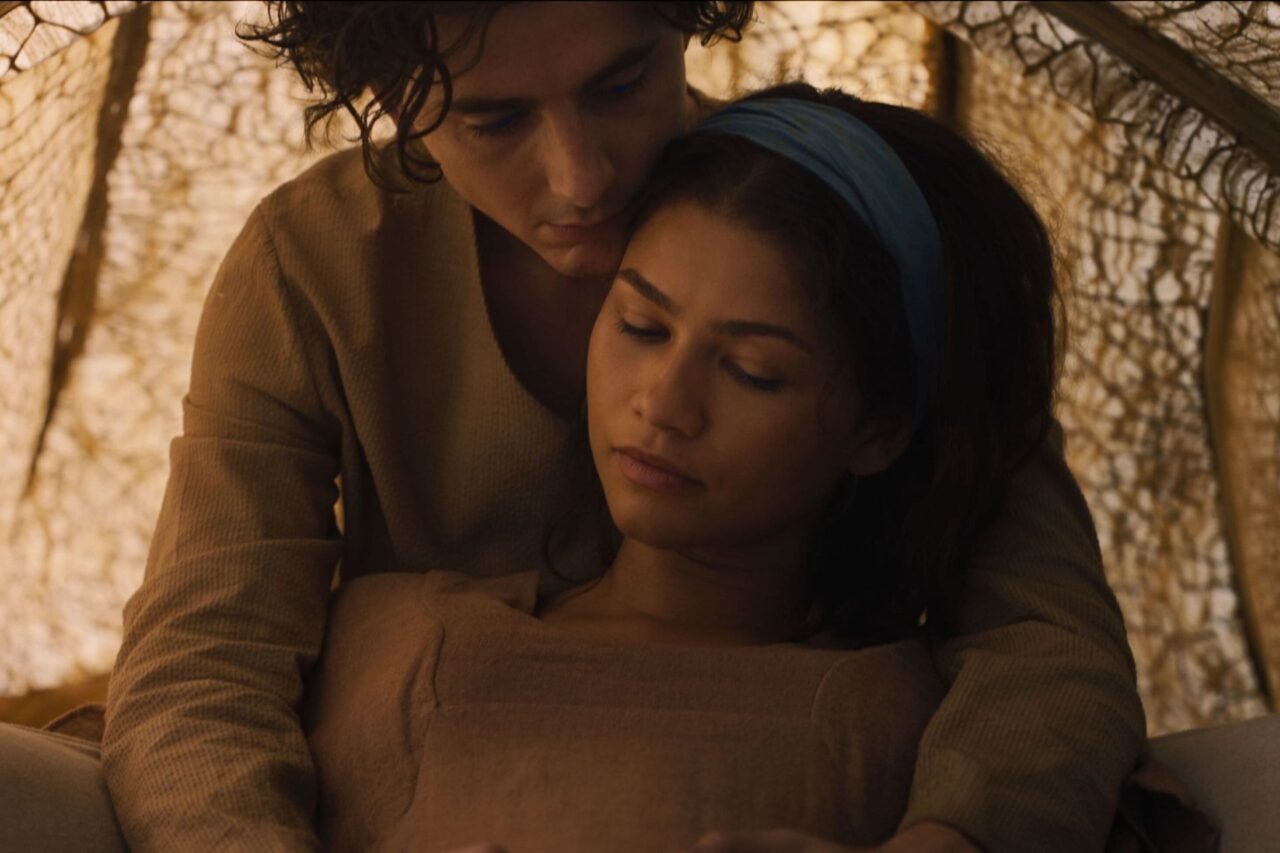
In less than two months, Dune: Part Three will be in theaters. That a film trilogy has begun and ended in five years feels like a feat these days, but if there’s one thing Denis Villeneuve’s franchise has shown, it’s that when things go right, audiences are more than willing to show up for that occasion.
Villeneuve helmed the first screen adaptation of Frank Herbert’s 1965 novel since the 2000 Sci-Fi Channel miniseries, and the first film since David Lynch’s go in 1984. There’ve been more failed attempts at bringing the book to film than have actually come out, with Paramount trying in the mid-2000s before dropping out in 2011. Legendary acquired the rights to Dune in 2016 and the Canadian director landing the gig shortly after.
Villeneuve’s plan was to split the first book into two movies, which ended up being one of the few things that went as intended, since the pandemic pushed Dune: Part One‘s release date back a few times. When it finally came out on October 22, 2021, it was part of WB’s dual theatrical-streaming release plan, which didn’t please any filmmaker. (Villeneuve opposed this decision enough to write a whole column about it.) Any chance of a sequel depended entirely on this first movie, so it must’ve been a pleasant surprise to see audiences show up for it in both ways: at $411 million worldwide, it was 2021’s 10th highest-grossing film, and its ninth-most streamed. Not gigantic numbers, but impressive and acceptable, especially since Villeneuve was vindicated after it was leaked days before its intended release.
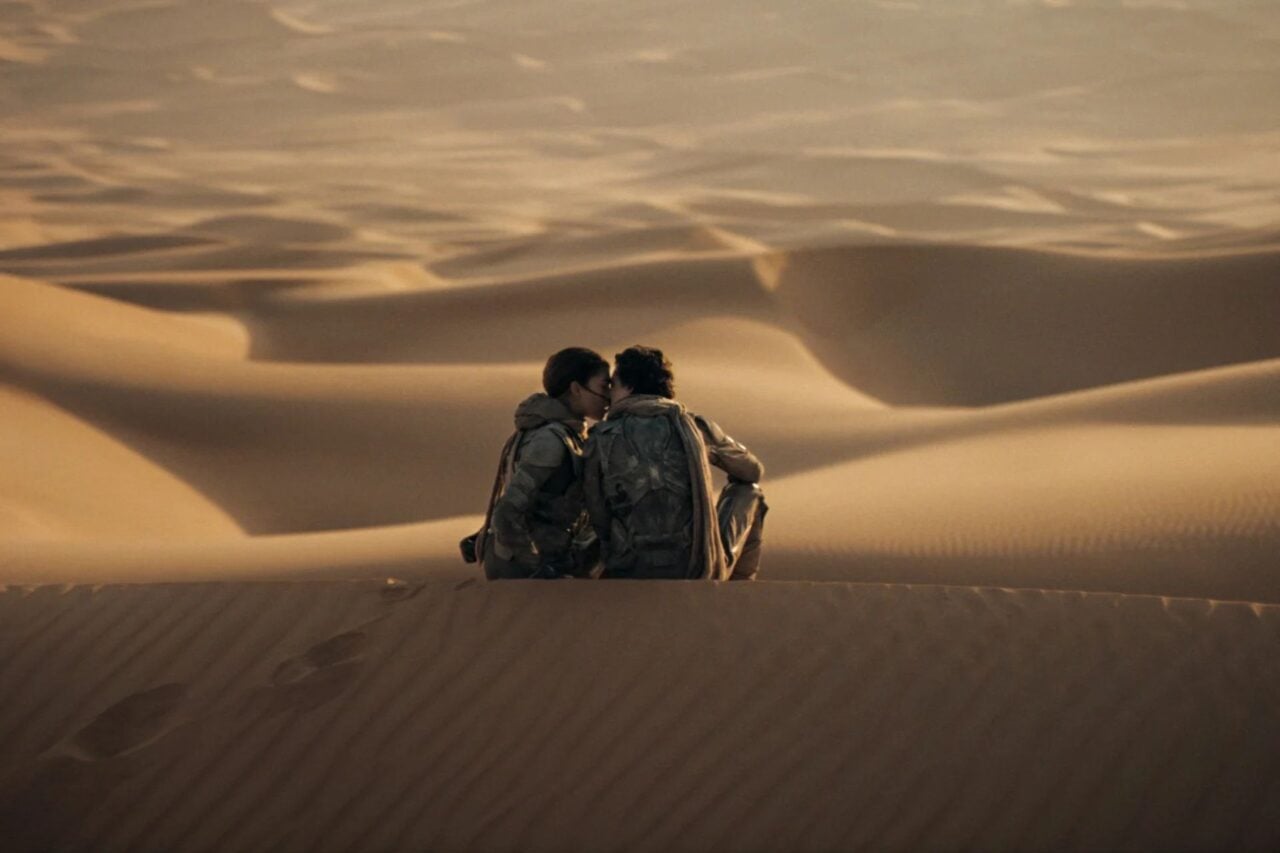
While understandably knocked for feeling incomplete, critics and audiences generally took to Part One, largely owing to its scope and ambition. Part of what made the film so alluring at the time was seeing Arrakis presented as a real, physical place that could only come from shooting on location. Regardless of how you watched it, you could generally feel the scale of the thing whenever the ornithopters took flight, a sandworm appeared, or even when the camera just presented a wide shot of the Houses and their loyal servants. (Part Three‘s IMAX push is for a reason!)

Such sights, when they happened, did enough to liven up an otherwise desaturated, sci-fi military aesthetic that showed the weird balancing act between film and source material. Herbert’s books and subsequent adaptations have reflected various conflicts between the West and Middle East, and Villeneuve’s Dune is no exception. Several critics and scholars have found this adaptation to be all over the place, with some finding the Orientalist themes more amped up here than in prior versions, despite the Fremen taking a more central role here and the second film.
Whatever spurred the choice, it can’t help but muddle optics and call attention to how the first movie—whole trilogy, really—is devoid of Middle Eastern actors in primary parts, instead relying on Western stars who appear just ethnically ambiguous enough to represent Arrakis’ indigenous population while Middle Eastern and North African actors hold minor roles. (Audiences come to blockbusters like this for the stars, but there’s apparently a limit on which stars can be born from heavy-hitters such as these.) And as a big production, it also draws discussion of downplayed themes, not helped by the cinematic universe rearing its head or characters and musical cues becoming consistent joke fodder.
Timing is everything for blockbusters, and Dune: Part One certainly hit the world at just the right moment. The pandemic meant longtime cinematic franchises like Marvel and Star Wars found new, debatably temporary homes on the small screen while their films were MIA, giving Villeneuve’s film a perfect window of opportunity. Like Christopher Nolan, he’s fine letting his work do the talking for him, which has shown on the screen—not just from him, but the actors assembled, many of whom have gotten a profile boost thanks in part to these movies. As recent history has shown us, when something is working hard to show you it has the goods without looking like it cares what you think, audiences will sit up and pay attention.

In that sense, it’s no wonder Dune‘s arguably the decade’s big franchise. Similar to James Cameron’s Avatar movies, it found a way to make itself important, helped by not losing its cultural momentum between installments. However you feel about the movies, there’s no denying that strategy’s worked, and it’s why so many are looking forward to December 18 to see if Dune: Part Three will stick the landing.
Want more io9 news? Check out the best movies and TV shows to stream this month and all the upcoming sci-fi, fantasy, and horror books that should be on your radar.