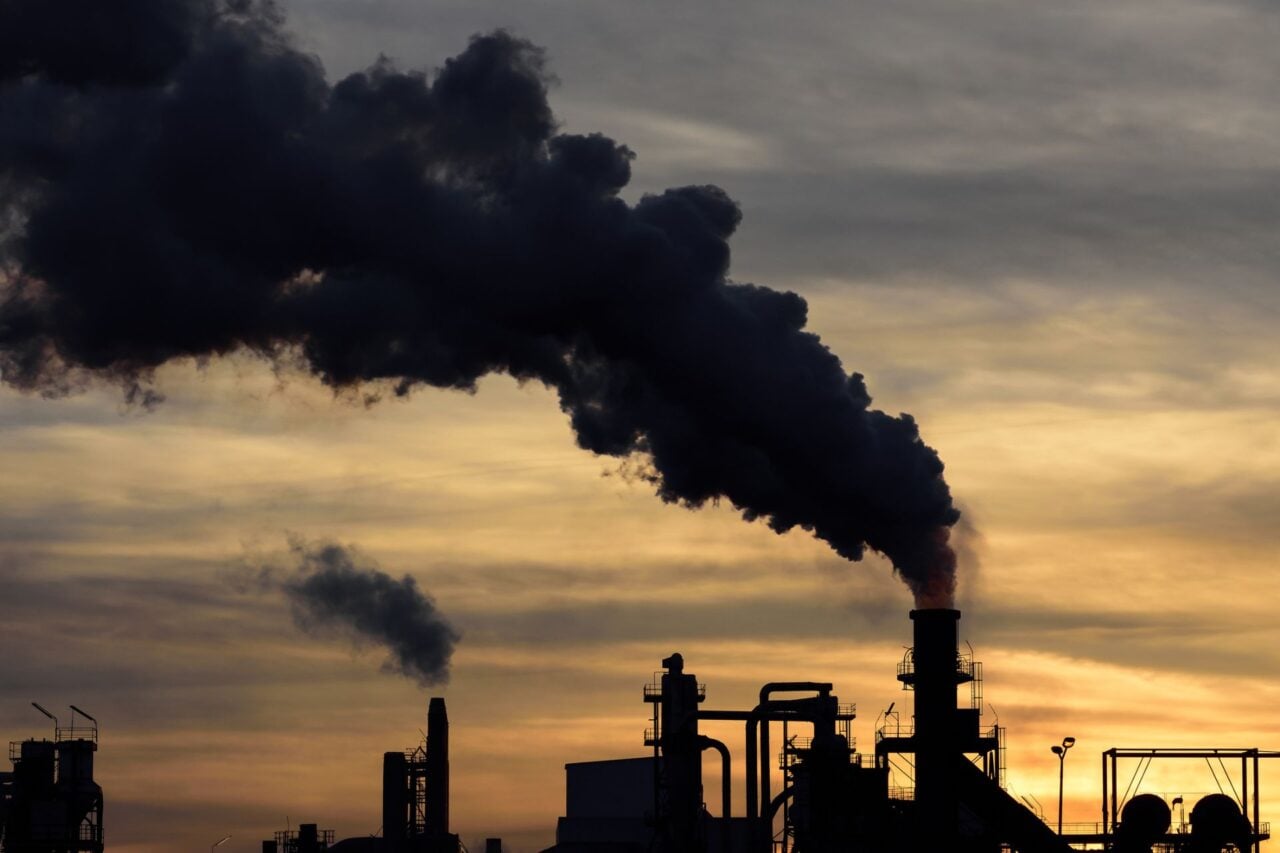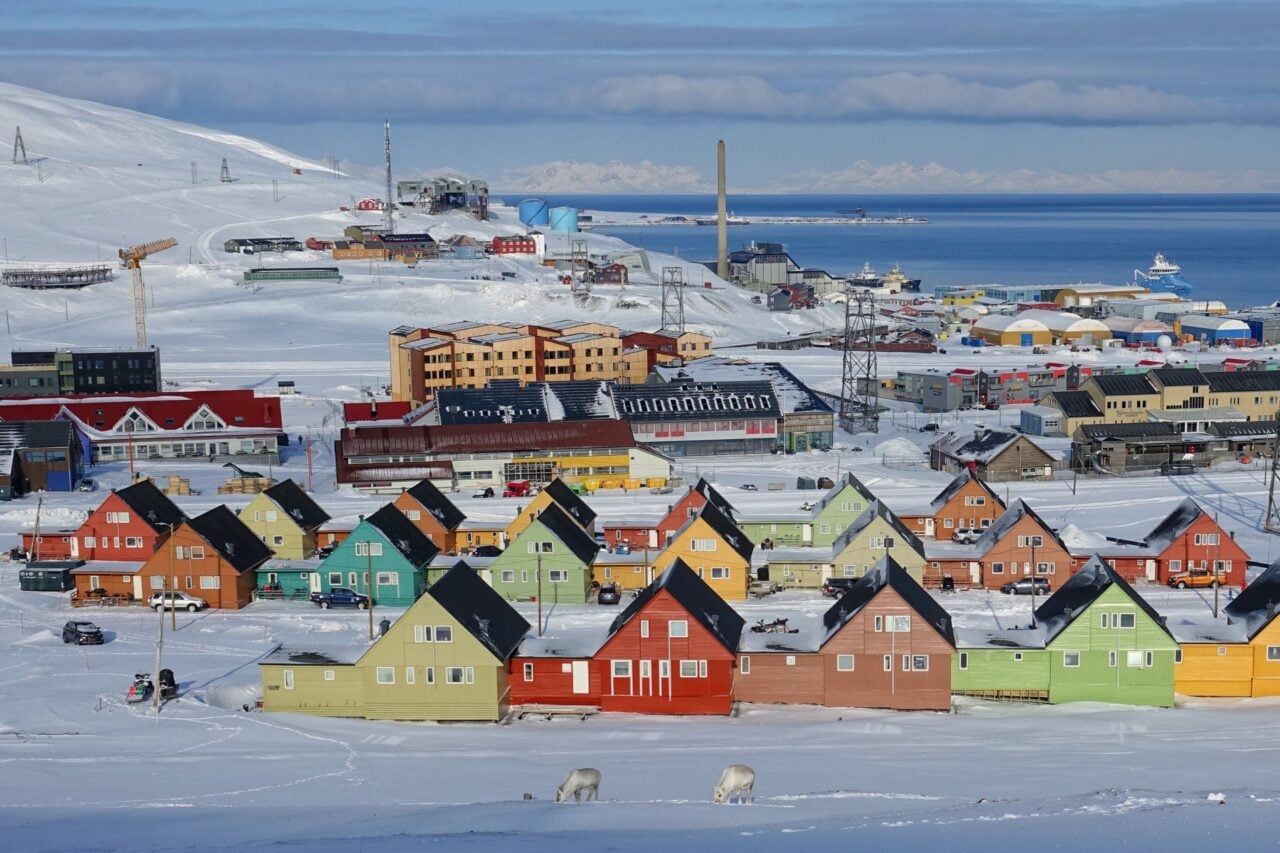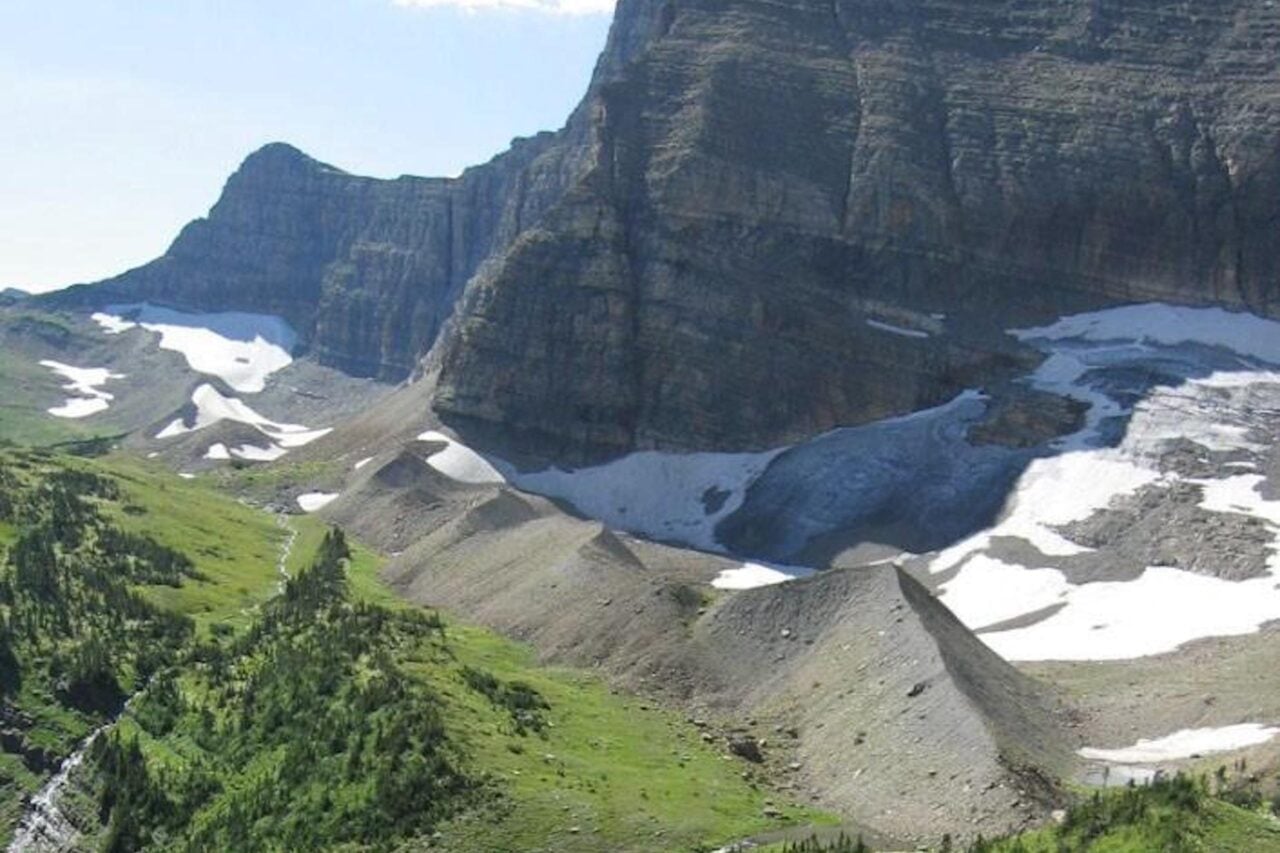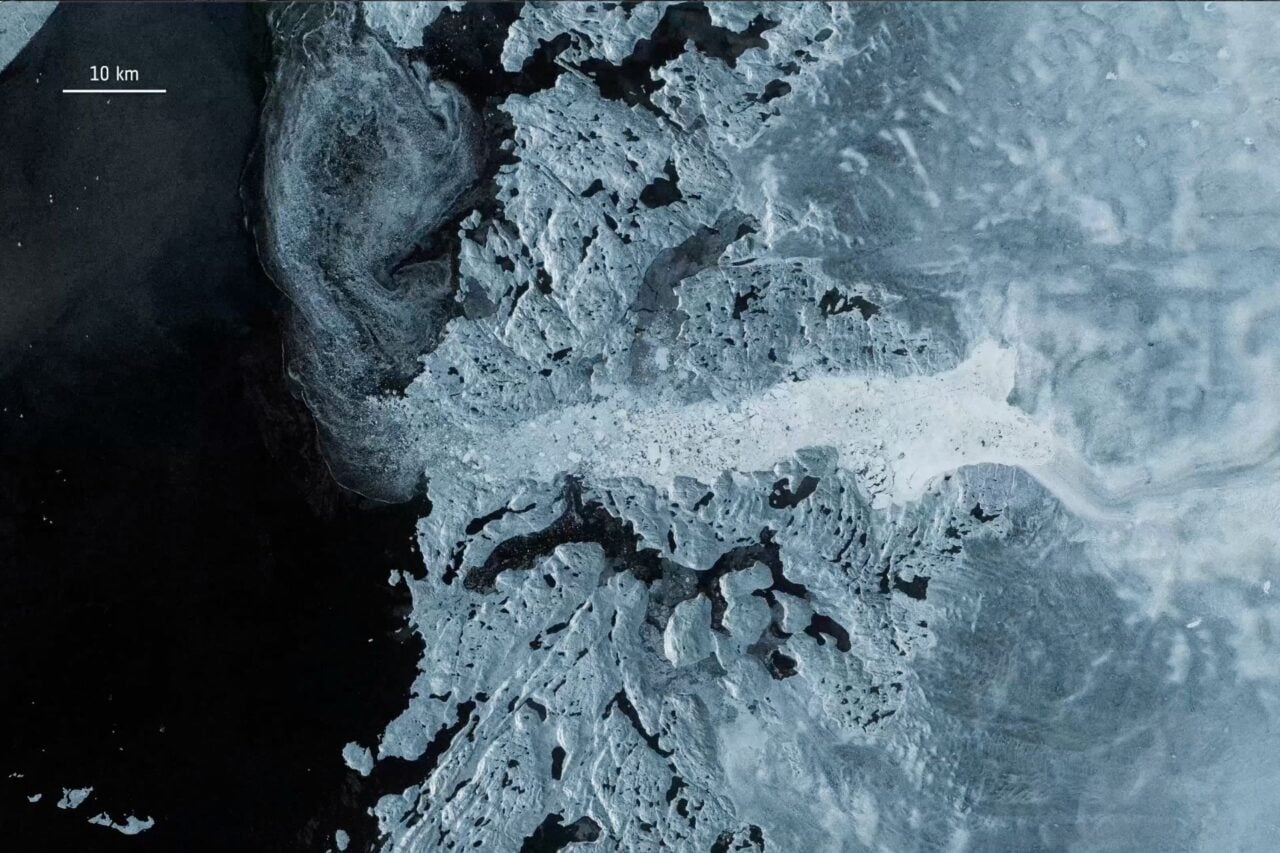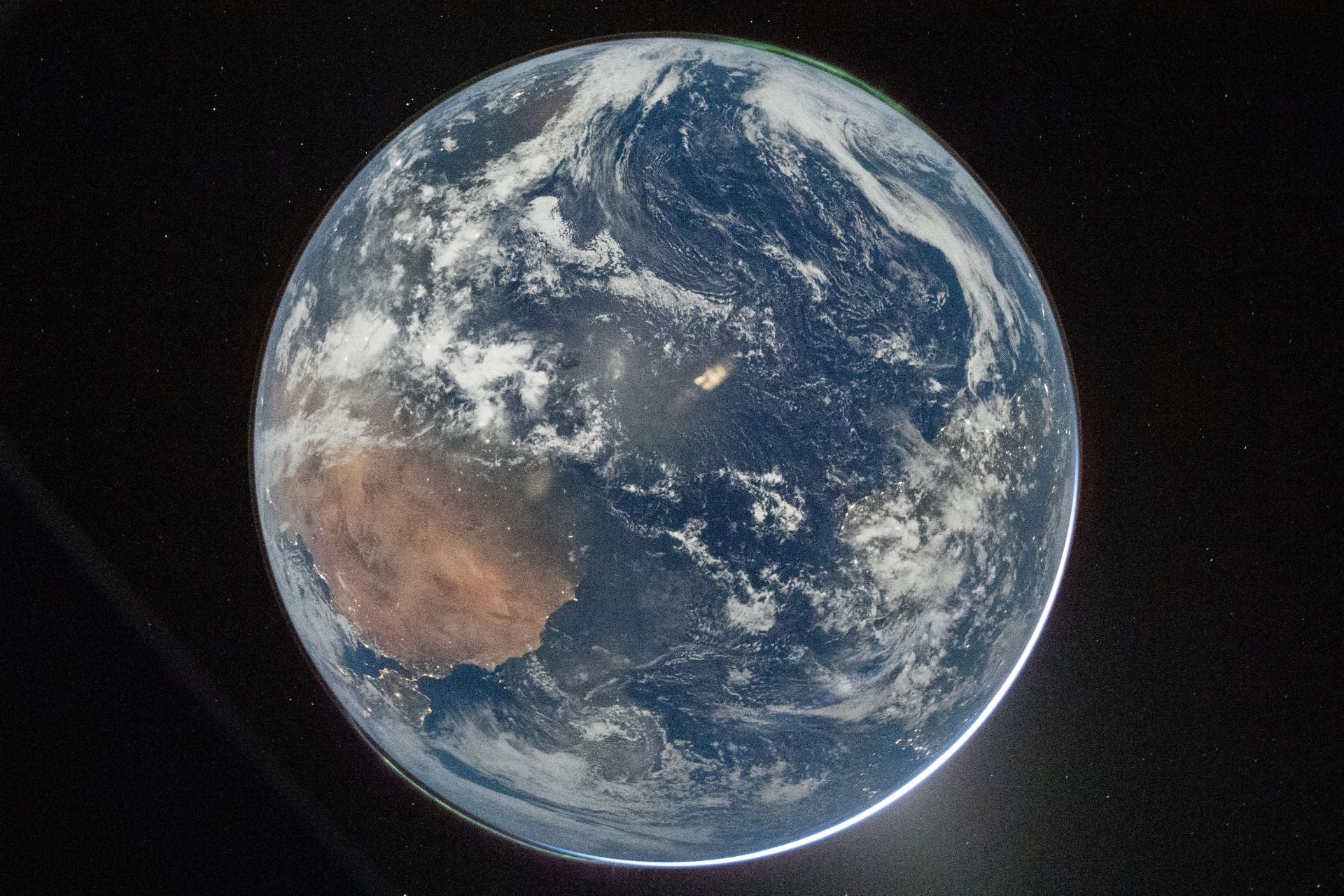
Despite what photos suggest, Earth is not perfectly round. Our home planet is actually a lumpy “oblate spheroid” that bulges slightly at the equator and flattens at the poles, like a ball of clay smushed between your fingers. But as fossil fuel pollution alters Earth’s climate, it’s altering the planet’s shape as well.
That’s according to a study published last month in the journal JGR Solid Earth. The findings suggest that the overall shape of Earth’s solid surface is becoming rounder at an accelerated rate as rising global temperatures drive polar ice melt. While the shape of the planet has never been fixed, this rapid change underscores the power of human-driven warming.
“These findings are important because they help scientists understand how the planet responds to melting glaciers and shifting water,” Christopher Kotsakis, a professor of geodesy at the Aristotle University of Thessaloniki in Greece and the study’s author, wrote in his study. “This kind of knowledge is essential for tracking climate change and its impact on Earth’s long-term behavior.”
Our rounding blue marble
Kotsakis set out to determine whether the recent acceleration of polar ice melt and resulting redistribution of meltwater have measurably changed the shape of Earth’s solid surface—specifically the flatness of the poles and bulging around the equator. He developed a new method for analyzing data from the Global Navigation Satellite System (GNSS), which directly measures surface motion.
The analysis suggests that the poles are rising, with a rate of uplift between 2011 and 2015 of about 0.02 to 0.04 inches (0.5 to 1 millimeter) per year. At the same time, Earth’s equatorial bulge appears to be shrinking at a similar rate.
Today, it’s likely that those rates are even higher, as the findings suggest Earth is rounding faster with each passing decade. The rate of change between 2011 and 2015 was indeed higher than the rate between 1997 and 2000. It appears that every 10 years, polar uplift is accelerating by about 0.01 inches (0.25 mm) per year, and equatorial contraction is accelerating by 0.02 inches (0.4 mm) per year.
Those may seem like minuscule changes considering the planet is nearly 8,000 miles (12,800 kilometers) wide, but it shows that there has been a measurable, and hastening, increase in Earth’s roundness in recent history.
This makes sense if the driving force is polar ice melt, which has also accelerated significantly over the past several decades. As ice sheets shrink and the poles lose mass, this takes pressure off Earth’s solid surface, allowing the crust to lift. Meanwhile, all that meltwater flowing toward the equator puts more pressure on the crust there, leading to subsidence.
It’s important to note, however, that this study only looked at how Earth’s solid surface is changing. When taking the ocean into account, the planet’s equatorial bulge is actually growing as meltwater accumulates there.
A fundamentally altered Earth
While we tend to focus on the numerous ways fossil fuel emissions are reshaping Earth’s climate, researchers are finding increasing evidence to suggest that climate change is altering the planet’s most fundamental characteristics, such as its axis, rotation, and gravitational field.
The rapid climatic changes observed in recent decades are remarkable—and extremely alarming—on their own, but the fact that a single species is capable of altering the planet’s physical properties is nothing short of astounding. To be clear, the human-driven rounding identified by this new study does not pose any immediate threat to life on Earth, but it does speak to the incredible influence we have over our home.