All things geology, climate, oceans, and more
As if we needed more proof, an internet legend traced the telling pattern of his garage's shadow over the course of a year.
Southern California’s first wintry storm of the season could create a dangerous situation in areas affected by the LA wildfires in January.
Neil Jacobs, who was confirmed by the Senate on Tuesday, was found to have violated the agency's code of ethics during the first Trump administration.
A surge in zombie fires. Back-to-back black rainstorms. This summer’s weather was something else.
Hikers suddenly found themselves in a life-threatening situation as a rare October blizzard buried their camps in snow.
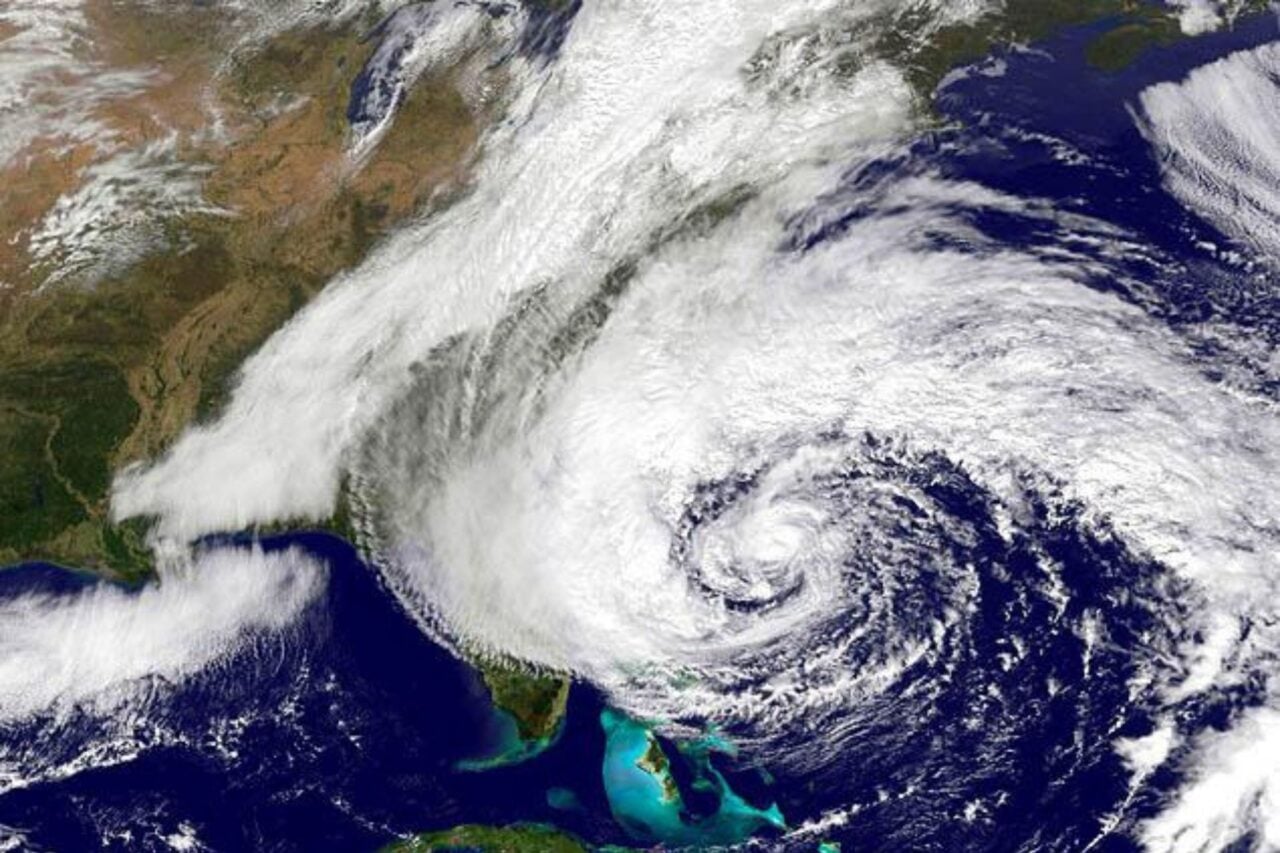
The National Hurricane Center is watching these two storms closely as they encroach on the U.S.
As climate change leads to more destructive hurricanes, some experts have proposed adding a “Category 6” to the Saffir-Simpson Hurricane Wind Scale, but not everyone thinks it’s a good idea.
As Hurricane Gabrielle tracks east toward Azores, Tropical Storm Humberto may tangle with another developing storm system heading toward the U.S.
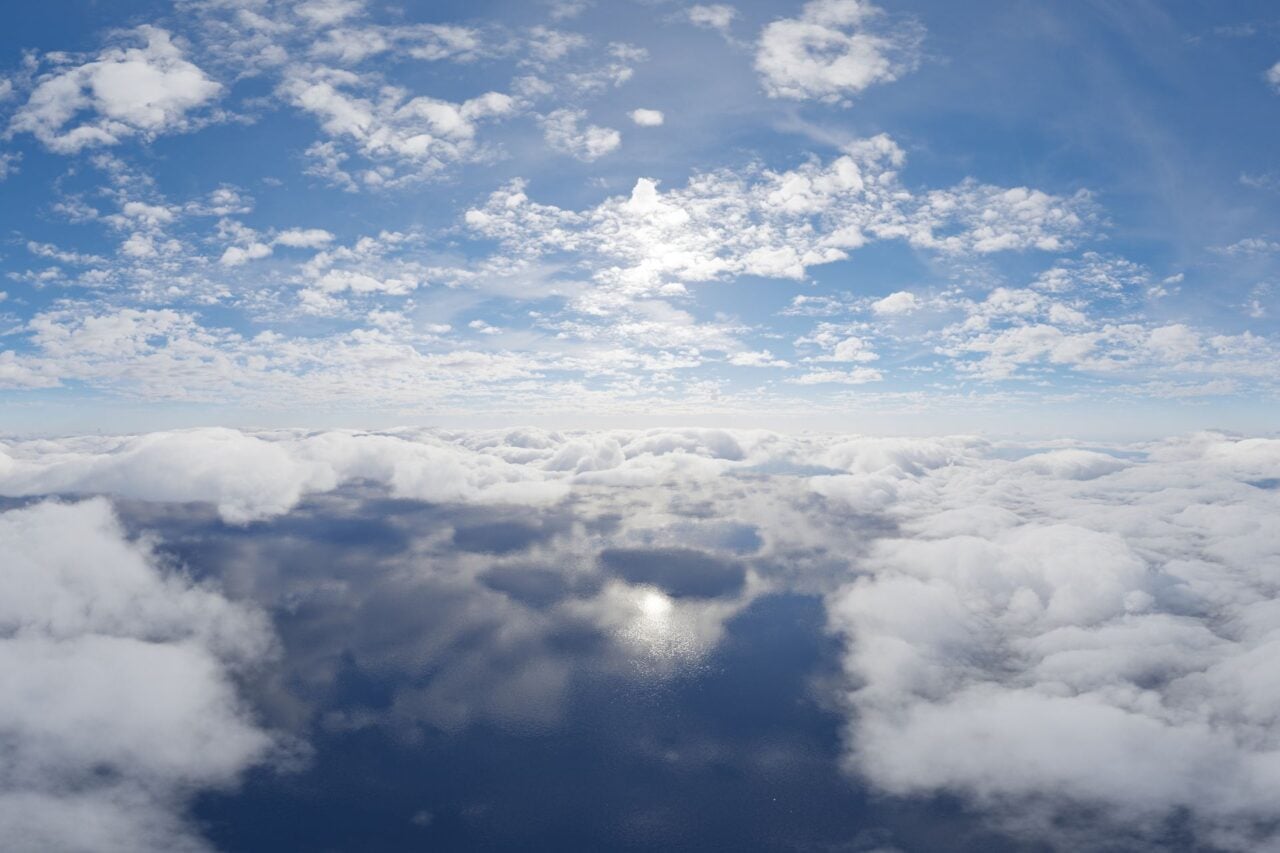
The biggest salt flat on Earth is considered by many to be the world’s largest natural mirror. A team of scientists wondered if that’s actually true, and the answer is—sort of.
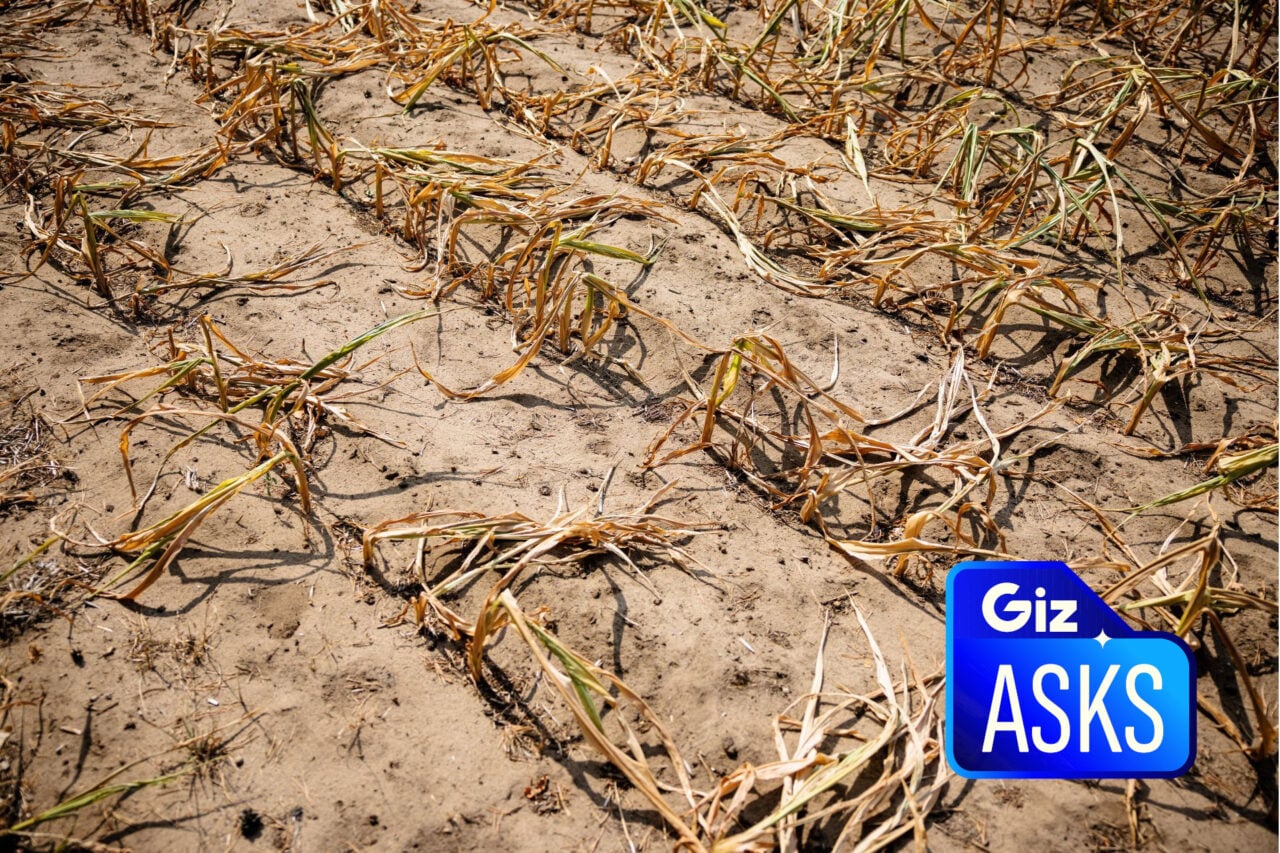
Climate change could leave 74% of the world’s drought-prone regions at high risk of severe and prolonged droughts by the end of the century, new research suggests.
Rock layers deposited before and after the major dinosaur extinction event 65 million years ago are surprisingly different.
The National Hurricane Center predicts Gabrielle will reach hurricane status by Sunday, September 21.
Previous research pointed to climate change as the main driver of permafrost explosions in Siberia, but a new study offers a more nuanced explanation.
A massive eruption 74,000 years ago shook the planet, and archaeologists are using volcanic glass to figure out how humans made it through.
A new study suggests changes in wind patterns may have caused a striking ecological failure in Central America.
Unsurprisingly, human activity is involved in a widespread ecological change.
Across this gray, cracked wasteland, signs of life have emerged.
Though Mount Fuji isn't showing any signs of an imminent eruption, one video warns that this disaster could strike "at any moment, without warning."
Researchers detected unusually tiny particles of carcinogenic hexavalent chromium that may be able to penetrate deeper inside the body.
After Katrina, Congress built safeguards to protect the U.S. from future storms. Now, the Trump administration is rolling back those reforms.