


Nature for nerds
Denver International Airport believes a small modular reactor could help it meet its emissions goals, but getting the community on board presents a major hurdle.
A new type of hydrogen fuel cell operates at much lower temperatures than what’s typically required for existing fuel cells, bringing them closer to widespread implementation.
Forecasters expect Tropical Storm Erin to strengthen significantly as it tracks westward across the Atlantic.
Now-famous CCTV footage from March confirms faulting dynamics that researchers could previously only infer.
Environmental groups allege that officials broke federal law by rushing construction without attaining public input or an environmental impact statement.
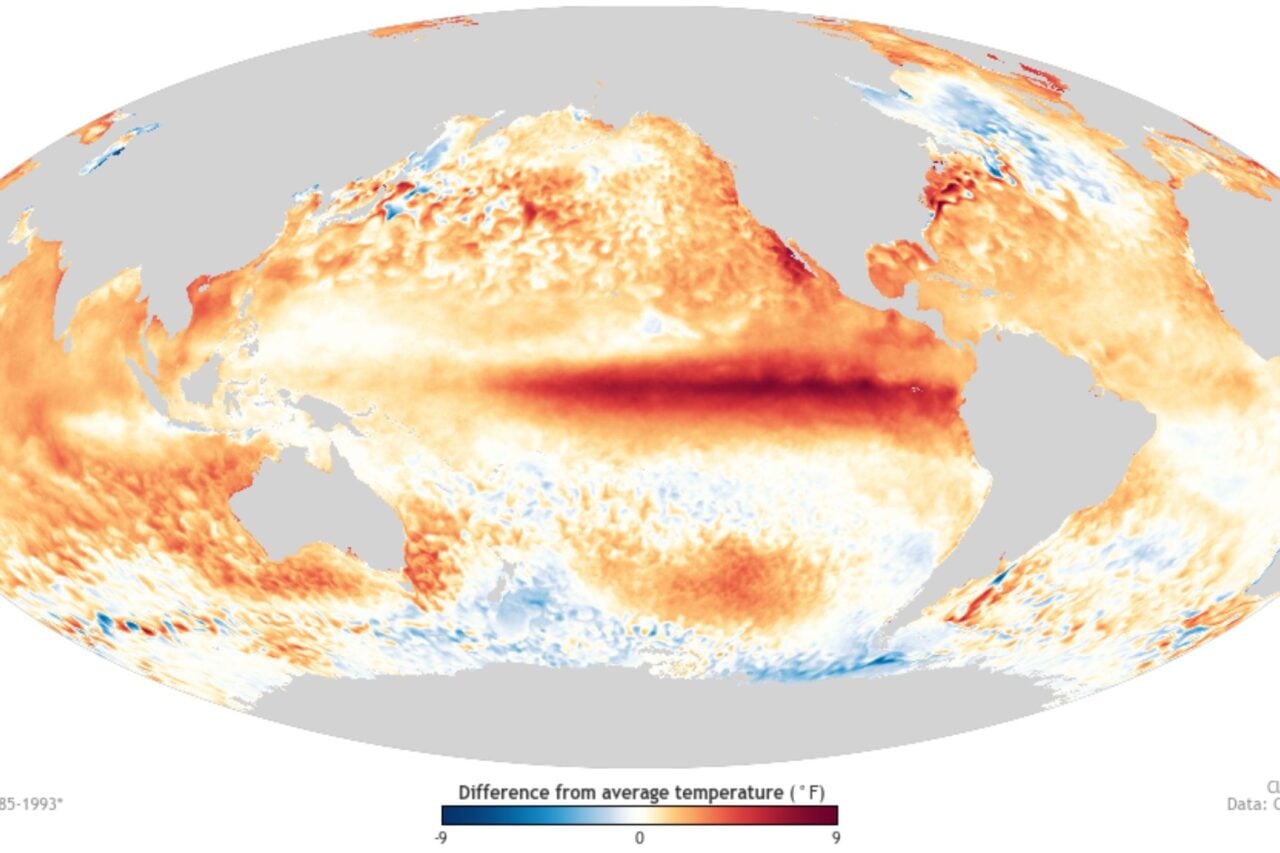
After a slow start to the season, a marine heatwave is priming the Atlantic Basin for hurricane formation.
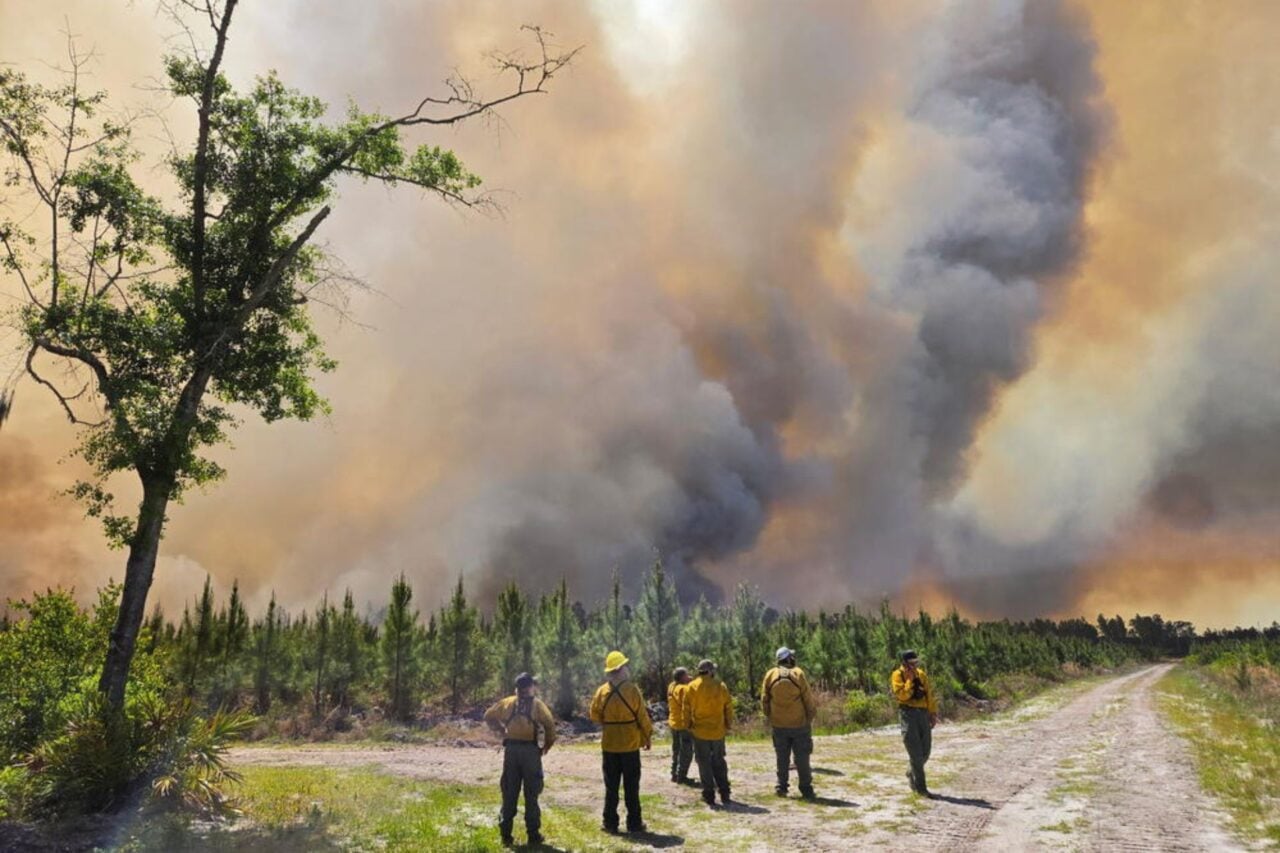
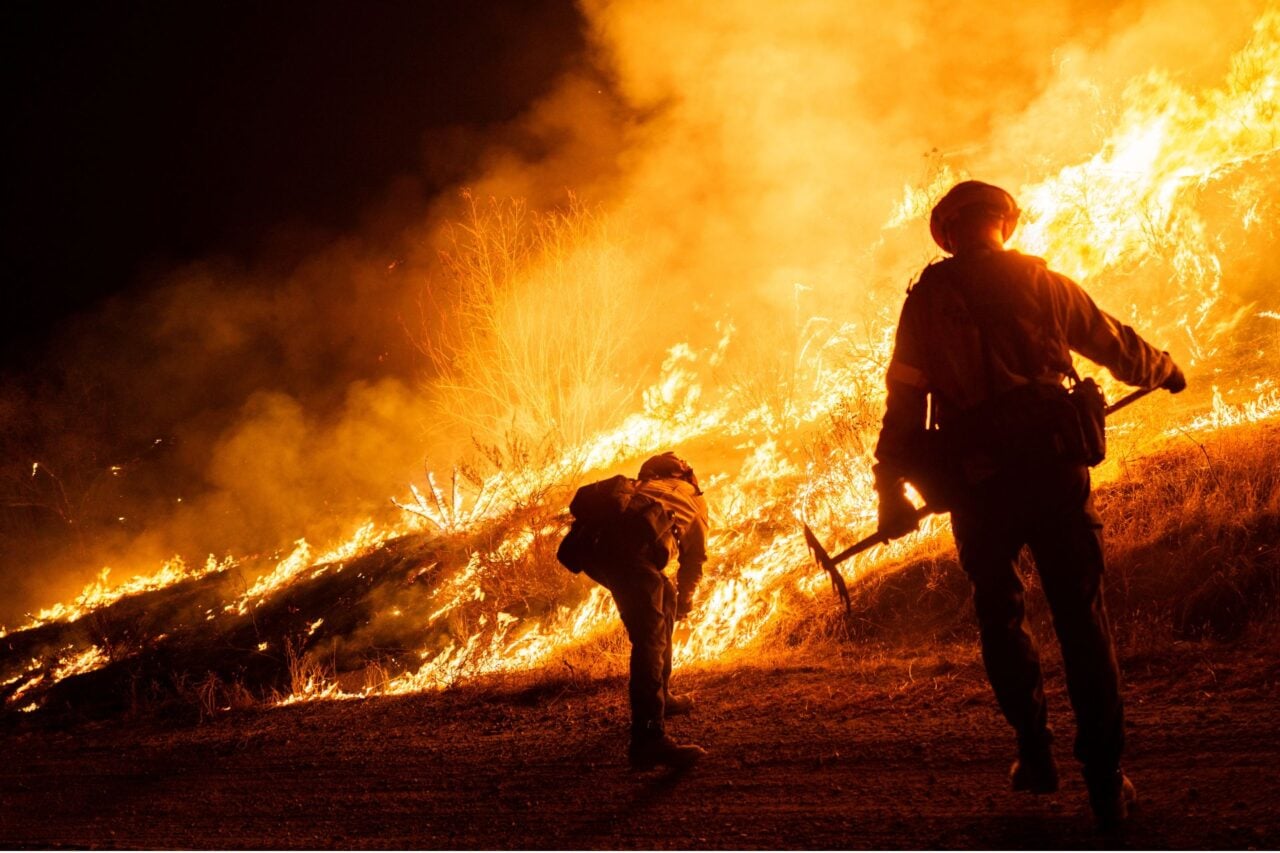
The Dragon Bravo wildfire has been burning for over a month, and U.S. firefighting agencies are too understaffed to stop it.
Seven volcanoes in the area erupted simultaneously, and for the first time in almost 300 years.
New research shows that hurricanes increase the risk of death among seniors who continue to live in storm-battered areas, but the mortality impacts vary by region.
Hundreds of uncontrolled wildfires have created a public health hazard across much of North America.
The Tintina fault hasn’t produced a large earthquake in 12,000 years, but that could soon change, researchers warn.
An 8.8-magnitude earthquake off Russia's Kamchatka Peninsula shook the Pacific, but its tsunami fizzled. A geologist explains why.
The Department of Defense has walked back its decision to stop sharing satellite storm data with federal forecasters.
The streak of lightning, detected using geostationary satellites, stretched across a mild-blowing 515 miles.
New research suggests Earth's lithosphere is dripping rocks like lava lamps.
The Trump administration’s latest and greatest assault on climate change mitigation would eliminate all greenhouse gas emissions regulations for motor vehicles and engines.
The Arctic outpost meant to safeguard humanity’s future is now ground zero for a host of issues linked to climate change.
An 8.8 magnitude earthquake rocked the Russian coast on Tuesday, July 30, triggering a tsunami that sent waves as far as the U.S. west coast.
That’s bad news for human health.
A full understanding of how lightning forms in the clouds has eluded scientists, but new research promises to solve this enduring mystery.