Elon Musk’s robotaxi dreams could hit a dead end in New Jersey.
A proposed bill in the state aims to create a three-year pilot program to test and deploy fully autonomous vehicles in New Jersey.
The bill, which is expected to be voted on later this year, would require companies to complete at least 50,000 miles of supervised testing on New Jersey roads without a major incident before removing human safety monitors. Companies would also have to report certain crashes and receive state approval before launching commercial services.
But the most noteworthy part of the bill could become a huge problem for Tesla. If the bill passes, fully self-driving vehicles in New Jersey would need to be equipped with cameras and two additional types of sensors. New York, which has been slow to deploy robotaxis on its roads, is considering a state bill with a similar requirement.
That would be fine for competing robotaxi companies like Alphabet’s Waymo and Amazon’s Zoox, which already use radar and LiDAR along with cameras. Radar uses radio waves to detect objects and can help in rain or fog, while LiDAR uses lasers to create a 3D map of a car’s surroundings.
Musk, however, has long argued that driverless technology only really needs cameras and advanced AI.
Musk has publicly stated that LiDAR is a “fool’s errand” and that “anyone relying on LiDAR is doomed.”
“People don’t shoot lasers out of their eyes to drive,” Musk wrote in an X post in March 2025. “Just try Tesla self-driving today, which just uses cameras and AI, and you will understand.”
He has even argued that using LiDAR and radar could make autonomous driving less safe.
”Lidar and radar reduce safety due to sensor contention. If lidars/radars disagree with cameras, which one wins?” he wrote on X last August.
Still, that stance could now become an additional hurdle for Tesla and its struggling Robotaxi service.
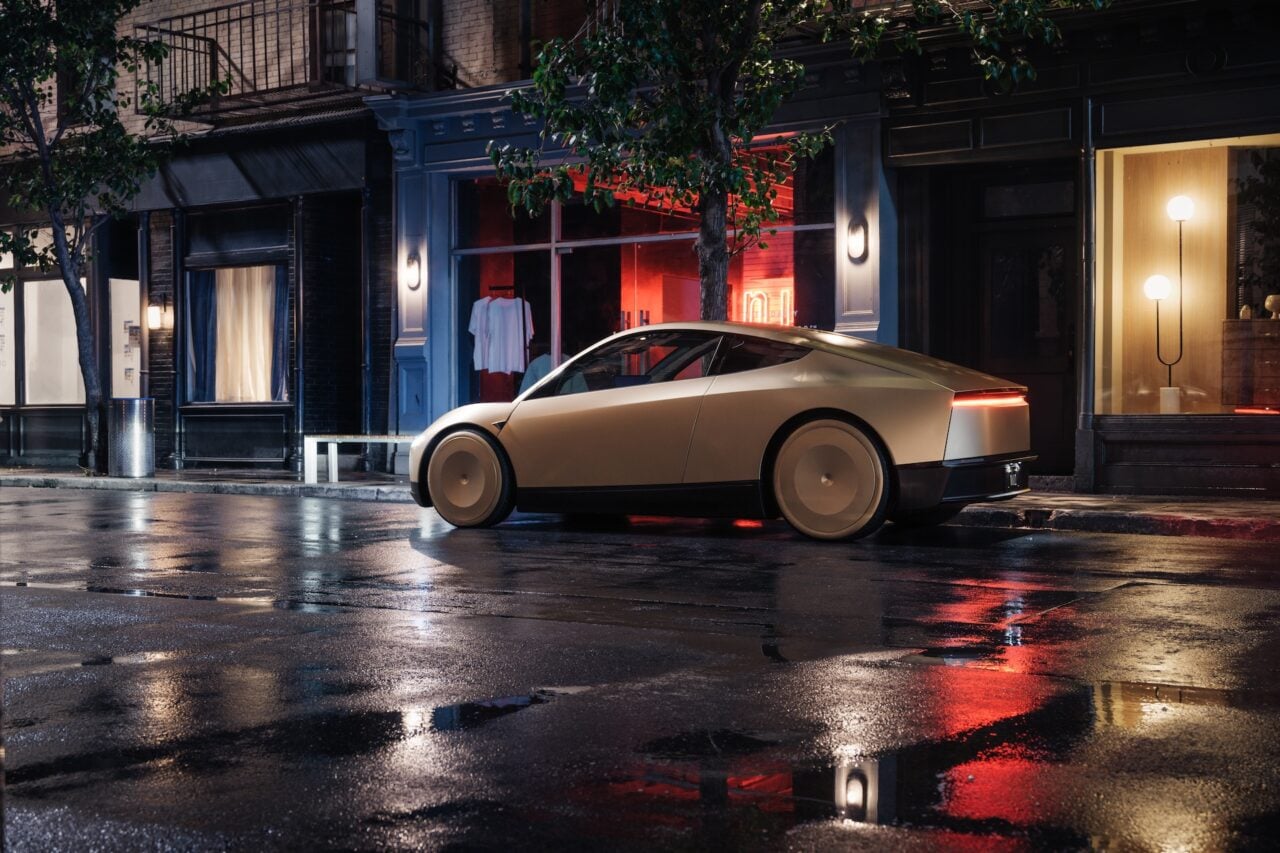
When Tesla’s Robotaxi service first launched in Austin, Musk told investors that the company was planning to expand quickly into California, Nevada, Arizona, and Florida. “We’ll probably have autonomous ride-hailing in about half the population of the US by the end of the year,” Musk said in a July earnings call last year.
A year later, Tesla’s Robotaxi service is still operating only in Texas and, more recently, in Florida.
Its rivals, meanwhile, are expanding fast. Waymo operates a growing fleet of more than 3,000 robotaxis across 11 cities, while Zoox recently unveiled an updated version of its self-driving ride.
Tesla did not immediately respond to a request for comment; however, the company is fighting back against the New Jersey bill.
This month, Tesla urged customers to contact their local representatives and voice their opposition to the bill.
“As written, the legislation imposes restrictions so severely that Tesla’s autonomous vehicle technology couldn’t legally operate in New Jersey,” a post on the company’s website reads. “Rather than prioritizing real safety outcomes and performance, the bill specifically bans Tesla from the New Jersey market.”