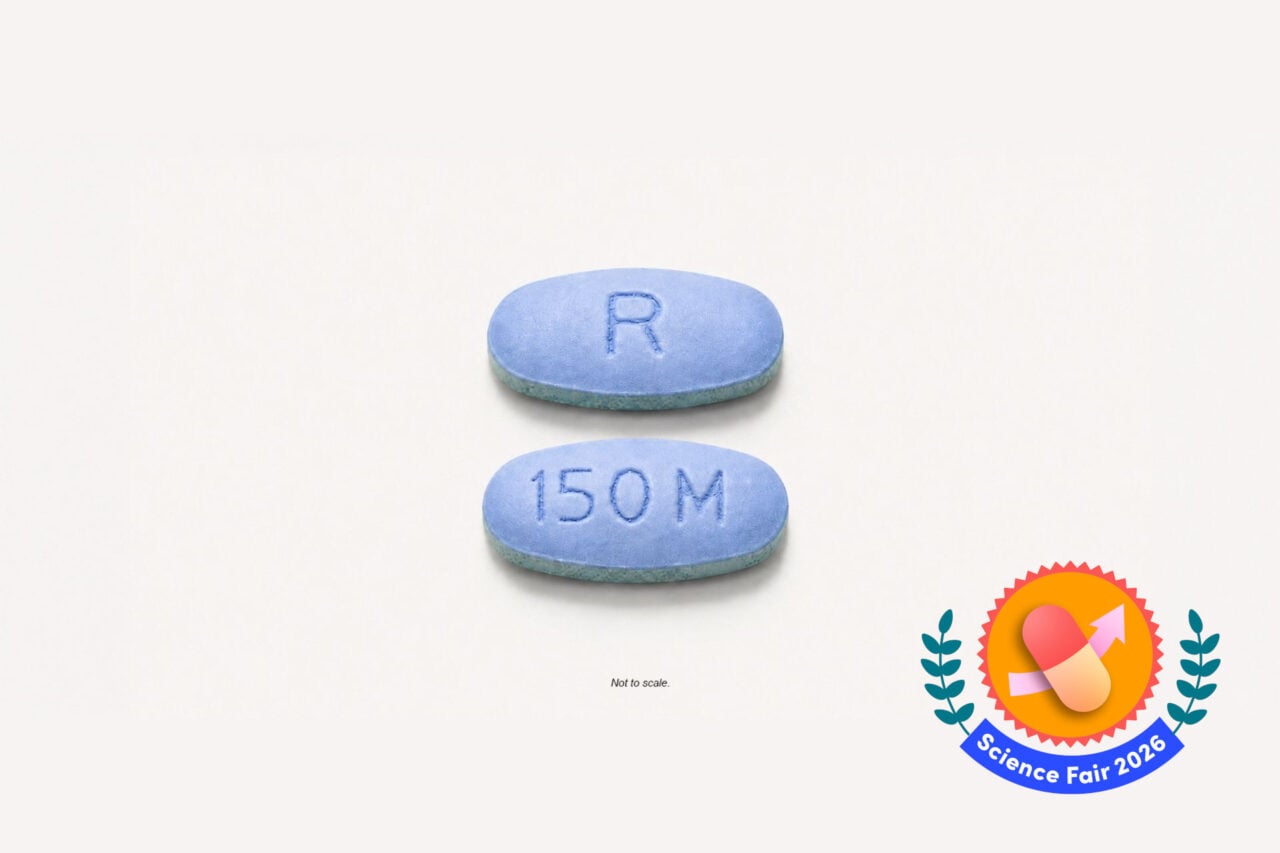
An experimental medication called bepirovirsen might represent the first successful step toward a major medical milestone: a cure for chronic hepatitis B. A study out this week shows that it can effectively clear the viral disease from some people’s bodies.
On Thursday, the makers of bepirovirsen, GSK (formerly GlaxoSmithKline), announced the results of its two Phase III trials. In roughly 20% of people given bepirovirsen, levels of the virus in blood remained undetectable for at least six months after all treatment ended. GSK is now pursuing approval for the drug from the Food and Drug Administration and regulators in other countries.
“Today’s standard of care for [chronic hepatitis B] imposes a heavy burden on patients and healthcare systems, and rarely delivers a functional cure. With recent guidelines now prioritizing functional cure, these new data could represent an important advance,” said lead trial researcher Jinlin Hou, director of the Guangdong Institute of Hepatology in China, in a statement from GSK.
A functional cure
Hepatitis B is transmitted through contact, which can include sex, with infected bodily fluids. Most of the time, the virus only causes a short-term acute infection of the liver. In about 5% of adults (and more so in children), however, the infection lingers and becomes chronic. Even without causing noticeable symptoms, chronic hepatitis B steadily damages the liver over time, leading to health problems like cirrhosis, liver cancer, and even death.
There is a highly effective vaccine for hepatitis B, and improvements in prenatal screening have further reduced the risk of children catching it (the virus can spread easily between mother and child following birth). Current antiviral medications for chronic cases can also suppress the virus and reduce the risk of severe complications, but these treatments usually need to be taken for life. Even with these interventions, it’s estimated that 254 million people worldwide were living with hepatitis B in 2022, while roughly one million die from it annually.
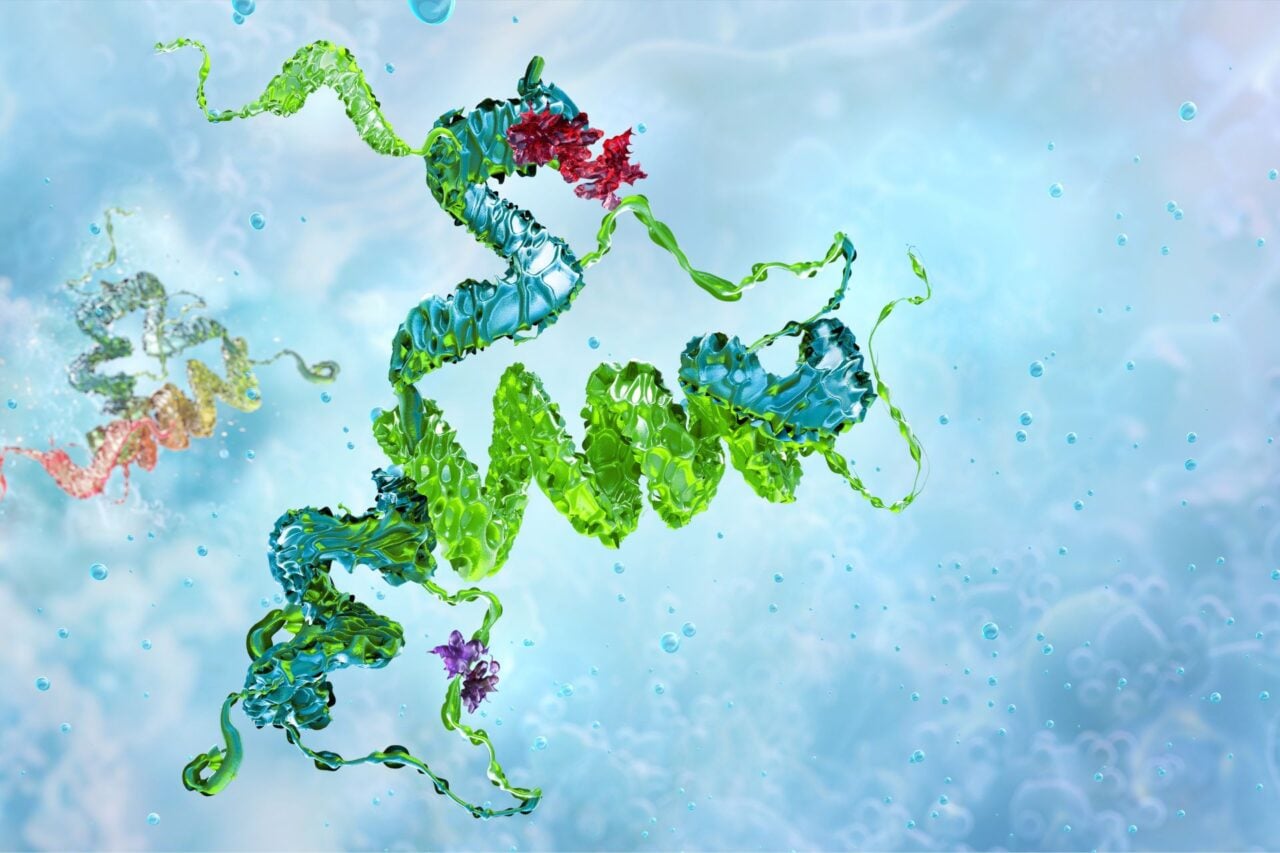
Bepirovirsen, also called bepi, takes a different approach to tackling the virus, which can lay dormant in liver cells and return when the immune system weakens or medication is stopped. It’s a type of drug known as an antisense oligonucleotide, and it’s designed to bind to the messenger RNA of the virus, limiting its ability to make more of itself and produce key proteins. It also stimulates the immune system to better recognize and target the virus for destruction. Though bepi may not eradicate every single trace of hepatitis B, it might allow the body to fully control the infection without further medication, essentially providing a cure for some.
The two phase III trials of bepi involved 1,838 patients with chronic hepatitis B who were on antiviral therapy. For six months, two-thirds were given a weekly dose of bepi and the rest were given a placebo. People who still had undetectable levels of the virus in their blood at week 48 were then allowed to stop taking their other treatments and were followed for another six months.
By week 72, 19% of bepi patients across the two trials showed evidence of a functional cure, a term scientists use when there are undetectable viral levels six months after no further treatment, compared to 0% of people in the placebo group. Adverse events were also generally mild and tolerable and included symptoms like injection-site redness and pain. Some people on the drug did experience an brief increase in enzymes that can be a sign of liver damage. The findings from both trials were published Thursday in the New England Journal of Medicine.
What this means for hep B treatment
As even these trials show, bepi is far from an universal cure for hepatitis B. It’s also not known whether the drug will be as effective in people with less stable or more advanced chronic infections. And of course, doctors will have to keep a close eye on former bepi patients for a long time to ensure that their infections are truly contained for good.
That said, it’s the first clear sign that chronic hepatitis B can possibly be treated without needing lifelong medication. And the establishment of a new drug class can often lead to improved iterations that work for a larger proportion of patients. Over time, a cure might eventually become commonplace for chronic hepatitis B infections. And though rates of hepatitis B in the U.S. are now very low, cases could increase again if the current government succeeds in removing the CDC recommendation for universal at-birth vaccination, making a cure all the more important to have.
For now, GSK is banking that its results with bepi are already strong enough to merit approval in the United States, Europe, and Asia. In the U.S., the drug is already under a fast-track review process, and the FDA is expected to issue a ruling by late October this year.