A foodborne parasitic disease that can cause explosive diarrhea is surging in some parts of the country.
Federal and local health officials in 18 states have documented a recent uptick in cases of cyclosporiasis. In Michigan, hundreds of new cases have been reported in the past week alone. No specific sources behind these outbreaks have been identified as of yet, though the parasite commonly spreads through tainted produce.
The diarrhea parasite
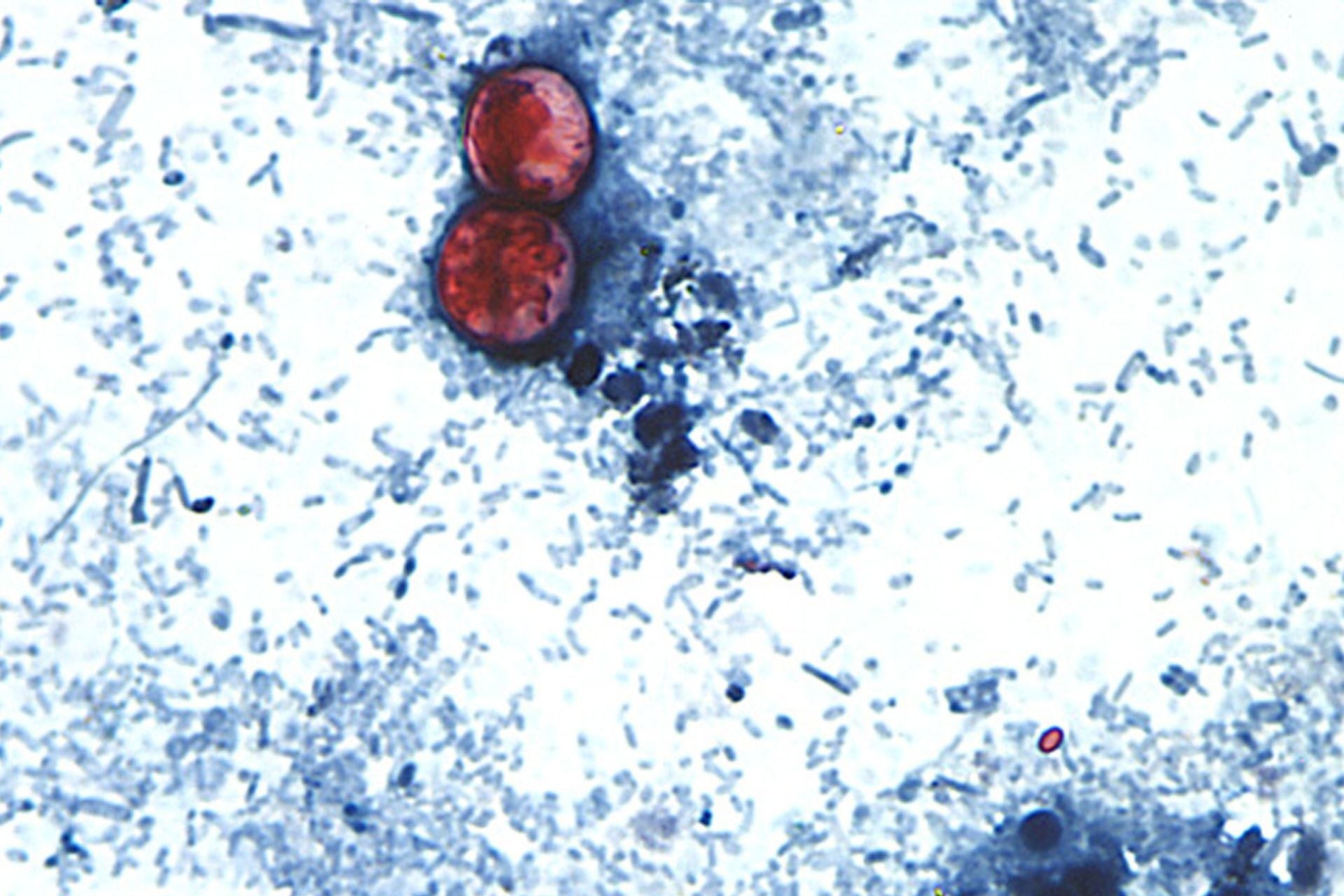
Cyclosporiasis is caused by various species of the microscopic parasite Cyclospora, predominantly Cyclospora cayatenensis. Though rarely life-threatening, the disease is infamous for causing watery and explosively loud bouts of diarrhea, along with other common symptoms of gastrointestinal illness.
Last week, the Centers for Disease Control and Prevention reported that at least 145 people in 17 states had contracted cyclosporiasis between May and mid-June, while 20 people were hospitalized as a result (no deaths). However, these figures are now considerably out of date. Right around that same time, Michigan, one of the states not included in the CDC tally, reported 170 cases in the state since June 22. As of July 4, that number has more than tripled to 572 cases. The local surge appears to be concentrated in southeastern Michigan, affecting areas like Monroe, Lenawee, Washtenaw, and Livingston counties.
New York, one of the regions originally identified as a hot spot by the CDC, also appears to have had more cyclosporiasis activity lately. A representative for the New York State Department of Health (NYSDOH) told Gizmodo Monday that 123 confirmed cases in the state, excluding NYC, have been documented this year, based on preliminary data; of these, 118 cases have been reported since May. According to the CDC, New York had reported between 31 and 80 cases by mid-June. In each of the past two years, New York statewide has reported between 500 and 700 cases annually.
“The New York State Department of Health takes the spread of diseases seriously and works with local health departments to identify potential outbreaks and provide guidance on prevention and treatment,” the NYSDOH said in a statement provided to Gizmodo. “While cyclosporiasis is not likely to spread directly from one person to another, and is generally not life-threatening as many people with healthy immune systems recover without treatment, the Department encourages all New Yorkers to be aware of the best practices to prevent Cyclospora and other infections common in the summer months.”
How to prevent cyclosporiasis
Cyclosporiasis is spread through eating food and water contaminated with parasites that have been shed from an infected carrier’s poop. However, direct person-to-person transmission is rare, since the parasites that hitch a ride outside a person’s body via poop are still immature at first. It typically takes about a week or two in the environment for the parasite to mature into its infectious state.
Currently, the CDC does not believe there is a single, multistate outbreak linking all these cases together. It is possible that common food or water sources might explain local clusters, though none have been identified as of yet. That said, past outbreaks of cyclosporiasis have been linked to various fruits and vegetables, including raspberries, fresh cilantro, snow peas, or bagged salad mixes and kits.
Given that, the Michigan Department of Health and Human Services (MDHHS) is now advising people, particularly in the current hot spots of southeast Michigan, to be especially careful in how they prepare, cook, and serve fresh produce.
The MDHHS recommends that people in these regions should buy whole heads of lettuce (rather than prewashed, bagged lettuce or salad mixes), throw away the outer 2 to 3 layers of leaves, and wash the inner leaves under running water, for instance. Residents might also want to avoid eating raw raspberries (or cook them), since the fruit’s bumpy surface can make it hard for water to clear all traces of the parasite. And in general, people should cook their food to 158 degrees Fahrenheit (70 degrees Celsius) or higher to kill off the parasite, and they should wash all fresh produce under clean running water, even if they plan to peel it.
The article has been updated with comments from the New York State Department of Health.