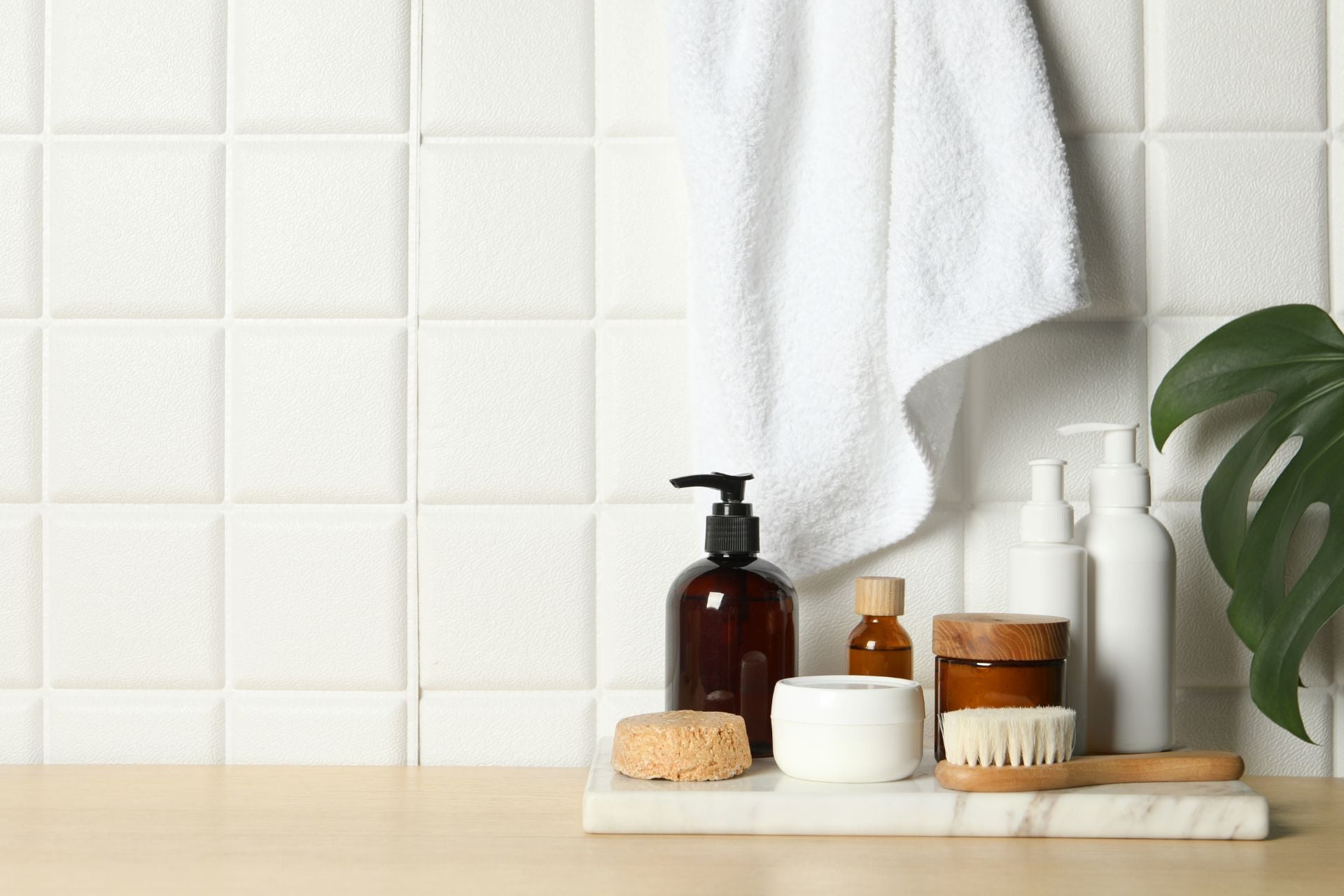
Buyer beware: Plenty of our toiletries may contain hidden, potentially dangerous ingredients, new research suggests.
Scientists with the Million Marker Research Institute examined over a hundred personal care and cleaning products. Nearly all appeared to contain at least one chemical not disclosed in the product’s labeling, while many had possibly hazardous chemicals that were unlabeled, even those marketed as “non-toxic.” The researchers argue that more extensive regulation and added testing of these products are sorely needed.
“These findings reveal substantial gaps in product transparency and demonstrate that ingredient labels alone cannot reliably convey product safety,” they wrote in their paper, published Tuesday in the journal Environment & Health.
Hidden dangers
The Million Marker Research Institute is a nonprofit organization focused on conducting “non-targeted product testing and analysis of everyday items to uncover hidden chemical contaminants.” It’s the research arm of Million Marker, a company that sells consumer tests intended to detect levels of endocrine-disrupting chemicals (EDCs) in people’s urine. EDCs mimic or otherwise interfere with the hormones we naturally produce, like testosterone and estrogen, and may raise the risk of various health problems.
The team’s prior work has suggested that even people who try to limit the use of products with disclosed EDCs via the company’s biomonitoring program only see a modest drop in their levels. This led the researchers to wonder whether many products contain EDCs that aren’t being detected through standard testing.
They ultimately analyzed 113 personal care and cleaning products, spread across 12 categories. A whopping 98% contained at least one unlabeled ingredient, and the average count of chemicals per product was 51—more than threefold the average disclosed ingredients per product. And about 85% contained undisclosed chemicals with “known or suspected health hazards,” the researchers wrote. These chemicals included EDCs like phthalates, parabens, and butylated hydroxytoluene, a widely used preservative.
More than half the products (57.5%) failed testing based on undisclosed contaminants, the researchers calculated, and about 26% contained chemicals that directly contradicted label claims, such as “hypoallergenic” labeled products that still contained allergens or “organic” products with synthetic chemicals.
What to do about these chemicals?
EDCs and other chemicals commonly found in consumer products are a real health concern. We are still trying to figure out the exact risks of these chemicals, which includes quantifying the danger posed by specific ingredients. That said, greater exposure to EDCs in general has been linked to numerous health conditions, including obesity, type 2 diabetes, and possibly even some cancers.
Many of the undisclosed chemicals found in these products probably weren’t intentionally added. Instead, they might have gotten there through contamination with raw materials or the processing equipment, unexpected chemical reactions, or even the packaging used to store them. That means that standard tests, often conducted before the product is finished, are likely to miss these chemicals, the authors say. As a result, Million Marker is calling for more extensive routine testing of finished products.
“Testing of finished products should be a standard part of product safety checks, before products go to market. Companies already test products for things like shelf life, bacteria and other microbes, whether preservatives work, and potential skin irritation. Adding broader chemical testing could help identify unexpected chemicals or contamination before products reach store shelves,” the organization said in a statement provided to Gizmodo. “Products should be tested not only for ‘the usual suspects’ but for all potential contamination. This can be done cost-effectively with laboratory techniques such as non-targeted analysis.”
The researchers say they will release the full list of tested products and ingredients in an upcoming report. In the meantime, people who want to limit their chemical exposure as best they can should stick to simpler products that contain fewer ingredients, the organization recommended. They should also avoid products listing “fragrance” or “parfum,” and look for “fragrance-free” labeling rather than “unscented.” Choosing glass, metal, unbleached paper, or cardboard packaging over plastic might further lower their exposure to EDCs.