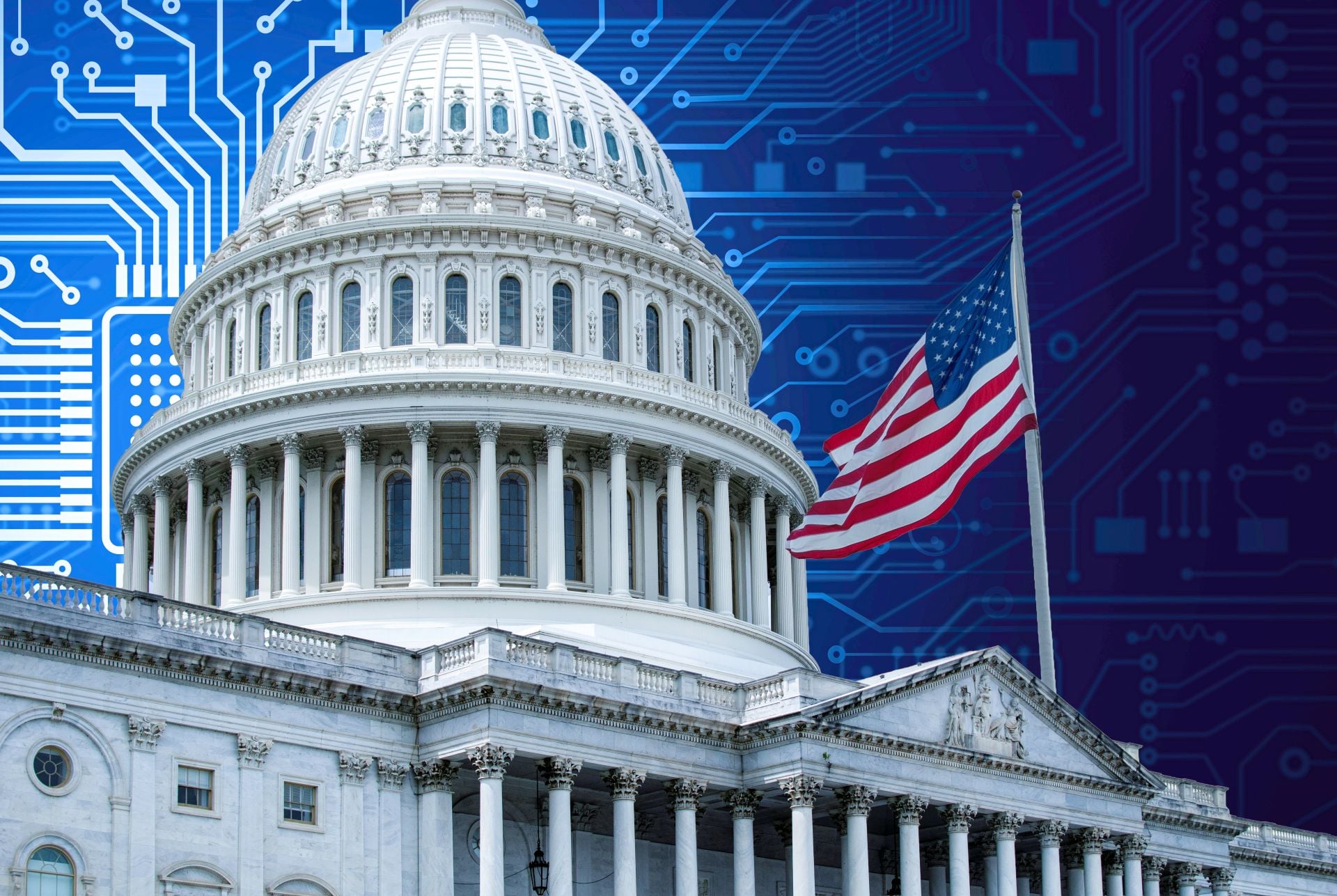
The bill lands two weeks after Utah’s SB 73, the first US law to explicitly target VPN use, quietly took effect on September 3 before being paused by an enforcement freeze days later. Where Utah picked a narrow fight over age verification, Issa is going after the entire pipeline. His bill would give copyright holders a fast-track judicial process to obtain blocking orders served directly on ISPs, DNS services, and virtual private networks. The word “VPN” is in the bill’s operative text, not implied.
What the Bill Actually Says
H.R. 10364 was filed this week as a bill “to establish procedures for blocking access to foreign online locations engaged in copyright piracy.” A copyright holder would petition a designated federal judge, the court would decide whether the target qualifies as a “foreign piracy site,” and covered service providers would then be ordered to take reasonable steps to prevent US access. Covered providers explicitly include ISPs, DNS resolvers, and VPN services. Issa framed the goal at a June 30 hearing as speed: “Can we do it at the speed of sound? Can we do it at the speed of light?”
Why This Matters for Anyone Using a VPN
A VPN’s basic promise is that your traffic goes through a tunnel your ISP cannot inspect. A blocking obligation attached to that tunnel changes the product. If a US-based provider is legally required to enforce judicial blocklists, the service starts to look less like a privacy tool and more like a filtered exit ramp.
The precedents outside the US are not reassuring. According to a Re:Create analysis, innocent websites remained blocked for an average of 320 days in Italy, and 5.8% of the popular internet was blocked by Spain’s system during LaLiga matches alone. Blocking regimes tend to overreach, and the remedies for the wrongly blocked tend to be slow.
Get a VPN Based Outside US Jurisdiction
The Pattern: Utah, Now Congress, and Two Other Bills
Issa’s ACPA is the third active site-blocking proposal on the Hill. Rep. Zoe Lofgren (D-CA) introduced the Foreign Anti-Digital Piracy Act (H.R. 791) in January 2025. A separate Senate effort, Block BEARD, is being developed by a bipartisan group including Blackburn, Coons, Schiff and Tillis. Combined with Utah’s SB 73 at the state level, this is the most concentrated push against unfiltered internet access the US has seen since SOPA and PIPA were shelved in 2012 after the Wikipedia blackout.
Where Jurisdiction Actually Protects You
The practical reality is that a US site-blocking law reaches only as far as US courts can compel. A VPN provider with US operations would be subject to whatever blocking orders end up issued. A provider incorporated outside US jurisdiction is a different case. Court orders issued in a US district court are not automatically enforceable against a company based in Panama or the British Virgin Islands.
That is why jurisdiction, which used to be a footnote in VPN comparisons, now sits closer to the top of the checklist. NordVPN, for example, operates under Nord Security from Panama, a country outside the Five, Nine, and Fourteen Eyes intelligence-sharing agreements and with no data retention obligations that would map onto a US blocking regime. The service runs on independently audited no-logs infrastructure, which is a separate question from jurisdiction but part of the same posture. It sits at the top of most best VPN guides largely for that combination.
NordVPN Basic at $3.49 per Month
NordVPN’s Basic plan is currently available at $3.49/month, which works out to $94.23 billed once for 27 months of service (24 + 3 free). That is a 69% discount off the standard rate, with annual renewal at $139.08/year, cancelable at any time. The plan covers up to 10 devices, with apps for Windows, macOS, Linux, iOS, Android, browsers, and router installation.
Every plan is backed by a 30-day money-back guarantee, refunded through 24/7 chat support within 5 to 10 business days. That gives you a full month to install the apps, test the service, and see whether the coverage fits before the refund window closes.