ABL’s RS1
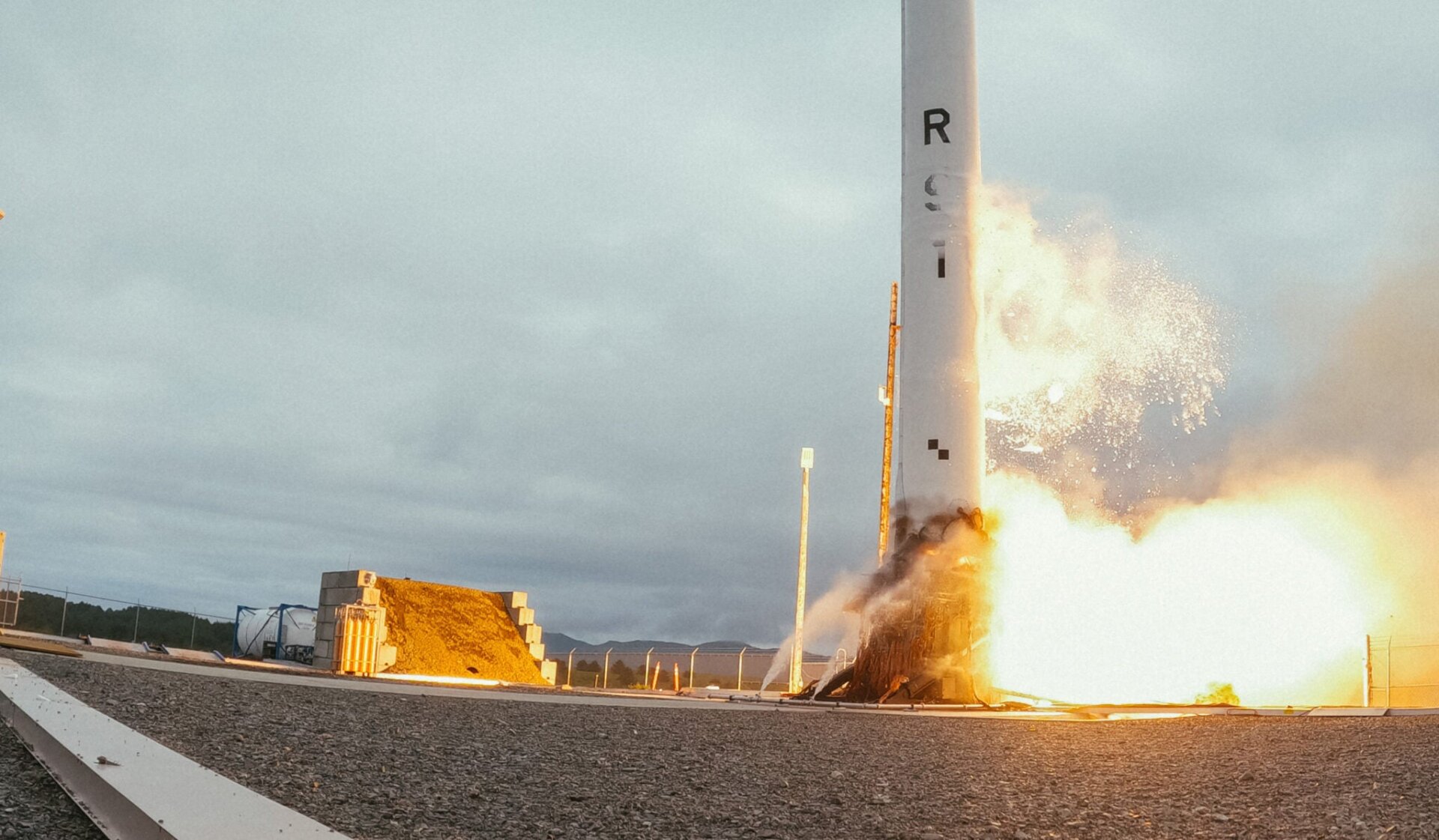
ABL Space System’s RS1 left the launch pad this past January—but just barely. Lifting off from Alaska’s Pacific Spaceport Complex, the 88-foot-tall (27-meter) rocket rose to a height of 761 feet (232 meters), but then all nine of its main stage engines shut down simultaneously. The fully loaded rocket fell back to Earth, creating a mushroom cloud and spilling an estimated 5,200 gallons of Jet Fuel A (a kerosene-based fuel) onto the forested Alaskan landscape. The official cause of the anomaly is not yet known, but a fire in the first stage may have triggered a power failure.
Not a great start. Assuming the program gets back on track, ABL is poised to carve a niche for itself in the industry with its easily deployable two-stage RS1 launch system. Indeed, rapid launch is the key, as “minimal infrastructure and streamlined operations allow us to execute a launch in hours, not months,” according to the company. The company has attracted the attention of the U.S. Air Force, which signed two contracts with ABL to the tune of $44.5 million. RS1 is designed to launch 1.35 metric tons to low Earth orbit, at the very reasonable price of $12 million per launch, according to CNBC.