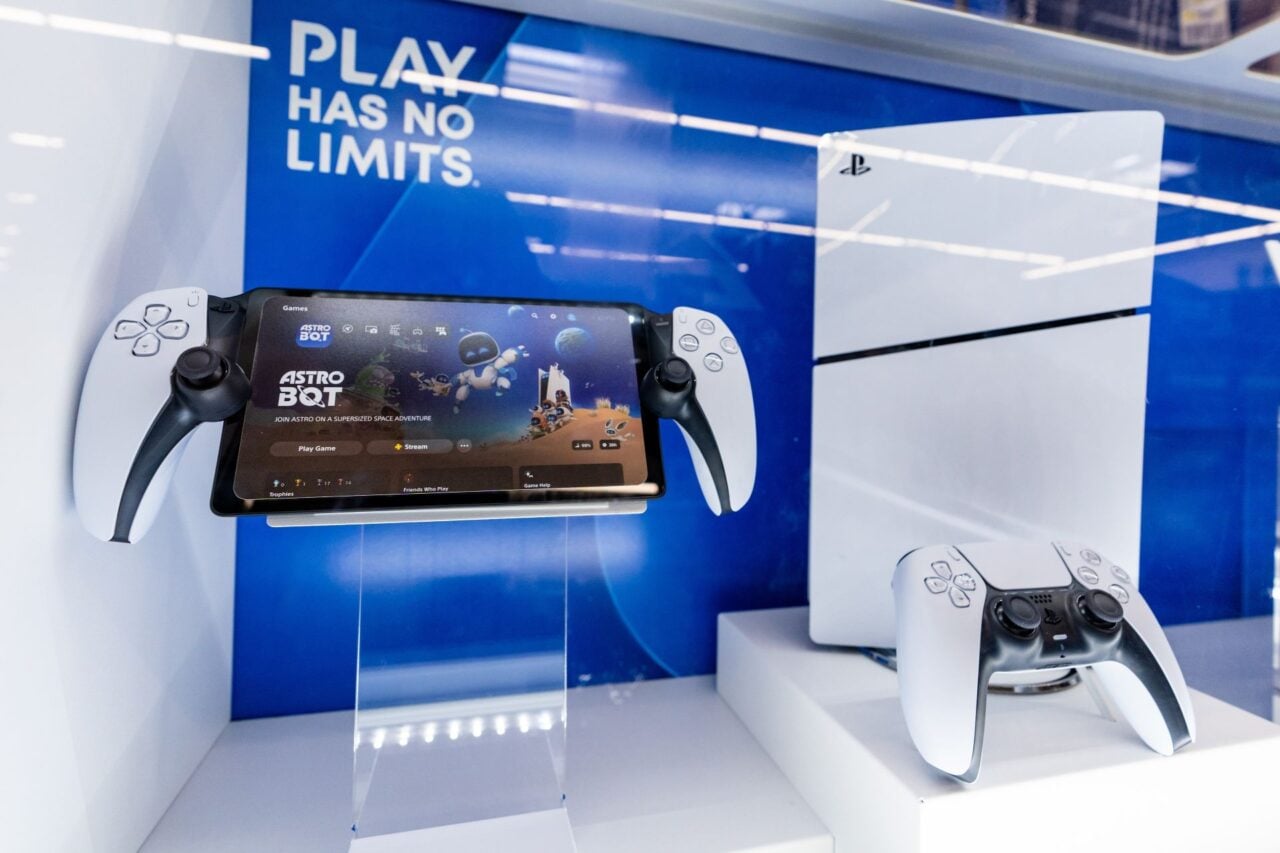
PlayStation is done with discs, and it’s a travesty for game preservation and game ownership. Despite the deserved furor, we can’t hold onto these scratch-prone optical frisbees as our saving grace. Discs are a dying medium, and it’s time we think beyond them for the sake of gaming’s future.
Sony Interactive Entertainment told gamers on Wednesday that they won’t be able to buy any new physical copies of new games starting in January 2028. The news hit fans hard, and I’m right there with them. I regularly bask in the glow of my collection of physical games sleeved in their colorful, plastic packages adorning my shelves. Some games in my collection are not available in any other format than their original discs. A 2023 report from the Video Game History Foundation found that nine out of 10 past games are commercially unavailable, a large part because companies like Sony have not made them digitally accessible.
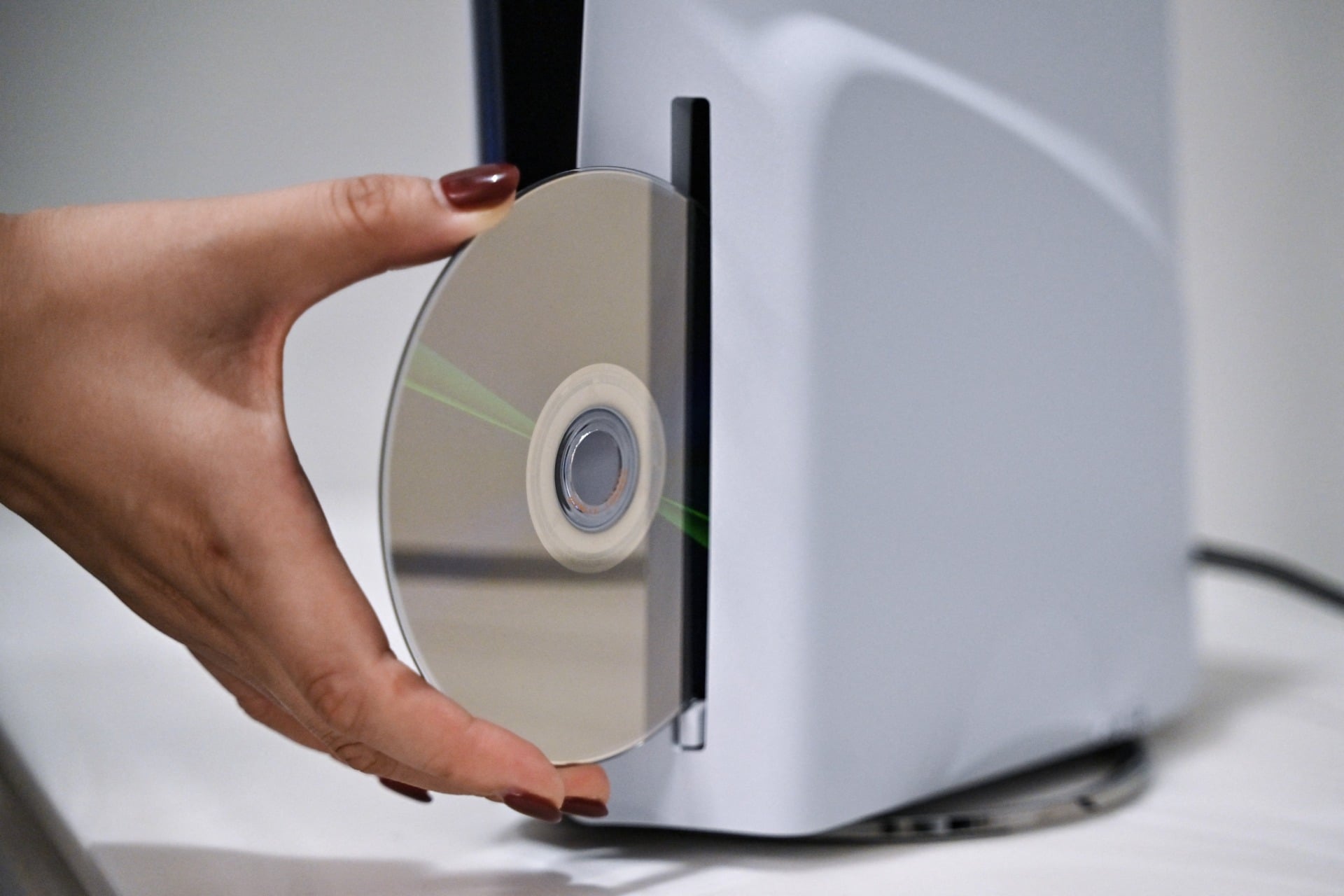
Game preservation has relied on discs, but the physical medium is terrible for keeping gaming history alive. Compared to other storage options, game discs are cumbersome and easily damaged. Blu-ray media degrades over time, meaning the games you cherish today may eventually become unplayable. In an ideal world, digital media could remain accessible as long as you keep transferring it between drives.
Beyond today’s coterie of collectors and physical media enthusiasts, game discs are already outmoded in this age of speedy SSD storage and more portable, high-capacity NAND flash storage. The reason a minority of dedicated gamers stick with discs is a sense of ownership.
The reality is that any digital content you purchase on the PlayStation Store—either a game or a movie—is merely a license to play or watch it on Sony’s consoles. Sony’s terms of service state that it can revoke its licenses for any reason at any time, so there’s always a constant fear that you could lose access to the games you bought.
But in this day and age, discs simply aren’t the best solution to that ongoing problem.
"PS4 SUPPORTS USED GAMES" ***huuuuge applause*** "“PS4 won’t impose any new restrictions on your use of PS4 game discs."
— PlayStation (@PlayStation) June 11, 2013
Sony is getting raked over the coals for its decade-old promises to support used games, but it belies the broader industry trends. Analyst firm Ampere reports that back in 2013, at the time of the PS4 launch, only 13% of game purchases were digital. Fast forward to today: Sony claimed in its latest annual report that of all sales up through March 31, 78% were digital sales. Ampere cited a similar figure, based on its own data. The reason for this shift goes beyond convenience. Gamers have realized discs offer little benefit, especially when many titles aren’t completely stored on a disc.
Sites like DoesItPlay offer an extensive list of games that are fully included on disc and those that require users to download some extra data. The majority of game discs on PS5 (roughly 82%) don’t necessarily require an additional download to play, according to the host of community-driven reviews (though that may ignore extra in-game content or annoying bugs that get patched out with day-one updates).

Here’s the problem: many of today’s major AAA titles don’t contain all the data on disc and still require a download to be playable. For example, the Sony-published game Ghost of Yōtei doesn’t require a download, but Gran Turismo 7 does. Other titles, like Marvel’s Spider-Man 2, are buggy as hell without an initial update that isn’t available directly on the physical disc.
Blu-rays aren’t the best medium to carry today’s massive games. A standard Blu-ray disc can only hold 25GB worth of data. A dual-layer disc can hold 50GB, while a three-layer disc, which is the highest capacity that PS5 supports, contains 100GB. Many recent titles, such as Forza Horizon 6, will eat up more than 130GB of storage. Games don’t have to be that big, though even with file compression and optimizations, games on disc ultimately cost more to produce. It’s a hard truth to accept, but game sizes are outgrowing the disc on which they can be stored. OK, then just split the game onto multiple Blu-ray discs, right? Depending on the way games load certain background assets, that may not be possible. Multiple discs would also increase the cost of a physical copy.
And that’s not the only cost-related downside. The total cost to play game discs costs more on PlayStation. It’s $80 for a disc drive for the 2023 PlayStation 5 slim or 2024 PS5 Pro. That means the highest-end PlayStation now costs $980 just to play game discs after recent price hikes.
Per Nintendo's latest financial report, they aren't in the position to go digital only quite yet.
Physical is still a big proportion of sales. pic.twitter.com/IdYRWnB74L
— Stealth (@Stealth40k) July 2, 2026
There are exceptions, of course. Nintendo’s own data from its financial earnings report shows fans are still buying physical games in the form of game cards—a kind of NAND flash storage. Game cards are more portable and less prone to damage than discs. And yet, Nintendo’s push for game-key cards on Switch 2 and the premium price on physical Switch 2 games caused by the skyrocketing price of memory will inevitably force more gamers toward digital.
Xbox may already have a solution for bringing our game discs into an all-digital ecosystem. The Verge reports that Xbox could let players transfer their physical media to their Microsoft account using a current-gen console. You would lose access to the digital title—including access on Game Pass or playing on PC through Xbox Play Anywhere—if you sold the disc.
We can do even better than that. Instead of trying to preserve a dying medium, we need to focus on forcing companies like Sony to make their digital ecosystem more consumer-friendly. GOG on PC allows gamers to download their games and run them without a restrictive storefront. “Even if a game vanishes from the GOG storefront, it never leaves your library. Exactly as digital ownership ought to be,” GOG posted on X, following Sony’s news to discontinue physical PlayStation discs. While we may never reach that ideal on console, companies like Sony need to do more to keep gamers happy. After all, the most vocal of them are the ones who show up when there’s a new console launch.
Even if a game vanishes from the GOG storefront, it never leaves your library.
Exactly as digital ownership ought to be.
— GOG.COM (@GOGcom) July 1, 2026
Game ownership doesn’t have to involve a disc or game card. It could be something as simple as a token in a box, so long as users have the right of actual ownership for their software. We also need more options for purchasing games outside of the PlayStation Store. Just this year, Sony settled a class-action antitrust lawsuit alleging that its limits on game-specific vouchers forced consumers to buy games exclusively through PlayStation. Sony faces similar class-action lawsuits in the Netherlands and the U.K., as well as smaller lawsuits in Australia and Portugal, according to The Game Business’ Chris Dring.
These lawsuits alone are unlikely to weaken Sony’s control over its console ecosystem. The ongoing uproar is an opportunity to force actual changes to the way console makers think about ownership, even as the physical game collection on my shelf becomes the last of its dying breed.