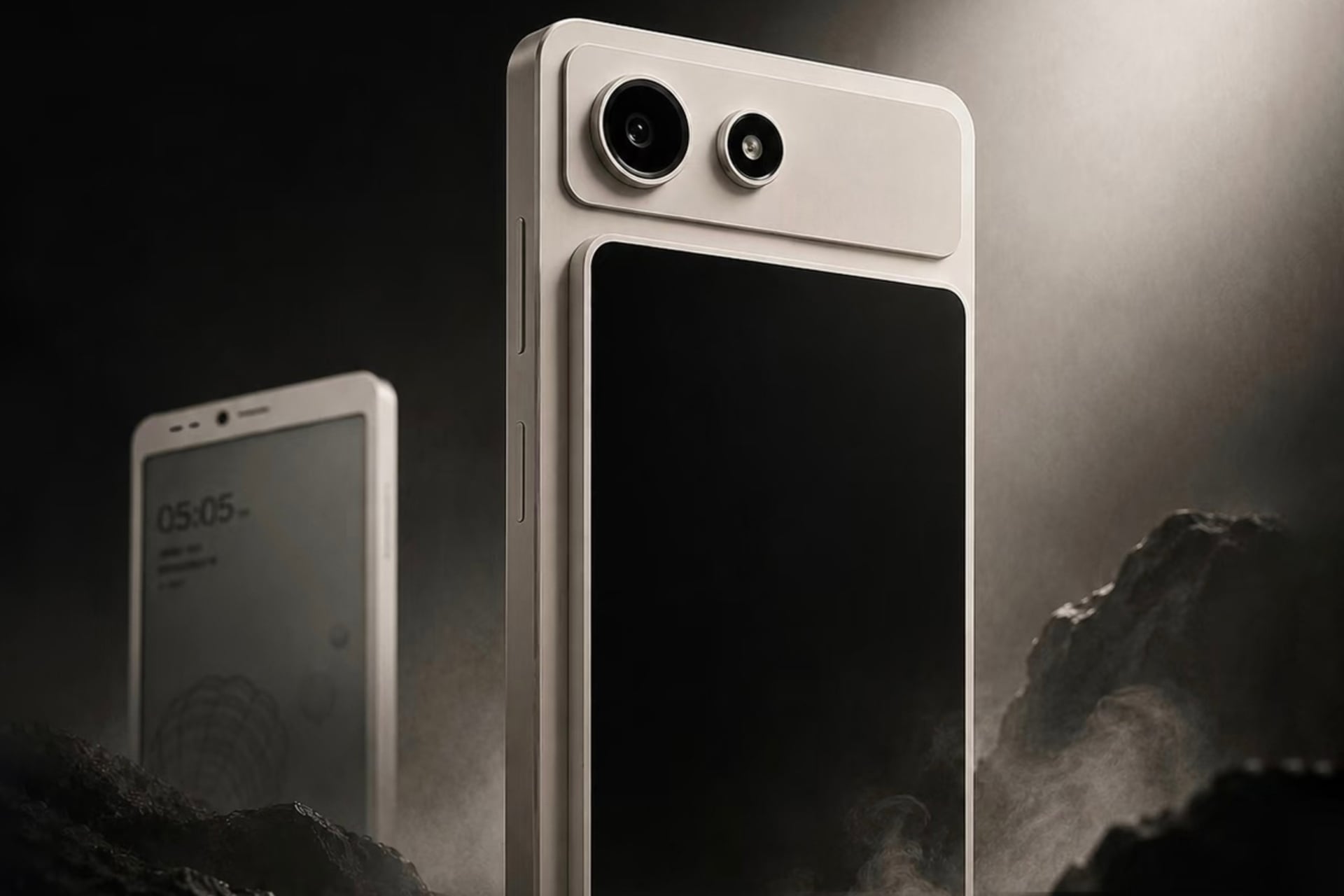
E Ink phones aren’t exactly new to the market, and they aren’t exactly popular, either. Most consumers prioritize an ultramodern color screen over one that’s easy on the eyes for long reading purposes. But what if you could actually have both?
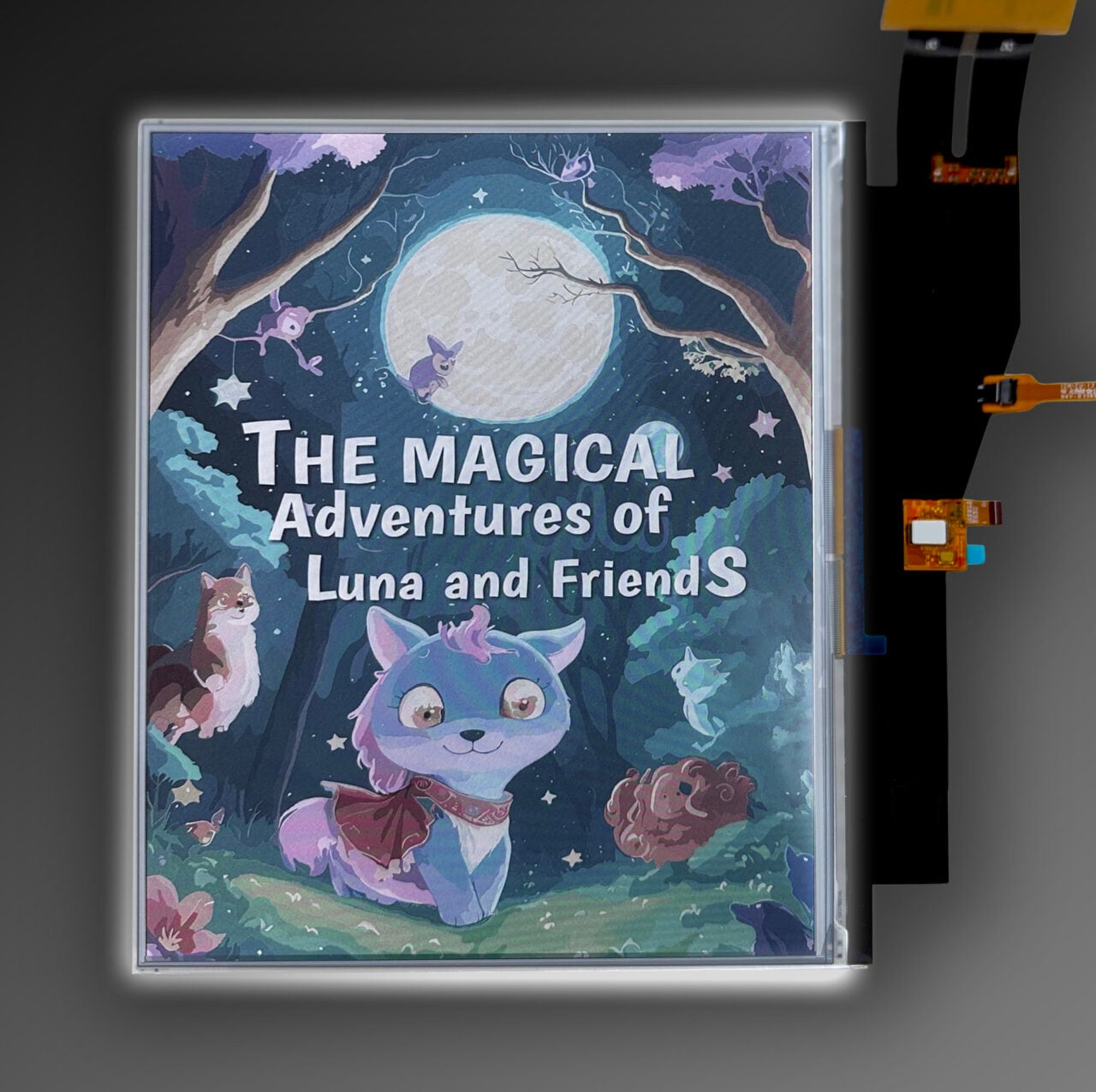
Hisense might have just figured out a practical way to make this dream a reality. The company’s new A10 phone, expected to cost around $590, is first and foremost an E Ink device, with a 6.13-inch monochrome paper-like screen on the front. But it also has a removable magnetic color LCD on the back, allowing users to easily switch between E Ink and color screens for easy tasks. And you don’t even have to carry around the second screen if you’re just planning to read on your phone all day.
Hisense A10 E Ink Smartphone Officially Announced.
• 6.13-inch E Ink main display
• Paper-like screen for reading, studying and note-taking
• Magnetic detachable color LCD secondary screen
• Color display for photos, comics, charts and entertainment#HisenseA10 #Hisense pic.twitter.com/6EcJE9hRrE— Rock Leaks (@rockleaks) July 12, 2026
The A10 is also surprisingly modern for an E Ink phone, with the ability to run Android 15—most E Ink phones are still stuck on Android 14. It’s got a Snapdragon 8 Gen 3 processor, a front-facing camera, and two rear cameras. (Hisense has not released specifications for these just yet.)
To be fair here, Hisense isn’t the first company to consider a dual-screen device to make E Ink more appetizing to the public. Bigme’s HiBreak 2 goes for a similar approach, though it’s certainly less aesthetically pleasing. The YotaPhone even tried this more than a decade ago. But a second screen has the obvious downside of making a phone more bulky; Hisense is giving consumers the option to only carry around that extra screen when they want to.
Hisense is one of the biggest innovators in the E Ink phone space, and this concept could prove highly successful for the company if it catches on. That being said, this isn’t exactly a mainstream launch. The A10 is very much a niche device, and it won’t be available for use on U.S. cell providers. Still, it’s great to see real innovation in the mobile phone space, and this could be genuinely useful for big phone readers.