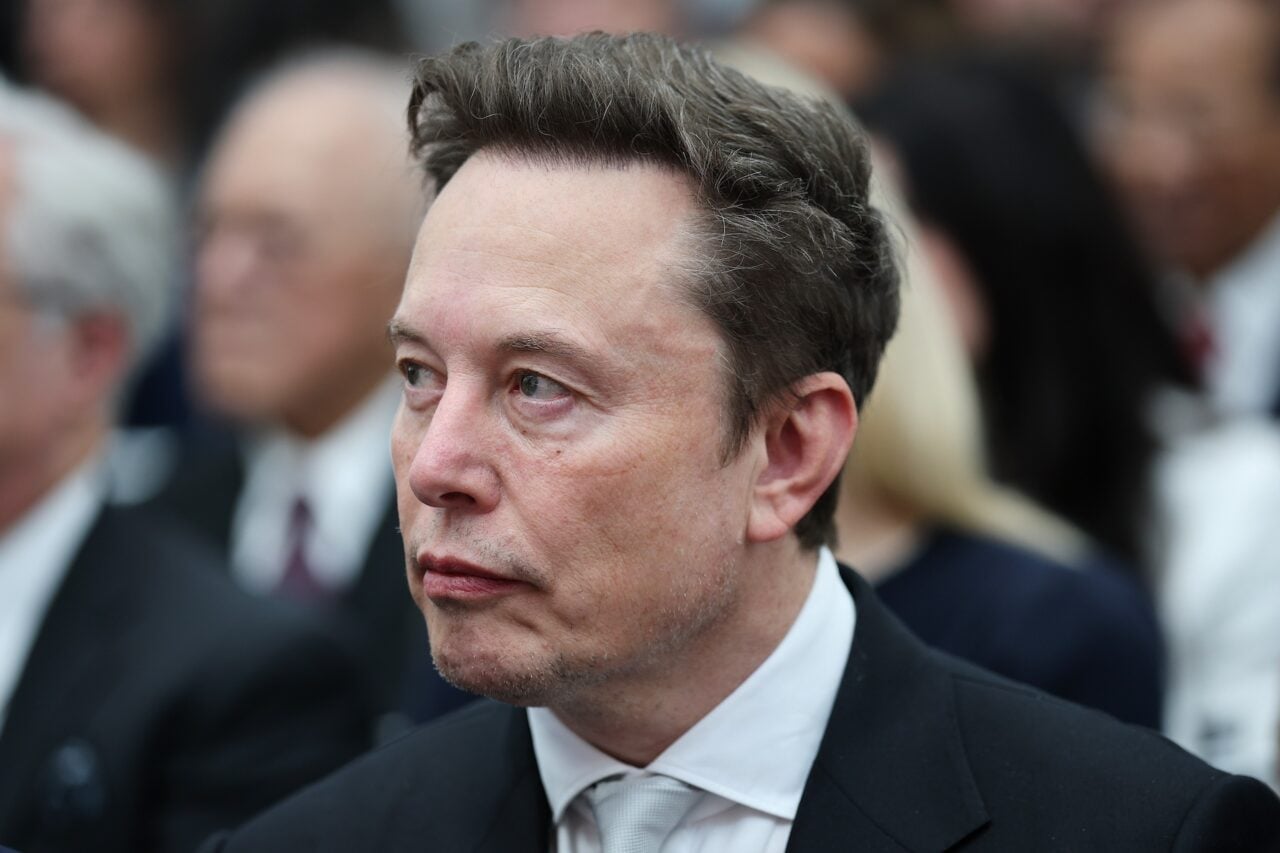
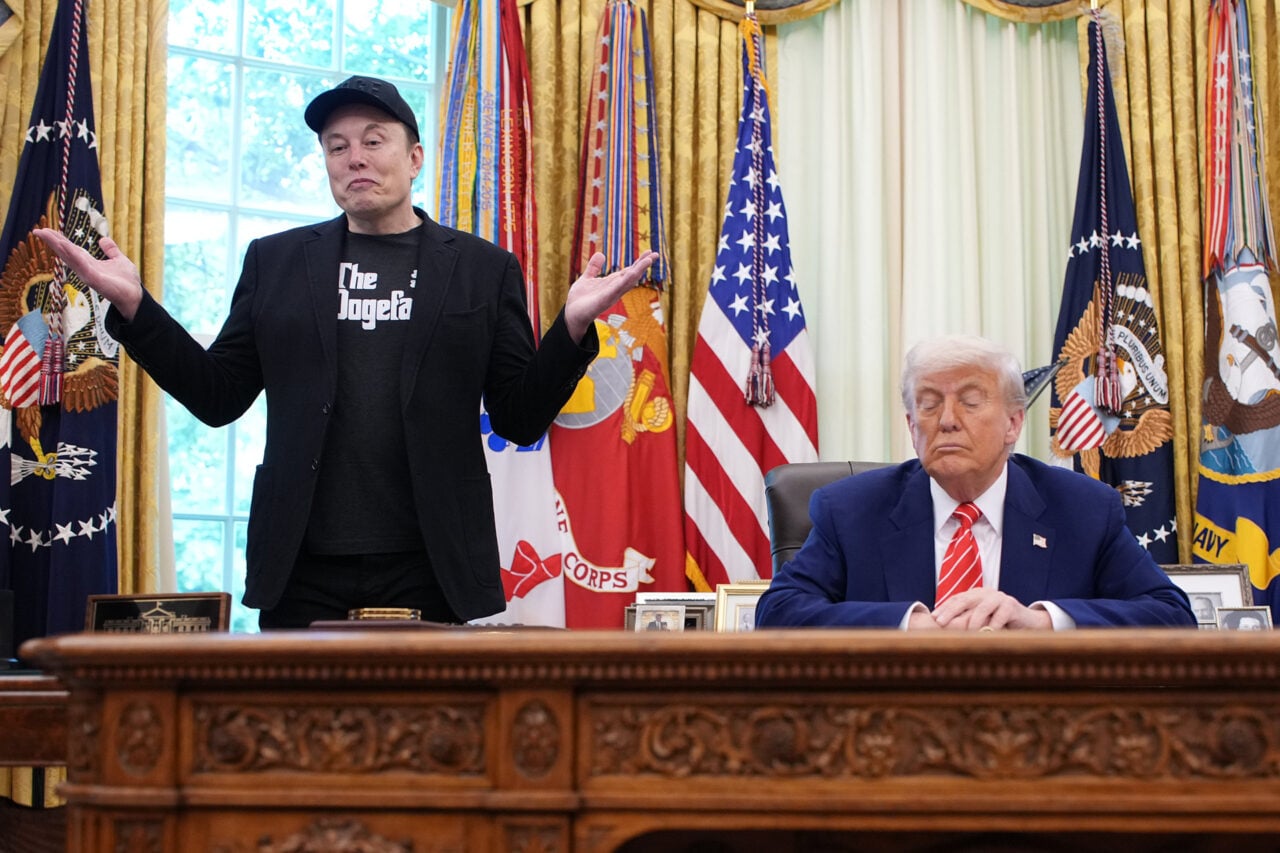
Some may knock the more recent books by bestselling biographer Walter Isaacson as corporate myth-making topped with a thin layer of serious journalistic or literary flavor sprinkles in the form of featherweight criticism of plutocrats’ personal lives. Okay I, in particular, may do this. But did Isaacson get Elon Musk to like him enough to talk to him a whole lot for his Musk biography? Yes. That at the very least is a point I’ll chalk up in the Waltmeister’s column.
Consequently, in the debut episode of Isaacson’s (sigh) podcast, called the Builders, we get Musk, and he’s being surprisingly candid about his time in President Donald Trump’s Department of Government Efficiency. In fact, if you didn’t relish Musk’s time in DOGE—that is if you’ve heard about the team of researchers who published in Nature about how DOGE’s USAID cuts were projected to lead to an annual child body count of 163,500, or the article in The Lancet that said millions are expected to die from DOGE cuts—you might not chuckle at Musk’s reflections on the DOGE days nearly as much as Musk himself does.
Bringing up DOGE, Isaacson asks, “Do you feel that that was too much of a distraction? That in retrospect it was misbegotten?”
“I think I had it going for too long,” Musk says.
He then explains his economically conservative reasons for supporting Trump, such as his hope that Trump would “steer things more in the direction of a free market economy,” and give us a government with “less bureaucracy ideally.”
“But then what I should have done I think was be more in the background,” Musk continues. Then, in response to a question from Isaacson about whether hanging out with the president was “seductive,” he says this:
“It was a little bit. I mean, it was kind of cool, because I’m just there in the Oval Office while, you know, all these like big momentous decisions are being made and, you know, just some sometimes having some impact on what’s being done. But I think maybe I should have been more, like I said, been more in the background, and probably only had it last for, you know, a month or two. Because at that point you’ve sort of seen most of what there is to see within a month or two.”
DOGE was created in January of 2025, and Musk left in May. It was officially dissolved three months ago. It estimated that it saved $215 billion through spending reductions, though DOGE-associated firings, welfare benefits, productivity losses, and rehiring costs also reportedly cost taxpayers $135 billion in 2025 alone.
Or, in Isaacson’s phrasing, Musk “seemed to get a bit too intoxicated by it in a way with the chainsaws and all that.”
And Musk copped to that. “Yeah, I think that’s true. Yeah. Yeah. I got carried away basically.”