You have to admit, the term “Super Intelligence” has a certain beauty to it, assuming you find it beautiful when the artificial intelligence business comes across as laughable and embarrassing.
Sadly, words have meanings, and those of us with at least somewhat of an obligation to phrase things accurately can’t just start replacing “artificial intelligence”—which is the widely accepted term for a real technology—with a new term simply because the President of the United States prefers it.
But ironically using the phrase “Super Intelligence” is the most fun I’ve had with tech lingo since “X, the everything app.”
The president’s decision to try to rename the technology kicked off on September 19 with an online poll, allowing users to vote on the new name. Three days later, he landed on “Super Intelligence” which wasn’t even an option in the original poll. At first the renaming seemed too surreal to take seriously—just another cringeworthy wrinkle in a minor political story arc that started with Trump’s recent descent into slop-mania when he published 60 AI-generated posts over Labor Day weekend.
But since then, all signs point to Trump being totally committed to getting everyone in the world to call artificial intelligence Super Intelligence. First he ordered diplomats to say Super Intelligence, and claimed he had convinced Chinese President Xi Jinping to say it. Then he got much more serious, signing an executive order forcing the executive branch of the federal government to use the term, and, on the same day, gathering what is probably history’s most comprehensive group of AI business leaders and getting them to sign a non-binding piece of paper called the “White House Accord on Super Intelligence.”
Then he paraded most of those leaders in front of the press and declared in no uncertain terms that they agreed with him about changing the name, saying, “the name has been officially changed by the biggest, the smartest, the greatest people anywhere in the world at this.”
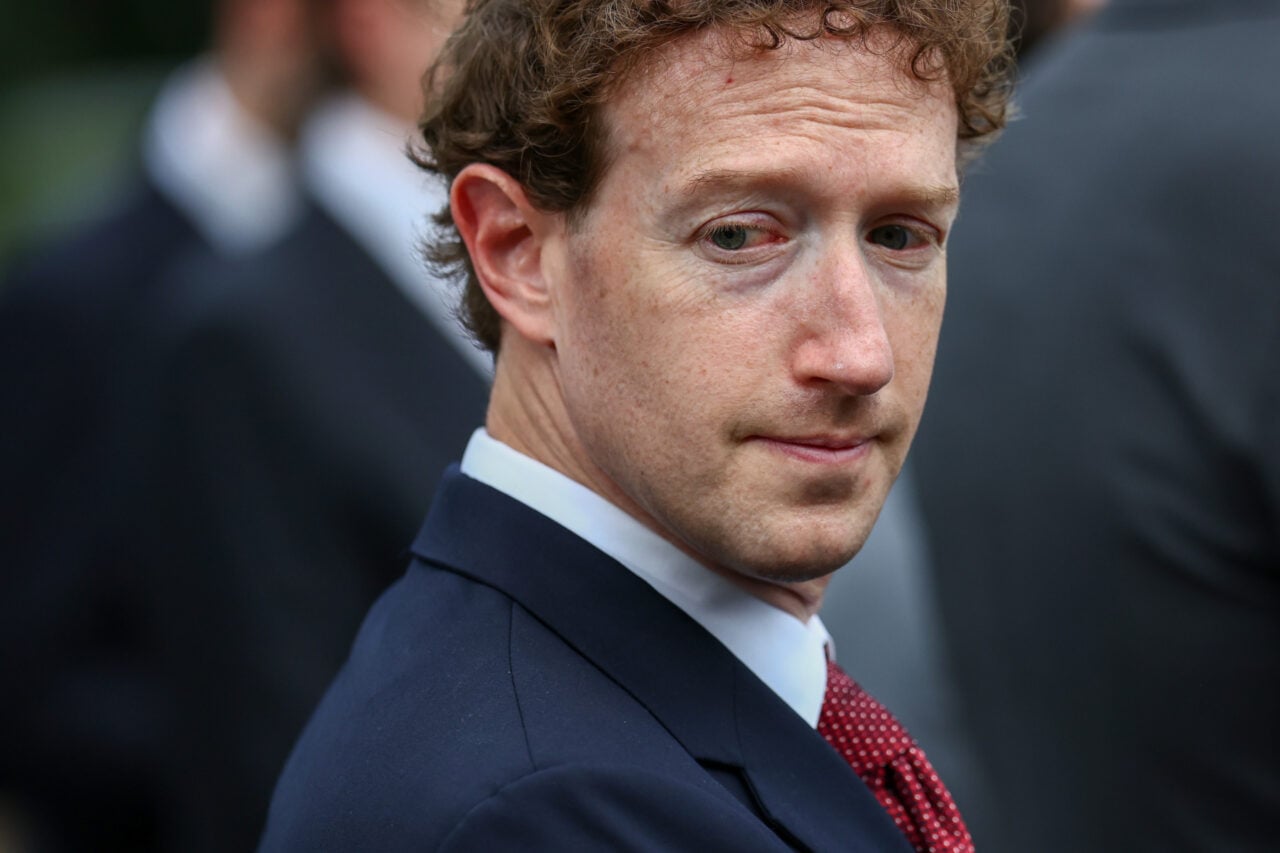
Did they really agree to that? I wrote yesterday that it wasn’t totally clear whether or not they had. Meta told me Mark Zuckerberg—who was reportedly the mastermind behind the “White House Accord on Super Intelligence”—already sometimes uses the term “superintelligence,” but that’s a different term with a different meaning, and different usage. OpenAI, Anthropic, and Google didn’t get back to me yesterday.
But Elon Musk and Nvidia CEO Jensen Huang did both publicly signal their support for the rebrand on Tuesday. At a panel discussion, they both nodded along with their interviewer, asset manager Gavin Baker, when he said “I guess we’re now calling this Super Intelligence, which I think is actually good branding.” Then they both used the term in their answers. As if to put his support in writing, Musk posted on X, simply writing “Super Intelligence.” Huang issued a longer statement, writing Super Intelligence three times, including, “The future of Super Intelligence will be shaped not only by what it can do, but by the confidence it earns.”
It’s an absolute farce playing out in real life, a little like when people in the Soviet Union transitioned to calling their Christmas trees New Year trees, except more ham-fisted and abrupt.
There’s no public opinion polling to speak of on this name change, but it’s hard to imagine it’s winning over the public, and reactions so far look pretty grossed out—even from Trump’s would-be supporters. Far-right White House correspondent Natalie Winters from Steve Bannon’s War Room isn’t into it, for instance, saying “Hammering ‘Super Intelligence’ and playing all those games is not what people voted for.”
On X, the everything app, people seem to hate, hate, hate it:
I speak for everyone – we are NOT calling it "Super Intelligence"
We are deadnaming it and calling it Artificial Intelligence just like Twitter.
— Evanit0 (@Evanit0) September 30, 2026
And according to a conspiracy theory that’s spreading like wildfire, Trump is part of a conspiracy to profit from domain name arbitrage, and that’s supposedly the real reason for the rebrand. There’s only circumstantial evidence for this, and it’s best left in the conspiracy theory category.
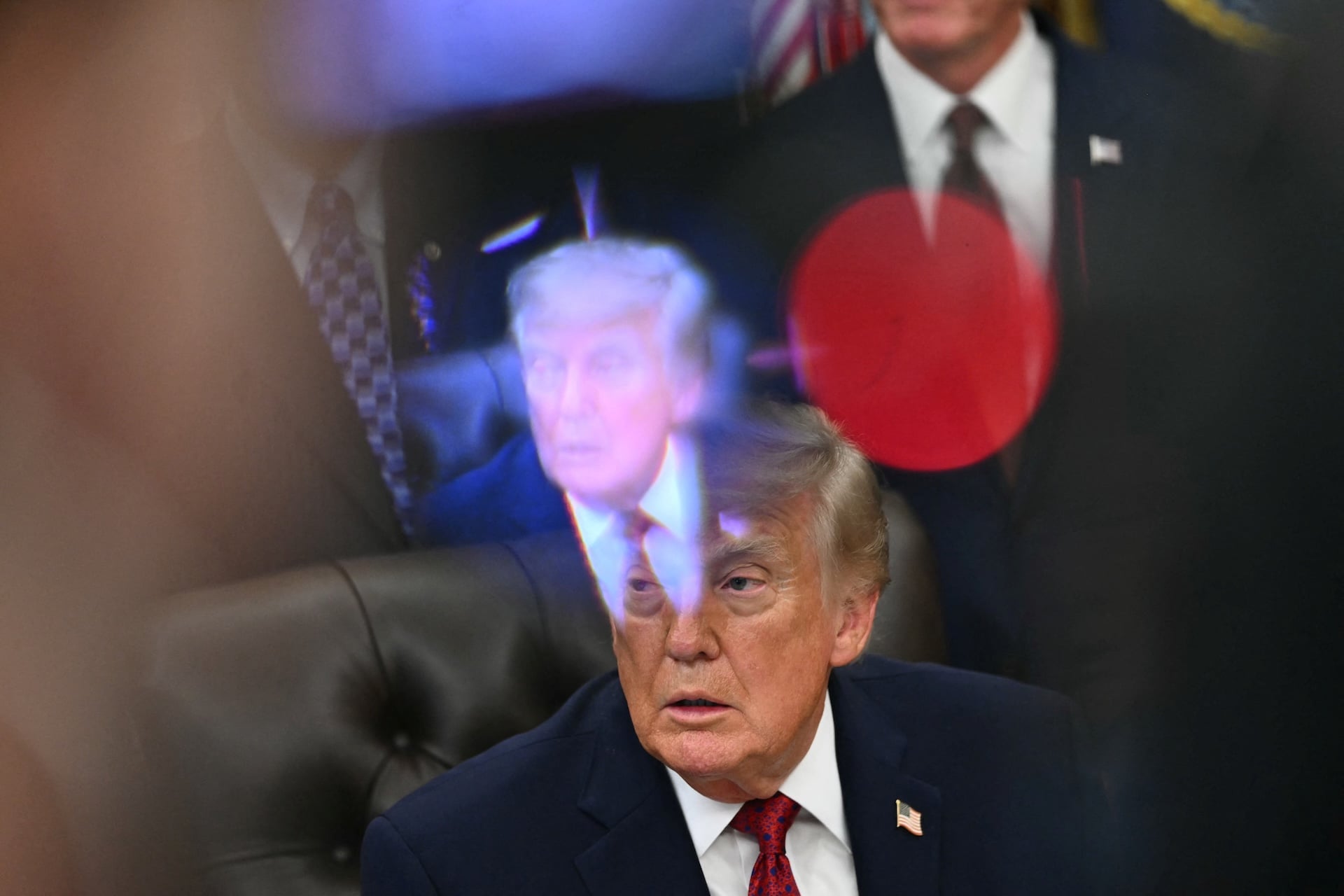
On Wednesday at a press event Trump held while seated in the Oval Office, we got a glimpse of the apparent new normal in the form of a softball question about Super Intelligence. It’s not clear who asked it, but it was spoken in the tone you use to keep someone’s spirits up during their 115th birthday party:
“Mr. President, you just signed the Super Intelligence agreement with the tech industry leaders, do you think the Democrats drop the end-of-the-world talk now, or is that their midterm message?”
Trump answered by reiterating why he dislikes the term artificial intelligence. He’s hung up, it seems, on the negative connotations of artificiality. Artificial is “a terrible word,” Trump says, adding, “It’s amazing it lived on so long actually.”
Never mind that it’s accurate and useful, while that other word, “intelligence” presents some problems.
But after the midterms in just over a month, Trump will likely enter a new phase of his presidency that he will find unpleasant, as he struggles to work with a less pliable Congress, and potentially one that’s totally antagonistic.
Meanwhile, according to an executive order from earlier this week, he’s using what he calls Super Intelligence, ostensibly to “streamline” public access to government services. His administration rolled out a chatbot, and is ordering government agencies to turn It into a public-facing spigot. The premise seems to be that constituents will soon just chat with America.org, and government services will at last flow forth like life-giving water.
And not even two weeks ago, he announced he was creating an “AI Force” to be led by an AI czar—though the Super Intelligence rebrand for those terms can’t be far off.
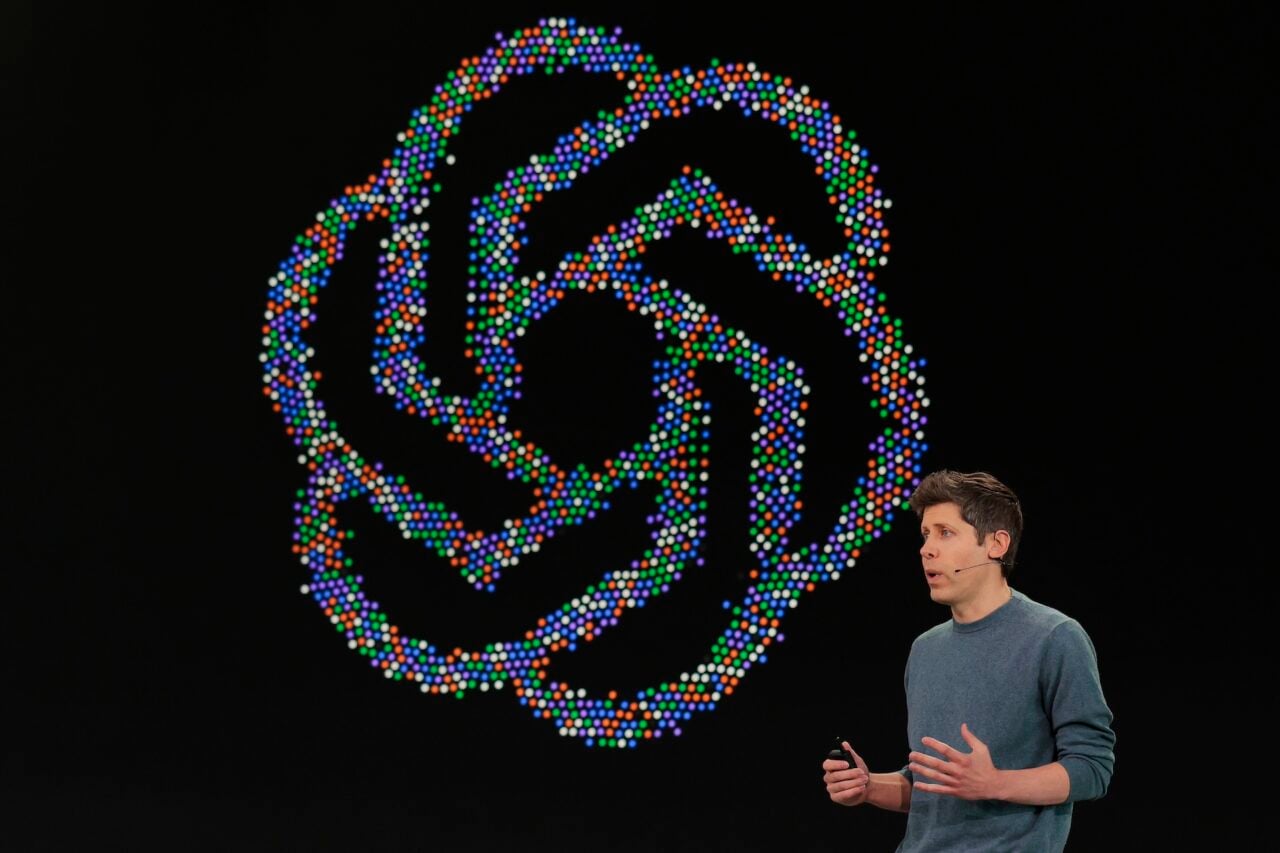
But as Trump seems to be sinking deeper into this technological obsession, will the captains of the industry that feed that obsession continue to validate him willingly? It’s very doubtful. OpenAI has the word “AI” right in it. Google/Alphabet CEO Sundar Pichai’s embrace of the term seems halfhearted—just an X post name-checking the White House Accord on Super Intelligence, and not other usage of the term.
Most damning of all has been Elon Musk’s lack of follow-through. Since he posted the term “Super Intelligence” on X, Musk reverted to the supposedly now dead term “AI” in a joke tweet: “Best way to sandbox an AI is to put it on a Delta flight – it will have no chance of accessing the Internet!”

One can only assume that none of these guys—with the possible exception of Zuckerberg—are actually willing to make this switch total and permanent, and that they’ll take a sort of when-dad-isn’t-looking-I’ll-use-bad-words-all-I want approach.
These business leaders, their employees, their customers, and the public in general may not like this new term, but their pal Donald Trump, who is also very unpopular, only wants to say “Super Intelligence,” and signed an order saying his branch of the government “will not acknowledge the usage of ‘Artificial Intelligence’ and ‘AI’ in any applicable setting.” If you’re one of these business leaders, this is the term you agreed to use whether you like it or not.