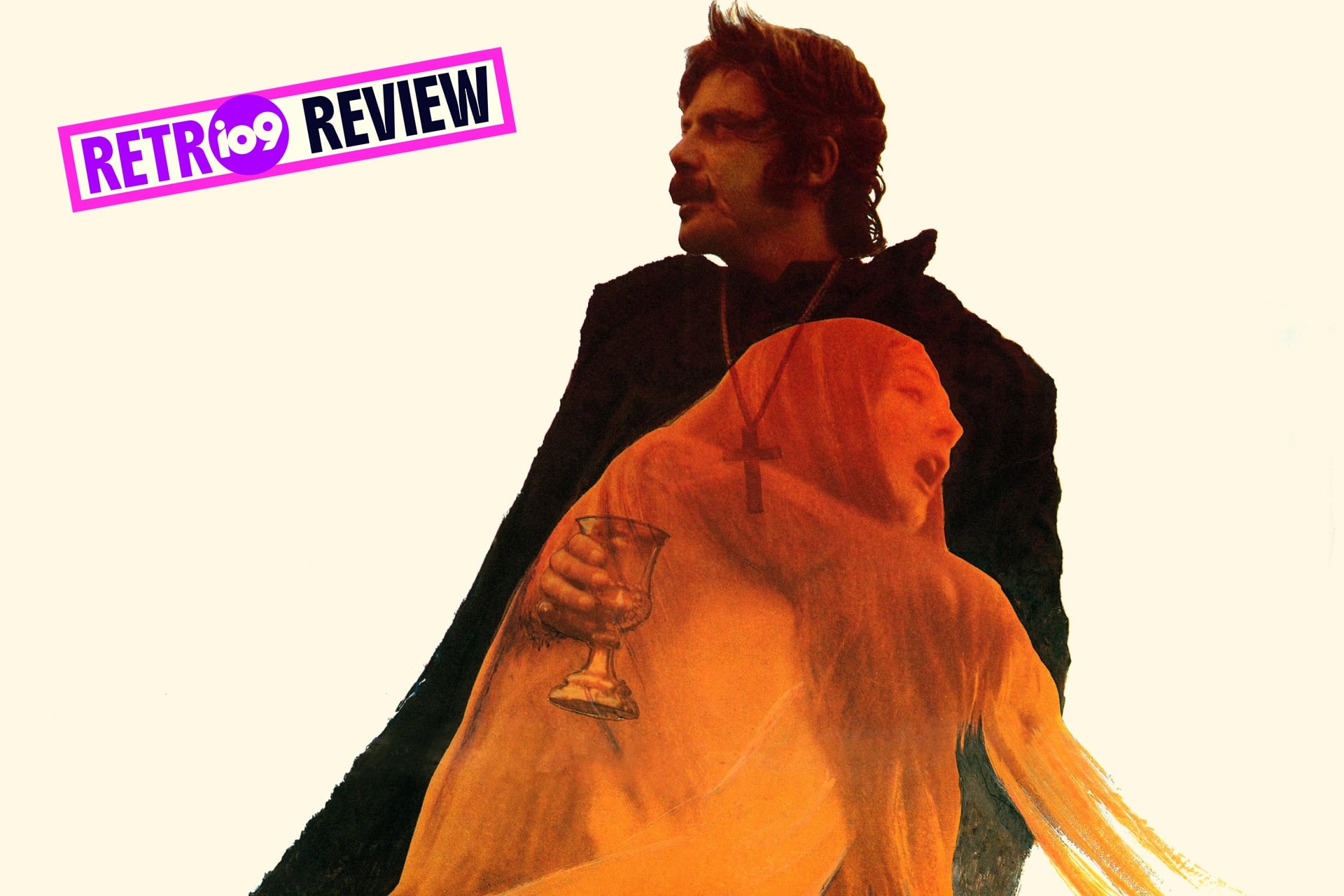
When I first saw Warner Bros. Clockwork’s stylish, strobe-light-heavy, fever-dream trailer announcing the 4K director’s cut restoration of Ken Russell’s The Devils, I knew I had to see it on the big screen. Partly because I wanted to know how it earned its reputation as “the most controversial film ever made,” a relic so elusive you had to spelunk through horror-collector back channels to find it. And honestly, I wondered whether it’d add fuel to my ongoing lament that today’s films are starved of the wild, pure artistry that defined the ’70s. After seeing the film in 35mm at my beloved Music Box Theater in Chicago, I got far more than I bargained for: The Devils is the most rousing, grotesquely alive cinematic experience I’ve seen all year.
Based on Aldous Huxley’s The Devils of Loudun, The Devils sees the secluded convent of Loudun in hysterics. At the epicenter of the hooplah is Father Urbain Grandier, the most attractive man alive, whose actor, Oliver Reed, quite literally has the widest chest I’ve ever seen committed to film. The mustachioed priest has been accused of witchcraft. His accuser is Sister Jeanne (Vanessa Redgrave), a sexually repressed, hunchbacked nun. Jeanne’s parasocial obsession with Grandier, whom she’s never met, serves as the perfect excuse for the corrupt members of the church to unite with Grandier’s enemies to have him sentenced to death for bringing the devil into God’s house. What follows is 114 minutes where humor and horror gnaw at the same bone: a barrage of campy satire that elbows the ribs of religious piety that’s equal parts riotous and revolting.
Despite the trailer making me think I was in for a grimdark, feel-bad movie experience, The Devils felt more like watching an NC-17 Monty Python film than the pearl-clutching affair it was talked up as. Point being: there’s a scene where Grandier parries a sword with a taxidermied crocodile. The Devils is effortlessly funny. Viewed through a modern lens, Reed’s portrayal of Grandier is tantamount to Ian McShane pulling off Matt Berry’s Laszlo Cravensworth from What We Do in the Shadows. That’s not to say the film doesn’t take itself seriously, with on-the-nose call-outs of religious hypocrisy running through its dizzying two-hour runtime. The last 30 minutes might be the most distressing and repulsive climax I’ve seen since Park Chan-wook’s Oldboy and Kim Jee-woon’s I Saw the Devil.
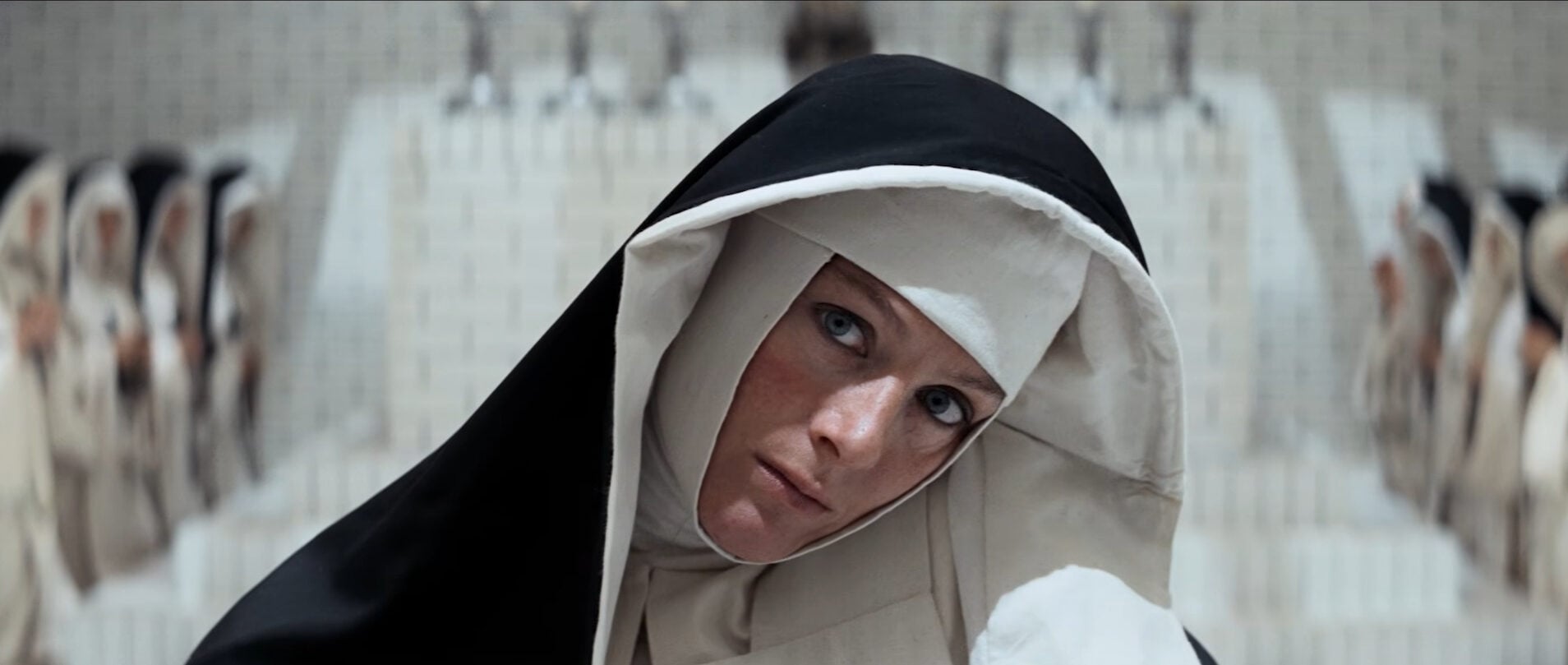
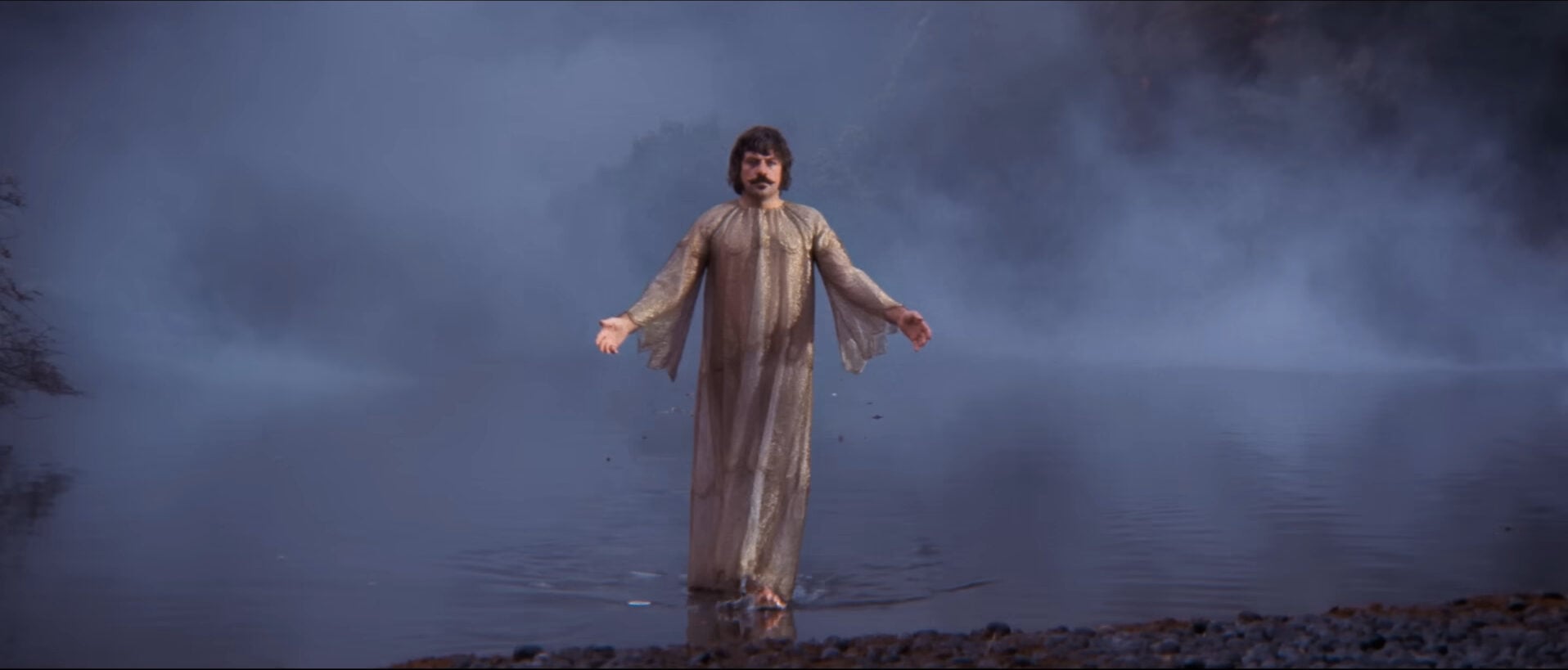
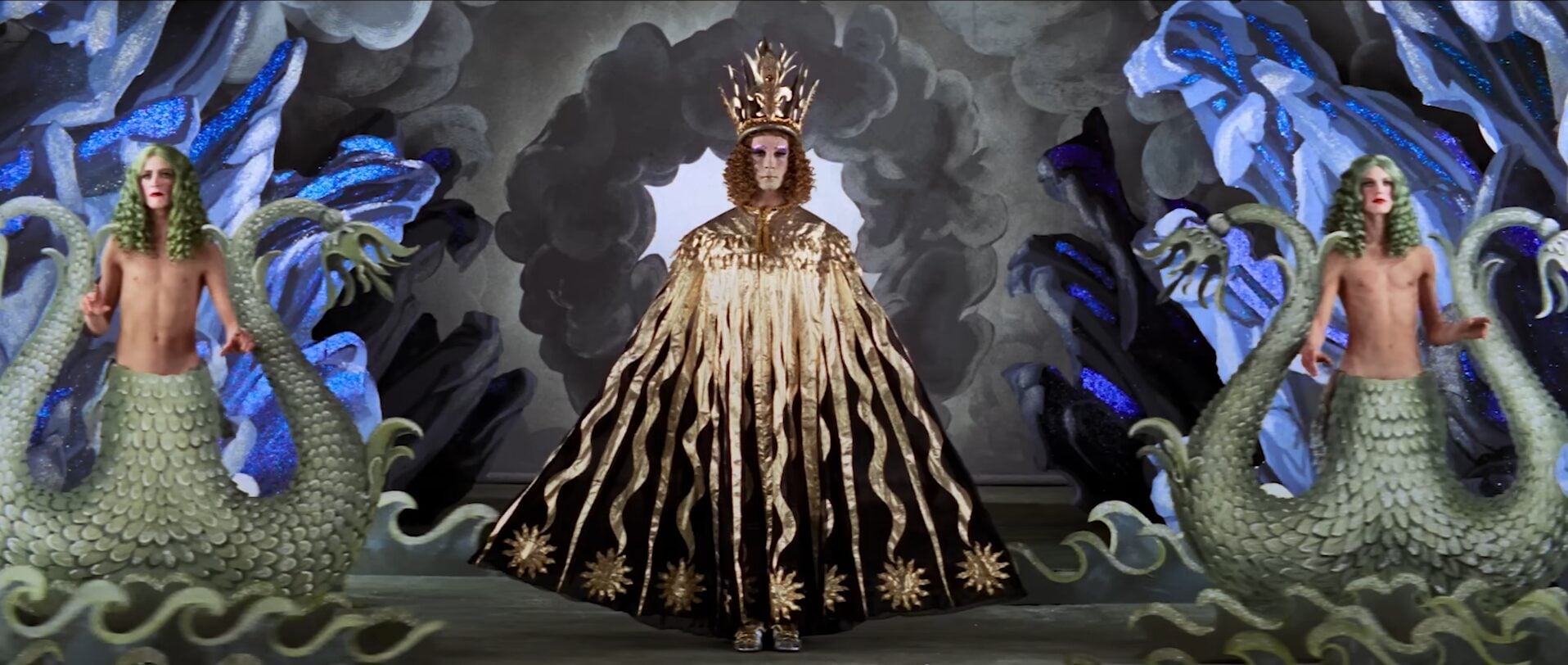
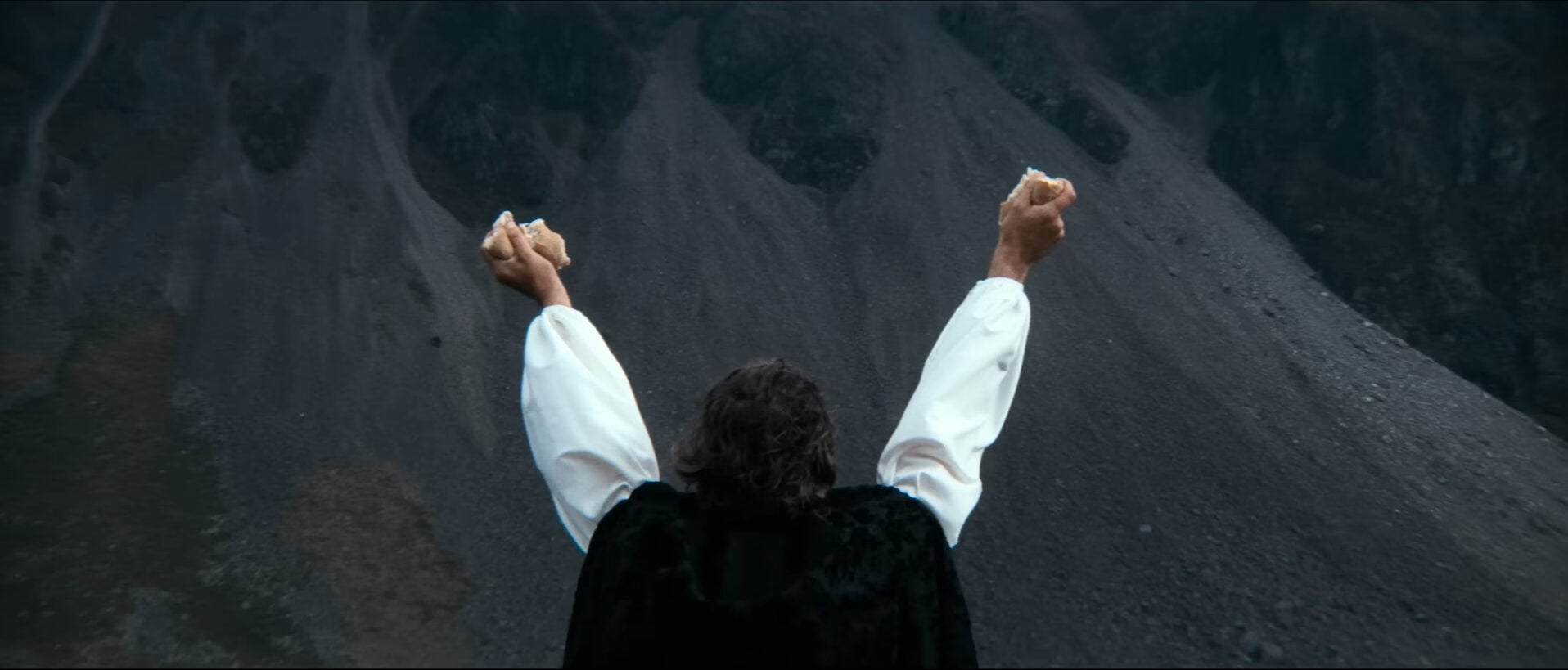
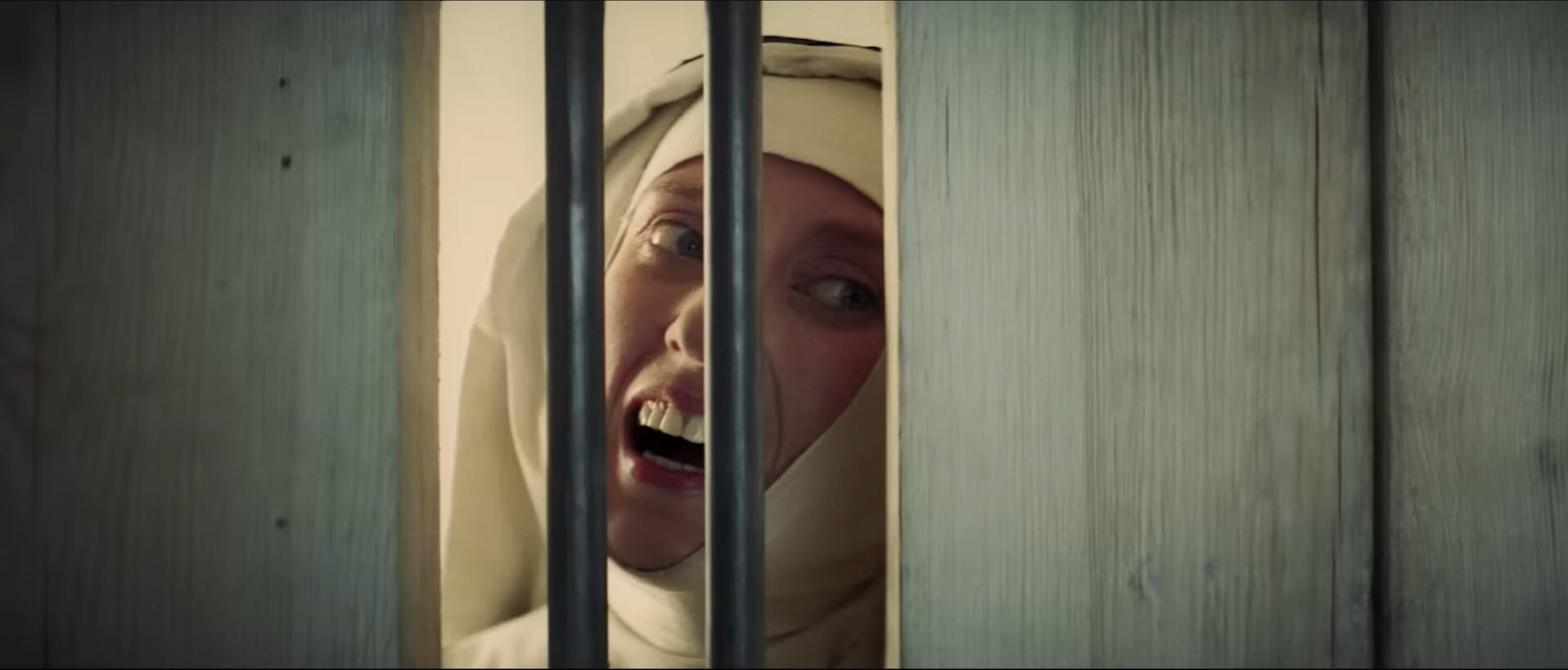
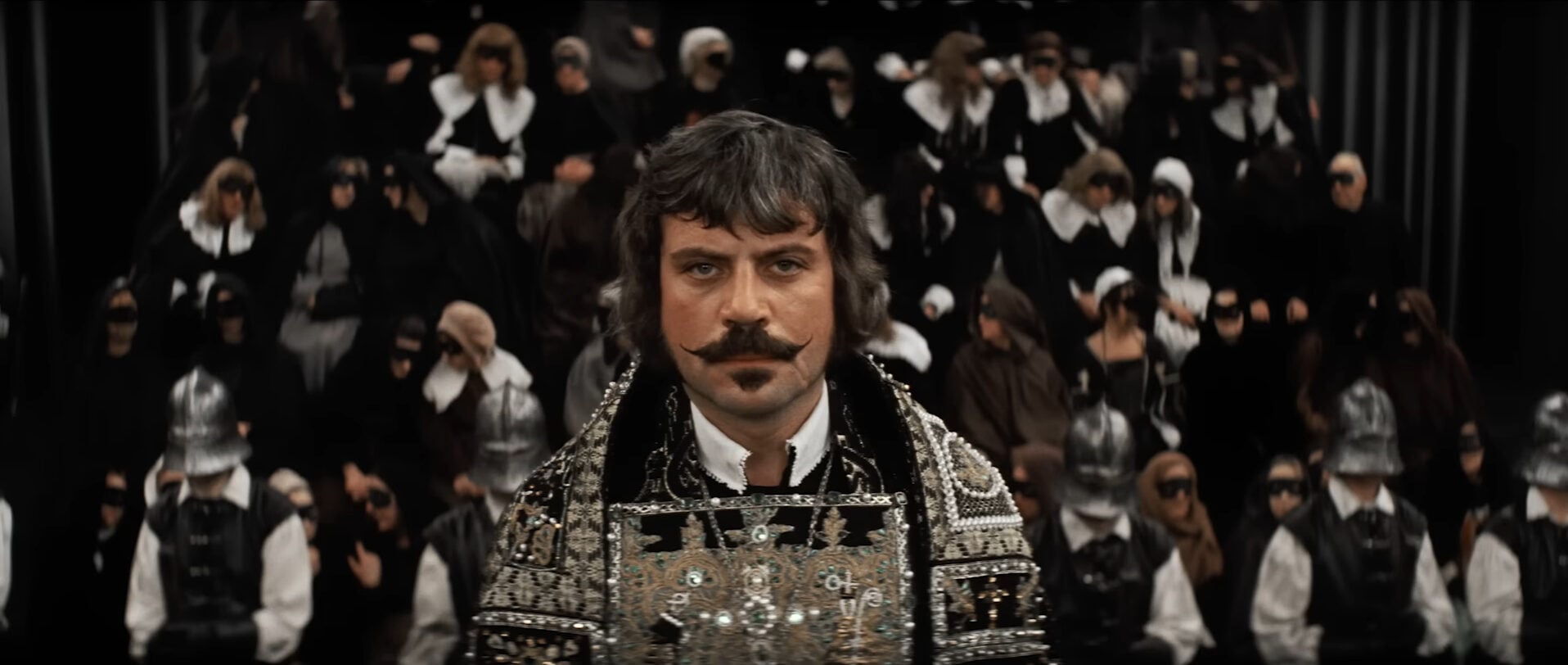
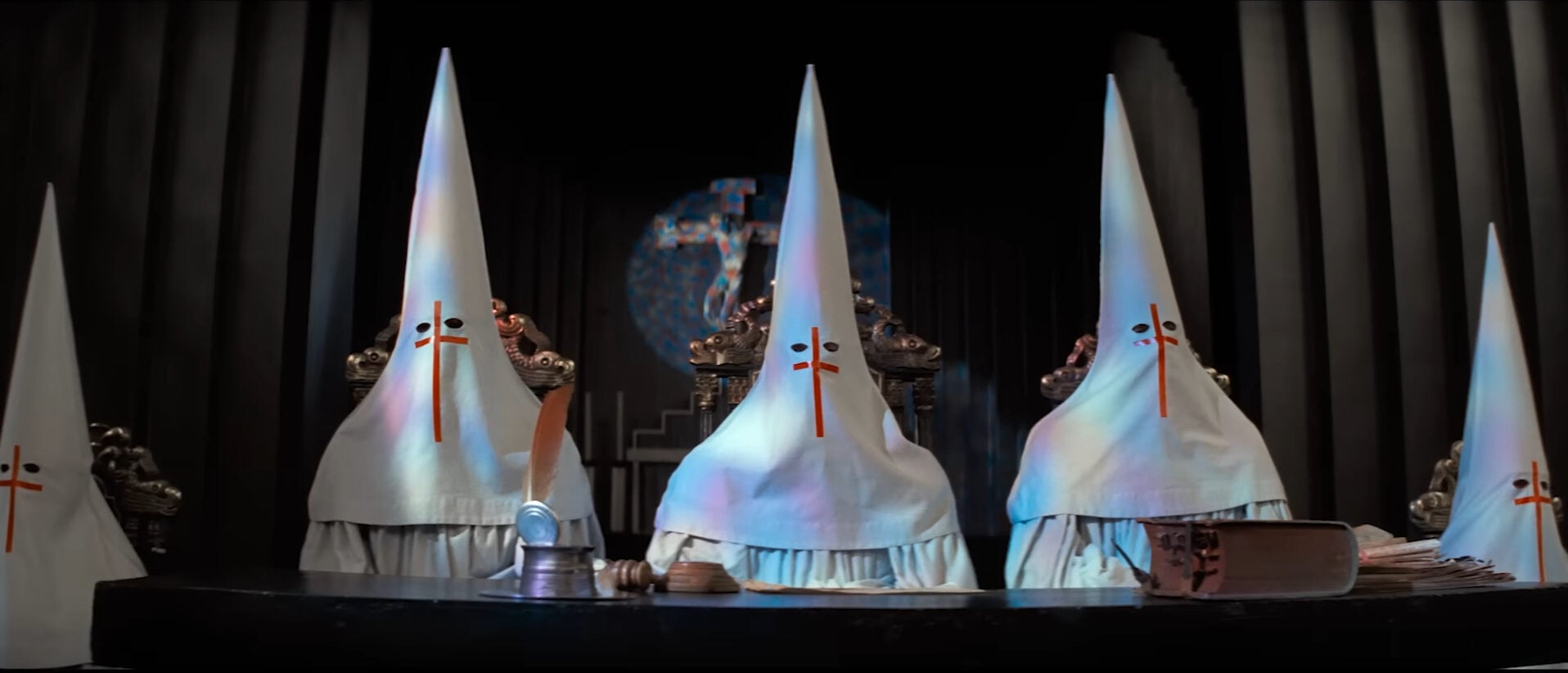
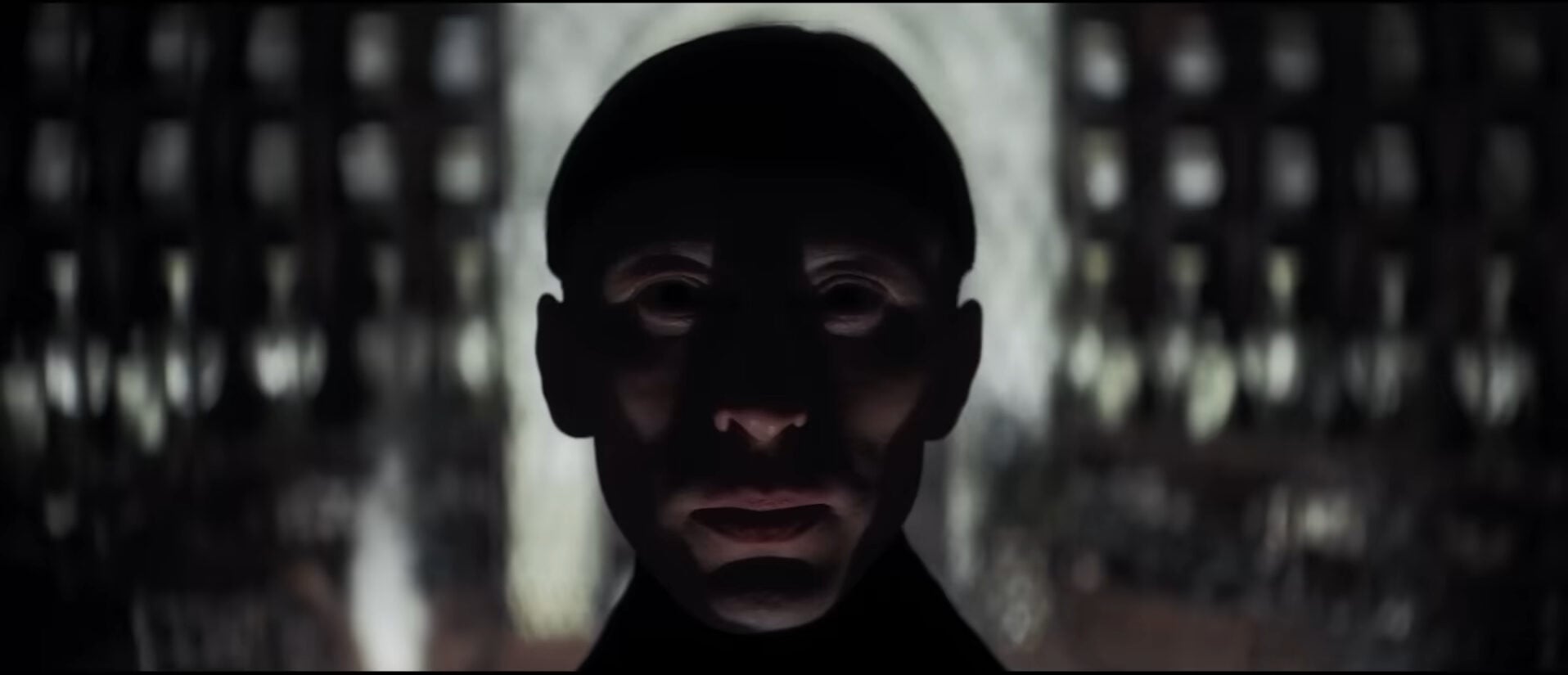
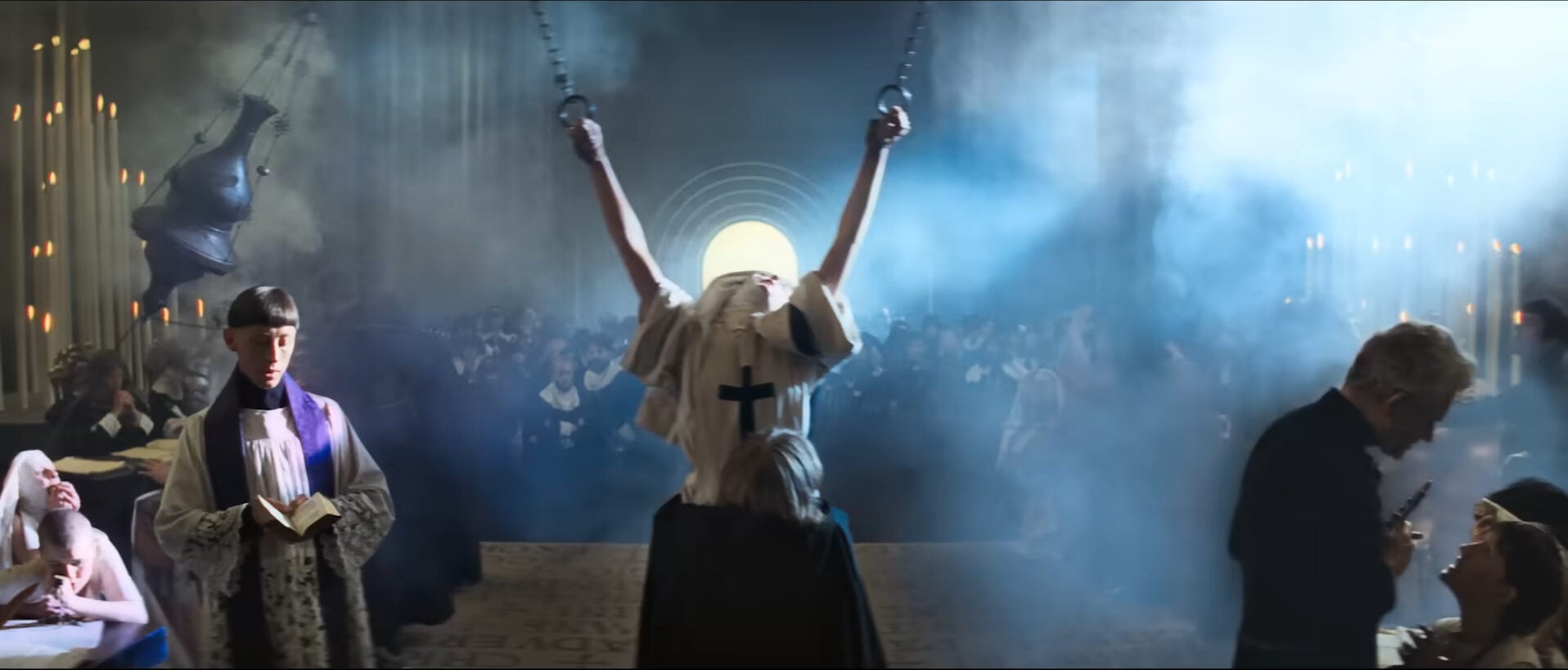
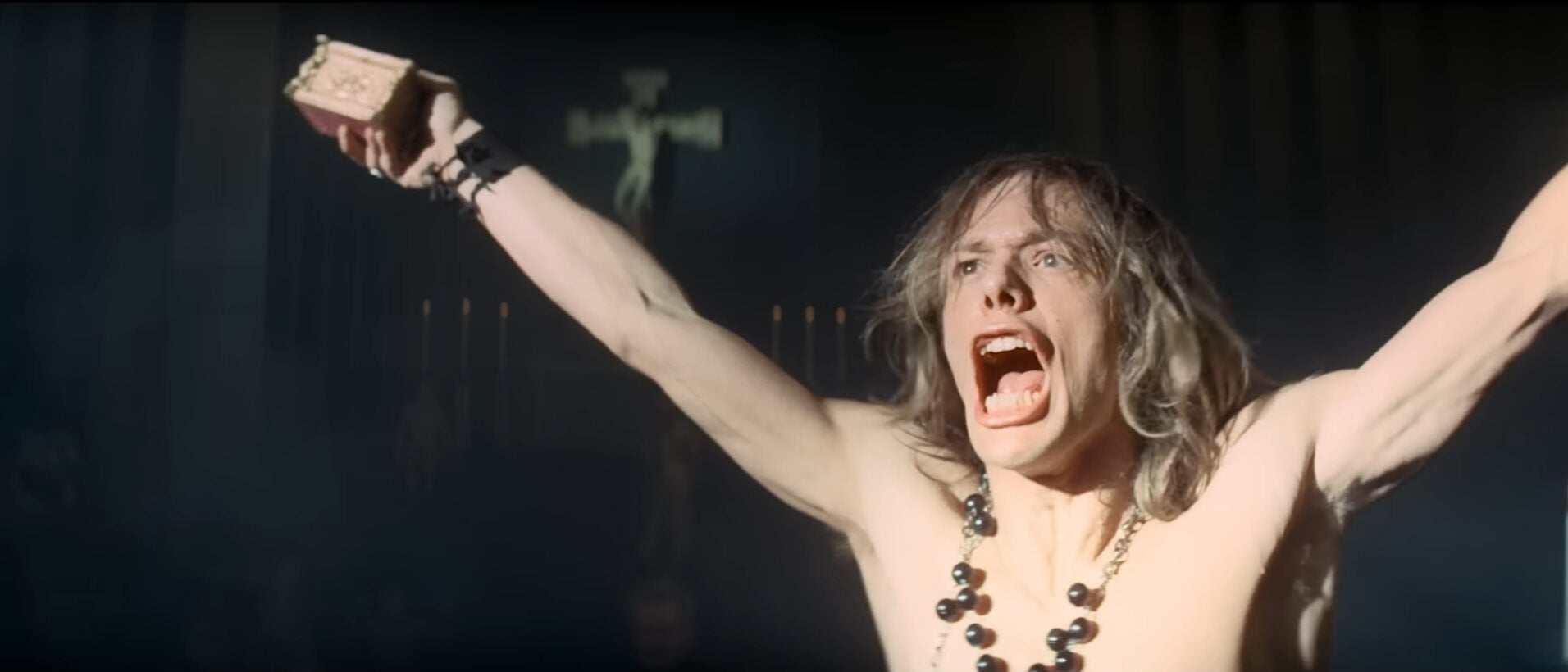
Having been raised Lutheran, I’m a degree removed from the Catholic‑targeted outrage that kept Russell’s film buried for decades. But watching it now, as a millennial in 2026, the film’s fury and lampooning of how institutions manufacture outsiders as convenient pariahs to mask their own corruption feels startlingly prescient. Father Grandier is a textbook example of an imperfect perpetrator. He’s a womanizer with a liberal definition of a priest’s religious gray zone to make the beast with two backs so long as love, with the fleeting thought of marriage, is on his mind… eventually.
From Ken Russell’s script to Oliver Reed’s performance: a side-by-side comparison with continuity supervisor Ann Skinner’s original script.
KEN RUSSELL’S THE DEVILS opens in theaters 10.16 for one week only: https://t.co/RP4YhCOsxW pic.twitter.com/7g1eaxzxcL
— Warner Bros. Clockwork (@clockwork_wb) October 6, 2026
While it’s old hat by today’s standards for a pious man to use the “do as I say, not as I do” excuse, portrayals of religious hypocrisy and the gray zones within them have never felt as novel as in The Devils. While his enemies seek a coerced confession out of Grandier, Jeanne and the nuns of Loudun deploy phrases and words like demonic possession and exorcism, giving the impression that the film dips into the supernatural, but that couldn’t be further from the case. They’re buzzwords the corrupt cardinal leverages with the general public to excuse their crusade. The film goes so far as to slap its title card across the faces of Graham Armitage’s daffy King Louis XIII and Christopher Logue’s politicking Cardinal Richelieu, making it painfully obvious that church and state are the real devils at work. In today’s world, Grandier’s only crime is that he was so sexy the world wanted him dead.
It’s not just Grandier’s enemies who take advantage of his satanic-panic farce of a trial. The nuns of Loudun, following Jeanne’s example, use the guise of Grandier’s prosecution as an excuse to indulge their sexual perversions, claiming to be possessed by the devil, transforming the satirical film into a transgressive artifact of filmmaking at its most manic.
I love every inch of The Devils. Every line drips with witty, endlessly quotable dialogue that holds up in any era. My favorites are Grandier’s line to Jeanne, saying, “Anything found in the desert of a frustrated life can bring hope,” and Jeanne’s own HBIC line, “They say they can stand up to the Church, but they can’t stand up to this bitch!”
Likewise, The Devils‘ tone is a smooth ebb and flow of graphic imagery and comedic cutaways that had me recoil one moment and belly-laugh the next. I’d even go so far as to say Ken Russell’s staging and framing rival David Lynch and Akira Kurosawa’s cinematography. But most of all, the incomparable Derek Jarman’s impeccable set design makes every frame of The Devils feel like an anachronistic work of art. Though its era feels very much old world, The Devils‘ set design still feels wholly new, and at times, downright otherworldly, despite being a film from the ’70s. Unlike films of today, The Devils is lush with deep, saturated colors. Even at its most muted, Jarman’s set designs, placed against a creamy blue sky, make me mourn how many contemporary films are shot on a sound stage or with green screen. The Devils is a sacrament to artistry, with teeth in both its script and its craftsmanship.
Sin can be caught as easily as the plague. See how the one and only Michael Gothard transformed Father Barré from script to screen.
KEN RUSSELL’S THE DEVILS is now playing in theaters: https://t.co/RP4YhCOsxW pic.twitter.com/AJbpxc7cgZ
— Warner Bros. Clockwork (@clockwork_wb) October 19, 2026
Everyone in The Devils is giving it their all. Reed’s portrayal of Grandier is both a laugh-out-loud riot and enormously tragic. Redgrave’s sardonic and contemptible performance as the delusional Sister Jeanne is nothing short of iconic. Side characters like Armitage’s King Louis XIII and Murray Melvin’s sniveling Mignon guarantee a laugh, whether through their sheer screen presence or comedic snap zooms. While Reed and Redgrave chew the scenery throughout the film, Michael Gothard’s scene-stealing performance as Pierre Barré was hands down my favorite. Gothard’s sniveling Barré making up shit as he goes is the closest thing 17th-century France has to a manosphere influencer moonlighting as a youth pastor. I love his cunty John Lennon glasses. I love his smarmy grimace; I love his holier-than-thou gait. And he’s arguably the worst man in the film. If anything, that’s a testament to how great the film is that even its most contemptible characters shine through as guilty favorites. (Though I’m sure he was a prime example of why the film was locked away for decades.) Thankfully, I’m not the only person reveling in The Devils seeing the light of day once again on the silver screen.
Evidently, the film’s theatrical rerelease did so well that its run has been extended an extra week by popular demand, and I couldn’t be happier. The Devils‘ rerelease has meant the world to me, as someone who only just discovered it through the renewed water-cooler conversations and memes it’s generated online. Key among folks’ discoveries is the baffling cameo Sister Jeanne had alongside Clockwork Orange‘s criminals in Space Jam 2. My favorite example of the film’s resurgence is a stylish edit someone posted on X/Twitter cutting the movie into a similar strobe-light effect to Nine Inch Nails‘ “Closer.” As a fan of NIN, I look forward to seeing an edit to the arguably more appropriate song, “Heresy,” in the near future.
ok fuck it the devils 1971 closer nine inch nails edit flash warning oliver reed vanessa redgrave excellence pic.twitter.com/oYqyBd063Z
— Esme 😵 (@irltechnogatsby) October 17, 2026
Although The Devils has been elusive in horror circles, its influence has lived on in the imagery of modern classics. Key among them are Robert Eggers’ films Nosferatu, The Northman, and Werwulf. Eggers himself thinks he and Russell are kindred spirits. Had Warner Bros. Clockwork not rereleased The Devils, it would’ve taken me much longer to discover and become such a huge fan of Reed, Redgrave, and Russell. I’m so enamored with the film, I’ve made it a point to check out their filmographies and fall in love with their other work.
I’m a week out from seeing Ken Russell’s The Devils, and the film still has me on a high I haven’t gotten over. It’s gotten to the point that I’m actively making excuses to experience it again, vicariously through my friends, by dragging them to the theater with me. In a world where blockbuster movies spin the block with theatrical rereleases to massage their box office numbers, I hope The Devils ushers in an era where more gems forgotten—on purpose or otherwise—can be experienced by a younger generation of moviegoers like myself. Though I’ll settle for a Blu-ray release.
Want more io9 news? Check out the best movies and TV shows to stream this month and all the upcoming sci-fi, fantasy, and horror books that should be on your radar.