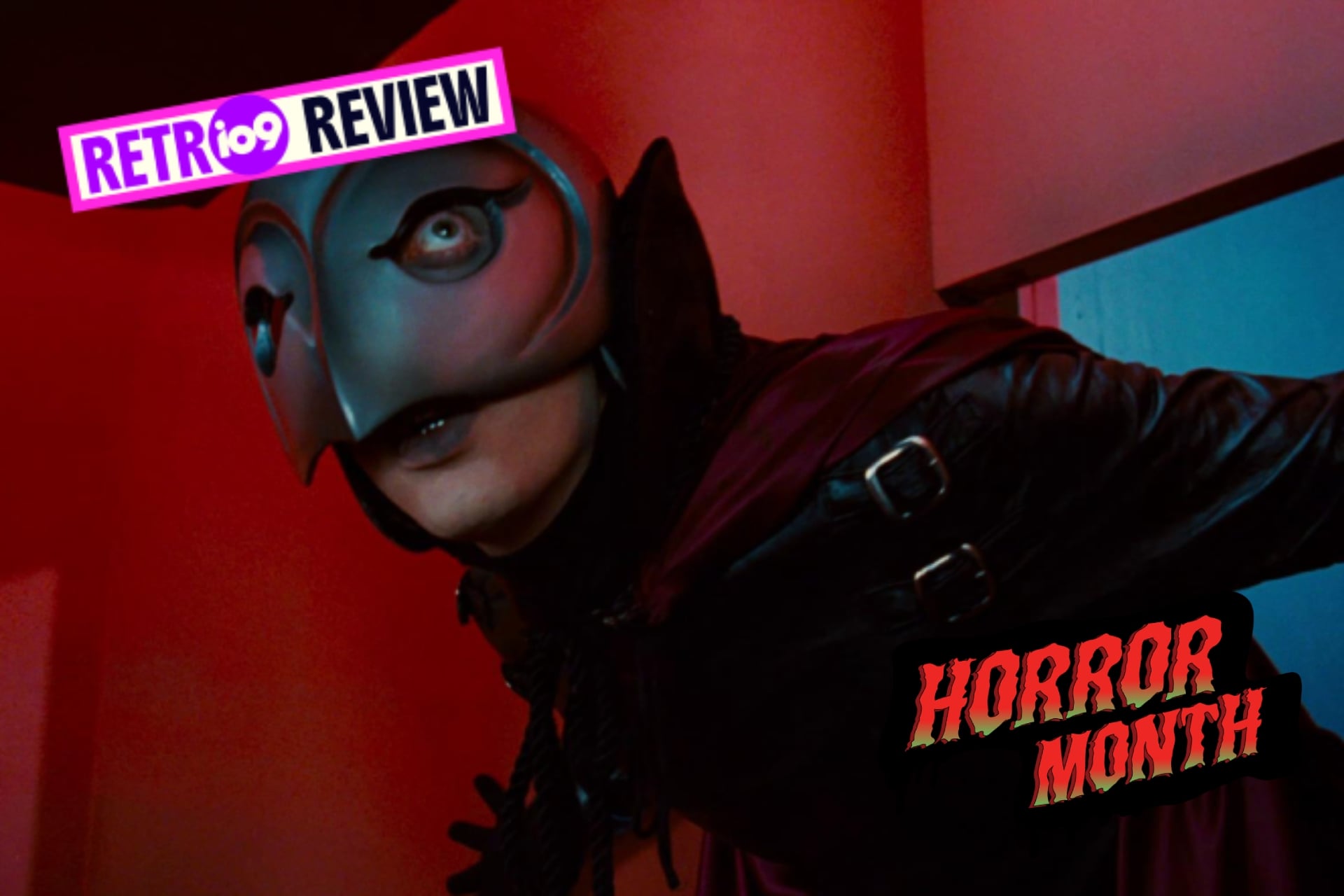
If you put every horror-tinged musical on a word map, chances are Phantom of the Opera and The Rocky Horror Picture Show would take up a good amount of the space. Against these cinematic goliaths, no film evokes gothic horror in a fun, freaky, and uncannily prescient way quite like Phantom of the Paradise.
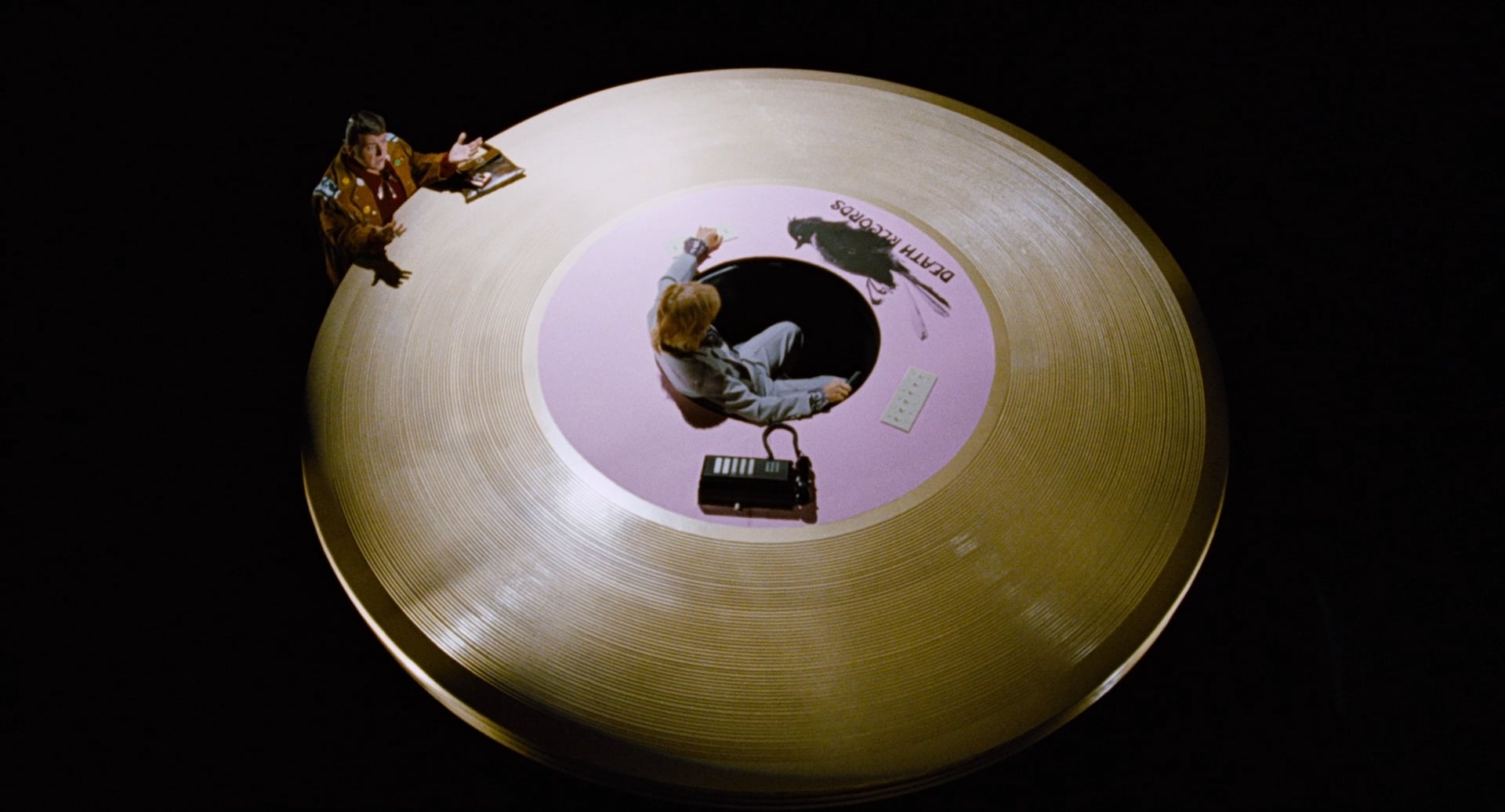
Brian De Palma’s Phantom of the Paradise tells a distressingly common music-industry horror story. At the top of the music industry mountain sits Swan (Paul Williams), the world’s leading music producer. Almost all the movement and shaking in the biz came from his meddling and genius, starting with his on-the-nose label, Death Records, and the boy band the Juicy Fruits. But like any mogul, Swan was in search of a new wave—a new sound that could usher in his latest frontier, “the Paradise.” If AI existed in the 70s, you could bet your ass Swan would tap all of life’s water supplies dry just to pump out new songs. Luckily, he doesn’t have to wait for technological advancements to steal music. Swan plagiarizes the old-fashioned way. Enter songwriter Winslow Leach (William Finley).
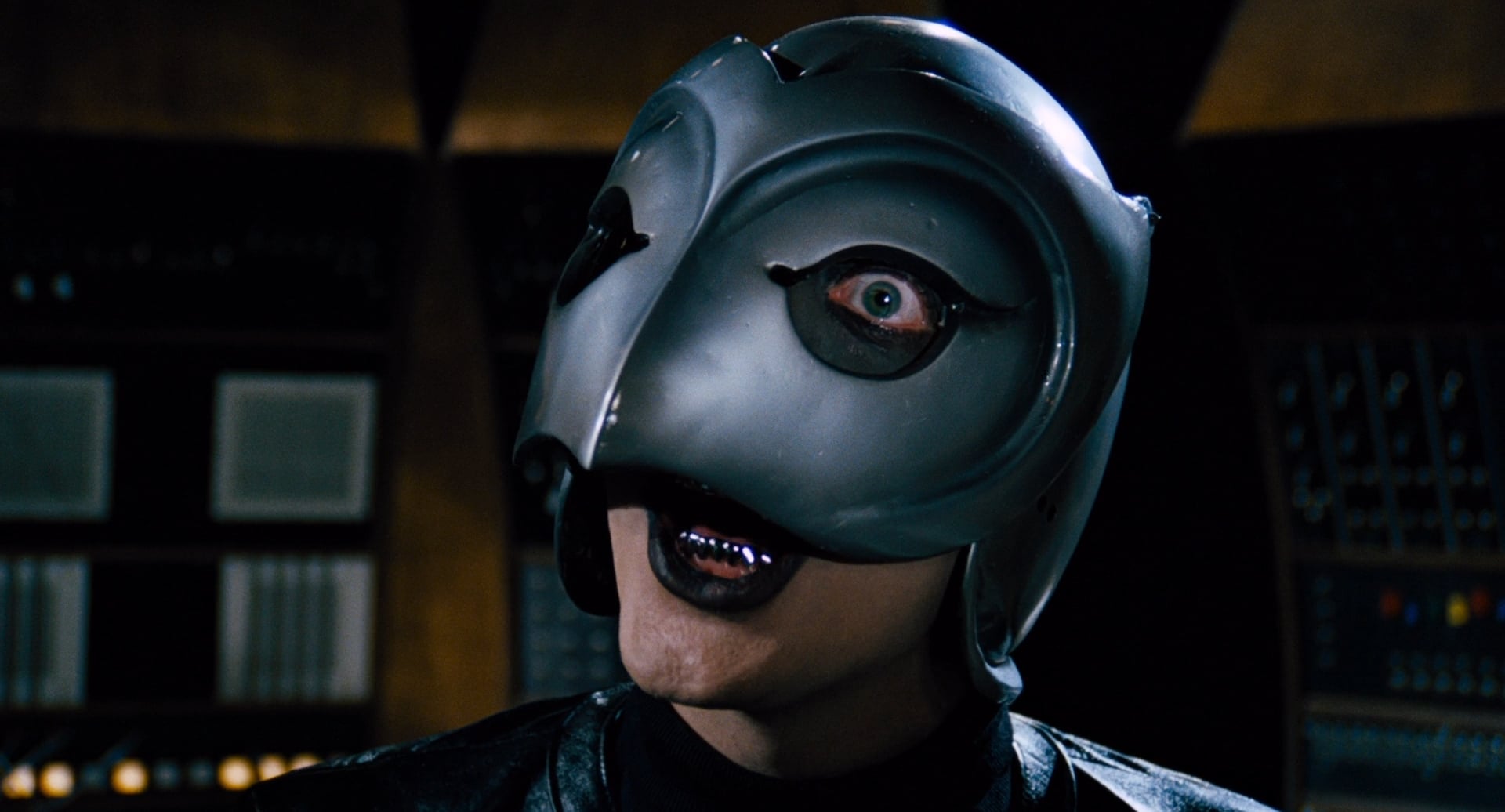
Leach is a starving artist distilled into a beanpole of a man. Believing he’s finally gotten his lucky break when his sound catches Swan’s attention, Leach makes the star-struck error of a lifetime: he gives Swan his cantata. After which, Swan has cops plant smack on Leach and has him sent to Sing Sing prison—which his record label owns, apparently. To make matters all the worse, Leach’s prison break results in him getting shot and horribly disfigured by an LP printing machine stamping his stolen record onto his face. All of this culminates in Leach enacting revenge on Swan and the entire music industry for pilfering and bastardizing his sound as the masked Phantom.
If the above synopsis sounds like an awful lot, it is, and delightfully so. Not to sound like everyone else who claims old things are good, but whatever they put in the water for filmmakers in the ’70s was made of finer stuff, because this film is a manic delight. Phantom of the Paradise is deeply funny, with plenty of its concerts swapping audience members for dolls they can roughhouse, dismember, and bodyslam like a gag in an old sitcom. Likewise, the film’s lampooning of the music industry’s predatory nature is downright Looney Tunes-ish. Much of that is thanks to Williams’ brilliantly smarmy performance as Swan. Despite the film’s outwardly camp vibes, you still can’t help but feel for the Phantom and his plight as he seeks retribution by any means necessary. Reader, people die. Like, cartoonish wipeouts happen in this film. Phantom of the Paradise is over-the-top and angsty as all hell, and I wouldn’t have it any other way.
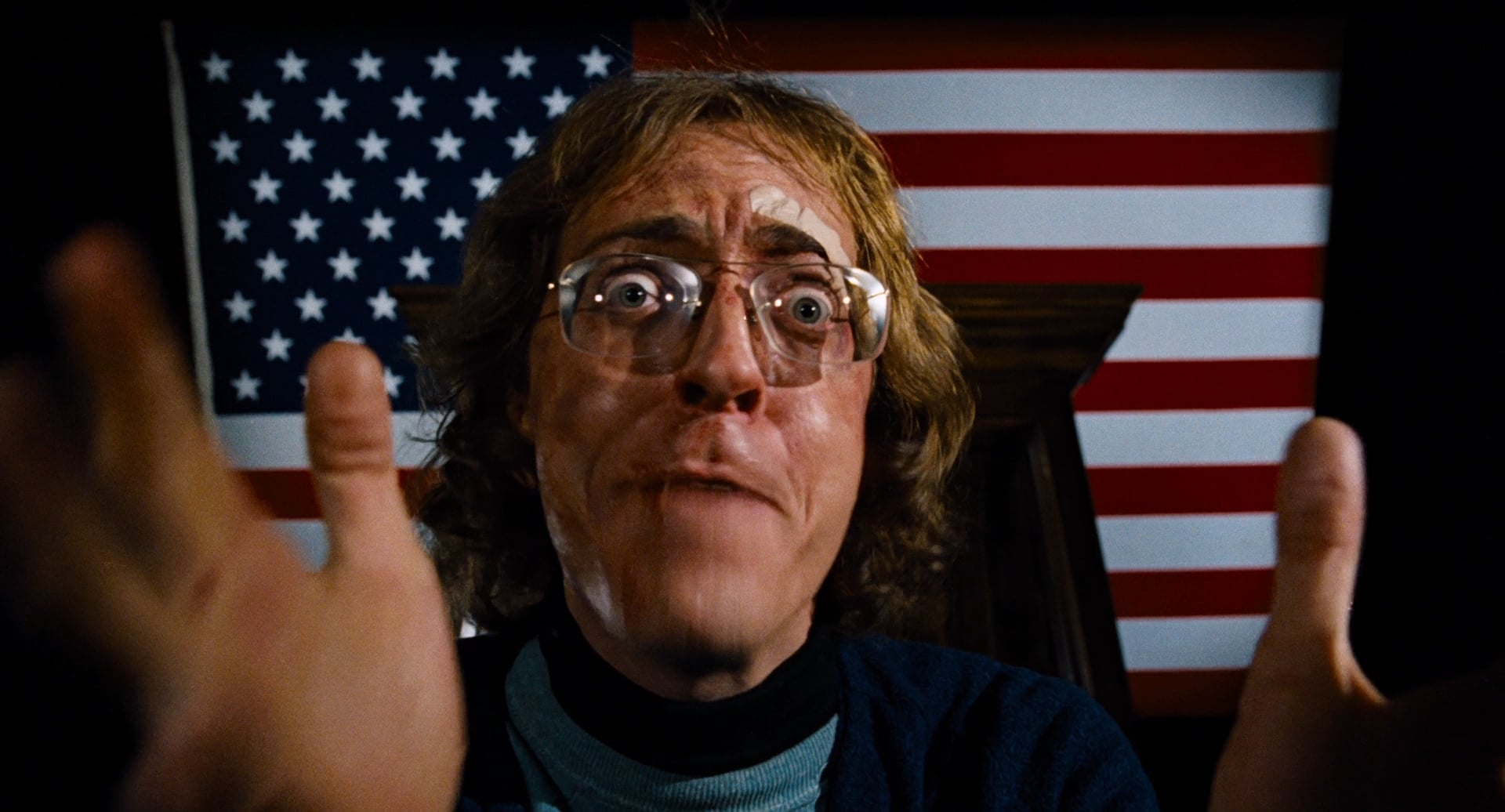
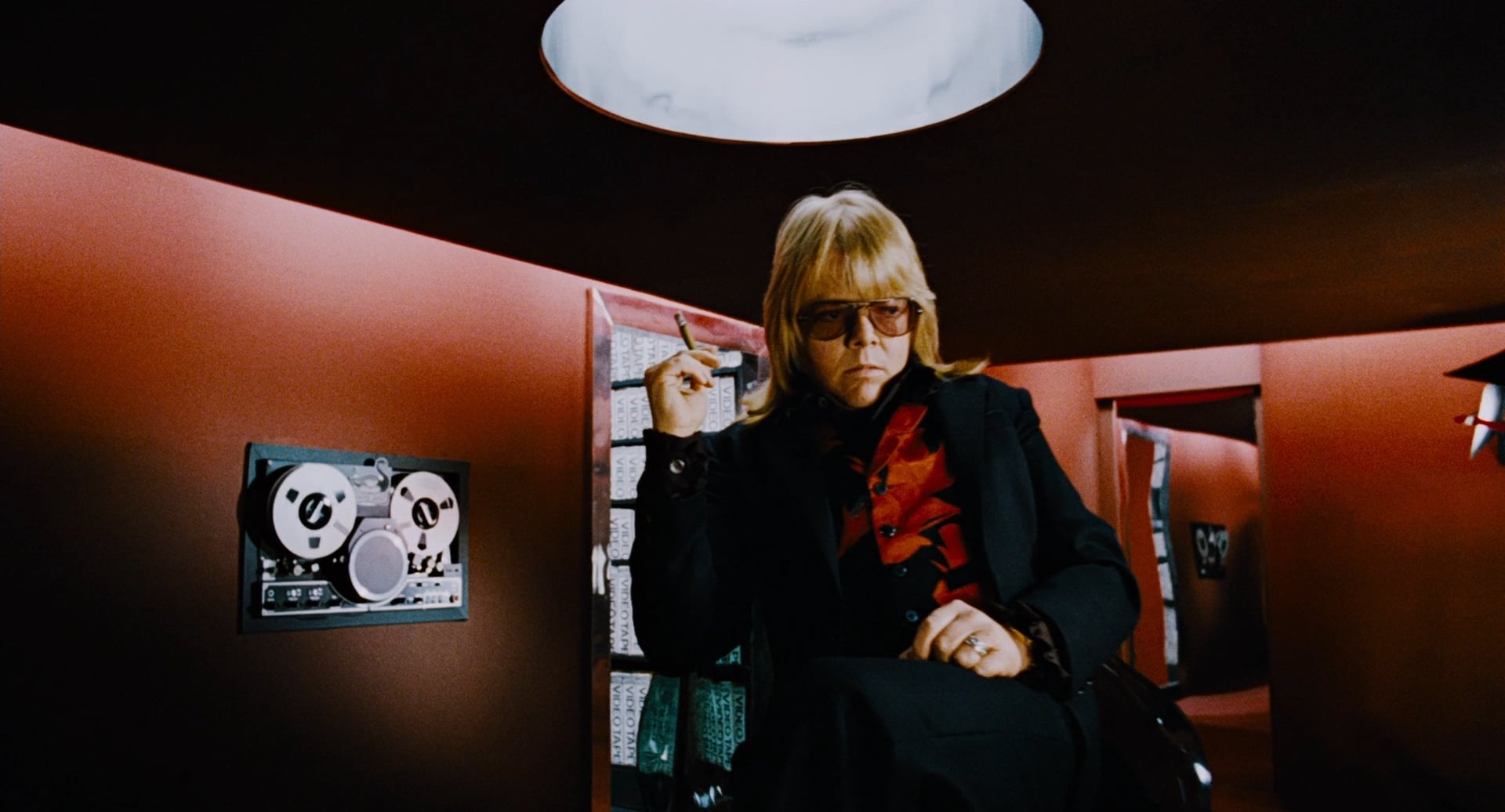
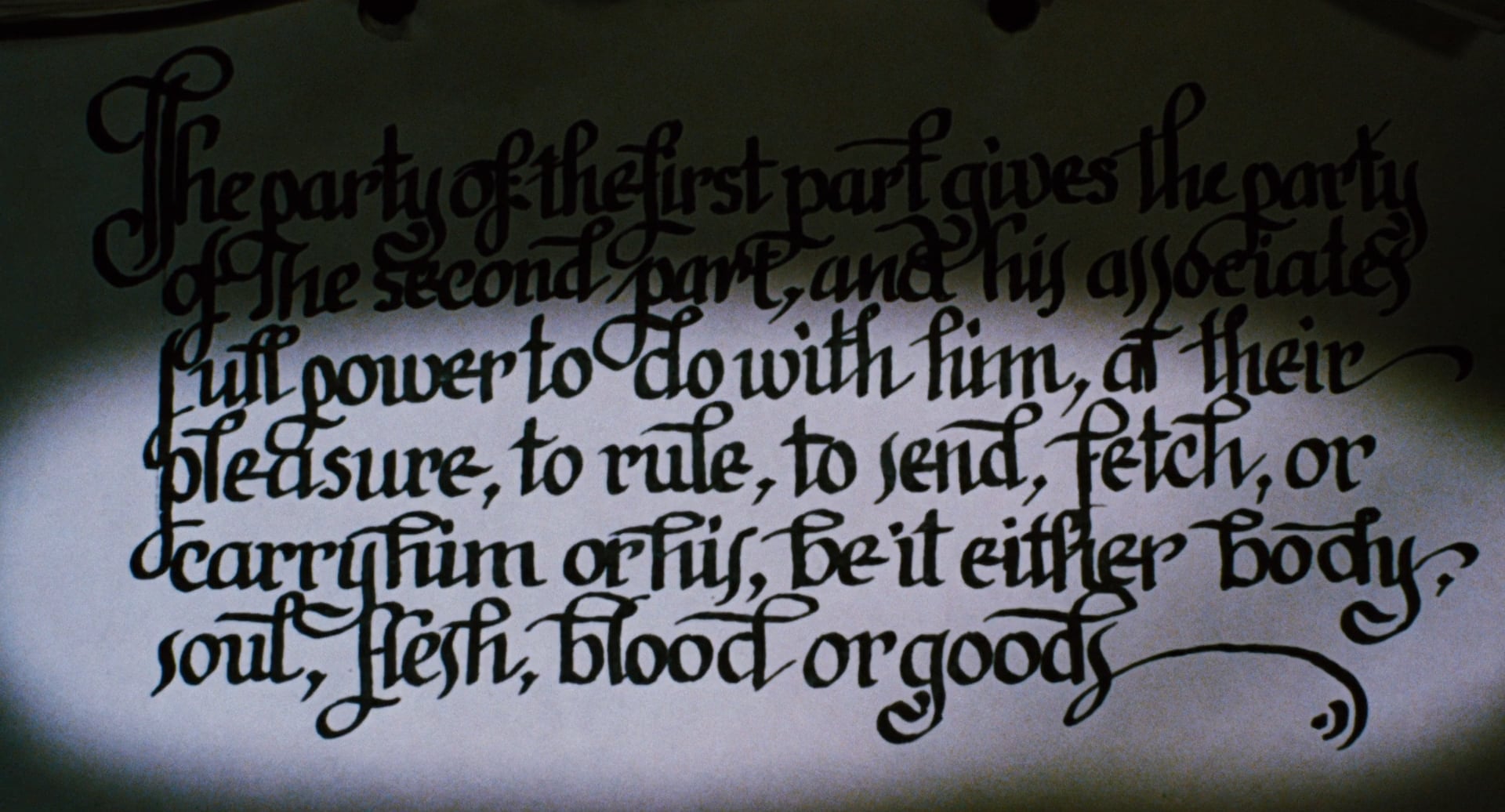
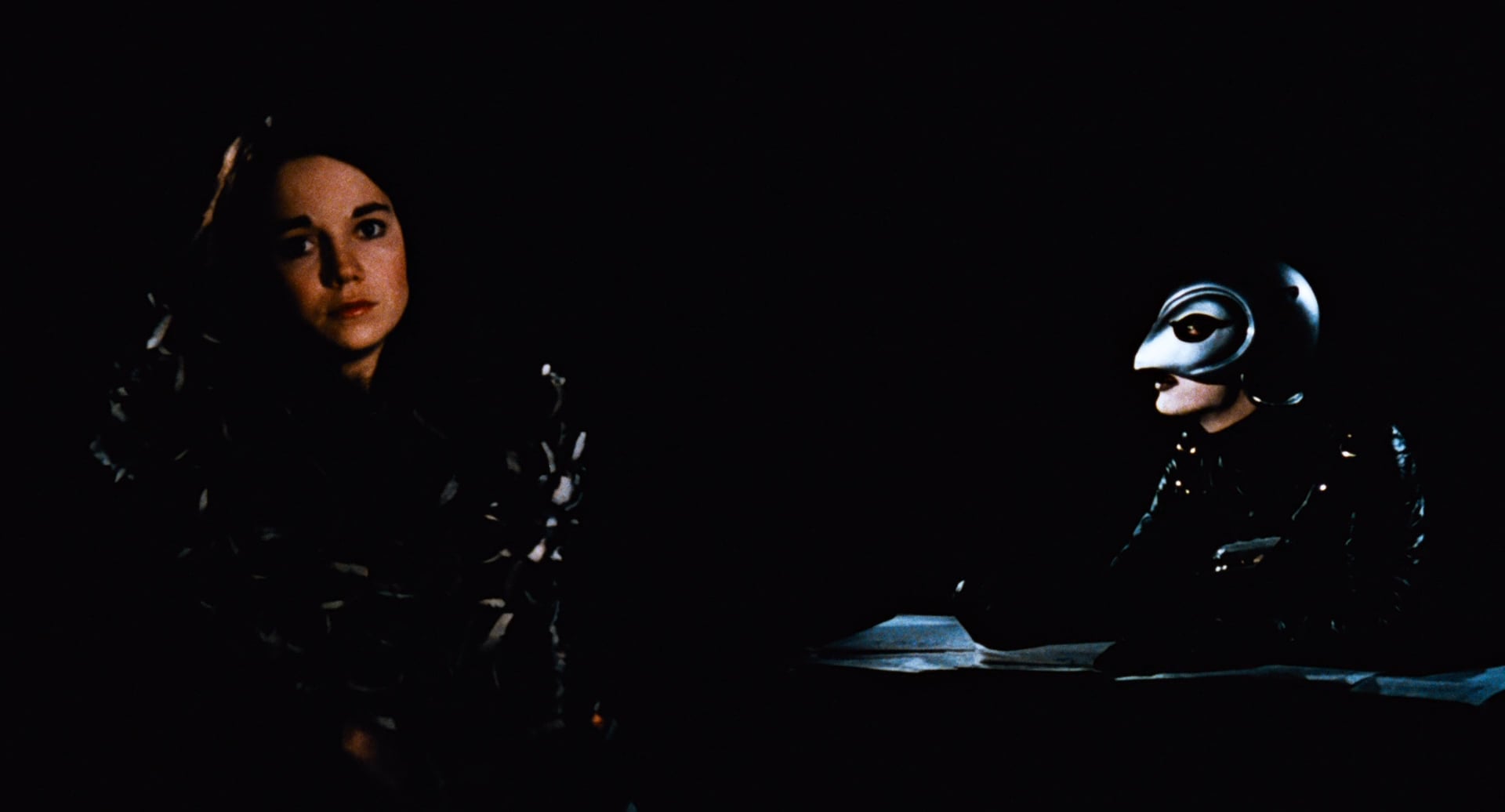
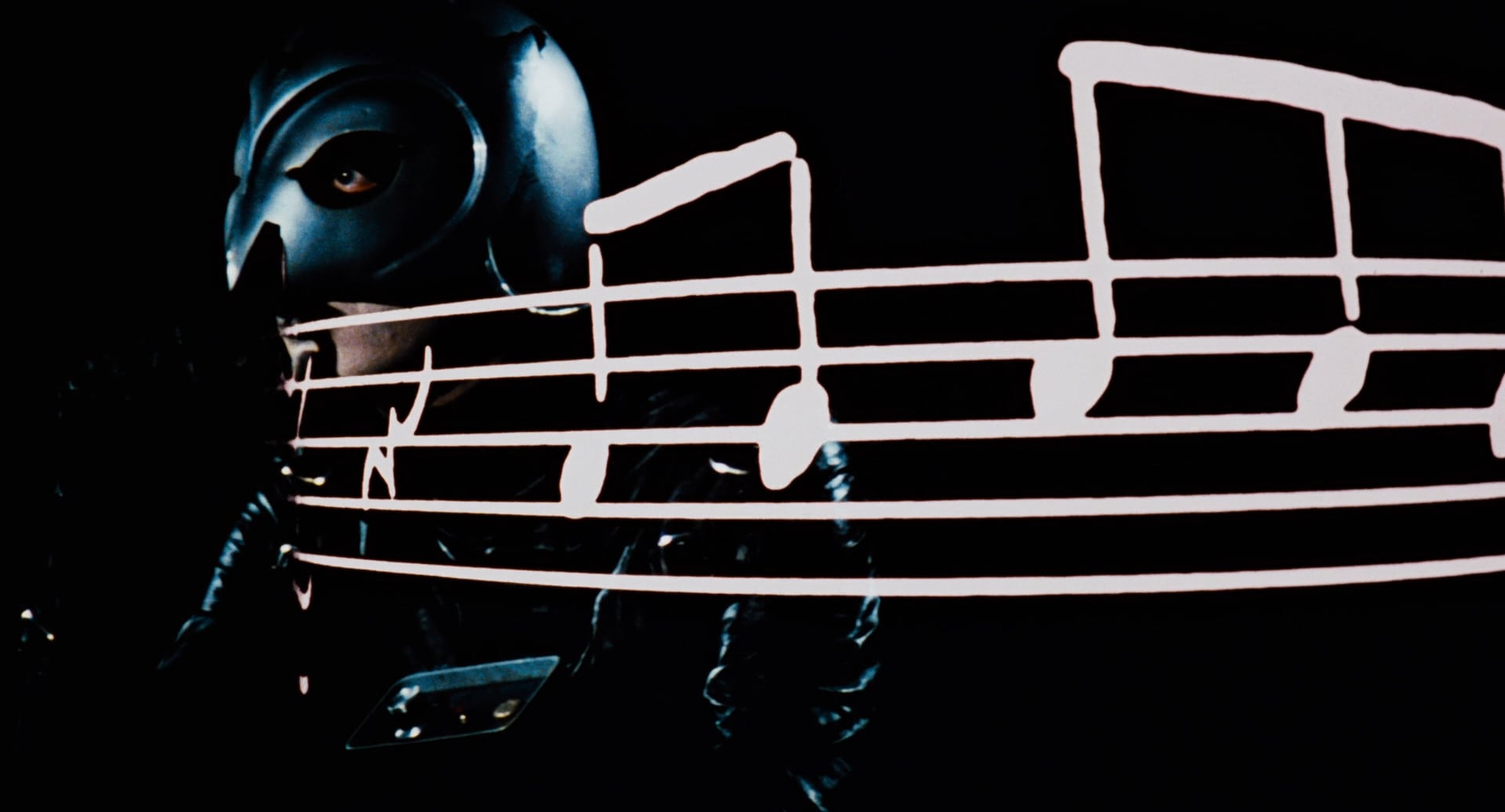
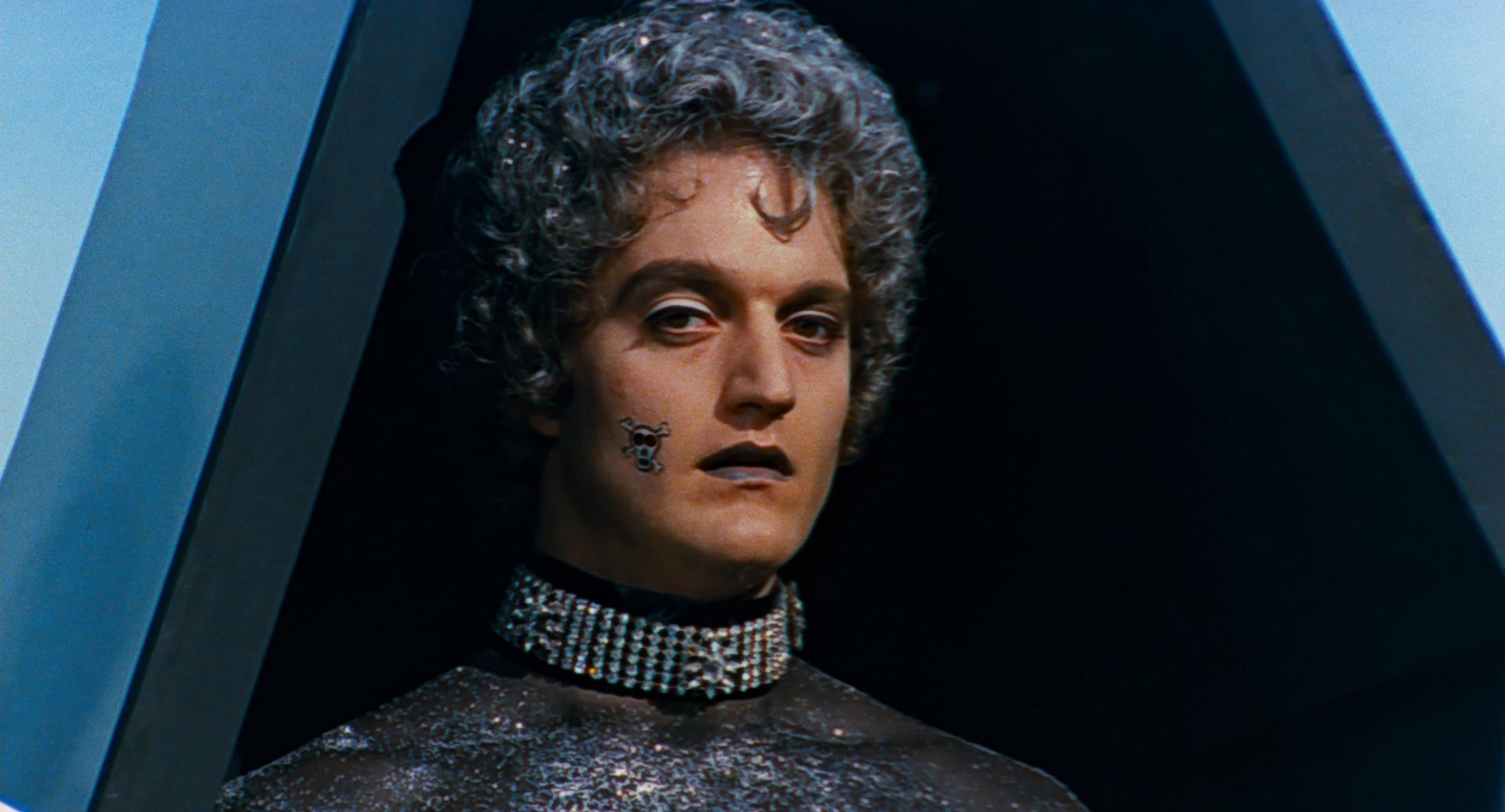
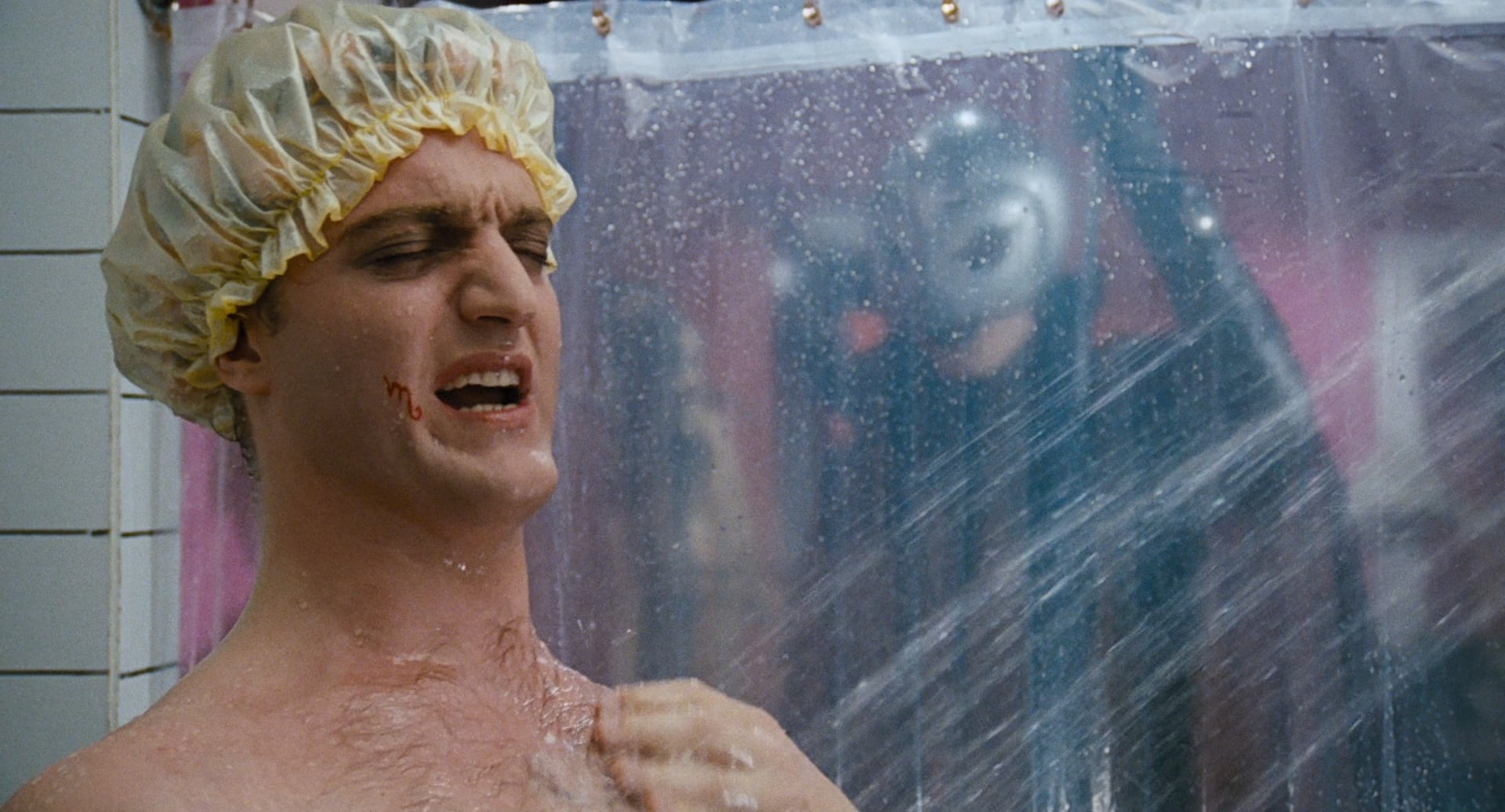
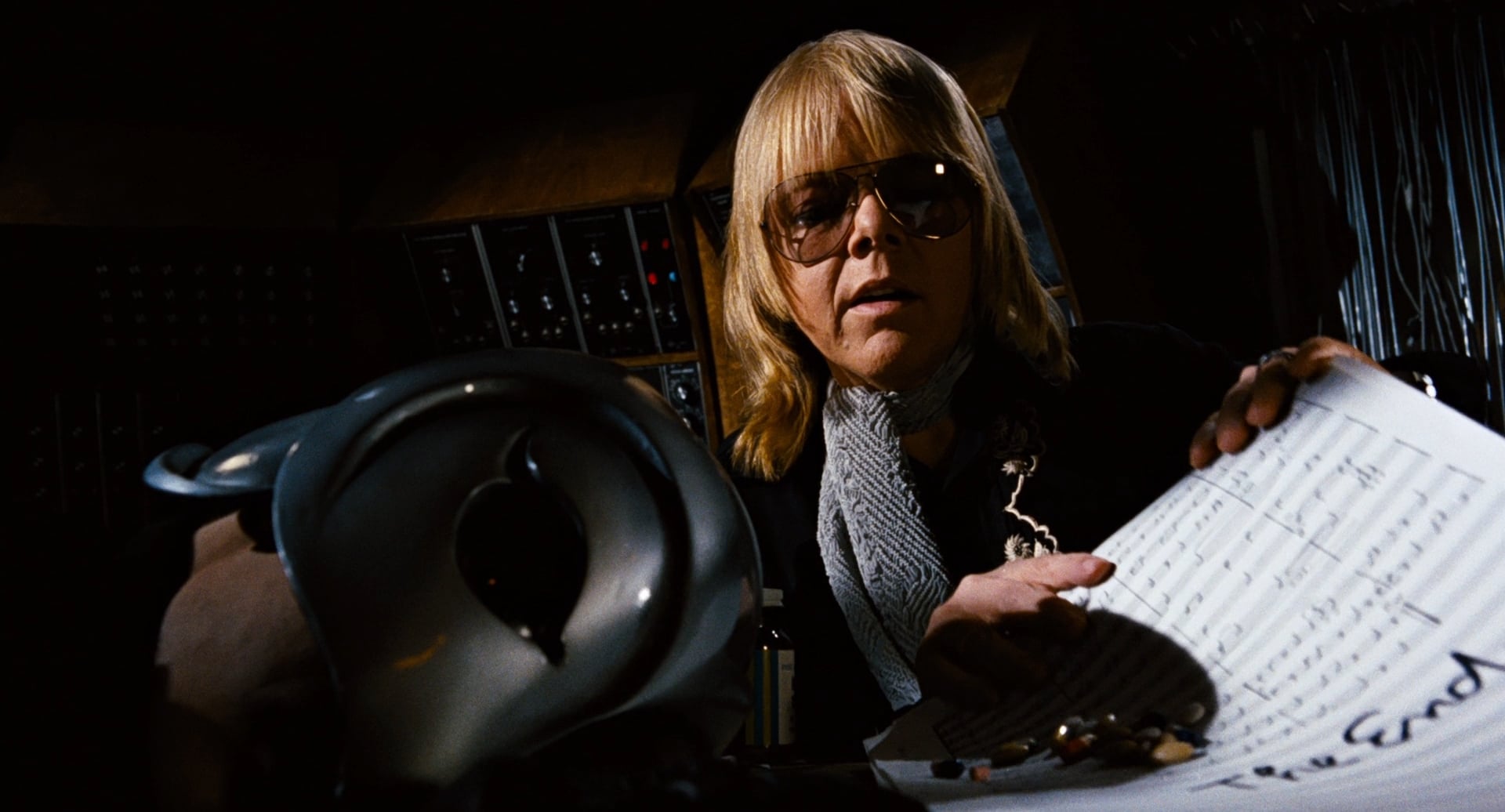
Still, even when Swan dupes the Phantom in the film’s second act for laughs, Phantom of the Paradise never lets its infectious hilarity distract from how distressing its tale is. Despite the melodrama of Phantom of the Paradise‘s story, it digs into the timeless frustration of artists being exploited for their work, yet still giving more than they can for the addictive high of superstardom. Beyond stealing Leach’s music, face, and voice, and putting him under a lifelong contract, Swan’s also a music mogul who delights in exploiting women like the Phantom’s muse, Phoenix (Jessica Harper). He’s a real piece of shit, and the film uses him as a vehicle for the sweetest cinematic catharsis I’ve ever seen. It also doesn’t hurt that, amid all the gothic horror and dark comedy, Phantom of the Paradise has a handful of musical breaks that absolutely rule.
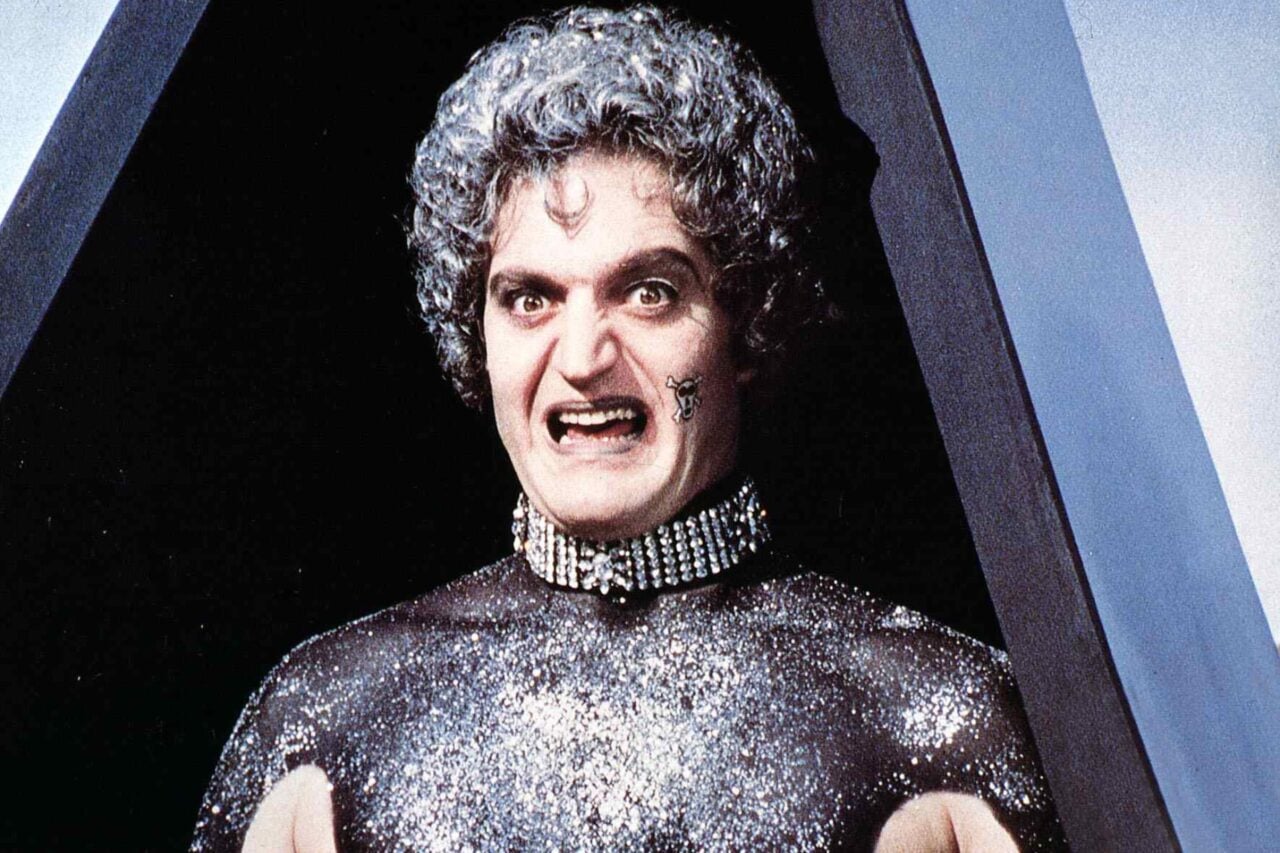
As a tight 90-minute movie, Phantom of the Paradise would feel downright mean-spirited without its balance of outlandishly camp musical numbers and gags that keep things light. Amid the film’s whirlwind of ablaze performance stages, the late Gerrit Graham steals the show as the flamboyant musician Beef. No words can truly encapsulate how magnetic Graham’s larger-than-life stage presence is. You have to see it for yourself.
Even if musicals aren’t your thing, Phantom of the Paradise‘s brand of musical doesn’t see its cast sing-songily pontificating about their feelings. The film’s musical numbers simply have Finley and Graham sing diegetically as part of their performances, which, again, rule. It’s a wonder that Phantom of the Paradise isn’t in the Criterion Collection yet.
@ribbitribbitfilms phantom of the paradise x dracula – tame impala #film #edit #phantomoftheparadise #tameimpala #dracula
Like high schoolers invariably having a Nirvana phase, newer generations of young cinephiles, myself included, have rediscovered Phantom of the Paradise and collectively balked at how incredible the filmmaking is. I wouldn’t have discovered the film if not for a stylish TikTok music video for Phantom of the Paradise that made me seek it out immediately. Admittedly, I was vexed by the Phantom’s mask, which reminded me of Femto‘s mask in the seminal seinen anime, Berserk. I have the Phantom to thank for giving me a reason not to recoil whenever I see a bird-beaked mask. While I don’t necessarily see the film as a deep-pull hidden gem like folks on TikTok, I nonetheless enjoyed the age of rediscovery the brain-rotting app’s algorithm has wrought, bringing old cinema like Phantom of the Paradise back into the zeitgeist of today. It’s a timeless cult classic that deserves to bask in the limelight.
You can rent Phantom of the Paradise on YouTube, Apple TV, and Prime Video.
Want more io9 news? Check out the best movies and TV shows to stream this month and all the upcoming sci-fi, fantasy, and horror books that should be on your radar.