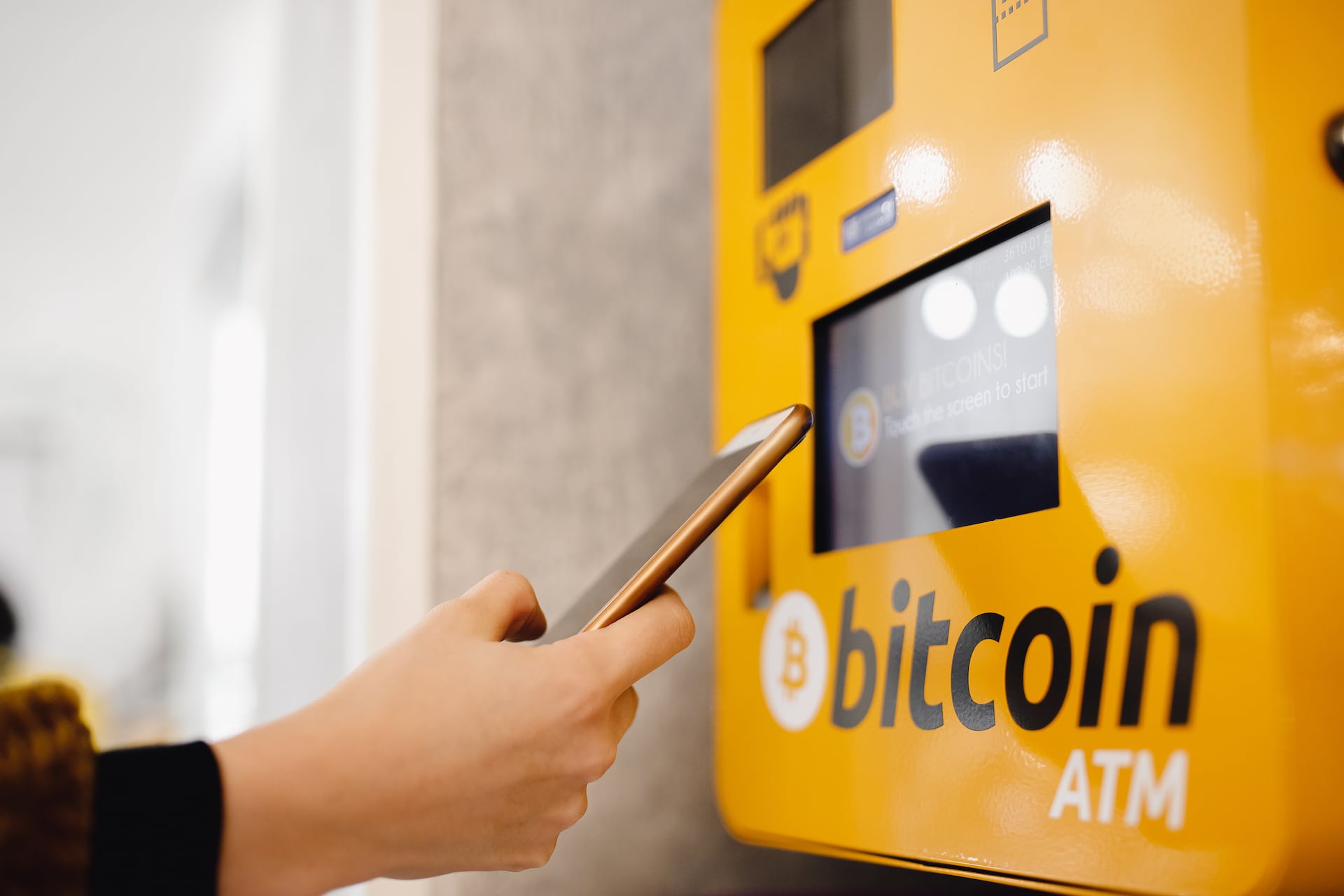
Bitcoin Depot, once the largest network of crypto ATMs in North America, is calling it quits following mounting legal scrutiny and a state-by-state crackdown on Bitcoin teller machines (BTMs) over fraud concerns.
The company, which operated kiosks where customers could exchange cash for Bitcoin, announced Monday that it has filed for Chapter 11 bankruptcy and is winding down its operations. It operated 9,276 kiosks across the U.S., Canada, and Australia.
In a press release, the company said its network of ATMs has already been taken offline and that it plans to sell its assets through a court-supervised process.
Bitcoin Depot CEO Alex Holmes said in the press release that the current regulatory environment had made the company’s business model unsustainable.
The news arrives as Bitcoin Depot is facing lawsuits from the attorneys general in Massachusetts and Iowa over allegations that it helped facilitate crypto scams.
“With this lawsuit, we’re alleging that instead of handling consumers’ money in good faith, Bitcoin Depot used misleading sales tactics to overcharge its customers and knowingly facilitated crypto scams that robbed Massachusetts consumers of more than $10 million dollars – all while removing safeguards against fraud and misleading investors in order to line their own pockets,” Massachusetts Attorney General Andrea Campbell said in a press release in February.
The Massachusetts lawsuit alleges that Bitcoin Depot knew about high levels of scam activity on its machines and removed safeguards like asking customers questions before they made large transactions.
Additionally, when customers who were scammed into depositing cash into scammers’ accounts contacted the company, Bitcoin Depot allegedly often told them there was nothing it could do.
The lawsuits are part of a broader crackdown on crypto ATMs. According to FBI data, there were 13,460 crypto ATM and kiosk fraud complaints last year, accounting for $389 million in losses.
Other states have already taken action against crypto ATMs, including Indiana, Minnesota, and Tennessee, which have issued statewide bans. Dozens of other states have also passed laws regulating these machines.
Bitcoin Depot did not immediately respond to a request for comment from Gizmodo. However, Holmes said in Monday’s press release that the company had taken steps to strengthen its protocols to fight fraud.
He listed enhanced identity verification, customer fraud warnings, and lower transaction limits as examples.
Holmes also complained about regulations, but he stuck to specifically criticizing states rather than the crypto-friendly administration of Donald Trump. “States have imposed increasingly stringent compliance obligations, including new transaction limits, and in some jurisdictions, outright restrictions or bans on BTM operations; and operators have faced increasing litigation and regulatory enforcement,” he wrote.
It seems all of that has taken a major toll on the company’s bottom line.
CoinDesk reported that Bitcoin Depot’s preliminary first-quarter earnings reported a 49% drop in revenue from the previous year.