Most people alive today possess a small amount of Neanderthal DNA—a biological relic from tens of thousands of years ago, when Homo sapiens coexisted with our closest evolutionary cousins. A new study suggests their lives were even more intertwined than experts thought.
The findings, published Monday in the journal Proceedings of the National Academy of Sciences, show that Neanderthals and H. sapiens may have shared a common culture for more than 20,000 years. The evidence comes from Üçağızlı II Cave in southern Türkiye, which harbored human fossils, animal and plant remains, stone tools, and other objects that suggest individuals from both species not only occupied the cave simultaneously but also shared technologies, survival strategies, and the use of decorative or non-practical objects.
“Our findings indicate a deep level of cultural interaction,” co-author Naoki Morimoto, a paleoanthropologist at Kyoto University, said in a statement. “These two distinct but closely related human groups were not just adapting to the same environment: They were probably sharing symbolic preferences.”
Not so different after all
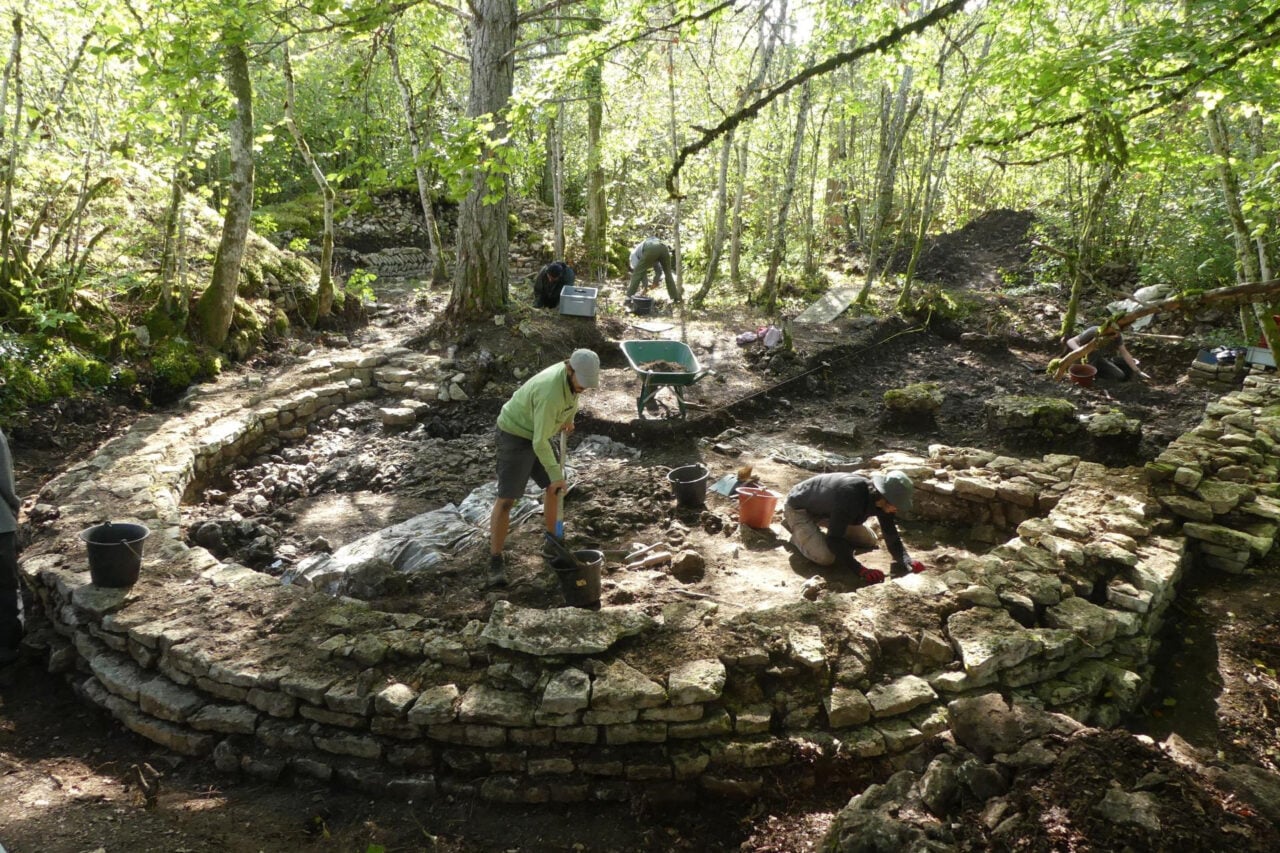
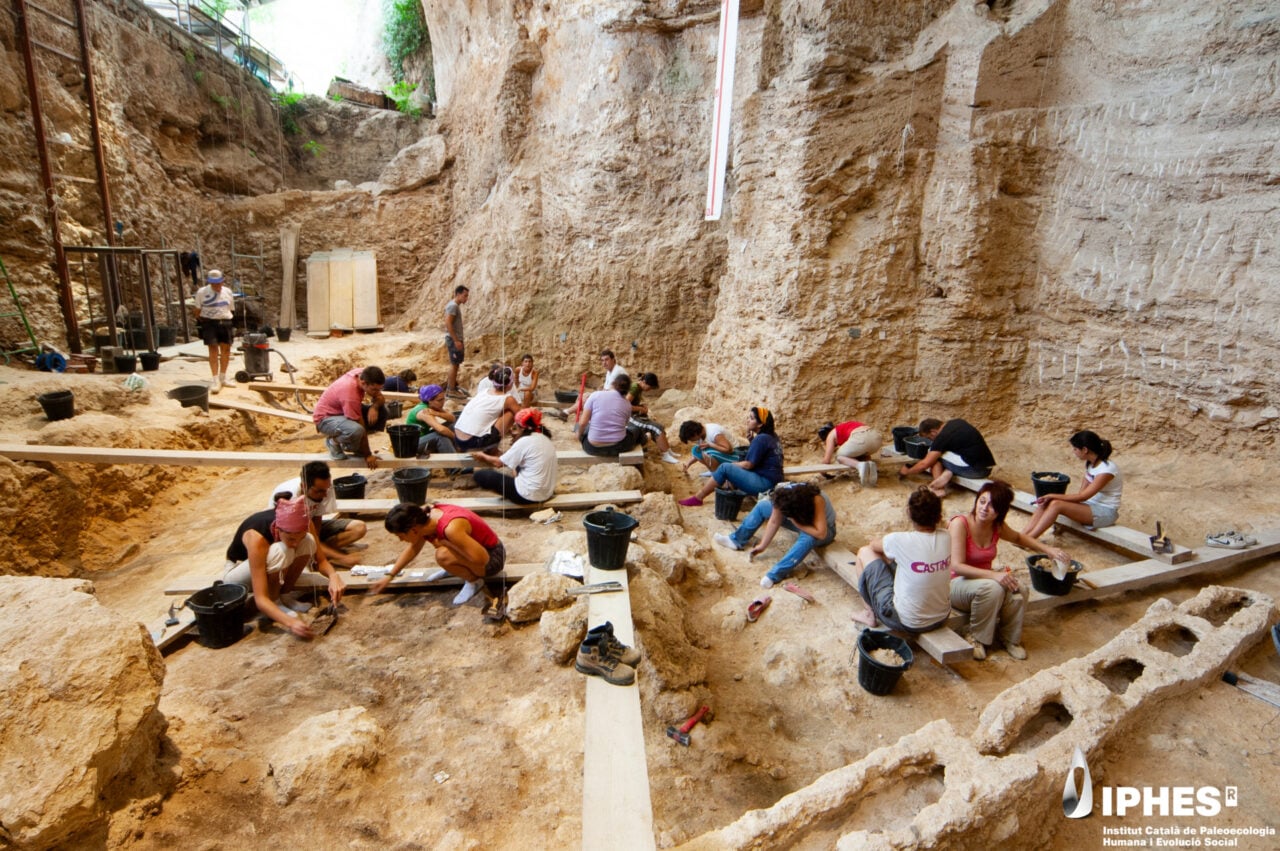
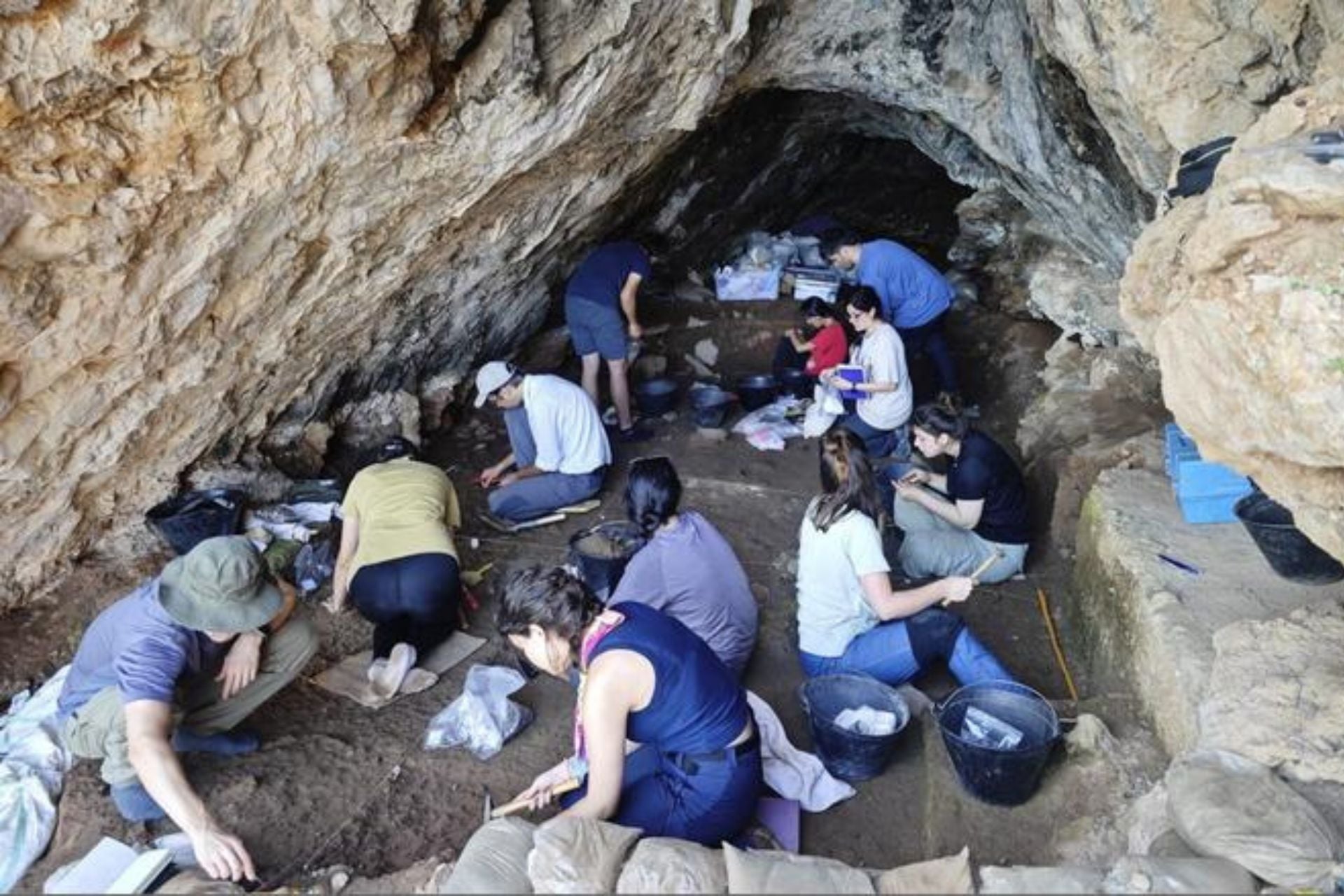
Morimoto was part of an international team of researchers who spent five years meticulously excavating Üçağızlı II Cave in search of human fossils dating back to the Out of Africa migrations. Between 70,000 and 50,000 years ago, H. sapiens expanded beyond Africa in a series of wave-like migrations, spreading through the Middle East into Europe, Asia, Australia, and eventually the Americas.
H. sapiens lived alongside Neanderthals and interbred with them for thousands of years after arriving in Eurasia, but the extent to which they shared culture has long been unclear. Cave excavations in Mandarin, France, suggested that H. sapiens and Neanderthals alternately occupied the area in distinct phases, but the researchers found no evidence of cultural exchange between them. However, recent findings from the Tinshemet Cave in Israel revealed signs of shared behavior between the two species tens of thousands of years earlier.
At the cave site in southern Türkiye, Morimoto and her colleagues found more evidence to support the existence of a common culture. They determined that Neanderthals had lived in the cave between about 77,000 and 59,000 years ago, while H. sapiens had dwelled there between roughly 59,000 and 47,000 years ago. The cave layers dating back to each of these periods revealed similar hunting-gathering strategies and stone tools, pointing to shared practices.
The researchers also found that both Neanderthals and modern humans selectively collected a specific type of mollusk shell that had virtually no value as food. Previously, experts had associated these shells exclusively with H. sapiens, but this newfound shared preference for a non-utilitarian, potentially symbolic object underscores a potential cultural exchange.
Cultural mixing amid migration
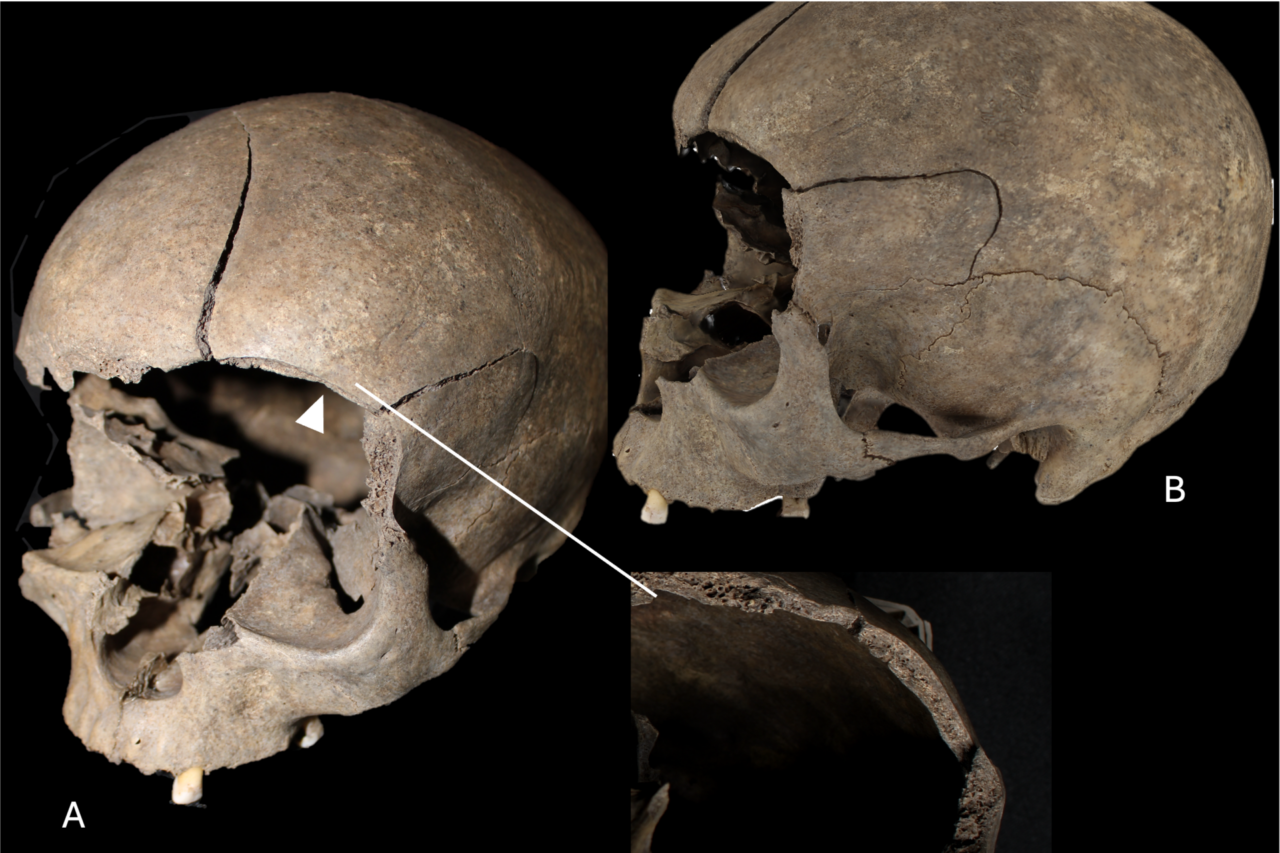
The modern human fossils uncovered at Üçağızlı II Cave are between 50,000 and 60,000 years old, placing them within the broader timeframe of the Out of Africa migration. This presents two possibilities: either the individuals were close relatives of the ancestral population that gave rise to all non-African humans today, or they belonged to an earlier, previously unknown wave of modern humans that ventured into the Levant.