Some modern humans share a genetic variant with extinct human relatives called Denisovans. New research, however, suggests our archaic cousins may have been the conduit for genetic material from another, surprising species.
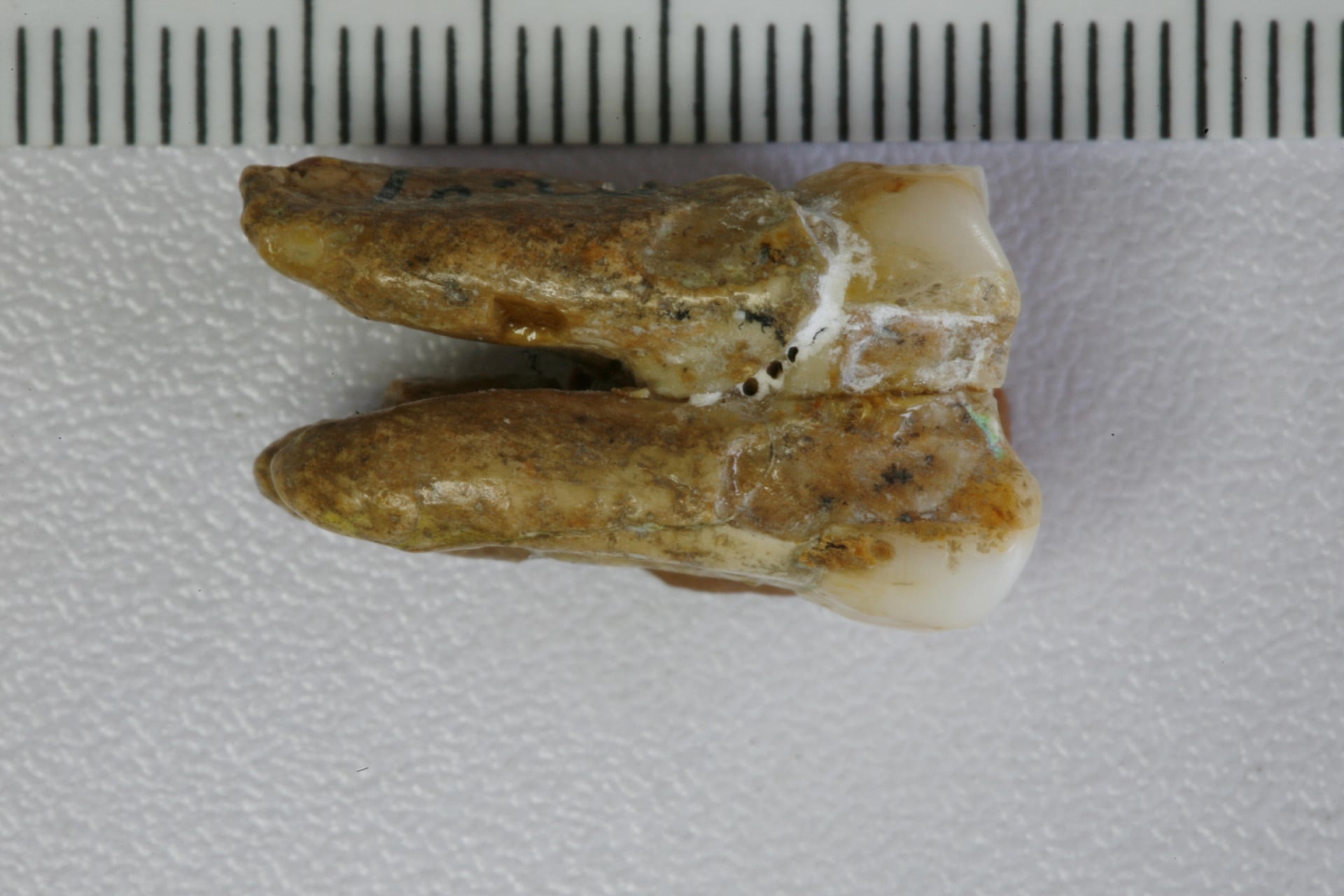
In a study published today in the journal Nature, researchers extracted enamel proteins from the teeth of six Homo erectus individuals. They found two amino acid (the building blocks of proteins) variants in all six teeth, including one that researchers know also existed in Denisovans and exists today in some modern humans. Simply put, the study indicates that H. erectus hanky-pankied with Denisovans, who hanky-pankied with Homo sapiens, and here we are now.
Three human species
Katerina Harvati-Papatheodorou, director of paleoanthropology at the Eberhard Karls University of Tübingen who was not involved in the study, tells Gizmodo that the study is “very exciting” and “sheds important light on relationships between H. erectus and Denisovans,” which have been hard to evaluate. “This work helps fill this gap through paleoproteomic analysis,” she added. Paleoproteomics is the study of ancient proteins. “Although these data are based only on a few amino acid variants, they bring important new information to the discussion of human evolution in Asia, and to the importance of interbreeding across hominin lineage.”
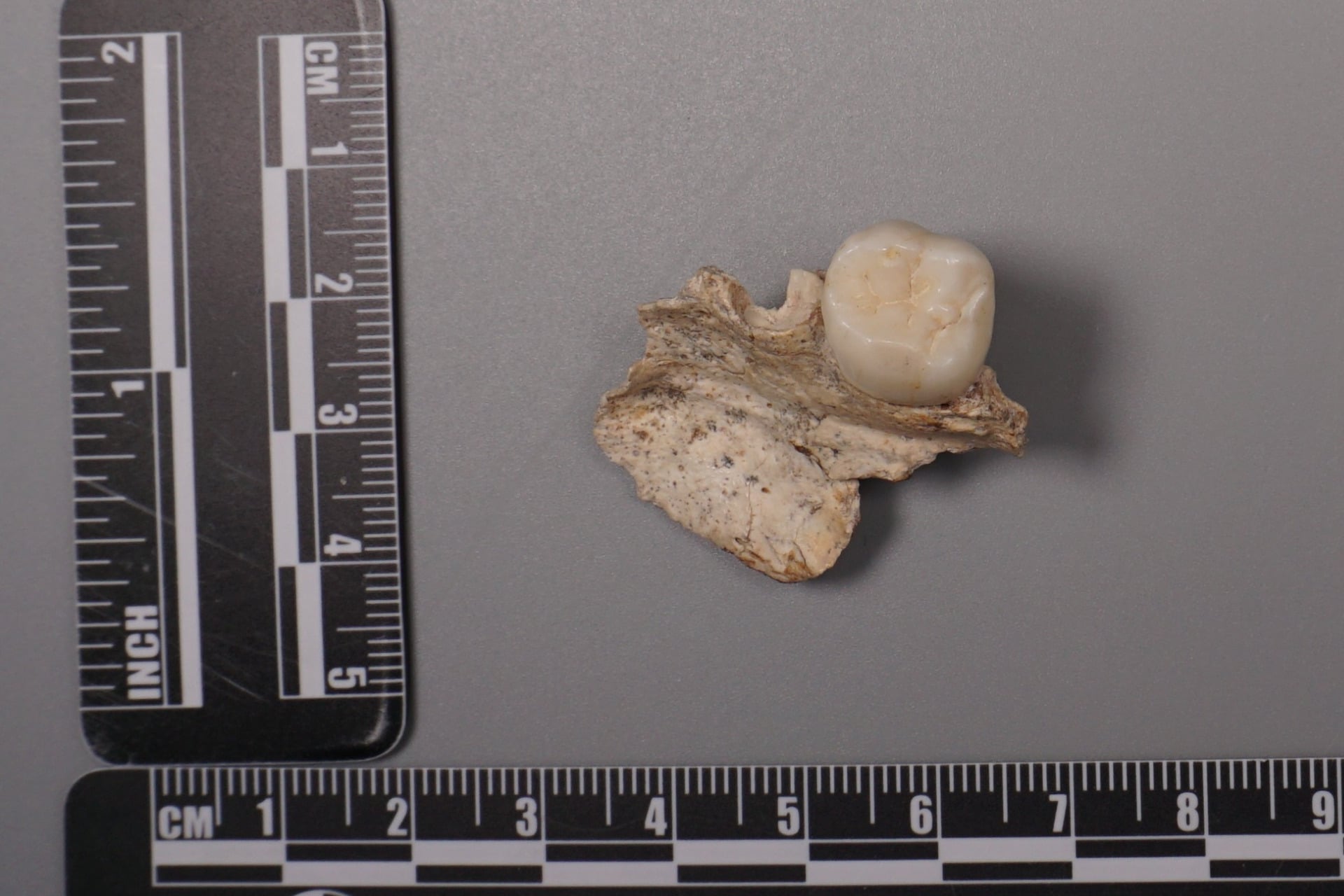
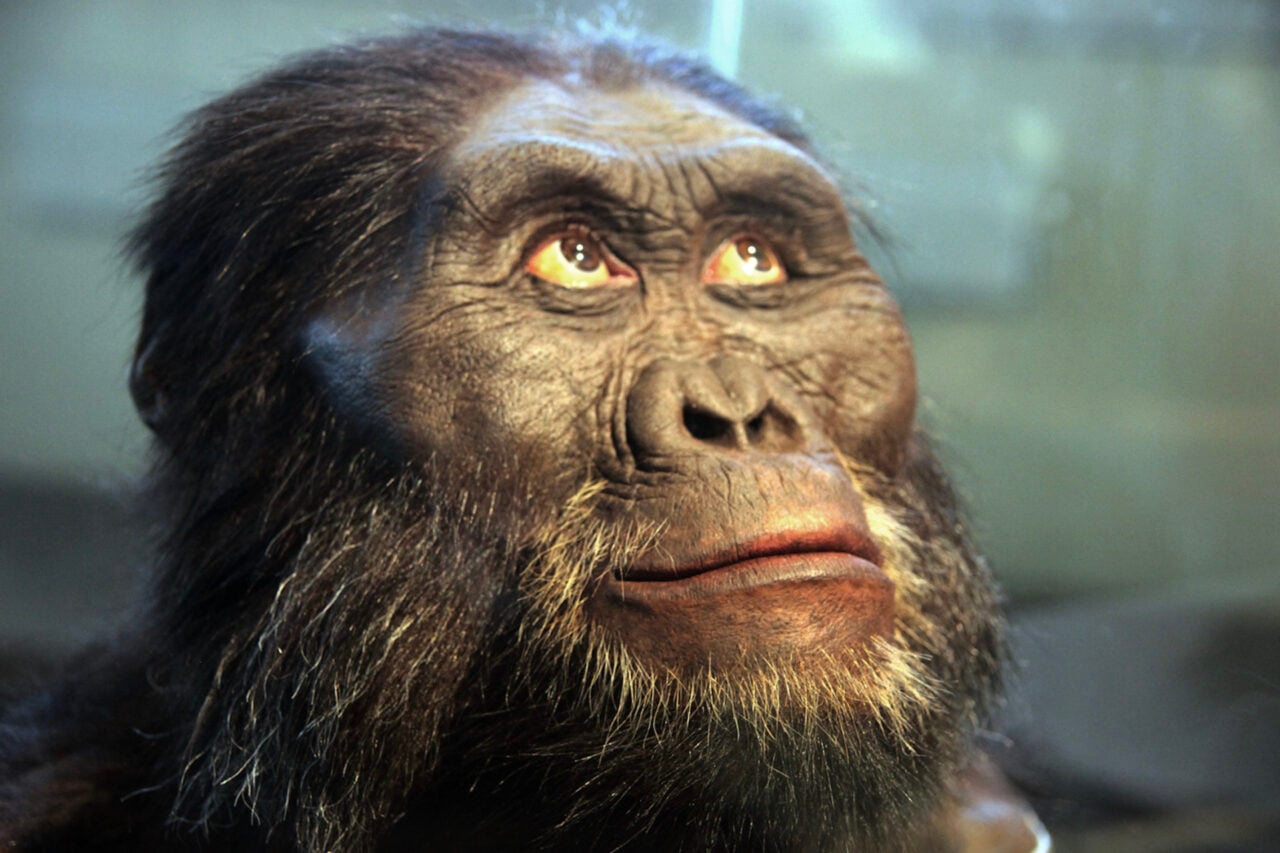
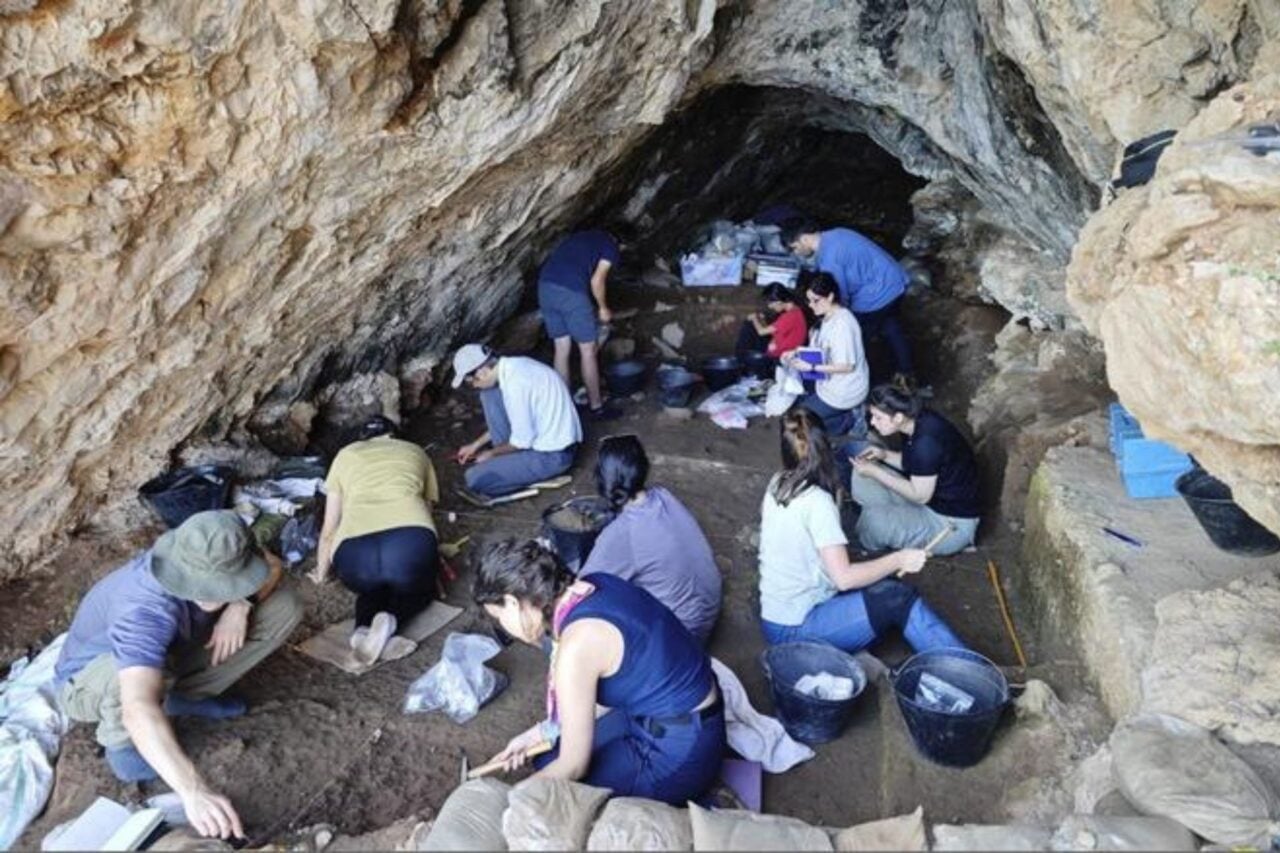
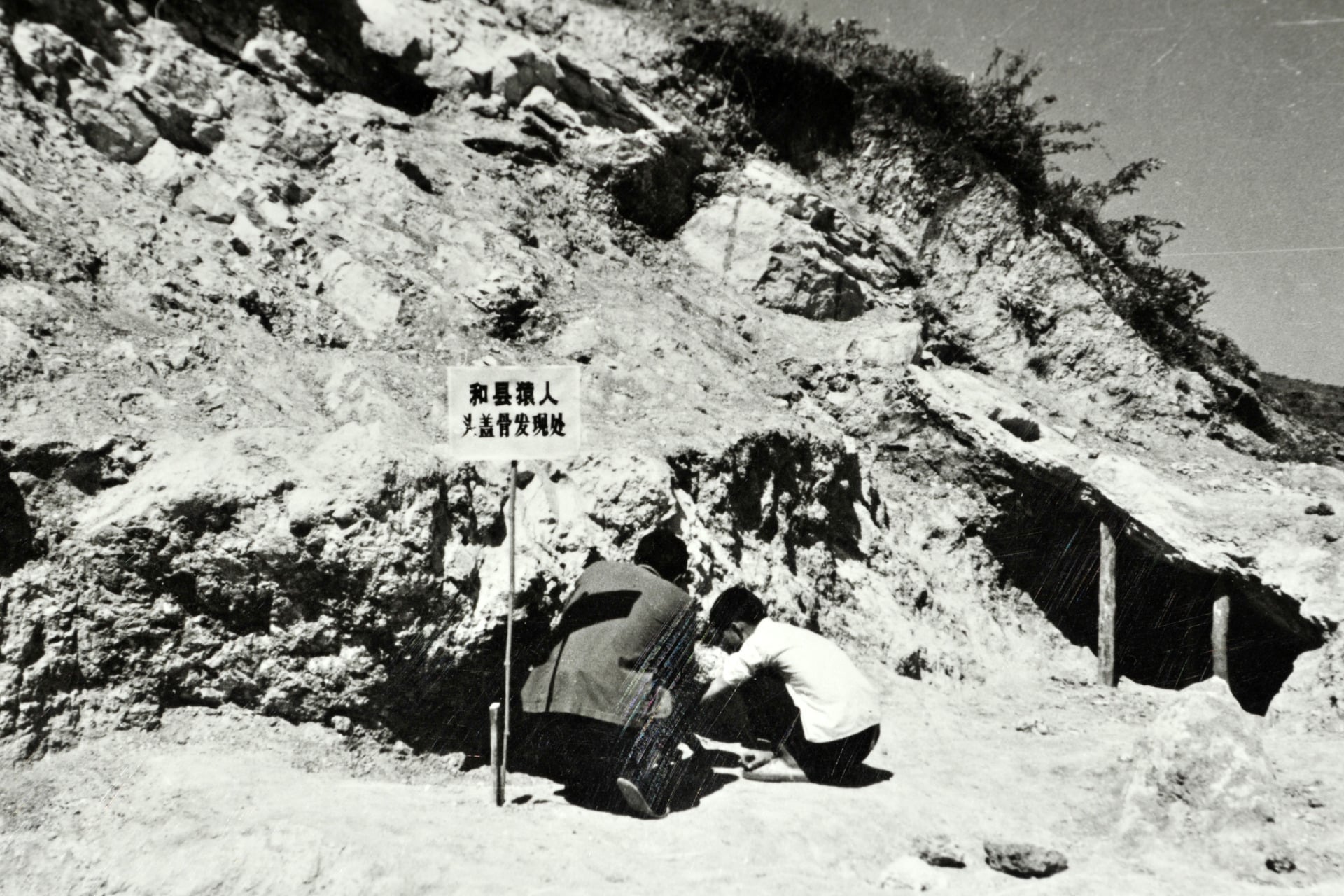
H. erectus was present in Africa, Eurasia, and Southeast Asia (at least—those are just where they’ve been found) and lived between around 1.89 million and 110,000 years ago. It was the first Homo species to propagate from Africa to Eurasia and Southeast Asia, existing for an exceptionally long stretch prior to the emergence of H. sapiens. The H. erectus individuals whose teeth were investigated in this study consist of five males and one female who lived in modern-day China around 400,000 years ago. Their fossils were recovered from three different sites in East Asia: Zhoukoudian, Hexian, and Sunjiadong.
The co-authors of the study, including Qiaomei Fu from the Chinese Academy of Sciences’s Institute of Vertebrate Paleontology and Paleoanthropology, used a micro-destructive sampling strategy (rather than standard, destructive sampling approaches) to extract molecular information from the six teeth without damaging their structure. They found two variants in all six teeth: the previously unknown AMBN(A253G) and the known AMBN(M273V). Researchers haven’t previously seen the variant AMBN(A253G) in humans or primates. On the other hand, researchers have previously seen AMBN(M273V) in some modern humans as well as in Denisovans.
“This variant is likely to originate from populations related to Late Middle Pleistocene H. erectus that interacted with Denisovans during the periods when these groups coexisted in East Asia,” the researchers wrote in the study. The Pleistocene lasted from 1.8 million to around 10,000 years ago. Chris Stringer, a scientific associate at the Natural History Museum, London, who specializes in paleoanthropology, described the study’s results as “very interesting and important.”
Ancient overlap
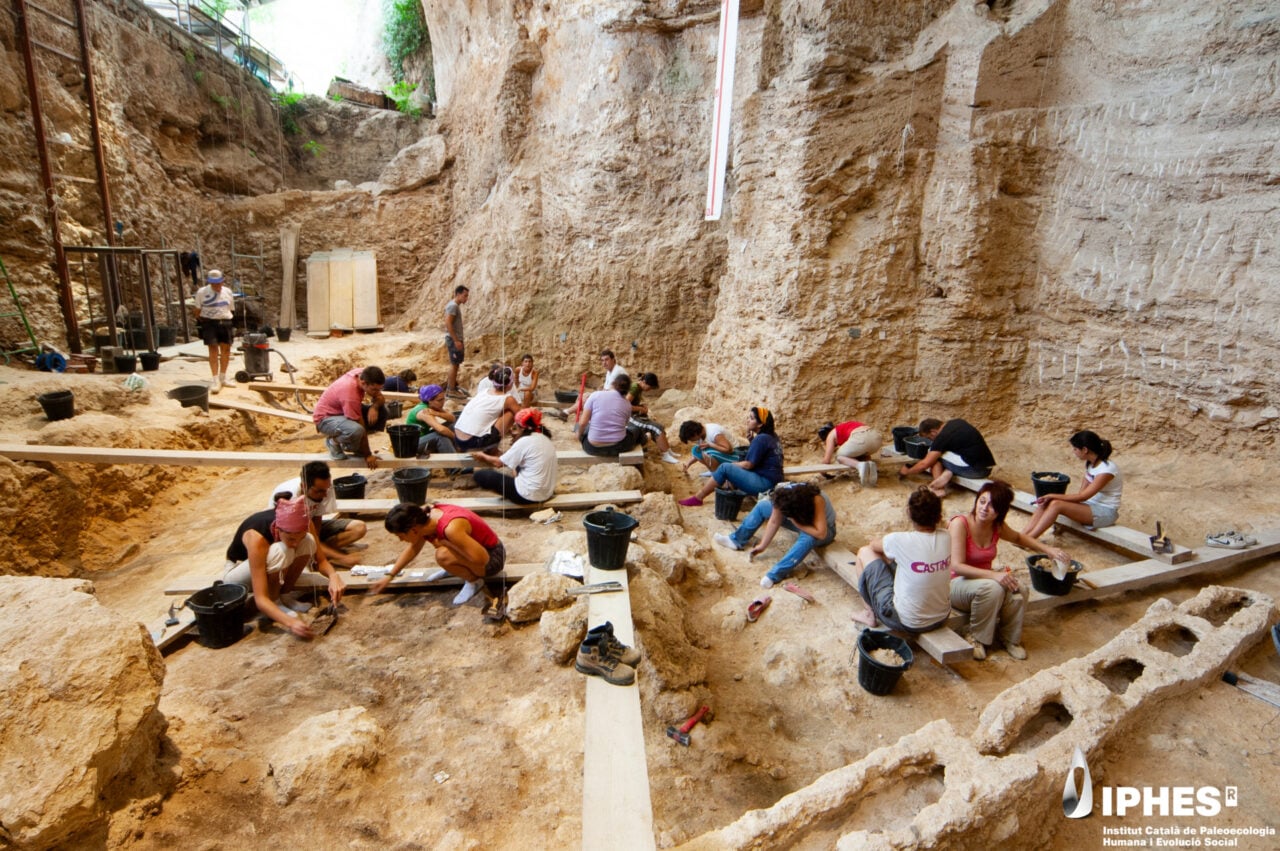
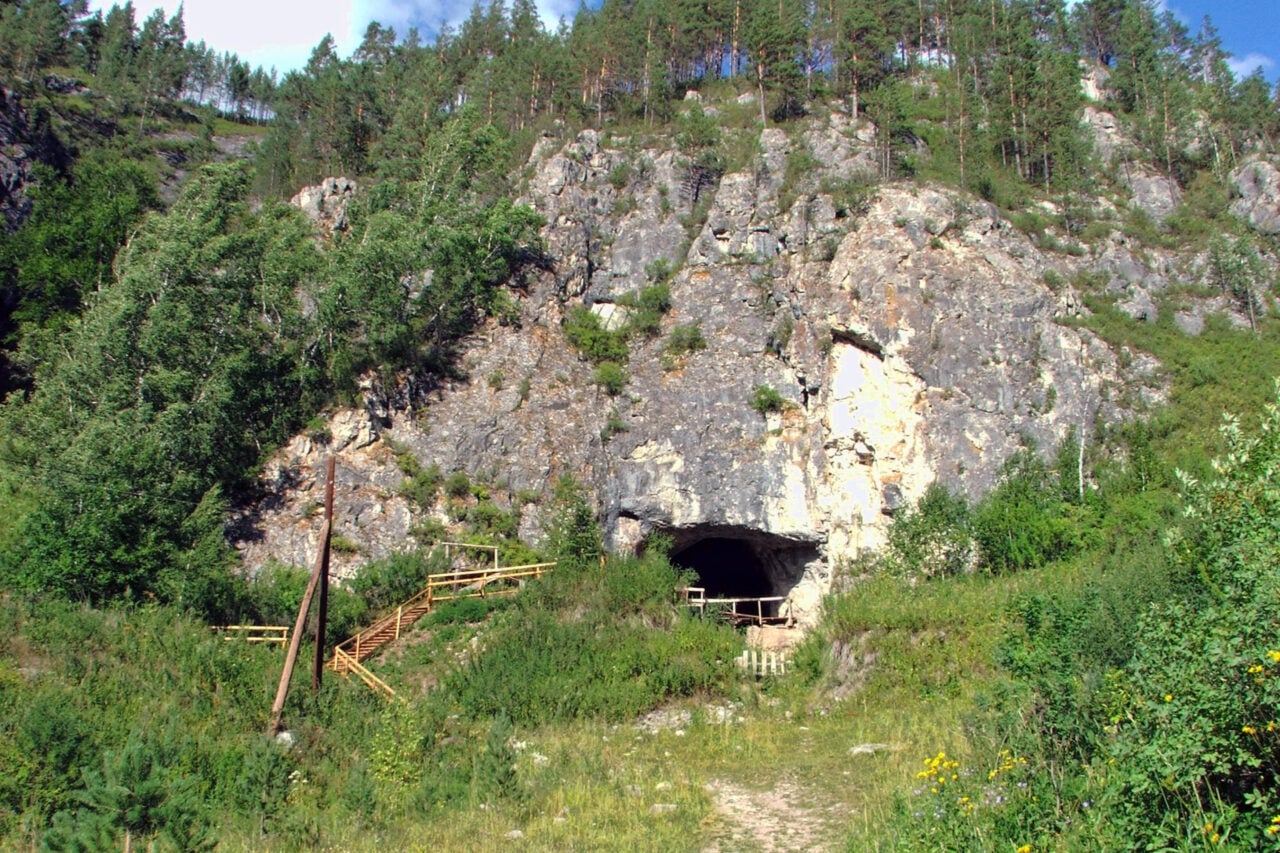
We know very little about Denisovans. All their known fossil remains were discovered in just two locations—Russia’s Denisova Cave, which inspired the ancient human’s name, and China’s Baishiya Karst Cave. Denisovans are considered members of our genus, Homo, but researchers haven’t been able to agree on a formal taxonomic name. Genetic studies suggest they were a sister group to the Neanderthals, with fossil and genetic evidence placing Denisovans in an area spanning from the Altai Mountains into Eastern Asia.
“In China there was probably an overlap of at least 200,000 years between the last erectus populations and the early Denisovan lineage, and a much longer overlap inferred for Island South East Asia, where erectus survived until about 100,000 years ago in Java,” Stringer, who did not participate in the study, explained to Gizmodo. “There was also an overlap between the lineages of Homo longi/Denisovans and Homo sapiens during the last 100,000 years, perhaps down to as recently as 30,000 years ago in some regions,” he continued. “This gave plenty of opportunities for interbreeding to occur between the lineages.”
In other words, variant AMBN(M273V) may have made its way into modern humans via a prehistoric love triangle spanning three species.