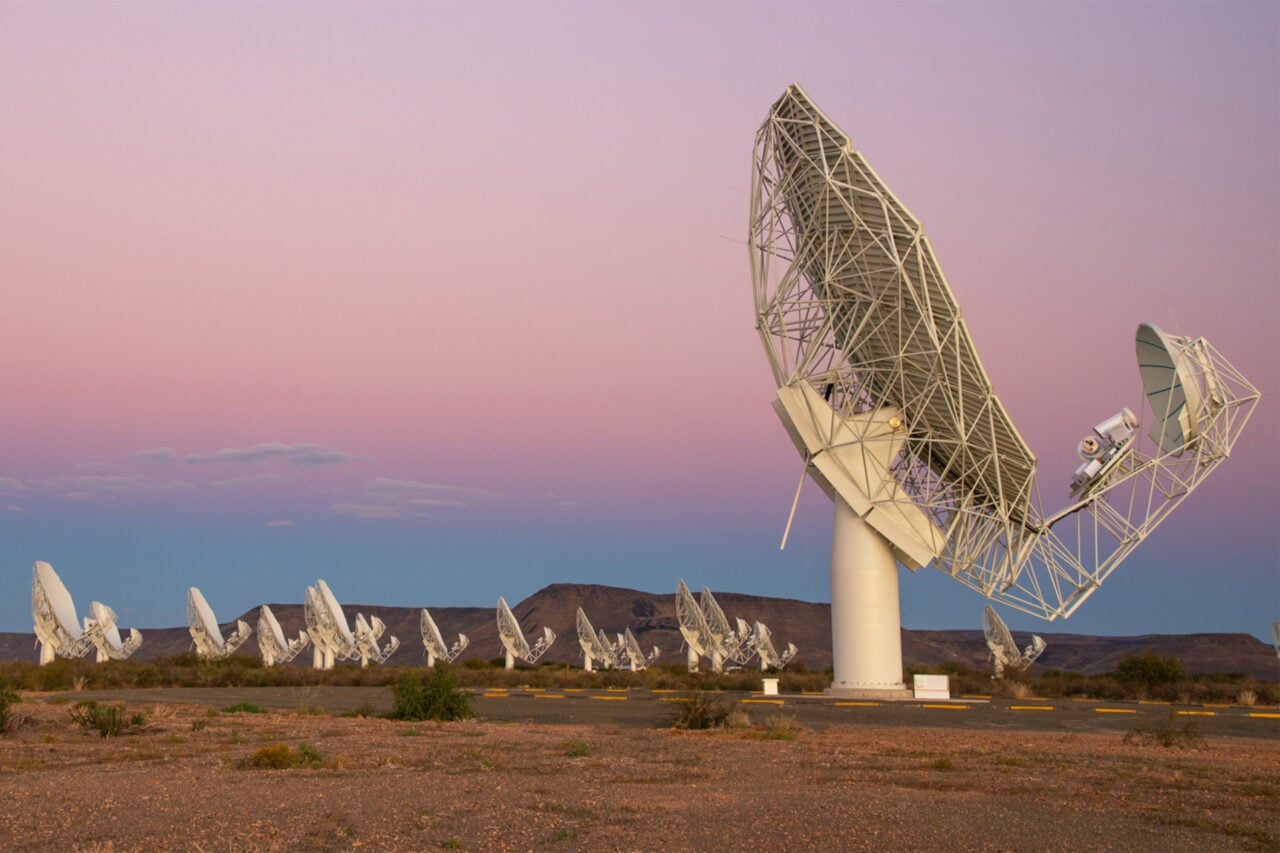
Finding water on the Moon’s sunlit surfaces
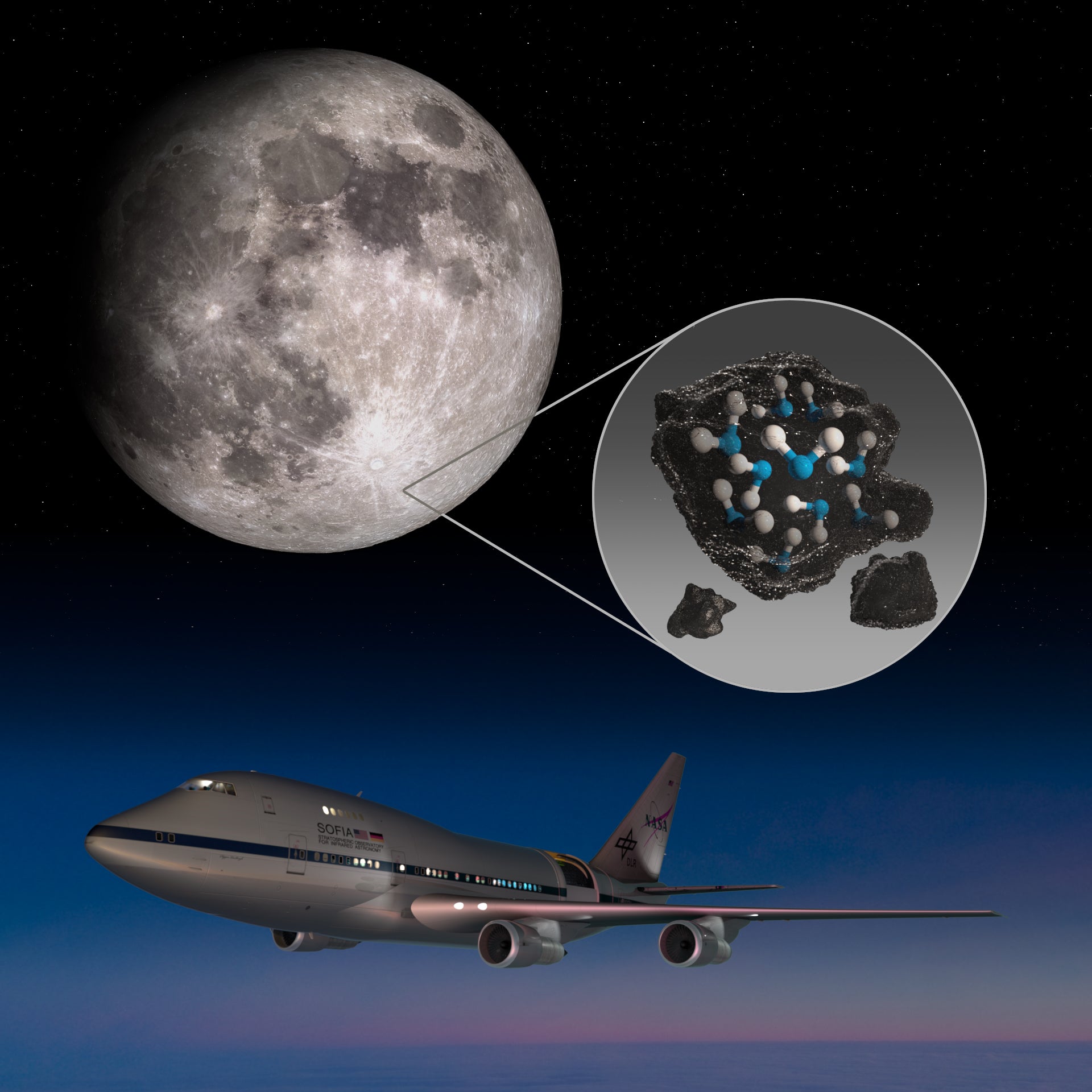
SOFIA’s detection of water on sunlit surfaces of the Moon is probably the aerial observatory’s crowning achievement. The traces of H2O were found in the gigantic Clavius Crater of the Moon’s southern hemisphere, and it showed that water is distributed across the entire lunar surface and not just constrained to polar or shadowy locations.
“We had indications that H2O–the familiar water we know–might be present on the sunlit side of the Moon,” Paul Hertz, director of the Astrophysics Division in the Science Mission Directorate at NASA, said in a 2020 agency statement. “Now we know it is there. This discovery challenges our understanding of the lunar surface and raises intriguing questions about resources relevant for deep space exploration.”