Finding that stellar winds help nebulae to expand and give birth to new stars
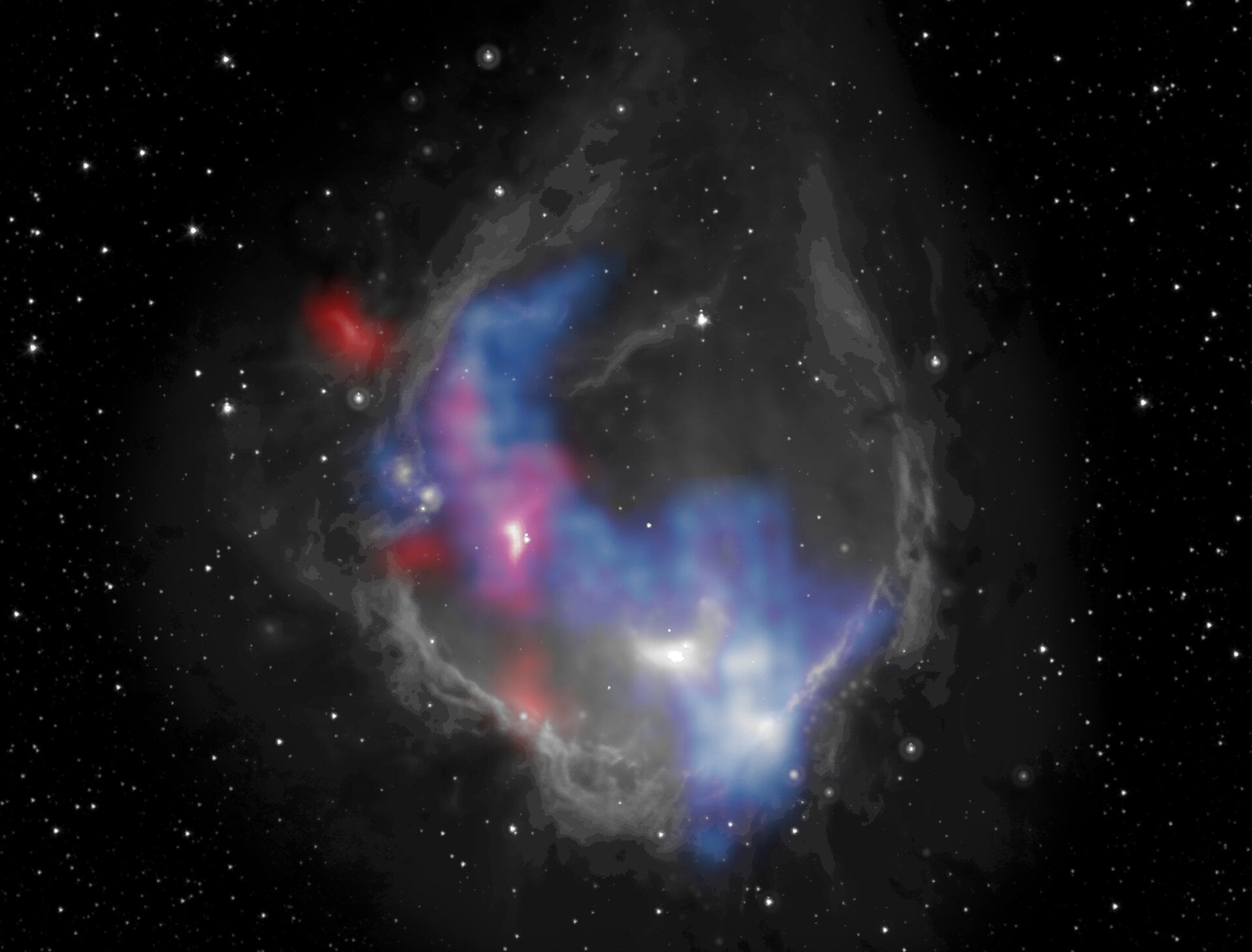
Research from last year showed that stellar winds are causing nebula RCW 120 to expand more rapidly than would be otherwise expected. In turn, this expansion is contributing to rapid star formation, and it means the nebula, located 4,300 light-years away, is younger than scientists thought.
“The nebula is giving us a window into what star formation may have been like in the early universe,” Matteo Luisi, an astronomer at West Virginia University in Morgantown, said in a NASA blog post. “We can’t go back to study the early universe, so we depend on observations like these to understand how it transformed from the Big Bang to the universe we see today.”