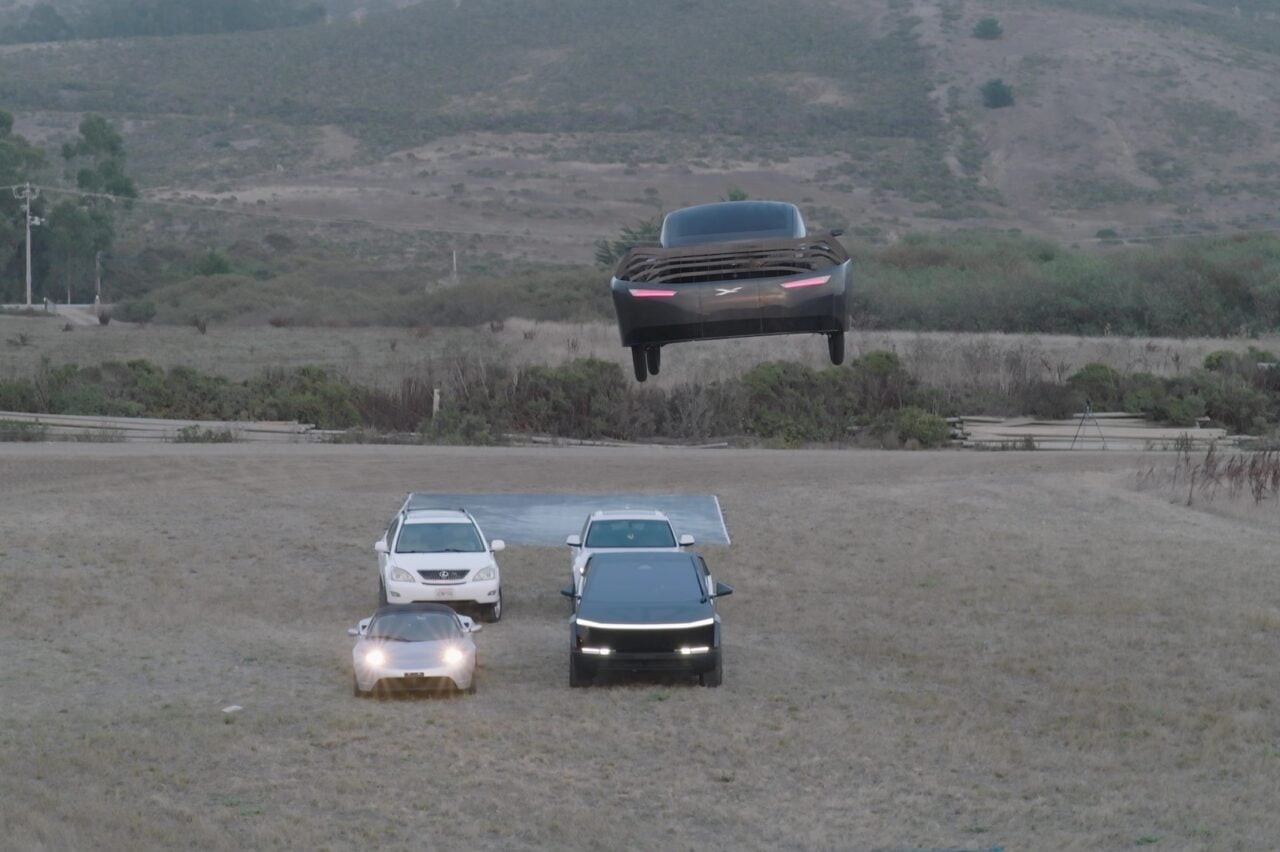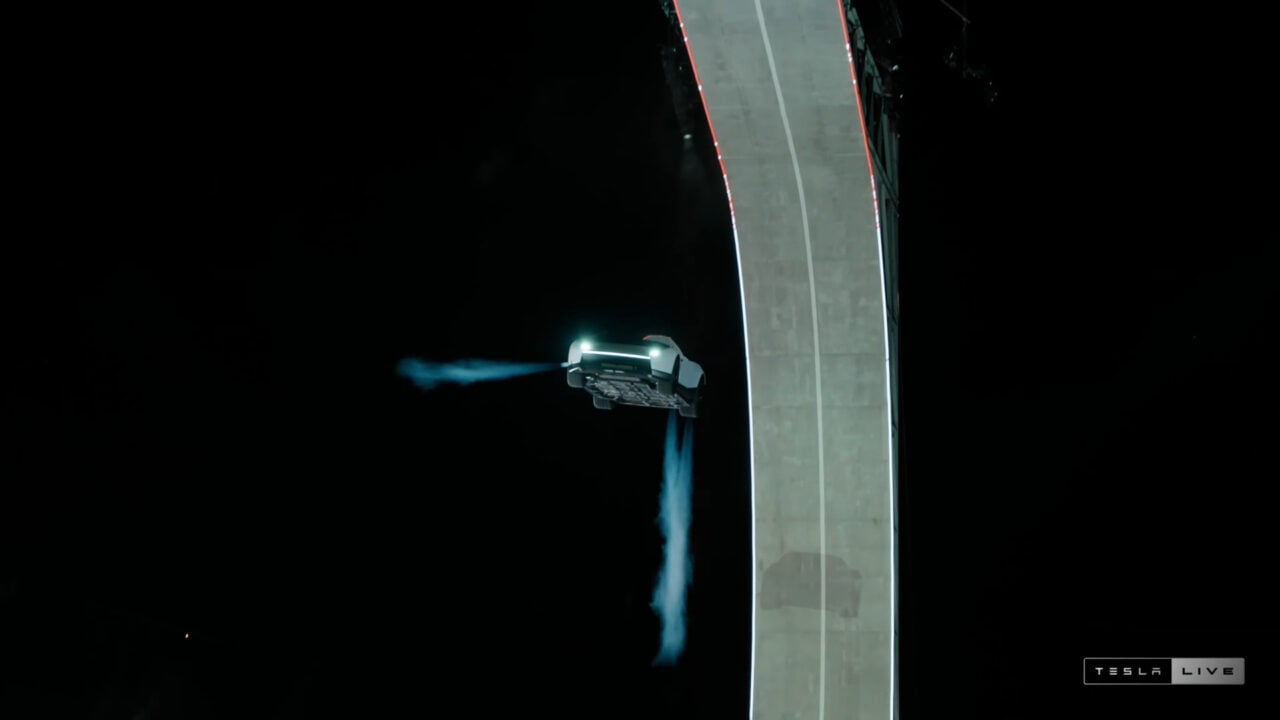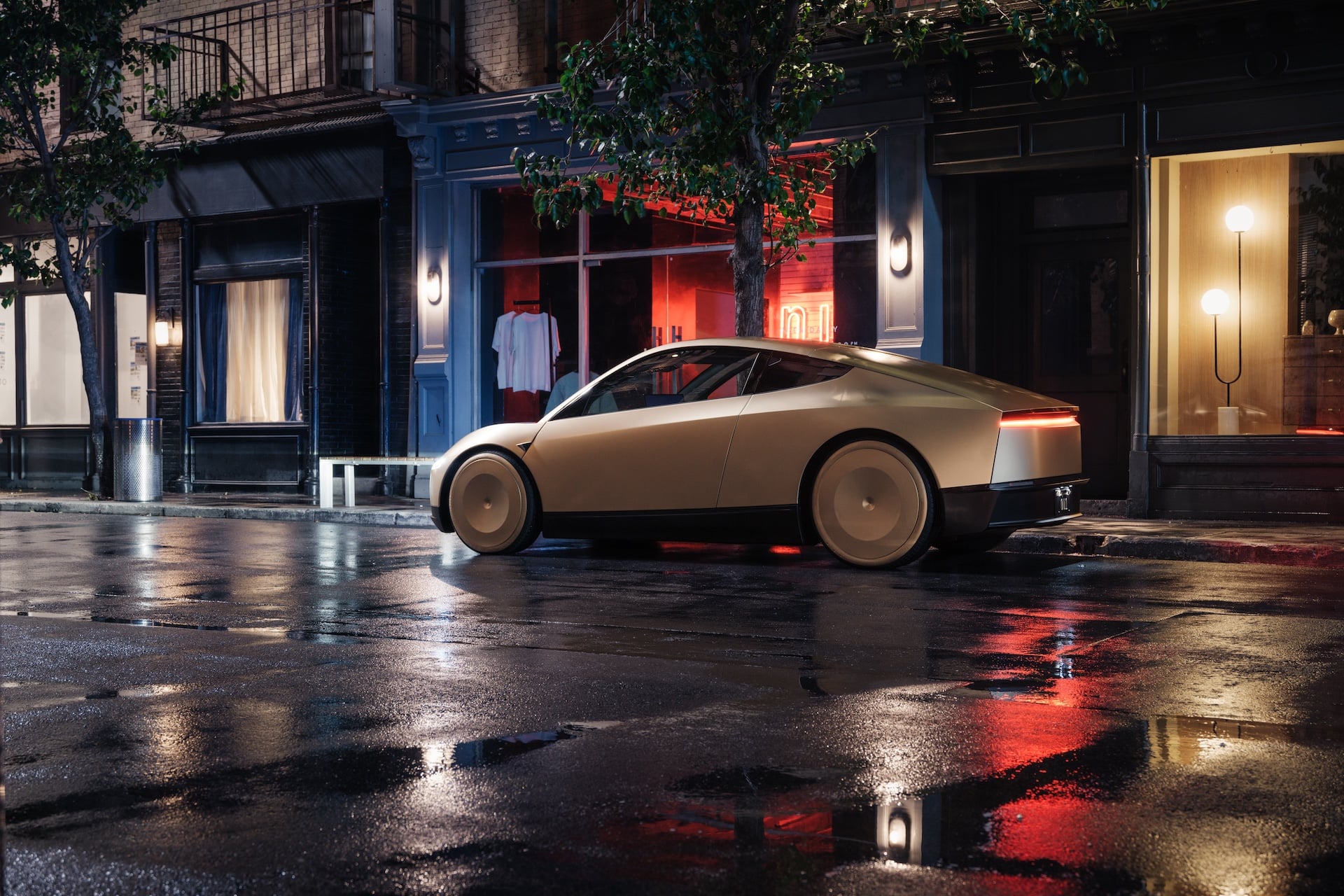
Weeks after debuting its Cybercab robotaxi, Tesla is getting more heat from the feds.
The National Highway Traffic Safety Administration (NHTSA) has escalated its probe into how Tesla self-certified the Cybercab as meeting federal safety standards.
The agency issued a special order to Tesla on Sept. 10 demanding information about “the process and technical data on which Tesla relied when certifying the Cybercab and related issues,” according to a letter, which was recently made public, to the company.
Tesla now has until Sept. 30 to respond. The company could face civil penalties of up to roughly $139 million if it does not to respond fully or truthfully to the order.
NHTSA first opened the probe on Sept. 3, the same day Tesla began offering commercial rides in Cybercabs in Austin.
The main issue is that the Cybercab lacks traditional driver controls like a steering wheel, rearview mirrors, and pedals that some Federal Motor Vehicle Safety Standard (FMVSS) require.
NHTSA said when it announced the investigation that it is looking into how much of Tesla’s certification depended on the company determining that certain standards don’t apply to the robotaxi.
“NHTSA fully supports the safe development and deployment of automated vehicles. But as the federal regulator, we need to ensure that all of our laws are followed,” said NHTSA Administrator Jonathan Morrison in a statement announcing the investigation at the time.
The new order asks Tesla to respond to 21 specific requests, ranging from how many Cybercabs are operating and where they are deployed to how the company determined which federal safety standards apply to the vehicle.
Other questions take more direct aim at the apparent conflicts between the Cybercab’s design and existing regulations.
Request 10 asks Tesla to identify any safety standards it believes do not apply to the Cybercab and explain why, including whether it believes some rules that were written specifically for vehicles operated by human drivers shouldn’t apply to a fully autonomous car.
Request 19 gets even more specific. NHTSA points out that federal rules require a foot-operated brake and asks Tesla to explain how the Cybercab can comply without one.
The final request points out that fully autonomous vehicles currently need an exemption from existing safety rules to operate commercially and asks Tesla to explain how the Cybercab complies with the rules without one.
The agency has previously proposed updating its safety standards, specifically around brake pedals, for vehicles designed to be driven exclusively through an automated driving system but has not done so yet.
Amazon’s Zoox, a robotaxi that also doesn’t have traditional driving controls, ran into similar issues. In 2025, however, it received a demonstration exemption from some safety standards. And this July, the NHTSA granted Zoox a temporary exemption allowing it to deploy up to 2,500 robotaxis annually for two years. Morrison said at the time that “Zoox demonstrated that their vehicle design has an equivalent level of safety as a vehicle that meets all FMVSS.”
Tesla took the opposite approach, launching its commercial Cybercab service after certifying the vehicle itself instead of seeking an exemption. That decision now appears to be coming back to bite the company.
Tesla and NHTSA did not immediately respond to requests for comment.